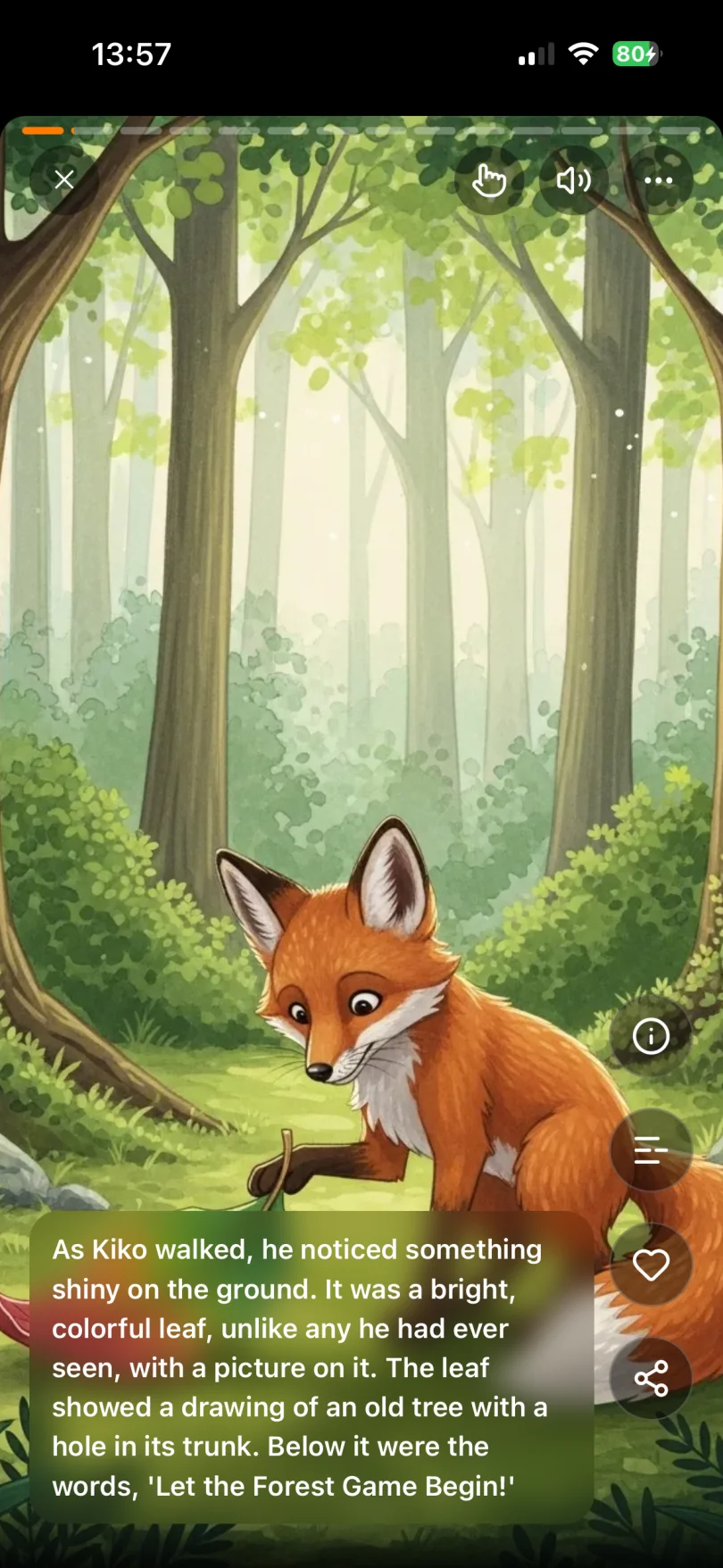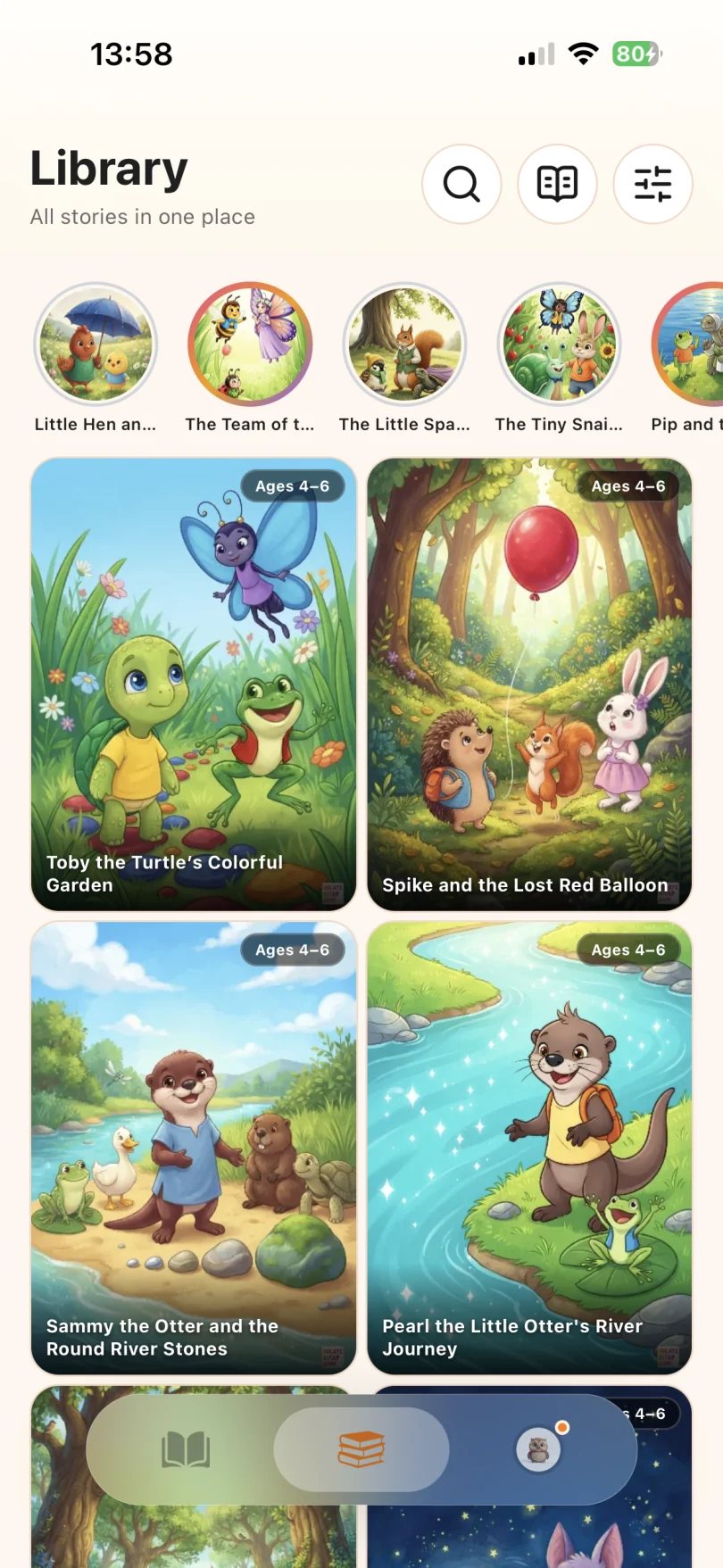
The proliferation of tablets, smartphones, and e-readers has fundamentally altered how modern children interact with media. While digital technology offers unprecedented educational opportunities, it also introduces valid parental concerns regarding data privacy, advertising exposure, and screen-induced fatigue. Families seeking digital children’s books: free and safe reading tips need a comprehensive roadmap for transforming digital devices into secure, nourishing literary environments where young minds can explore literature safely.
Technology in itself is neither inherently beneficial nor harmful to childhood literacy; its impact depends entirely on curation, context, and environment. When digital reading is characterized by ad-cluttered websites and passive video animations, it fractures attention. Conversely, when children engage with clean, beautifully designed digital storybooks within a secure platform, digital reading nurtures deep literacy, vocabulary growth, and creative imagination.
Core Pillars of Safe Digital Reading Environments
Protecting young readers in the digital landscape requires vigilance across several critical technical and pedagogical domains:
- Absolute Privacy and Data Security: Trustworthy children reading platforms strictly adhere to international privacy regulations such as COPPA and GDPR-K. They do not harvest personal information, track user behavior across the web, or require children to create public profiles.
- Zero Commercial Advertisements: Children are exceptionally susceptible to behavioral advertising. Educational reading portals must be completely free of banner ads, pop-ups, and sponsored content that divert focus from literature.
- Absence of Unmonitored Social Features: Reading portals for children should not include open chat rooms, unmoderated comment sections, or external social media links that expose youth to online risks.
- Pedagogically Vetted Literature: Content should be thoughtfully curated by educators and child development specialists, ensuring age-appropriate themes, linguistic richness, and positive character values.
Ergonomic and Health Considerations for Screen Reading
To ensure that digital reading remains comfortable and healthy for developing eyes, parents should implement several ergonomic safeguards:
1. Optimize Display Settings and Lighting
Always adjust screen brightness to match the ambient lighting of the room. Reading a glowing screen in a pitch-black bedroom causes significant pupillary strain. In the evening, activate warm color filters (night shift modes) to minimize blue-light exposure that can disrupt sleep cycles.
2. Follow the 20-20-20 Rule
To prevent digital eye strain, teach children the classic optical hygiene rule: every 20 minutes of reading, look at an object at least 20 feet away for at least 20 seconds. This simple habit relaxes the ciliary muscles of the eyes.
3. Maintain Proper Posture and Distance
Ensure children hold tablets at least twelve to fifteen inches away from their faces, resting comfortably on a table or reading cushion rather than hunching over a screen on the floor.
HikayeKitap: A Safe Haven for Free Digital Childrens Literature
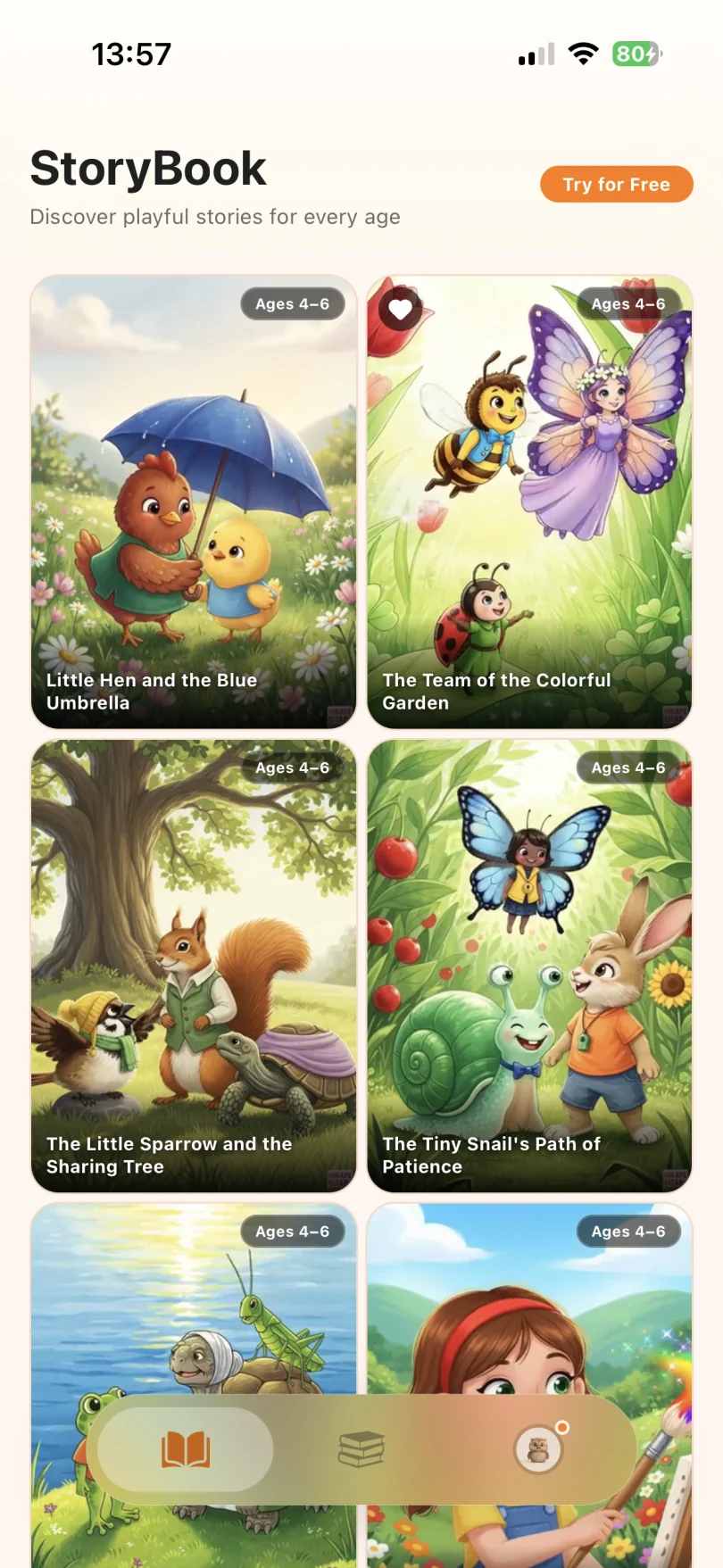
Our platform is engineered from the ground up to provide a tranquil, child-safe reading sanctuary. Through our Free PDF Childrens Books collection, we provide families with unrestricted access to an extensive library of illustrated stories, timeless fables, and educational chapter books.
Every story in our catalog can be enjoyed through an interactive web flipbook or downloaded as a secure PDF for offline reading. Our platform features zero third-party commercial advertisements, zero user tracking, and zero hidden subscription paywalls, giving parents total peace of mind.
To maximize digital reading safety at home:
- Utilize Guided Access: Lock tablets into the reading application during storytime so children cannot wander into other applications or web browsers.
- Establish Co-Reading Routines: Sit together and make digital reading an interactive conversation rather than solitary screen time.
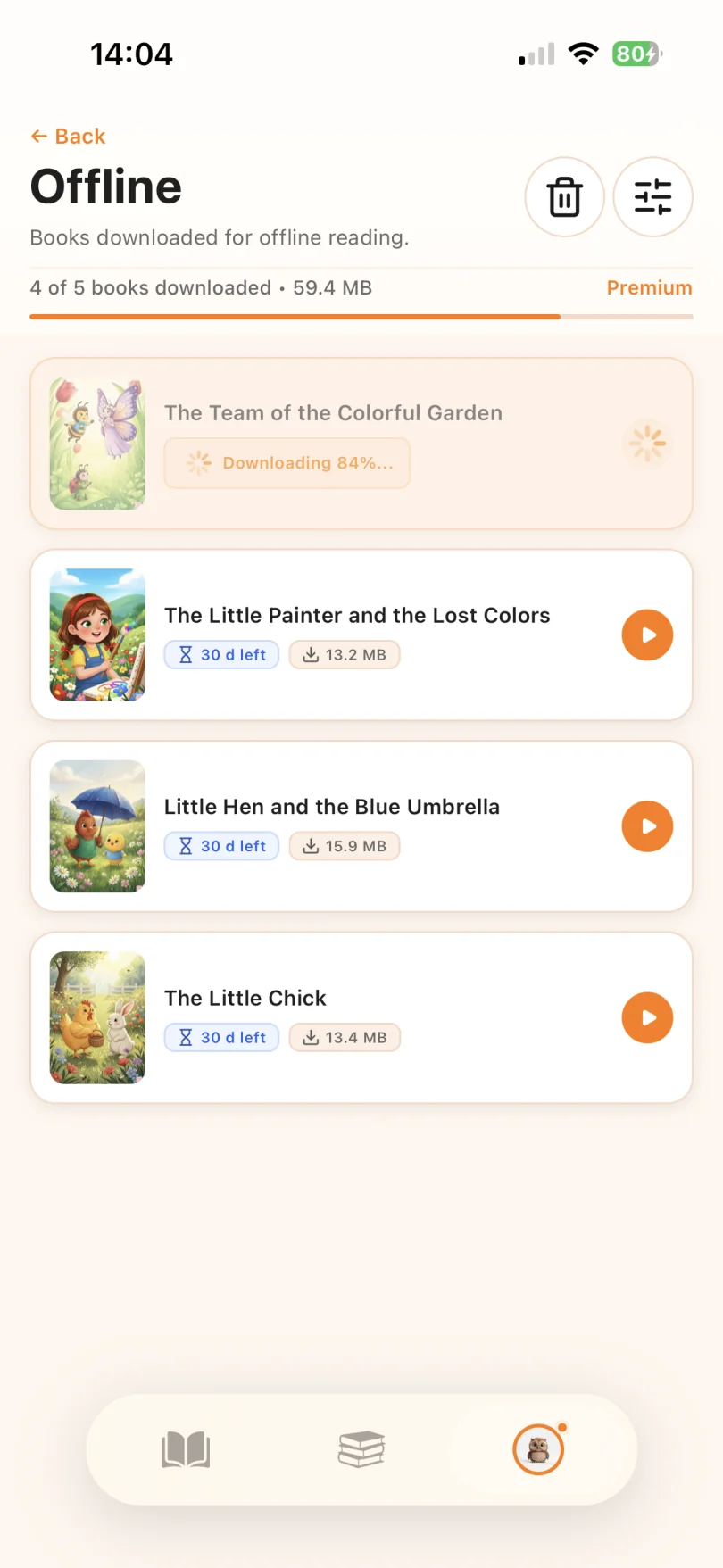
- Download for Offline Reading: Download favorite PDF titles onto your device and turn on airplane mode during travel to create an entirely offline reading haven.
Building Enduring Habits with a 30-Day Printable Reading Milestone
Consistent daily reading transforms emerging readers into confident scholars. Dedicating twenty to thirty minutes daily to focused reading expands vocabulary, sharpens reading comprehension, and fosters emotional empathy.
To help children track their daily reading dedication and celebrate their achievements, we offer a dedicated printable tool. Download and print our Printable Reading Log and Certificate of Achievement. This printable guide allows children to record daily book titles, log reading minutes, track completed digital stories, and receive a formal certificate of achievement after thirty consecutive days of reading.
By prioritizing safety, optimizing device settings, and celebrating daily progress, parents can empower their children to enjoy all the wonders of digital reading in a healthy, secure environment.
Frequently Asked Questions
What makes a digital reading platform safe for children?
Zero external advertising, strict privacy protections without data collection, absence of unmonitored chat rooms, and curated, age-appropriate content.
How can parents manage screen time while encouraging digital reading?
Distinguish between active educational screen time and passive entertainment, setting dedicated 20-30 minute reading blocks.
Are free digital books as pedagogically sound as printed school books?
Yes, when verified by educators and designed with clean typography, rich narrative structure, and meaningful vocabulary.
How does screen glare impact young eyes during digital reading?
Extended glare can cause visual fatigue; activating night mode, reducing brightness, and maintaining proper lighting protect eye comfort.
What should parents do if a child clicks away from the book to other apps?
Utilize guided access or app pinning features on tablets to lock the device into the reading application during storytime.
Can toddlers and preschoolers benefit from digital storybooks safely?
Yes, provided the experience is adult-guided, focuses on static picture books, and avoids overstimulating animations.
How can families track digital reading consistency?
Using printable reading logs where children physically record titles and minutes connects digital achievements to tactile rewards.