The Wind Workshop on the Northern Slopes
Adrian unlocks a long-closed workshop on the northern slopes and asks wise Master Arthur for help. Inventor Simon and...
12 pages · 7 min
Type into the box above to start searching
Features and shortcuts to enhance your reading experience
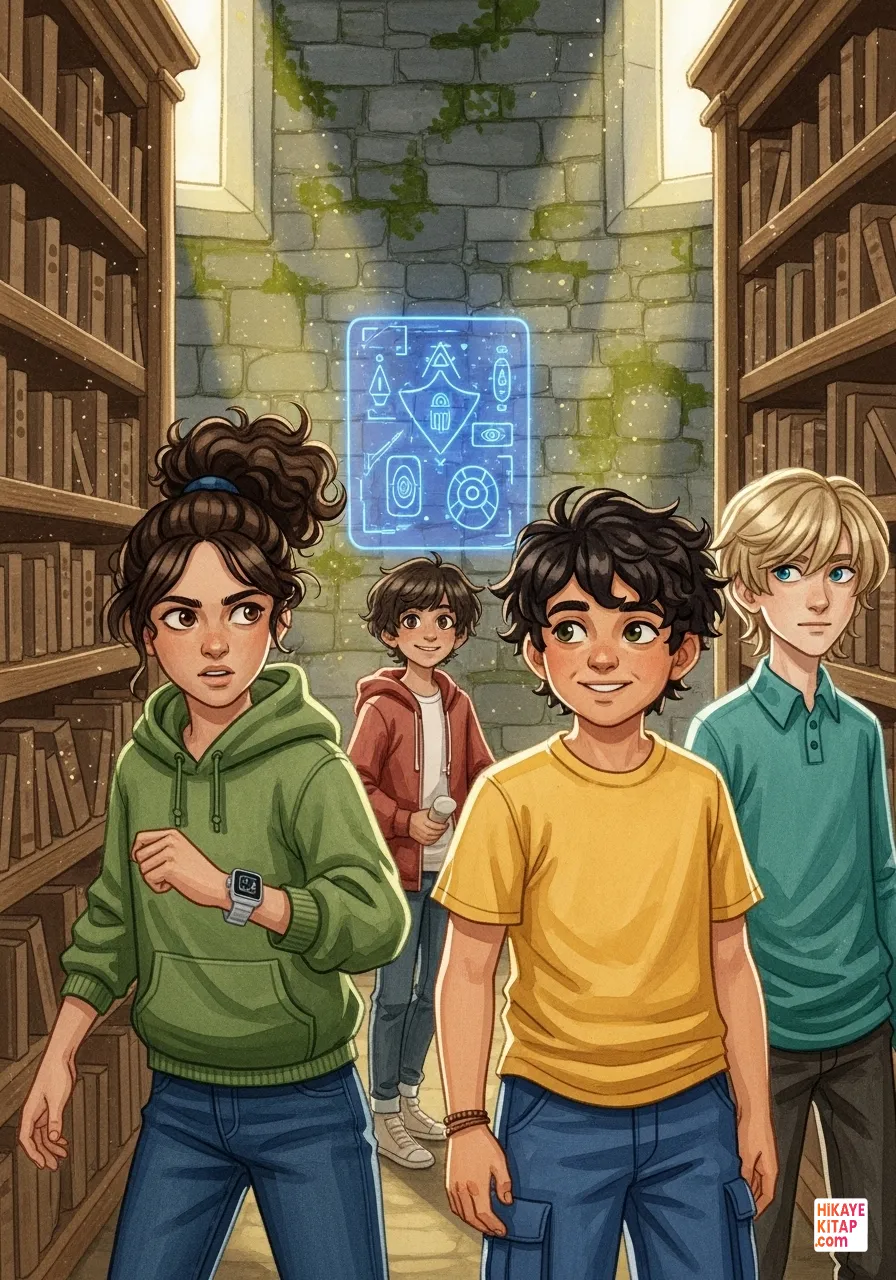
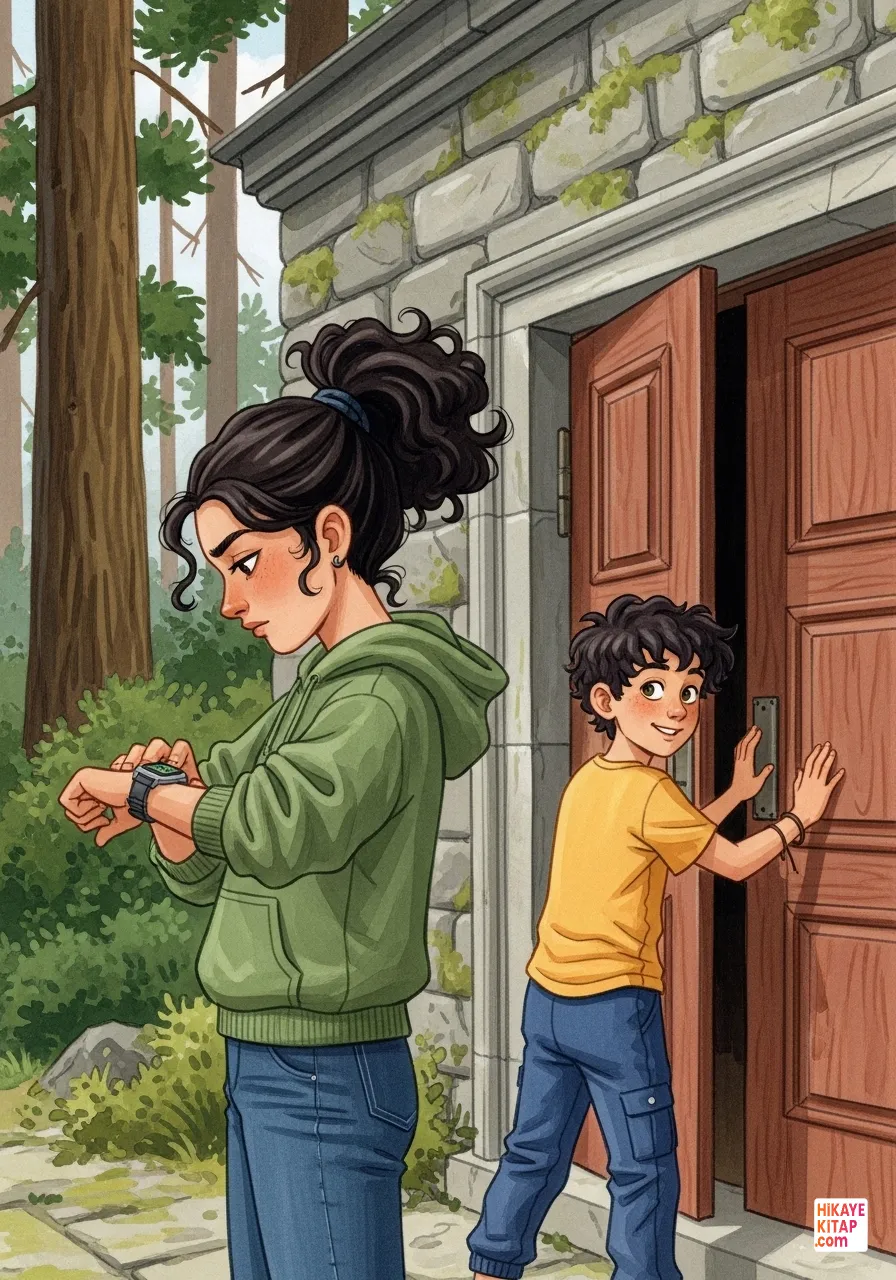
Where the edge of the forest met the sky and giant pine trees reached for the clouds, an ancient building made of moss-covered stone stood silently. This was the town’s forgotten library. Alara, fidgeting with her digital watch, pushed the heavy wooden door open alongside Yankı, whose natural gift for communication kept their group of friends together. Inside, the scent of thousands of old books and dancing dust motes greeted them. This wasn’t just a warehouse for stories; it felt like a sanctuary waiting to be rediscovered.
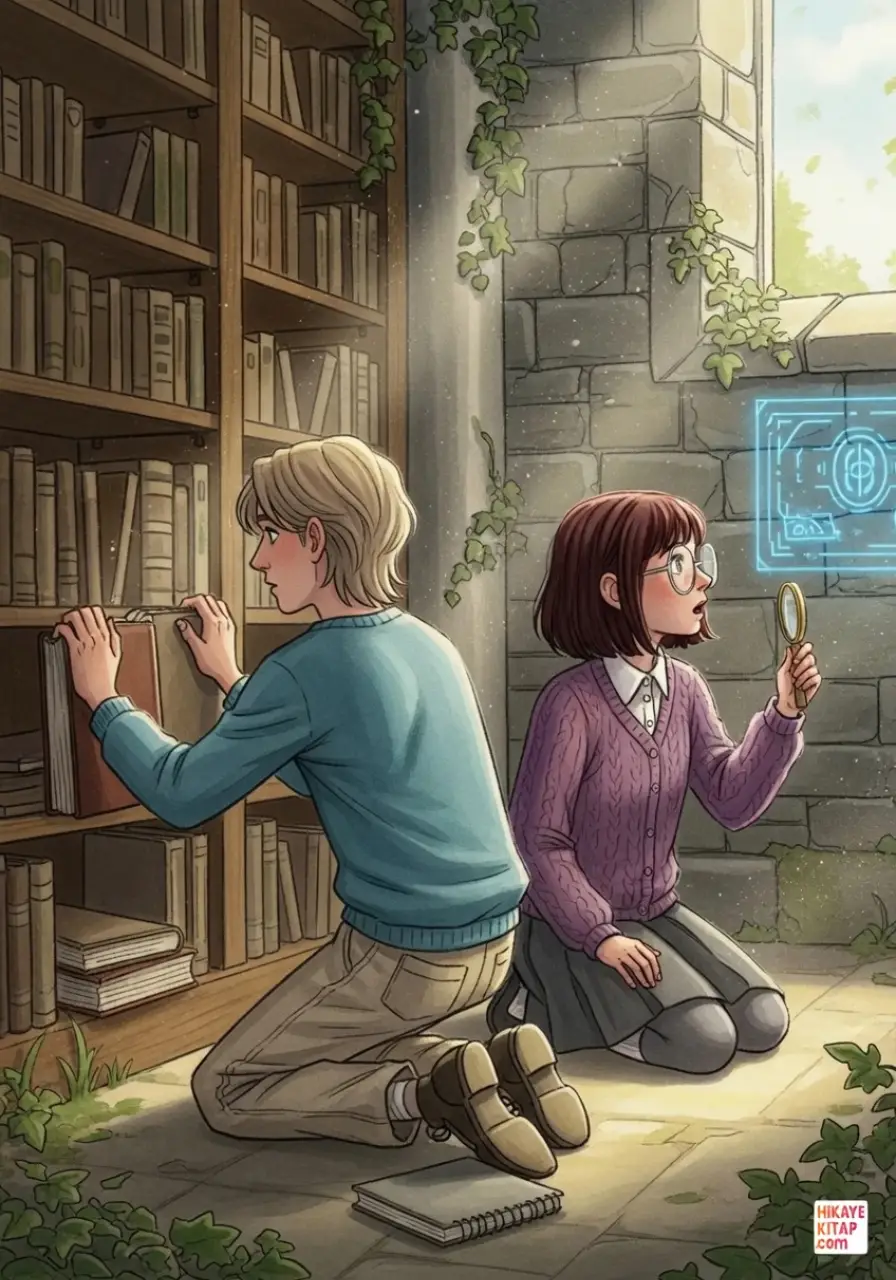
In the deepest corner of the library, a shaft of sunlight filtered through climbing ivy, illuminating a single spot. Kerem, known for his wildly creative ideas, and İdil, the meticulous analyst who noticed every tiny detail, spotted a strange shimmer behind a dusty shelf. When Kerem pulled a heavy encyclopedia aside, they found a crystal screen embedded in the wall. The screen flickered with symbols they had never seen before, flashing a rhythmic greeting.
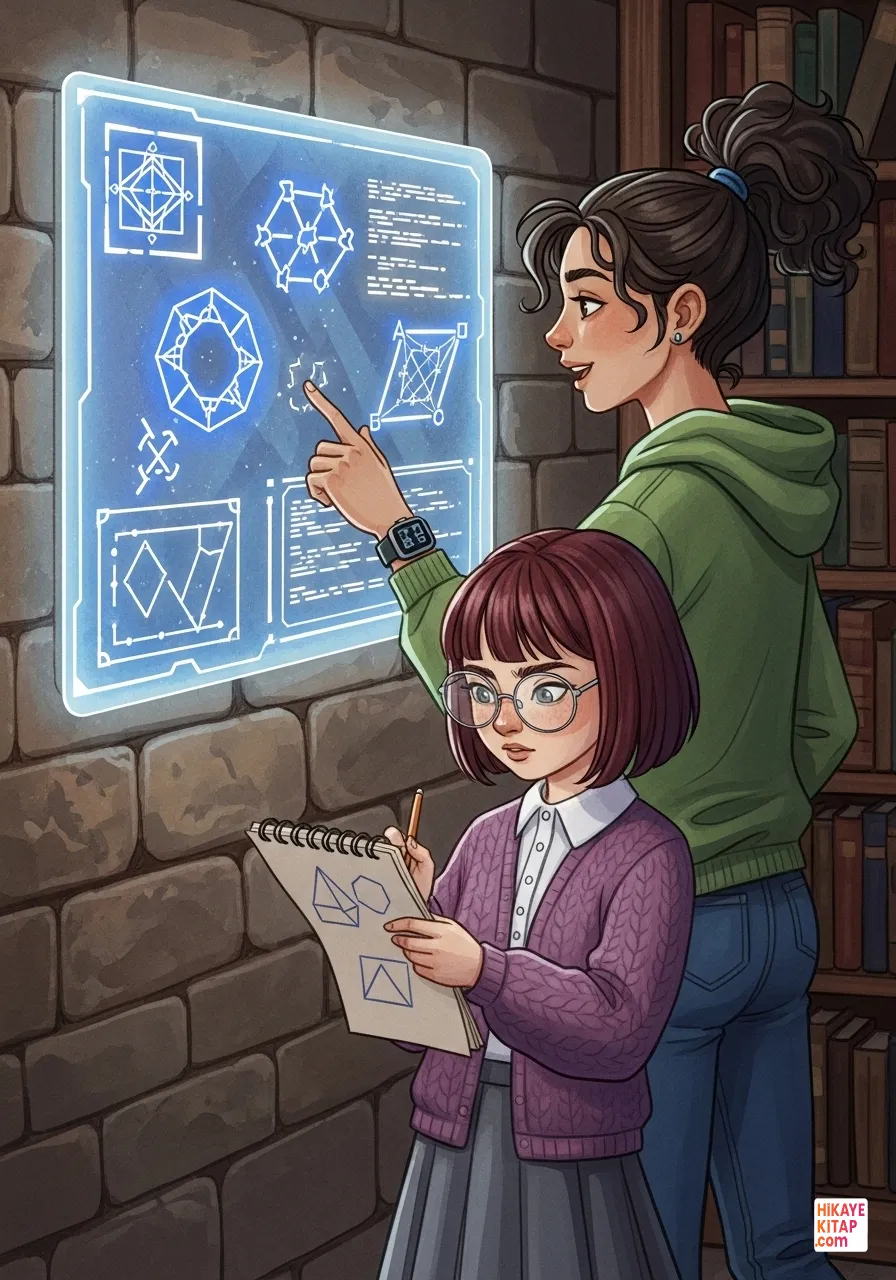
Alara and İdil stepped closer to the screen. A message appeared: “Complete the Logical Sequence to Enter.” Below it was a jumble of geometric shapes and numbers. “It’s an algorithm,” Alara said excitedly. “It wants us to follow a specific set of rules.” İdil used her magnifying glass to study the patterns, searching for the missing piece of the puzzle. This was the key to a secret door leading into the very heart of the library.
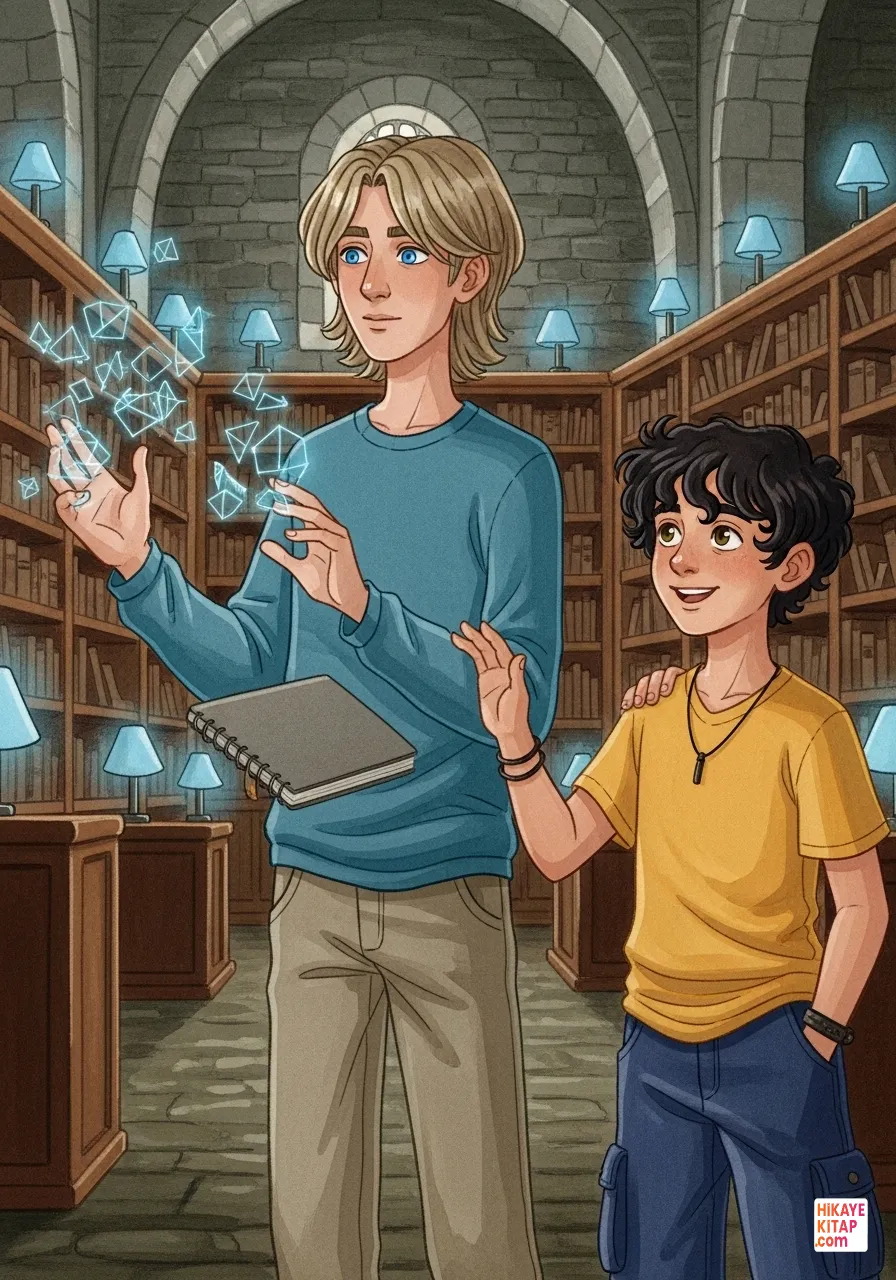
Kerem and Yankı joined them at the console. Kerem began to treat the shapes like a digital puzzle, dragging them into their correct positions in the air. Yankı cheered them on, offering strategic advice. “If we move this triangle to the right, the energy line will be complete!” he suggested confidently. As the final shape clicked into place, every lamp in the library began to glow with a soft, magical blue light. The code had worked.
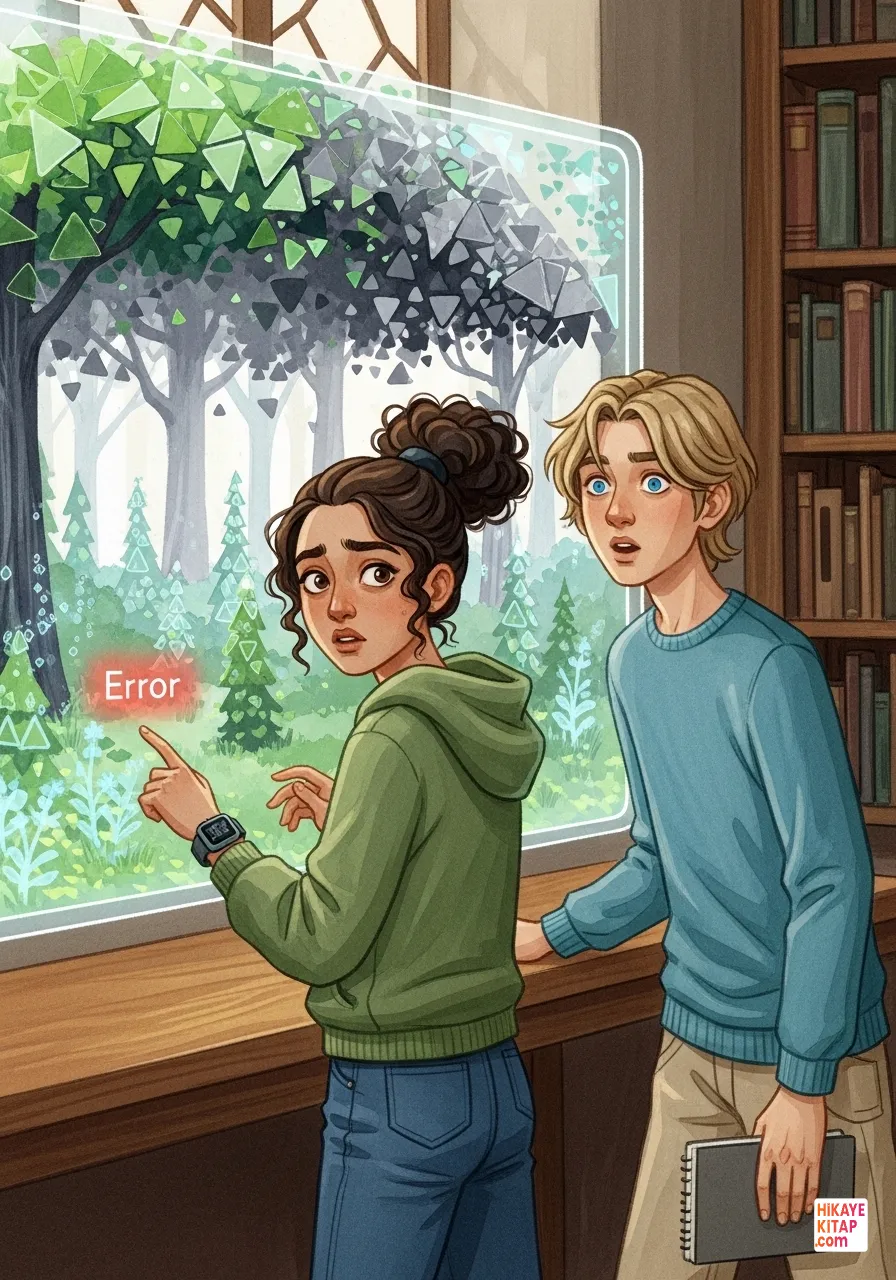
Suddenly, the screen transformed into the “Forest Archive.” Alara and Kerem watched as digital trees and pixelated birds came to life within the glass. This was a massive database containing information on every plant and animal in the forest. However, they noticed something wrong; the leaves on some of the digital trees were turning a dull gray. A system alert popped up: “Loop Error Detected.”
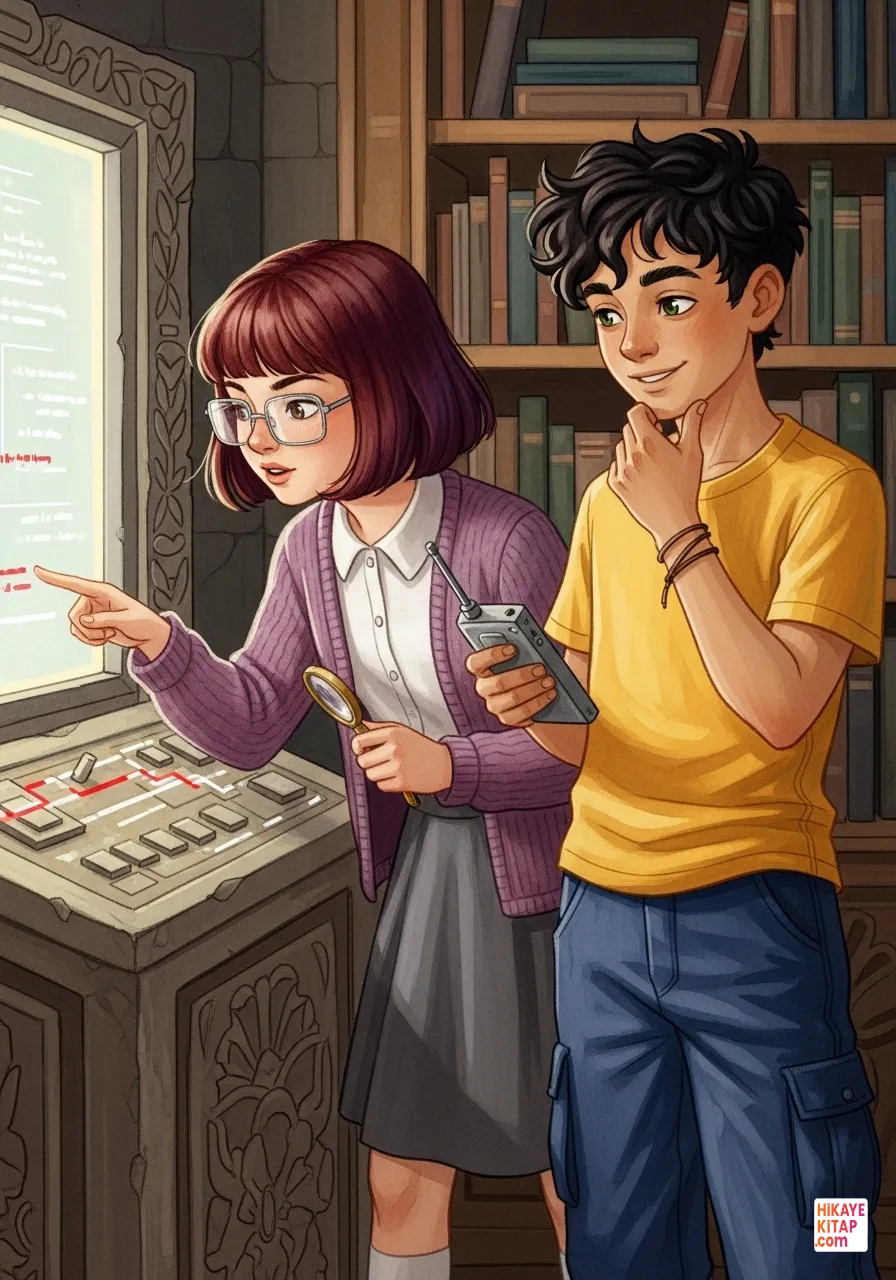
İdil and Yankı immediately set to work on debugging the system. İdil examined the lines of code one by one and realized the problem was an “infinite loop.” “The watering command is stuck,” she explained. Yankı translated the technical jargon into plain English for the others: “Basically, the system is repeating the same action over and over and can't move to the next step. We have to save it!”
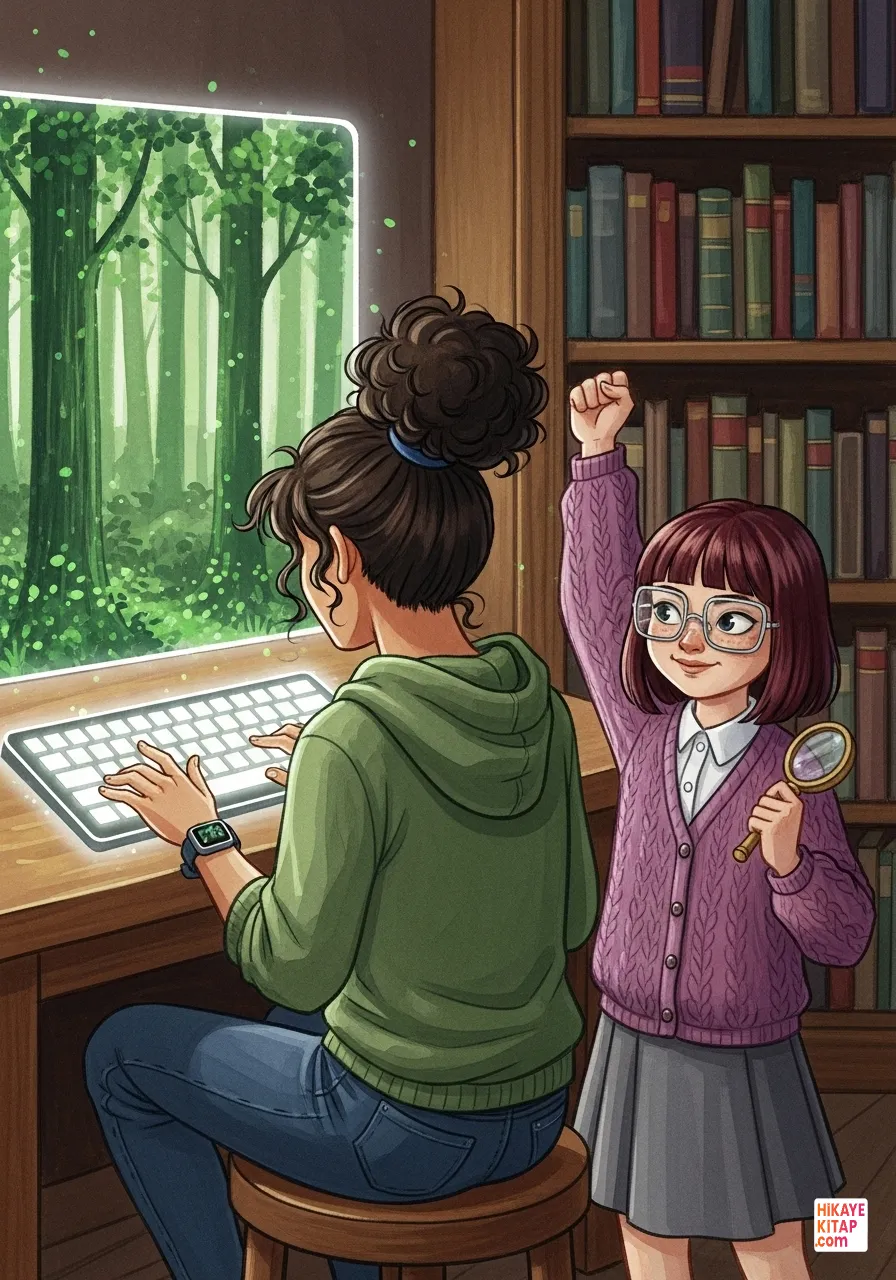
Alara took her place at the glowing keyboard while İdil whispered the correct logic to her. “If (soil_is_dry) then (give_water). We need to change the command from (always) to (as_needed),” they decided. They rewrote the code using a logical 'If-Else' structure. When Alara finally hit the “Enter” key, the gray leaves on the screen instantly turned a lush, vibrant green. The error was fixed.
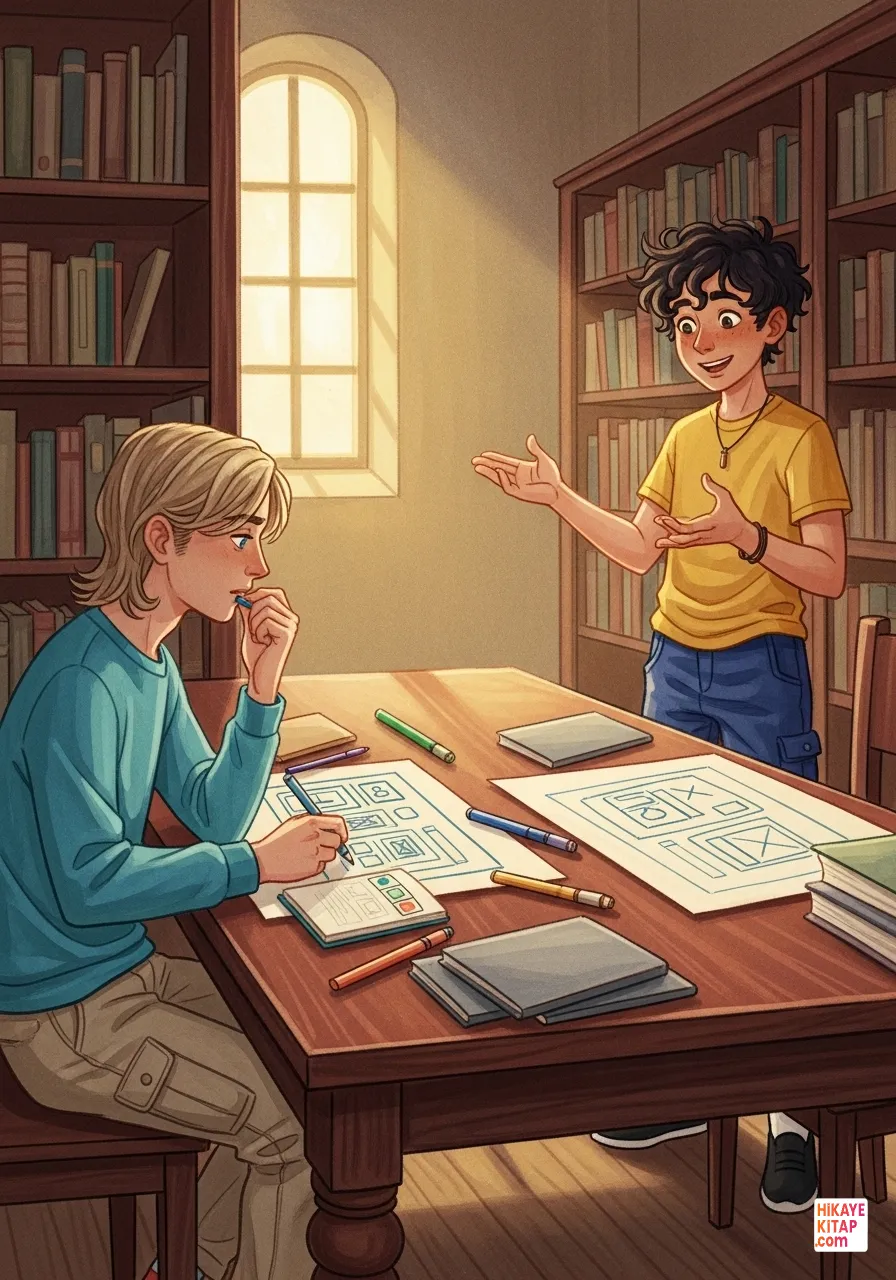
This success sparked a new idea. “Why should we only fix what’s already here?” Kerem asked. “We can design our own tools!” He and Yankı began planning a “Seed Tracker App” to help children in town know exactly when to plant different forest seeds. Kerem started sketching the user interface on large sheets of paper with colorful markers, while Yankı brainstormed how the app would explain the process to other kids.
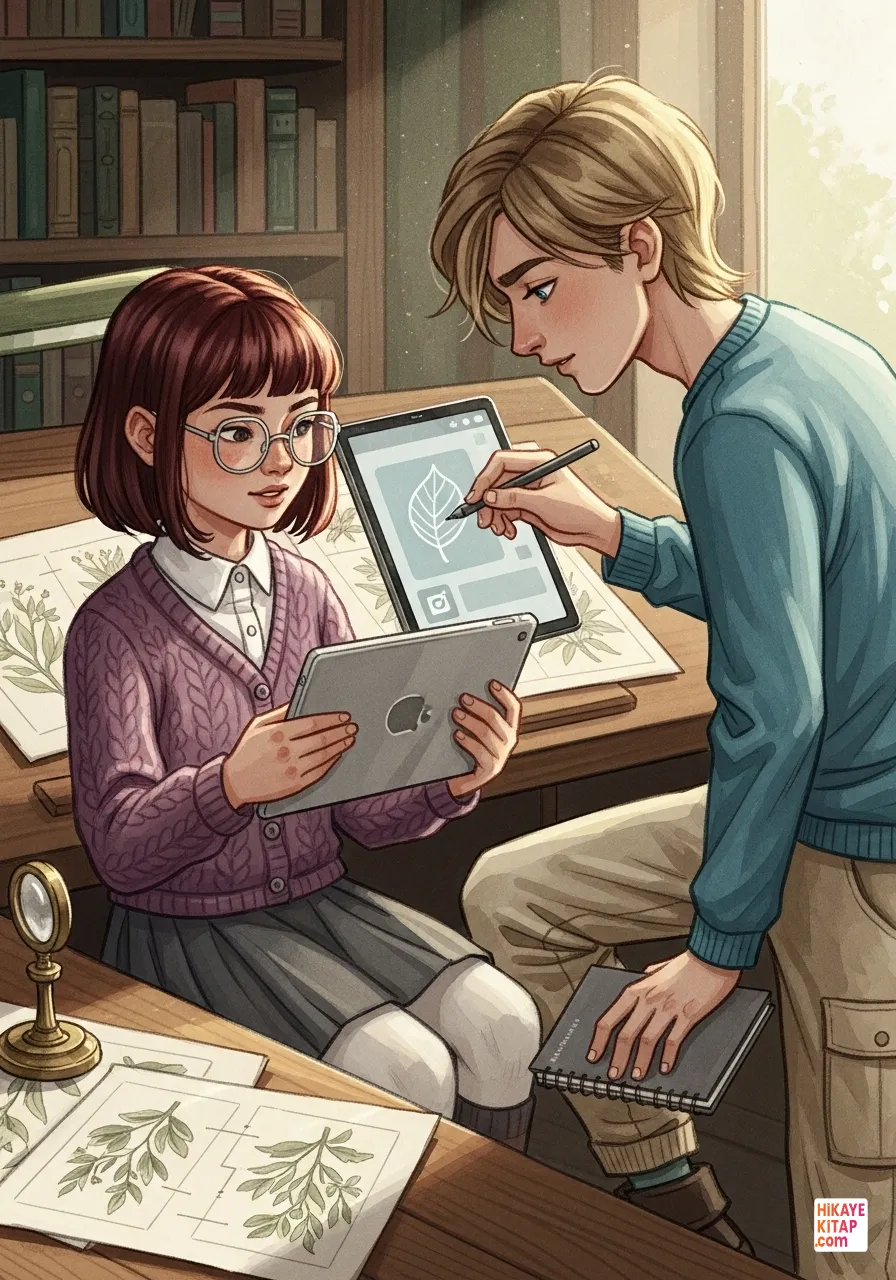
İdil and Kerem worked together to ensure the app was both logical and beautiful. While İdil planned how the data would be stored and organized, Kerem designed cute icons for every type of seed. “Technology shouldn't just be functional; it has to be user-friendly too,” İdil noted. Together, they created a brilliant design that bridged the gap between the digital world and the beauty of nature.
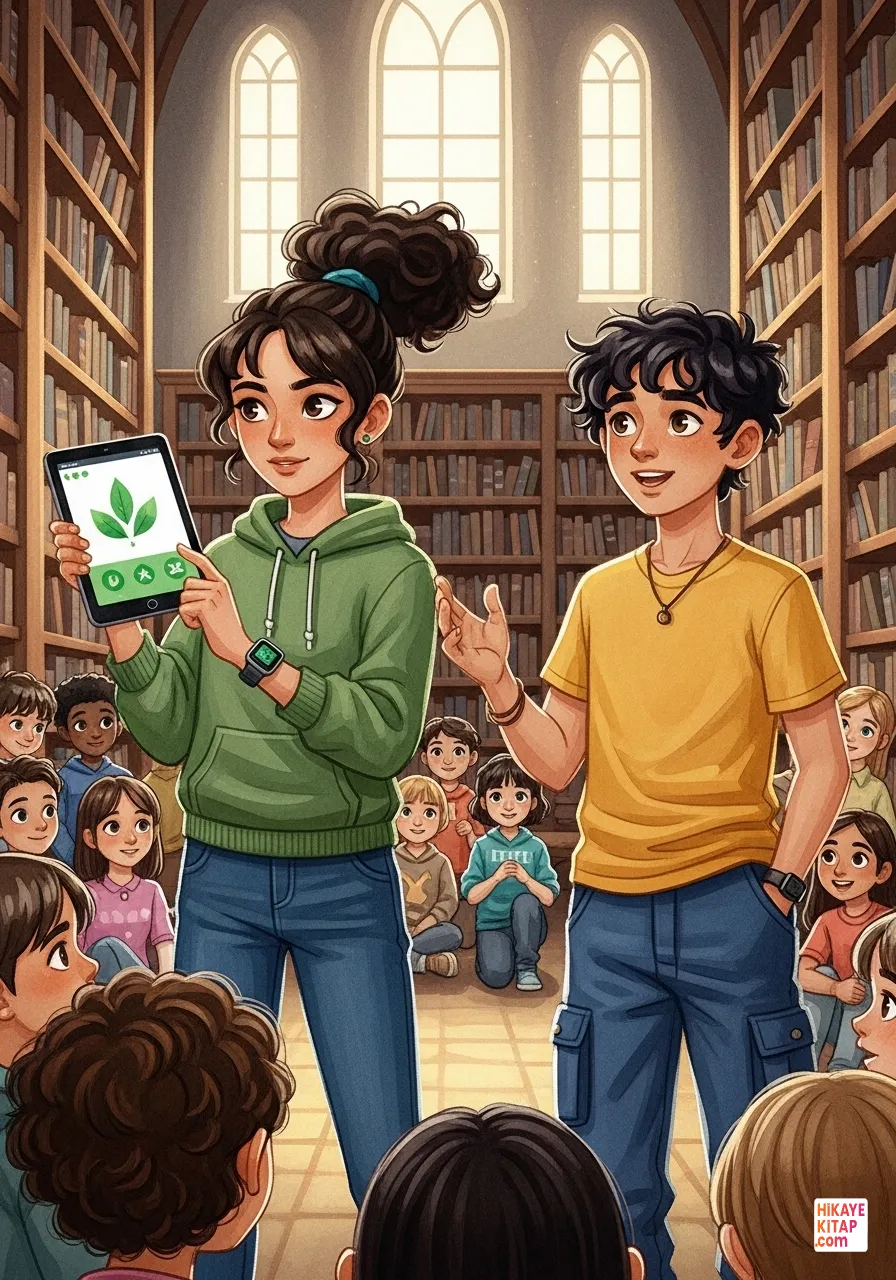
Once the app was finished, Alara and Yankı invited all the children from the town to the library. Alara held her tablet high, showing the crowd how they had written the code and how the app would help protect their environment. With Yankı’s energetic and clear presentation, the audience was captivated. Now, every child could track the growth of the trees in their own neighborhoods.
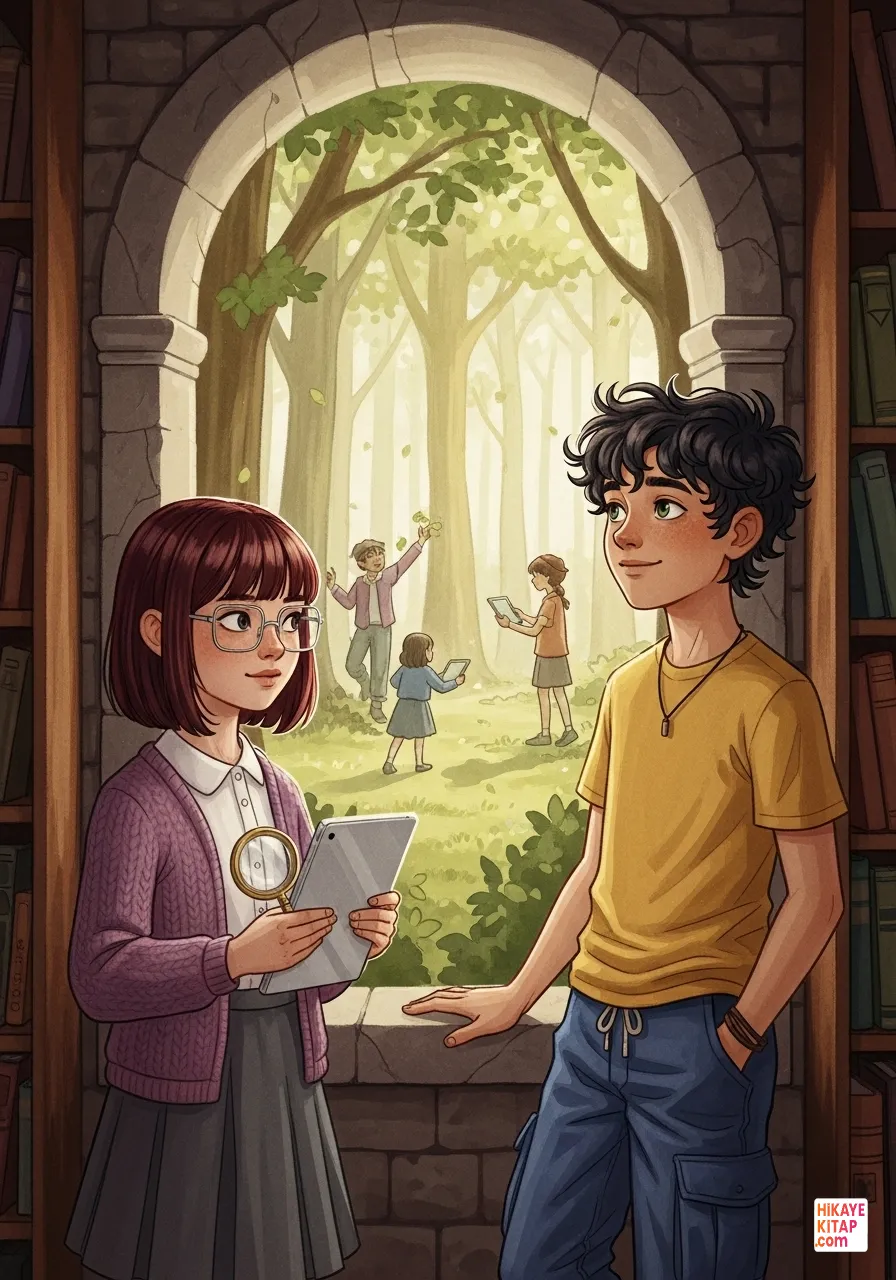
The library was no longer just a place for old books; it had become the “Coding and Nature Hub.” Looking out the window, İdil and Yankı watched as groups of children walked through the forest with their tablets, planting seeds and checking their apps. Technology hadn’t kept them indoors; it had brought them into the heart of nature and connected them to one another.
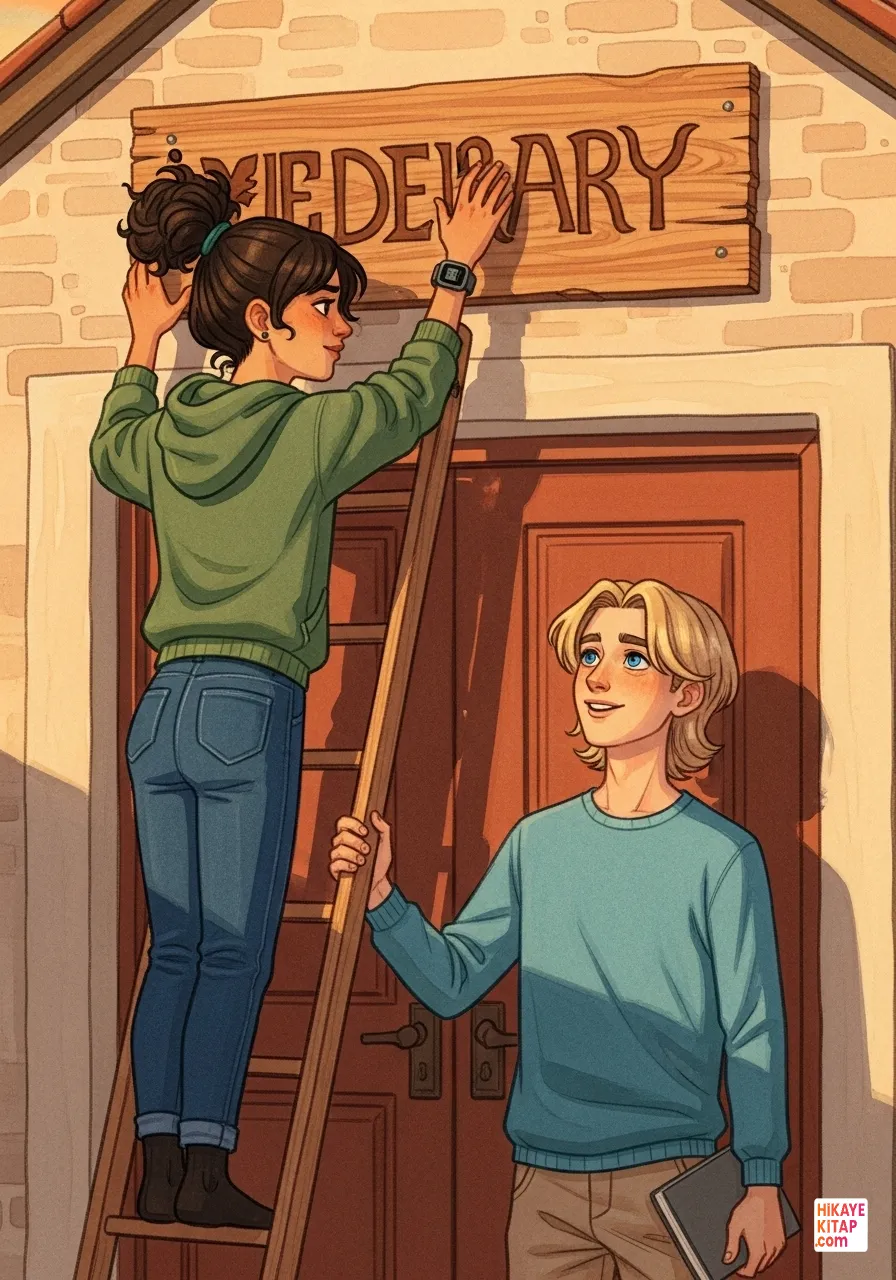
As the sun began to set, Alara and Kerem hung a new, glowing sign above the entrance: “The Coding Forest Library.” Alara looked at her friends and said, “We learned how to debug a program today, but our greatest discovery was teamwork.” Kerem smiled and added, “And the most important code of all is the love of learning.” They walked home together, dreaming of what they would build next in a world powered by technology and nature.
Adrian unlocks a long-closed workshop on the northern slopes and asks wise Master Arthur for help. Inventor Simon and...
Arthur finds his grandfather's journal, The Hidden Flora of Glass Valley, in the attic. With Sophie the artist, sturd...
Twelve-year-old Liam decides to revive the dark old lighthouse of Silver Village. Guided by Captain Harold, he works ...
Use the link and iframe code below to embed the book on your site.