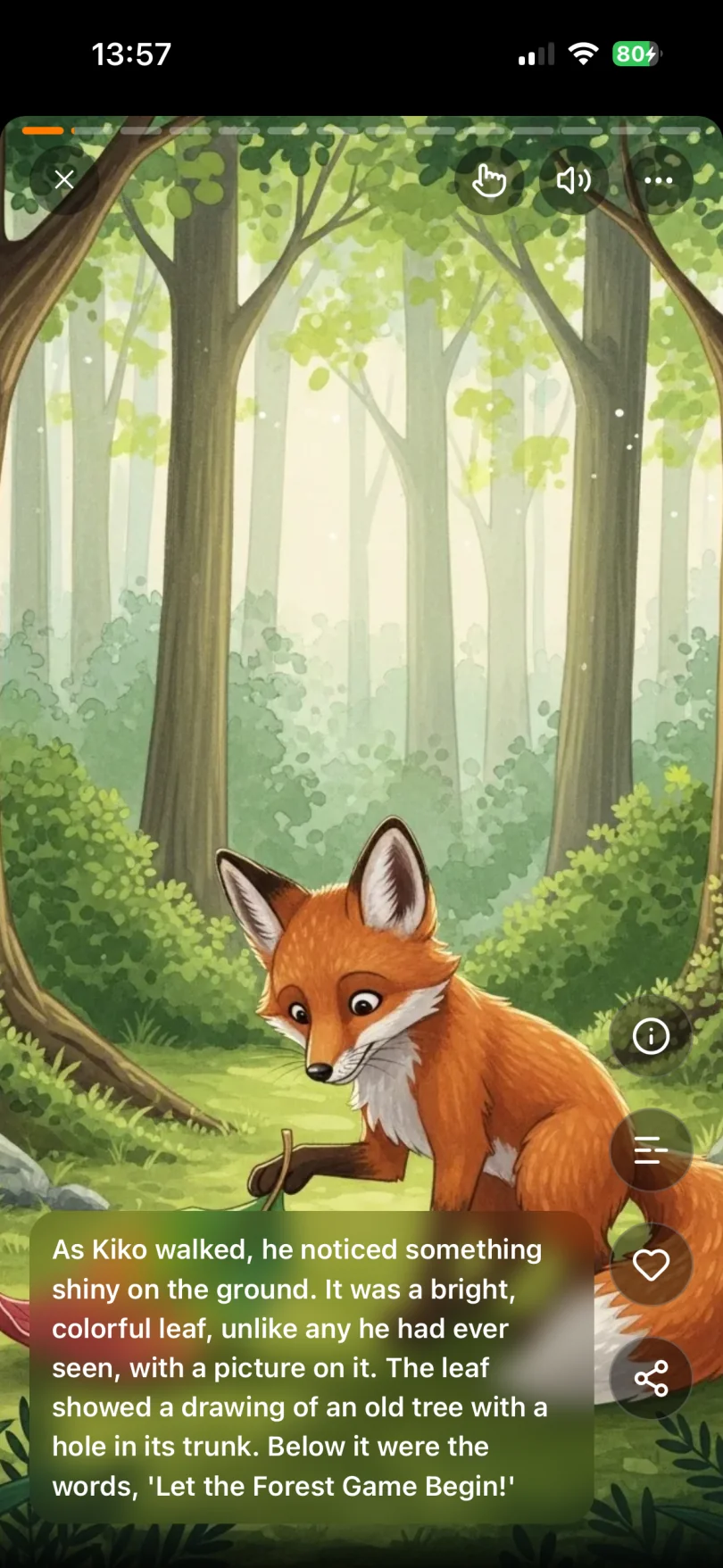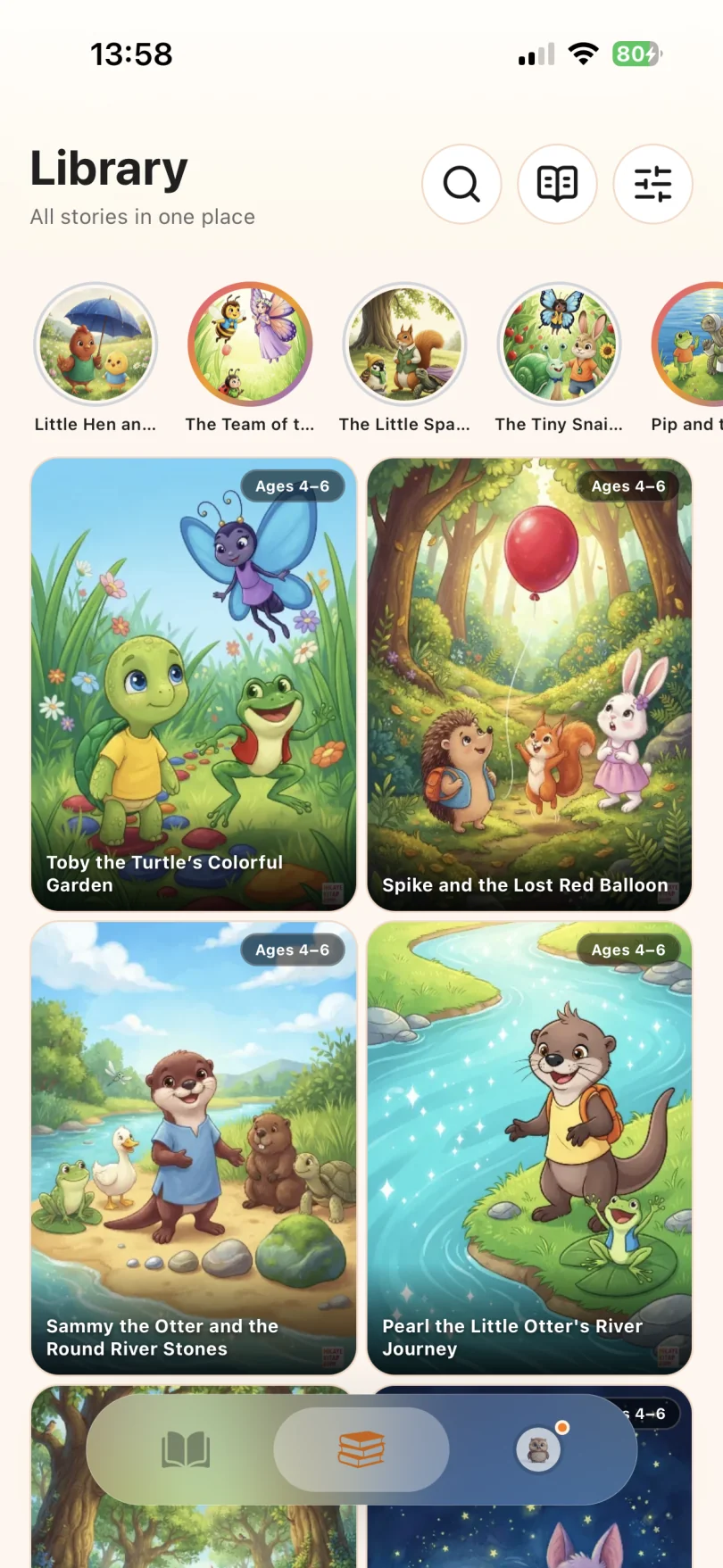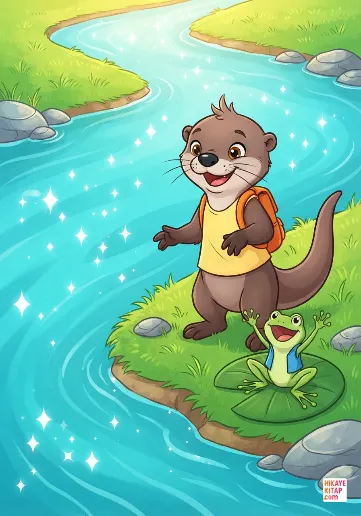
Pearl the Little Otter's River Journey
Pearl the little otter dives into the sparkling river to discover a new place, and Hop the frog joins her. Snappy the...
12 pages · 3 min
Type into the box above to start searching
In these science stories, young characters make a cloud in a jar, test whether a backyard rock fell from space, track a strange light with a telescope and fix a looping bug in code. Thirteen of the 15 books are for ages 10-12 and tie straight into school science and maths. All can be read online or played as audio.
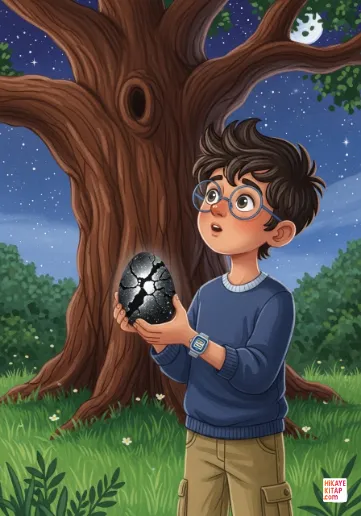
This page is for children who keep asking “why?” and “how?”. Arthur digs up a heavy black stone and checks it with a magnifying glass and a magnet. Kaan’s club finds lights left on in empty classrooms and worn pipe insulation, then wins over the principal with a plan. Aras sets up a rooftop observation team and discovers the light in the sky is the start of the Perseid meteor shower. Every story moves from a question to a test to an answer.
Most books are for ages 10-12, and most heroes work in teams of four, so the stories also open a conversation about how a group shares a task. Younger siblings have two gentler picks: a boy who flies a cardboard rocket to the Moon, and an otter drifting down a river.
| Book | Age | The science |
|---|---|---|
| The Little Astronaut in the Moonlight | 7-9 | Atlas flies his cardboard rocket, Star Explorer, to the Moon in his imagination. |
| The Water Cycle Watchers | 10-12 | A jar, plastic wrap and ice cubes show evaporation, condensation and rain step by step. |
| The Stardust Observation Team | 10-12 | A telescope, a camera and a careful log reveal the start of a meteor shower. |
| Code Name: Atlas | 10-12 | A litter-collecting school robot starts choosing kindness over its commands. |
| The City’s Invisible Melody | 10-12 | Four friends map neighbourhood sounds and measure decibels near their school. |
| The Wind Workshop on the Northern Slopes | 10-12 | An eagle wing inspires new blades that bring wind power to a village mill. |
For plants, animals and the seasons, see the much larger Nature and Discovery page, or browse every book for ages 10-12.
For grade-level picks, read Free Story Books for 5th Graders Online and PDF and 10-12 Year Old Children Books: Suggestions to Make Them Love Reading.
Pearl the little otter dives into the sparkling river to discover a new place, and Hop the frog joins her. Snappy the...
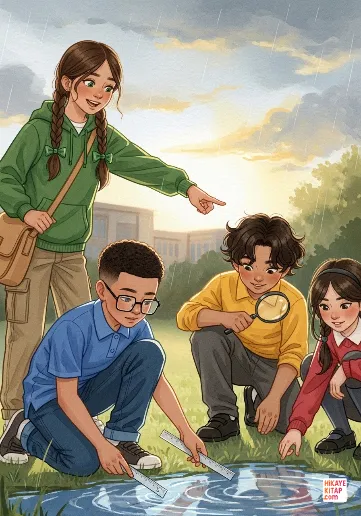
Puddles left after a spring rain make four friends wonder where the water goes. Using a jar, plastic wrap and ice cub...
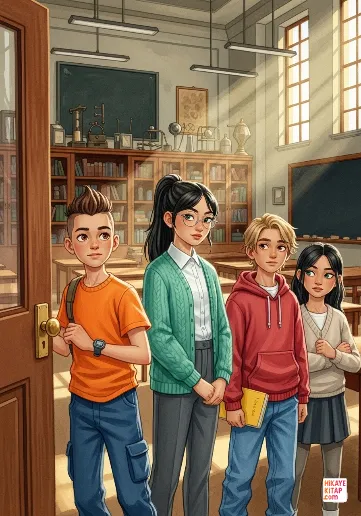
Theo turns a rusty key in an unused classroom, and four friends discover an old math laboratory. They complete a magi...
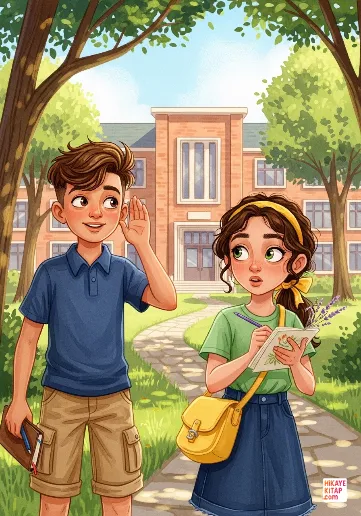
Inspired by the sounds of their schoolyard, Mark and Melody decide to build a sound map of their neighborhood. Echo r...
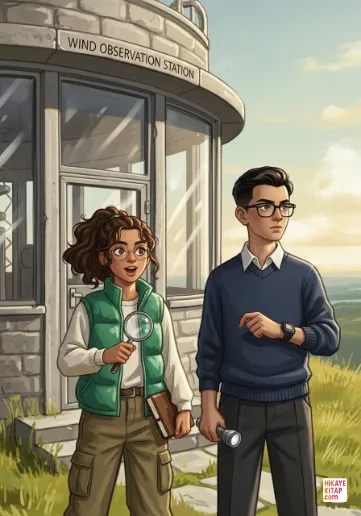
In an abandoned wind station, four friends find an unfinished weather log from 1984. They build their own anemometer ...
Arthur digs up a heavy, shiny black stone under the old oak tree. With help from his dad, Mark, and his teacher, Ms. ...
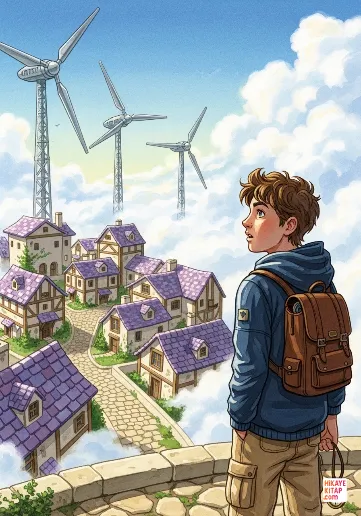
Twelve-year-old Oliver follows a silver path to Skyvale Village above the clouds, where the giant wind turbine that g...