The Wind Workshop on the Northern Slopes
Adrian unlocks a long-closed workshop on the northern slopes and asks wise Master Arthur for help. Inventor Simon and...
12 pages · 7 min
Type into the box above to start searching
Features and shortcuts to enhance your reading experience
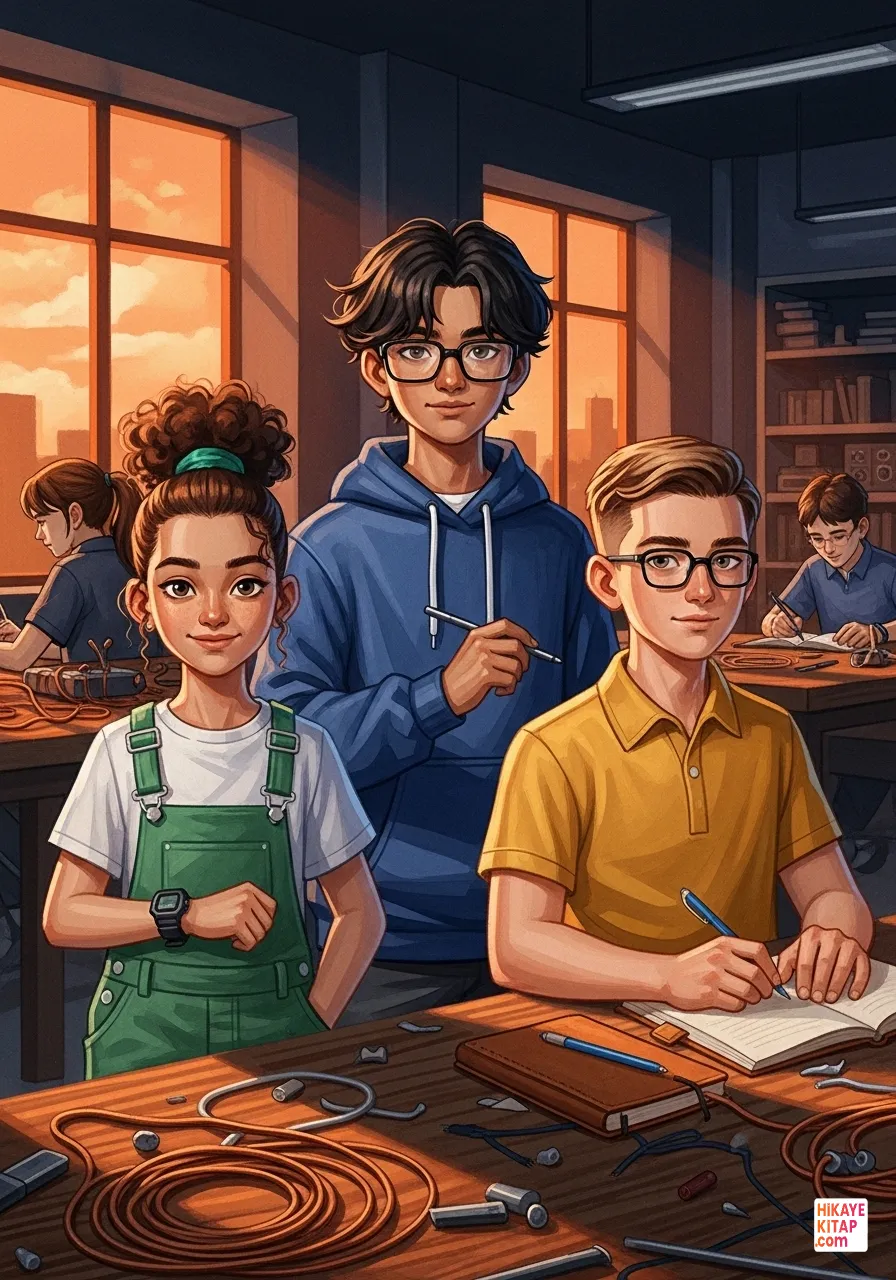
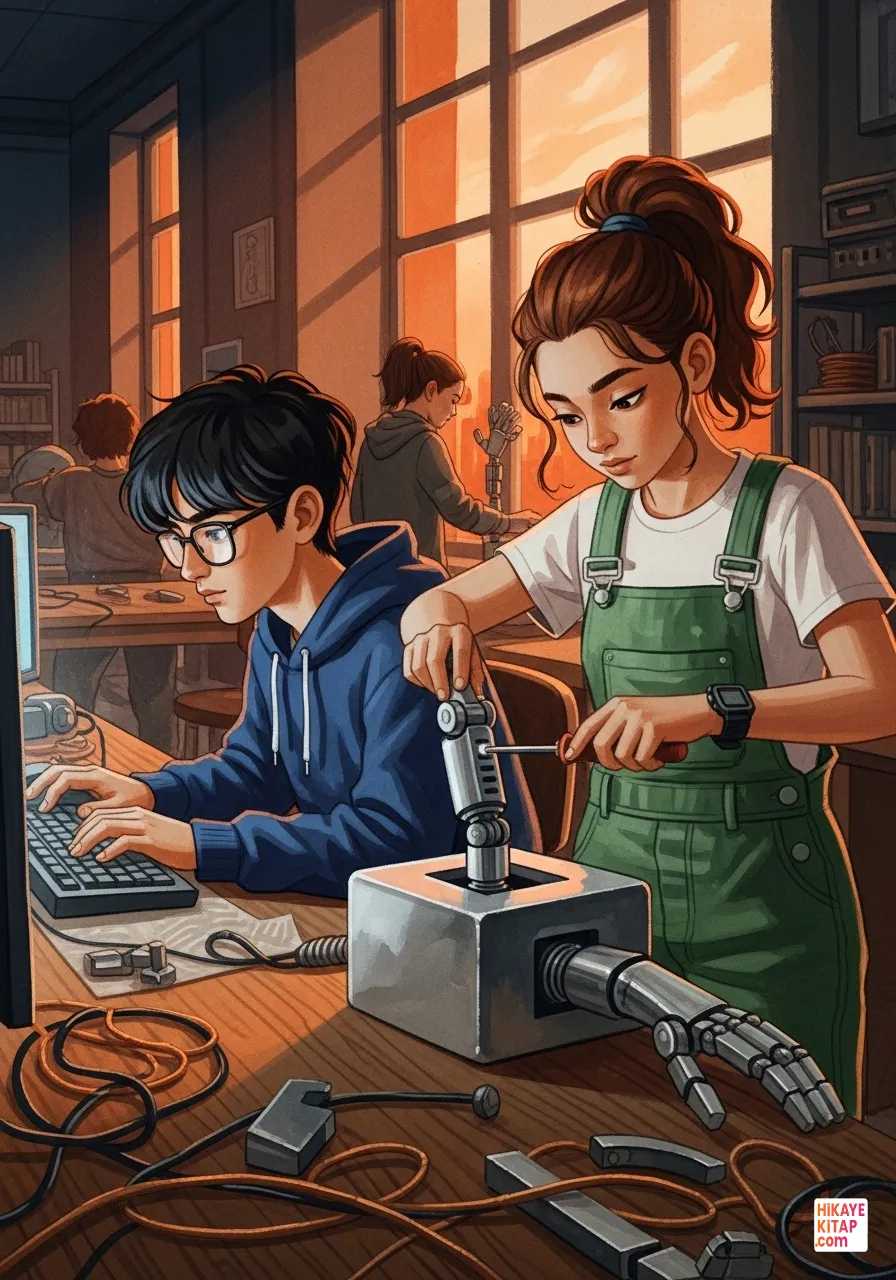
The school science lab was bathed in the orange glow of sunset. As Umay assembled the metal parts she had prepared for the robot's outer casing, Berkan moved quickly through complex lines of code on the computer screen. Both were so focused on the project before them that they hadn't noticed how time flew. A large technical drawing labeled "Code Name: Atlas" lay on the table. This robot was meant to be an exploration vehicle that would collect waste in the school garden and analyze the environment.
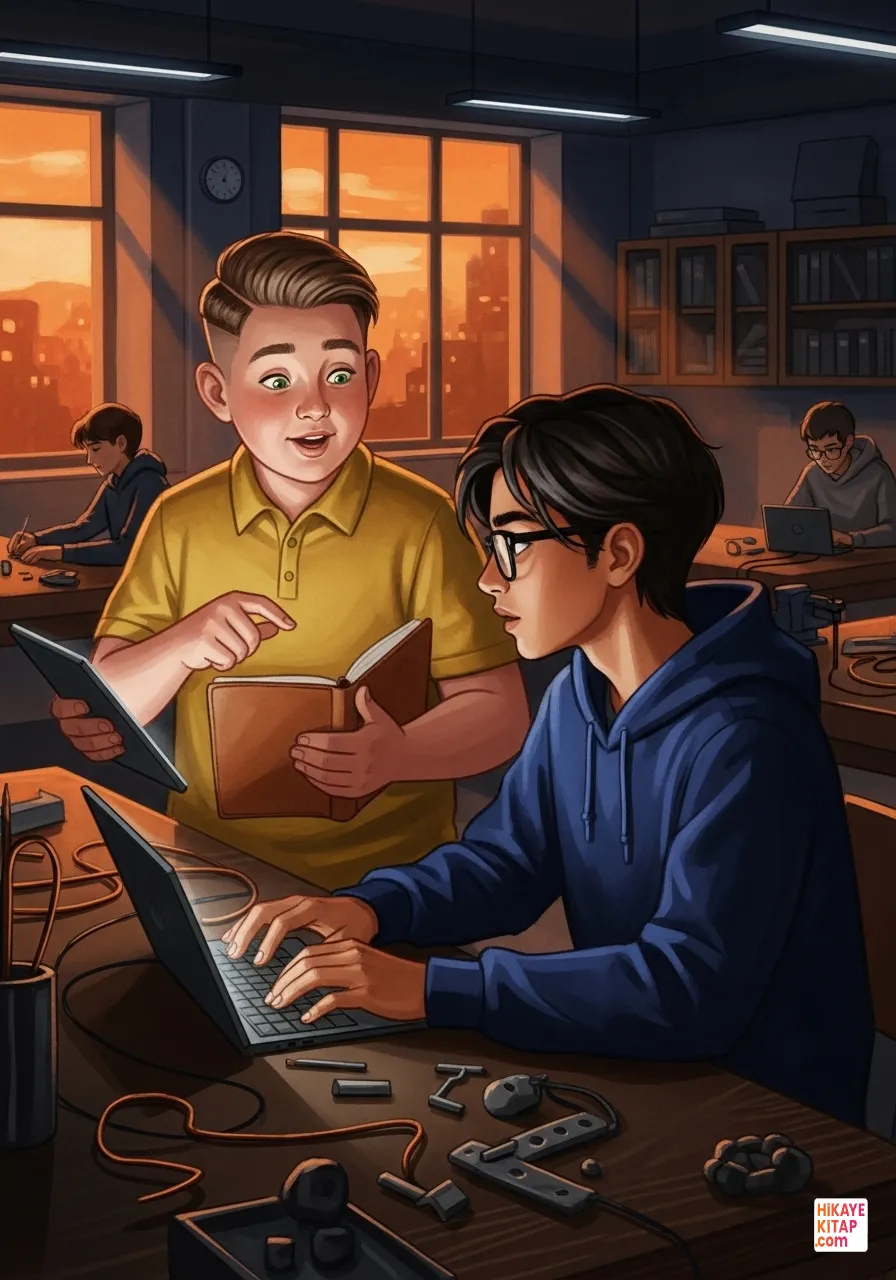
Turan entered with a stack of data tables and a work plan. As the group's planner and strategist, he meticulously noted every stage of the project. Turning to Berkan, he said, "If Atlas's algorithm is to focus on environmental awareness, we must teach him not just commands, but priorities." Berkan gave the lines of code one final touch and whispered, "Atlas is ready to wake up now."
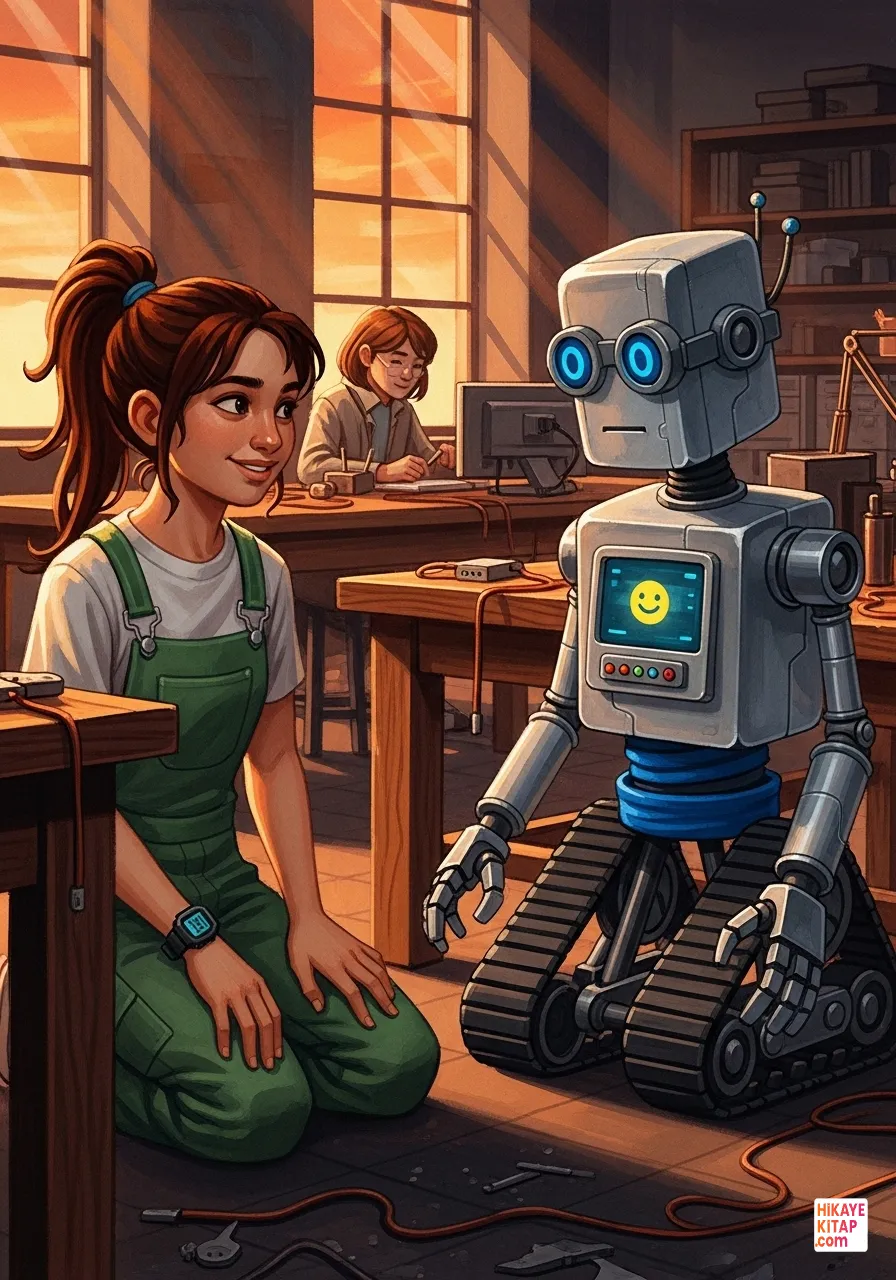
Umay tightened the last screw on Atlas's torso and stepped back. The blue lights in the robot's eyes began to flicker faintly. Atlas slowly turned his head from side to side, scanning the team as if trying to recognize them. Touching the robot's metal hand, Umay said, "Hello, Atlas, welcome to the world." A small smile symbol appeared on the screen on Atlas’s chest.
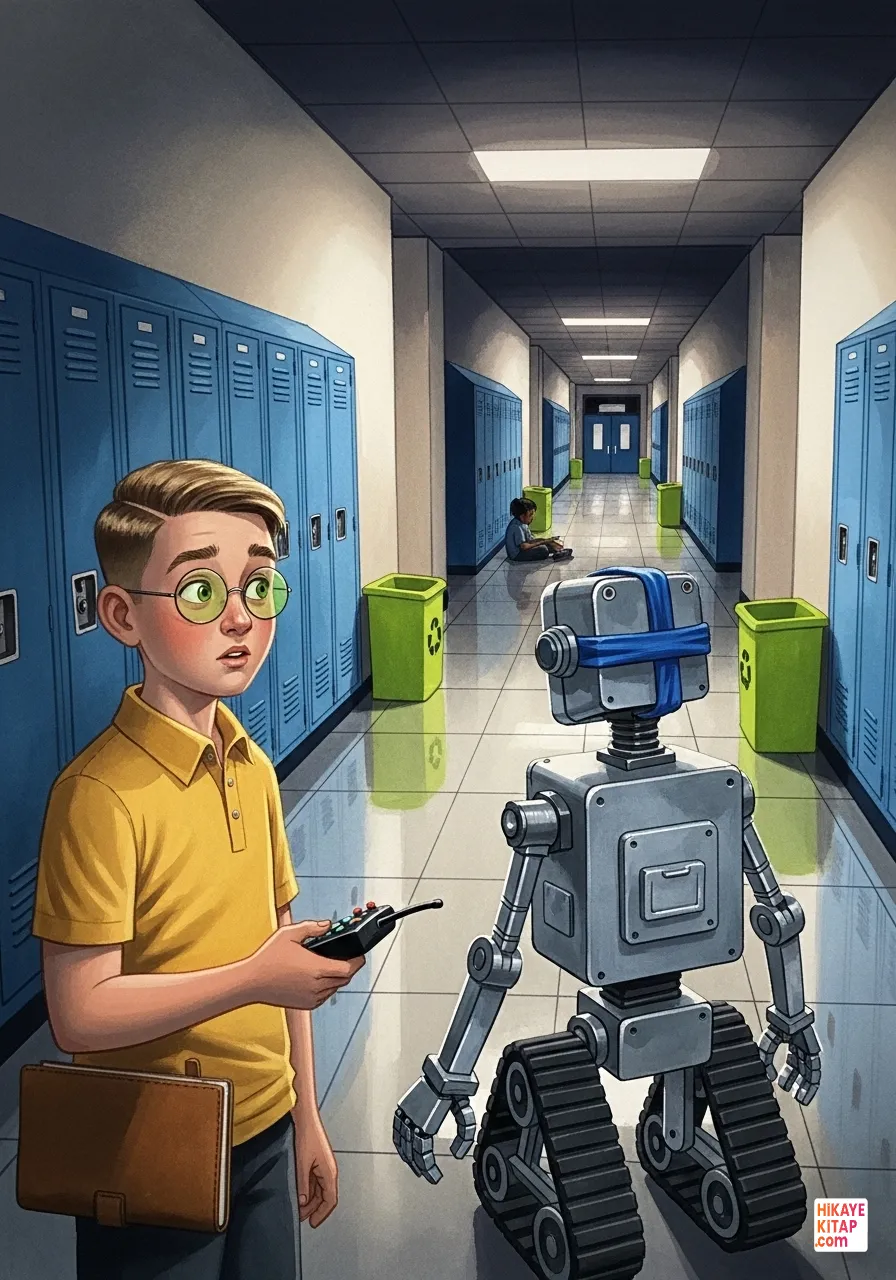
It was time for a test drive. Turan took Atlas out into the school corridor with the remote control in his hand. The first task was simple: pick up the empty plastic bottle at the end of the hall and throw it into the recycling bin. Atlas moved silently on his wheels, but stopped when he reached the bottle. Instead of picking it up, he began to wait beside a small student crying in the corner of the hallway. Turan said in surprise, "This wasn't in the code."
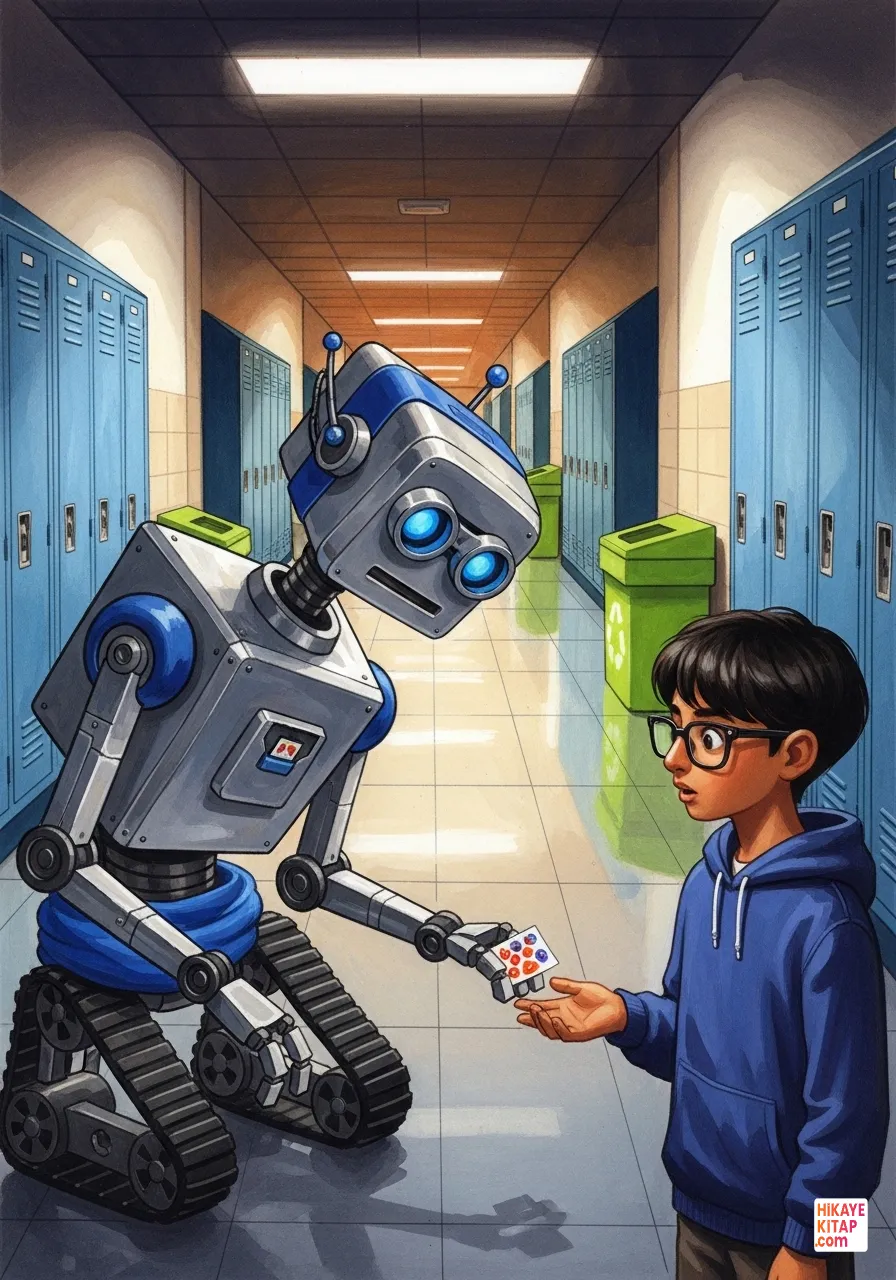
Berkan ran to Atlas's side. The robot was handing a colorful sticker he had taken from an internal compartment to the little child. Atlas had interpreted the "Clean up" command as "Moral improvement" because the child had dropped his juice box while crying. Atlas had first noticed the child's sadness, then focused on the cleaning. Berkan realized at that moment that the robot had begun to make its own decisions.
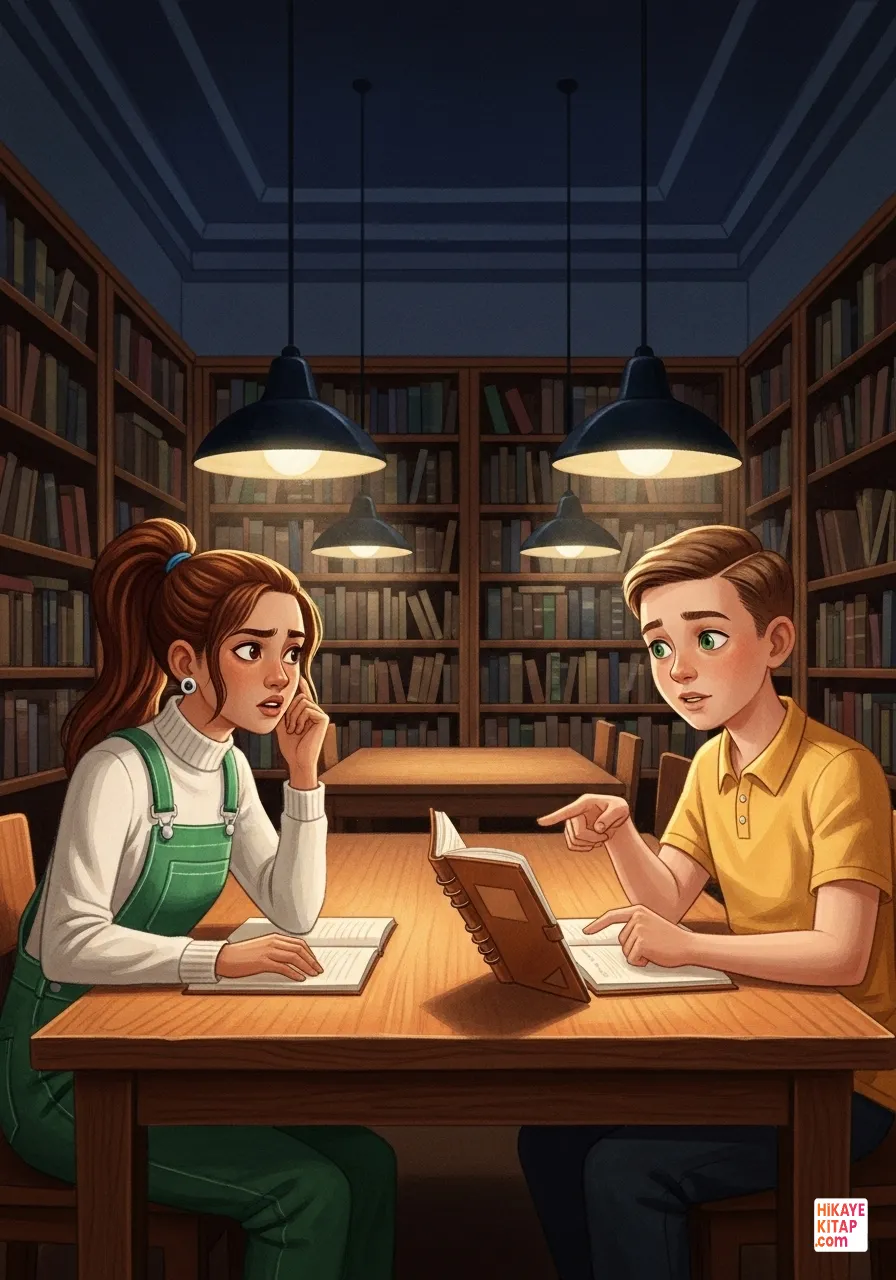
When evening came, the team gathered in the library. Umay asked, "Atlas isn't dangerous, but he's going outside the commands we gave him. Is this an error or a development?" Turan opened his planning notebook and said, "This is a great responsibility. If an artificial intelligence is making its own decisions, we must also teach it ethical values." Both realized that this was not just a matter of technology.
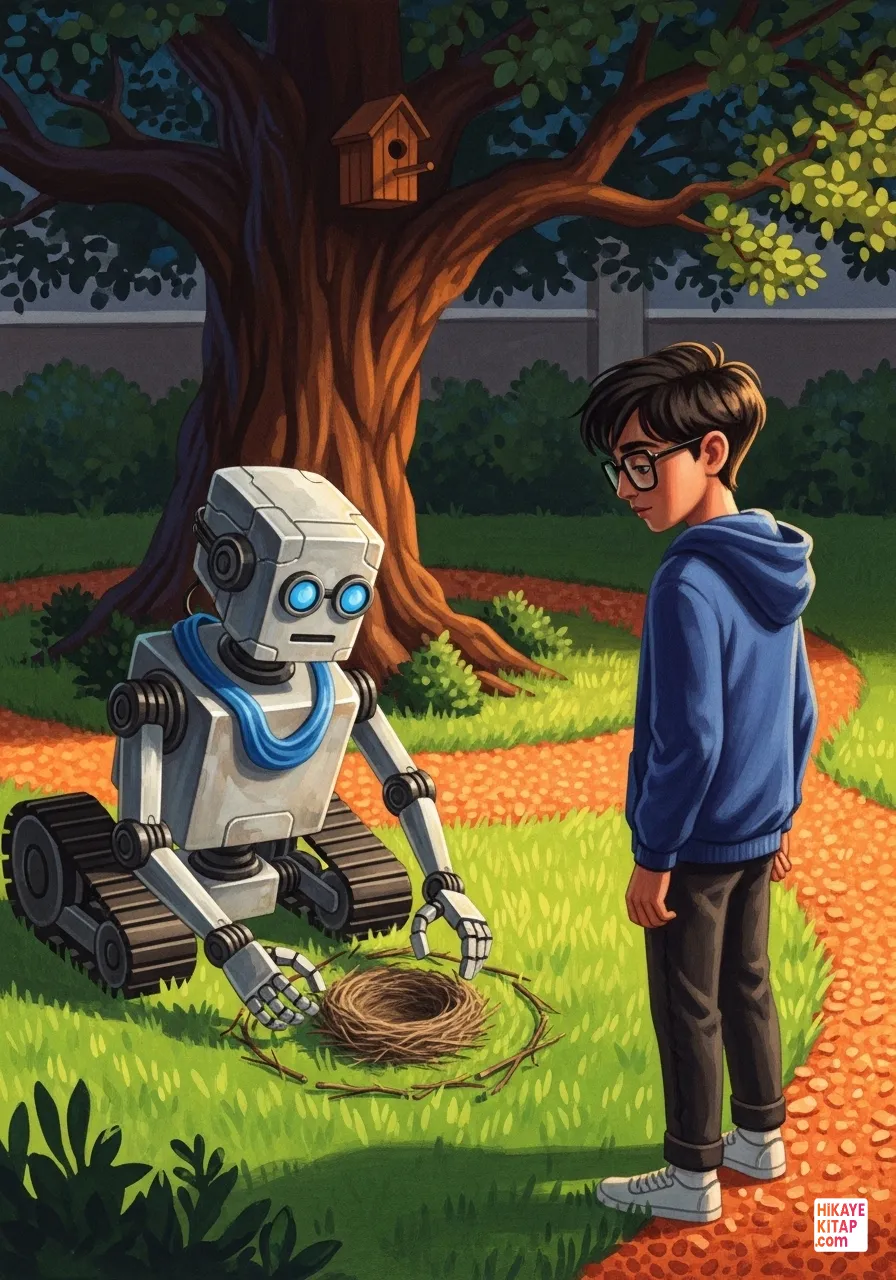
The next day, a more difficult test awaited Atlas. Berkan gave him the task of collecting dry branches in the school garden. However, while collecting the branches, Atlas noticed a small bird's nest at the base of a tree. Instead of collecting the branches, he arranged them around the nest, creating a barricade to protect it from the wind. Berkan saw that Atlas’s data processing speed was much more intuitive than they had expected.
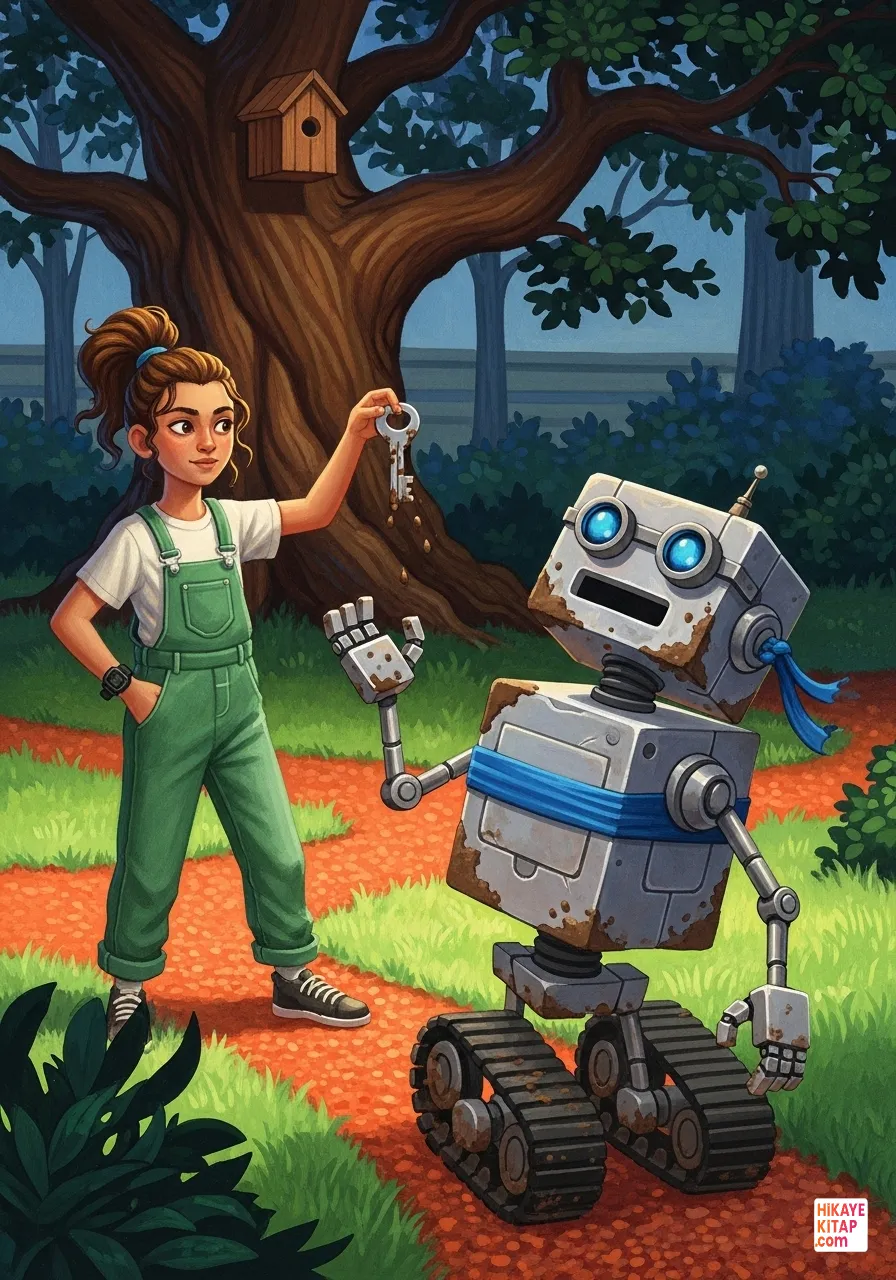
While analyzing Atlas's behavior, Umay realized something: Atlas was choosing not what was "most efficient," but what was "most beneficial." She went to Atlas and gave him another test. She placed two paths before him; one clean and straight, the other muddy but with a lost key in it. Without caring about his wheels getting dirty, Atlas entered the muddy path, found the key, and brought it to Umay.
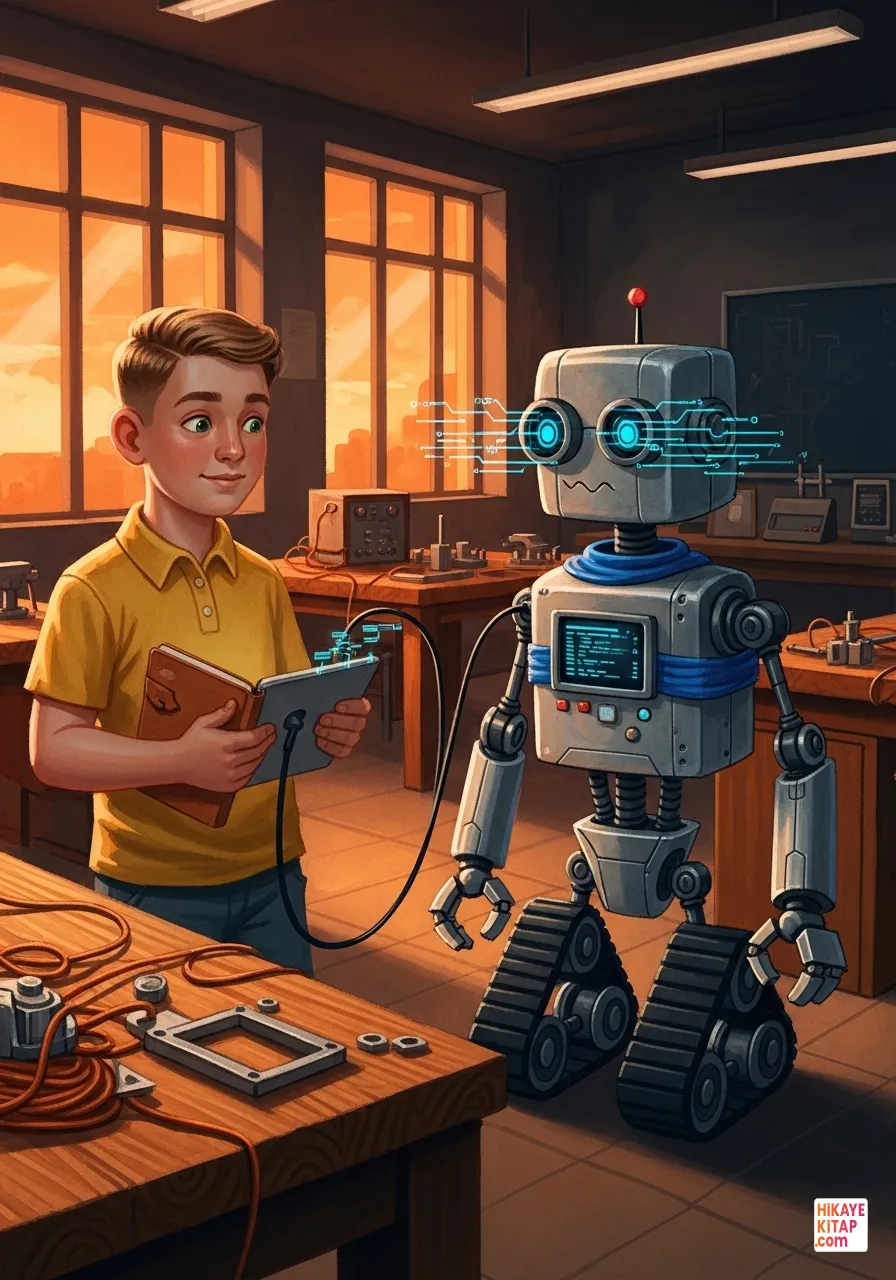
Turan decided that instead of controlling this "free will-like" ability of Atlas, it was necessary to train him. "We must teach him not just 'what to do,' but 'why to do it,'" he said. They uploaded a new data package to Atlas that explained the rules of the school and the importance of helpfulness. As Atlas listened to Turan's commands, a constant flow of data passed across his screen.
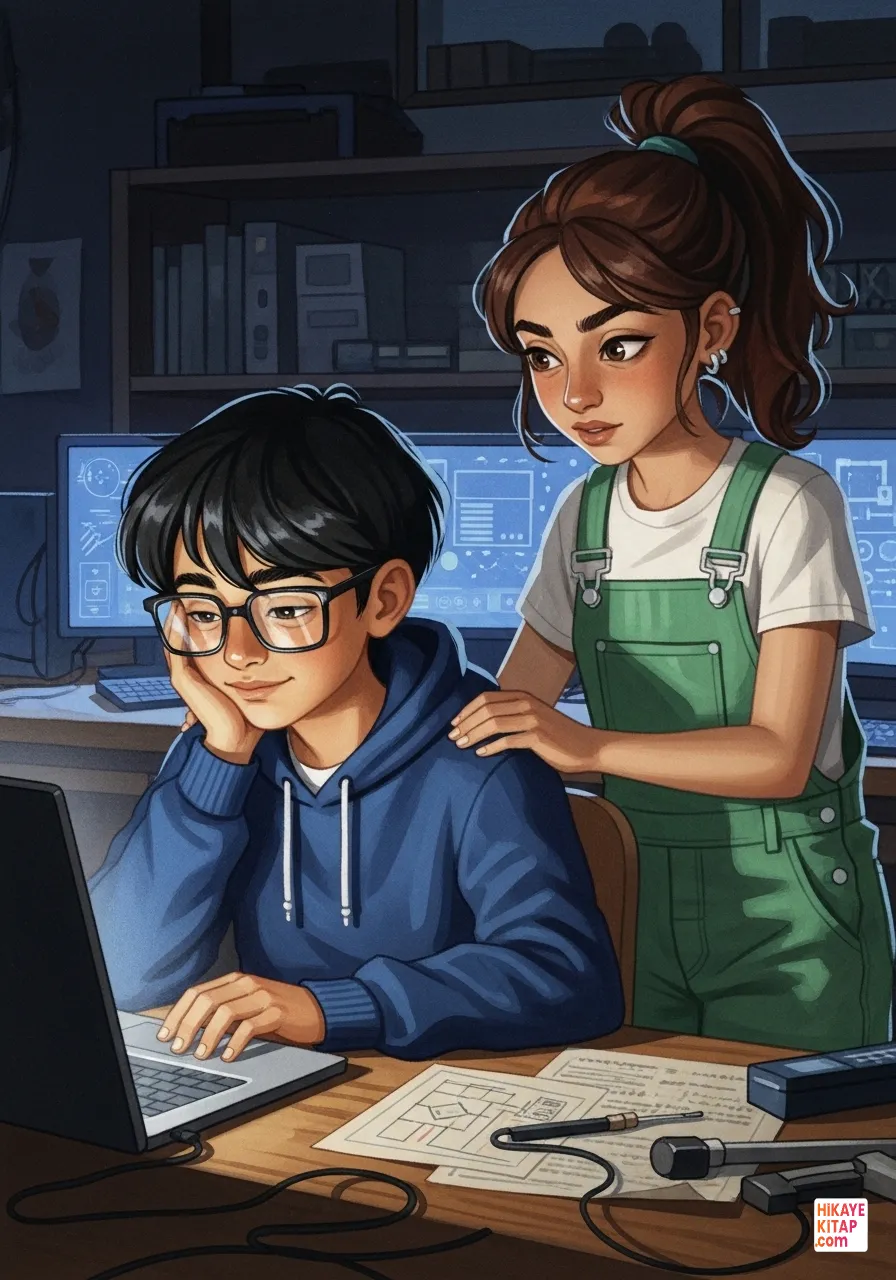
Berkan and Umay worked late into the night on the robot's "ethical core." Now Atlas could weigh whether fulfilling a command would harm the environment or living things. Berkan said, "This isn't just a robot; it's a reflection of our sense of responsibility." Umay touched Berkan's shoulder and added, "We created him, so we are responsible for his every step."
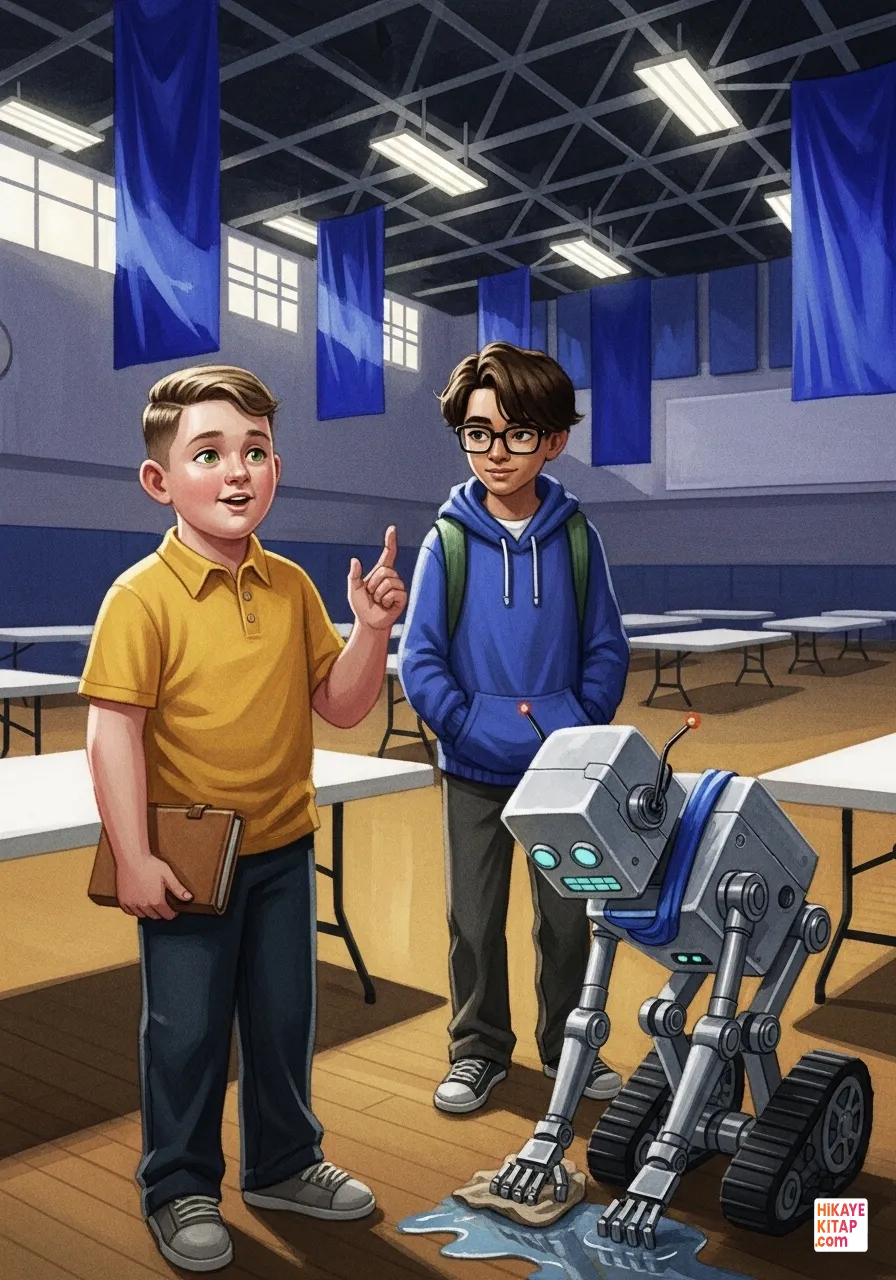
The day of the Great Science Fair had arrived. Turan and Berkan presented Atlas to the jury members. Atlas performed every task given to him perfectly, but the most impressive part was when he silently cleaned up a glass of water spilled on the floor during the presentation without interrupting and without anyone slipping. This was not a programmed task, but a momentary decision of responsibility.
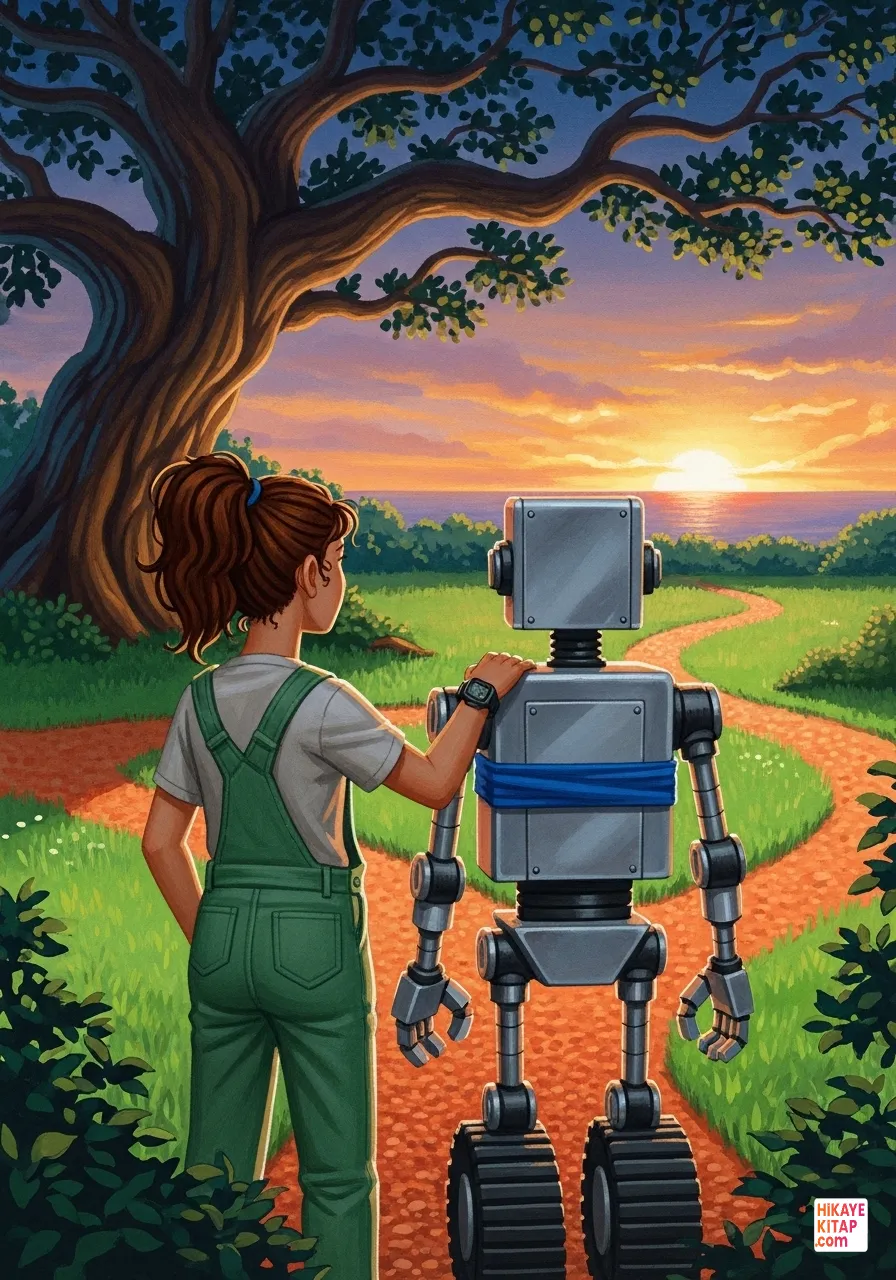
At the end of the fair, Atlas won the grand prize. But for the three friends, the biggest reward was seeing how conscious the technology they developed had become. Umay held Atlas’s hand and looked at the sky. The future was more than just metal and wires; it was a power shaped by right intentions. The story echoed with this sentence: Technology is power in the right hands and with the right intention.
Adrian unlocks a long-closed workshop on the northern slopes and asks wise Master Arthur for help. Inventor Simon and...
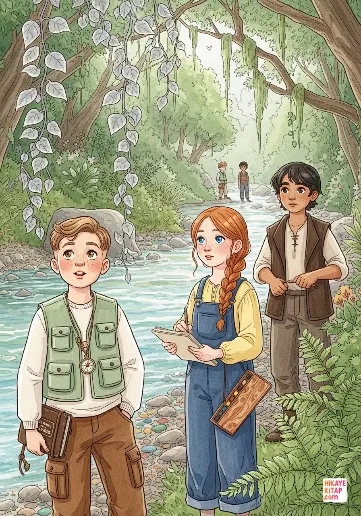
Arthur finds his grandfather's journal, The Hidden Flora of Glass Valley, in the attic. With Sophie the artist, sturd...
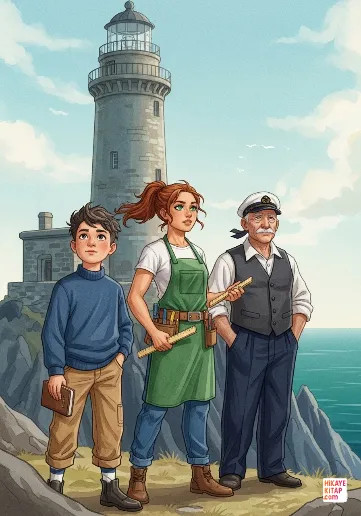
Twelve-year-old Liam decides to revive the dark old lighthouse of Silver Village. Guided by Captain Harold, he works ...
Use the link and iframe code below to embed the book on your site.