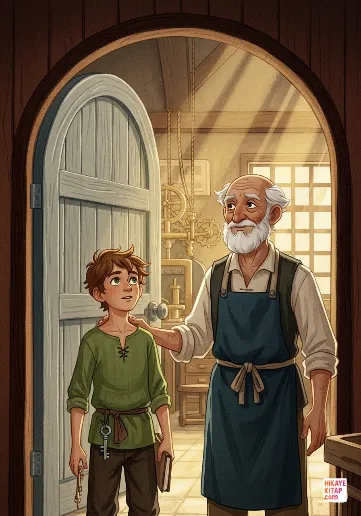
The Wind Workshop on the Northern Slopes
Adrian unlocks a long-closed workshop on the northern slopes and asks wise Master Arthur for help. Inventor Simon and...
12 pages · 7 min
Type into the box above to start searching
Features and shortcuts to enhance your reading experience
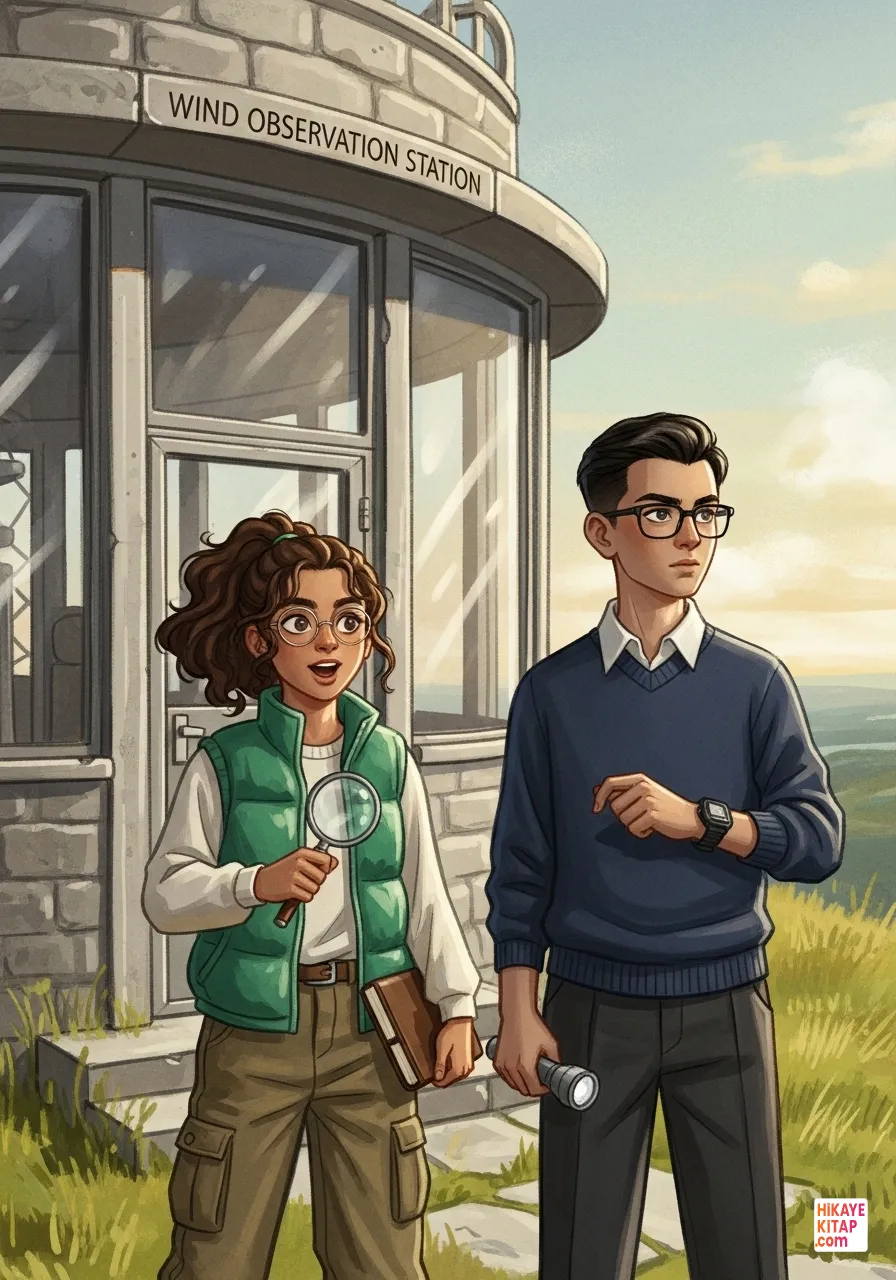
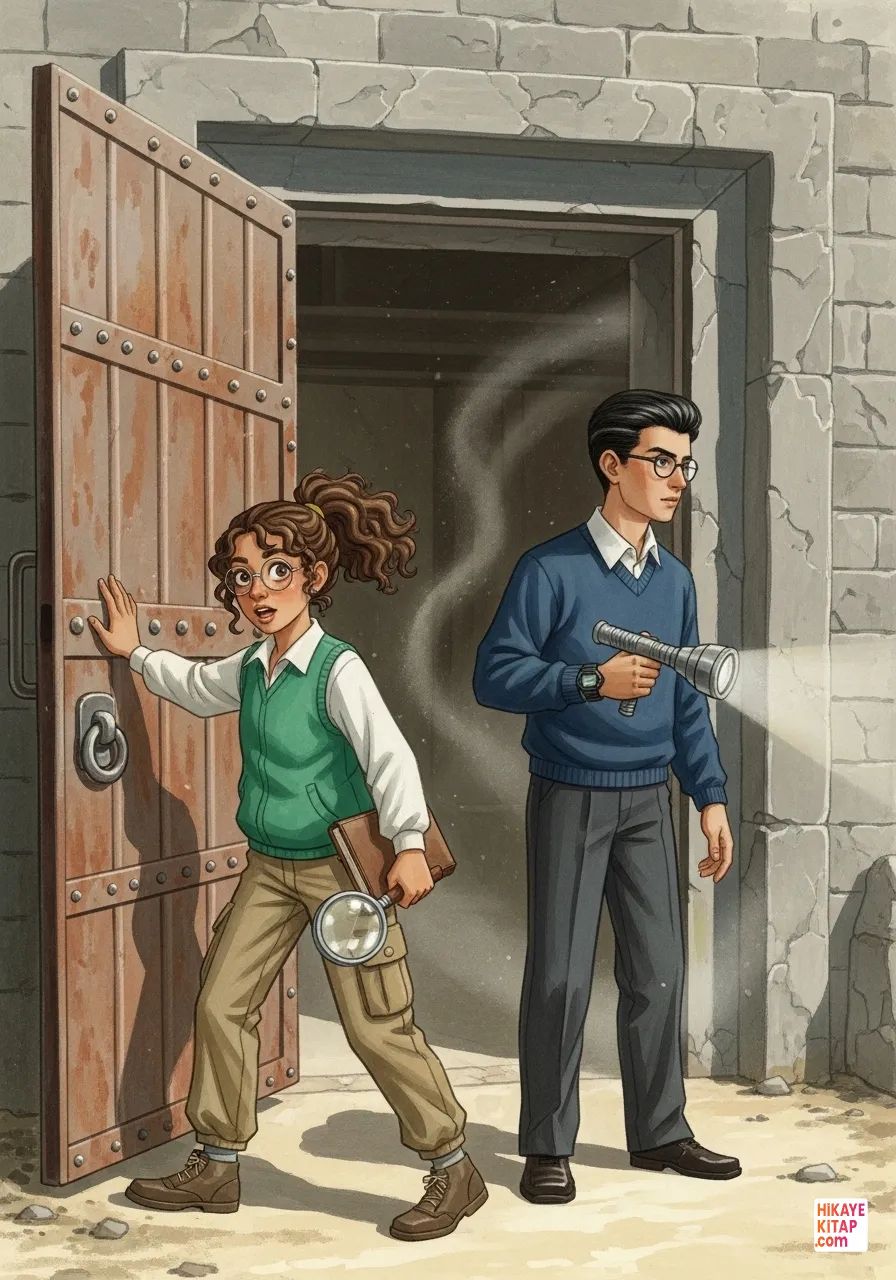
The old wind observation station stood tall on the hill, silent for decades. Alice pushed against the heavy, rusted iron door, her heart racing with excitement. Beside her, Ben clicked on his flashlight, its beam cutting through the thick, swirling dust inside the stone tower. The air smelled of old paper and adventures waiting to be found. It feels like a giant waiting to wake up, Alice whispered, clutching her stopwatch tightly.
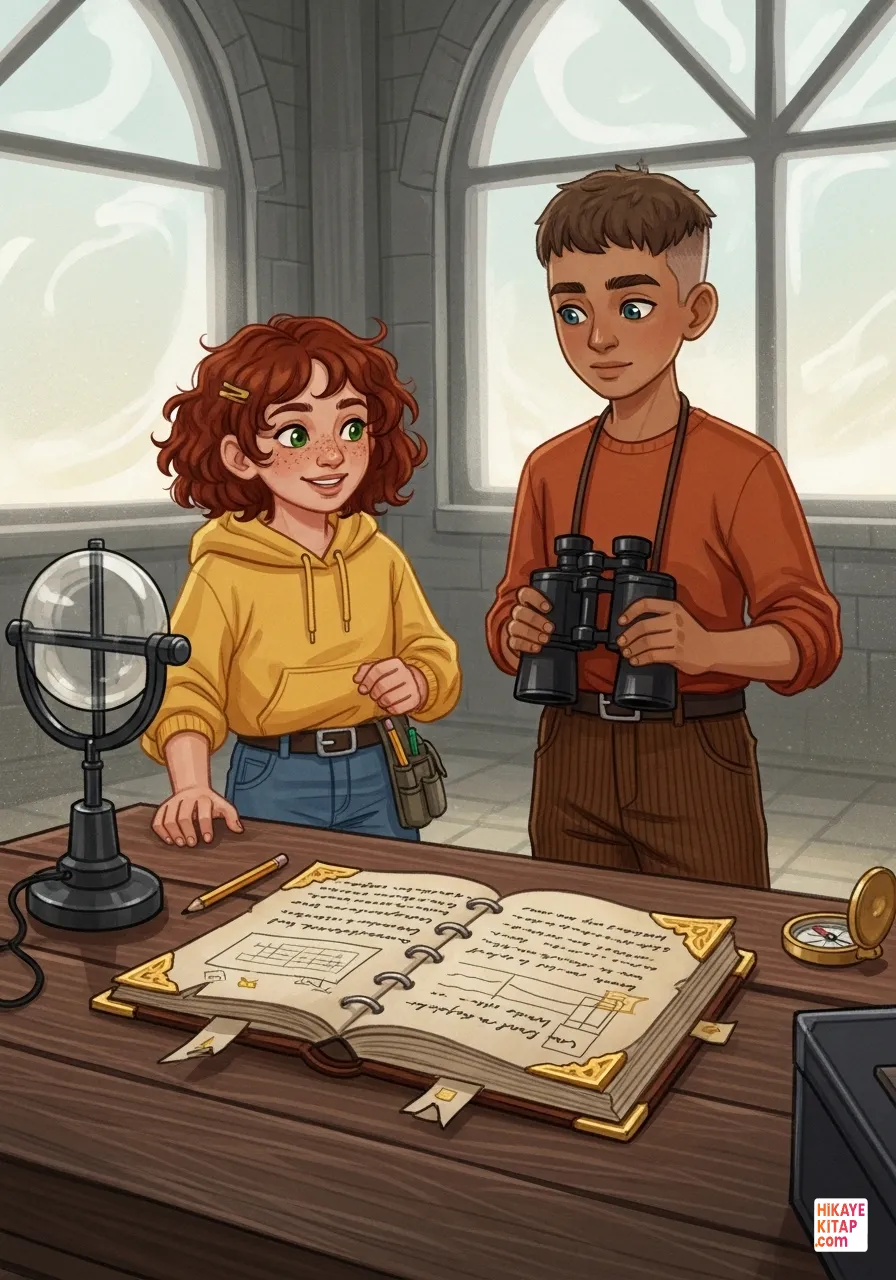
In the center of the room sat a heavy oak table, layered with years of fine dust. Resting right in the middle was a thick, leather-bound notebook that seemed to pulse with untapped secrets. Alice and Ben stepped closer, their shadows stretching long across the floor in the flashlight's glow. On the cover, the words Weather Observation Records - 1984 shimmered in faded gold letters. It was as if the station had been waiting for someone to find it.
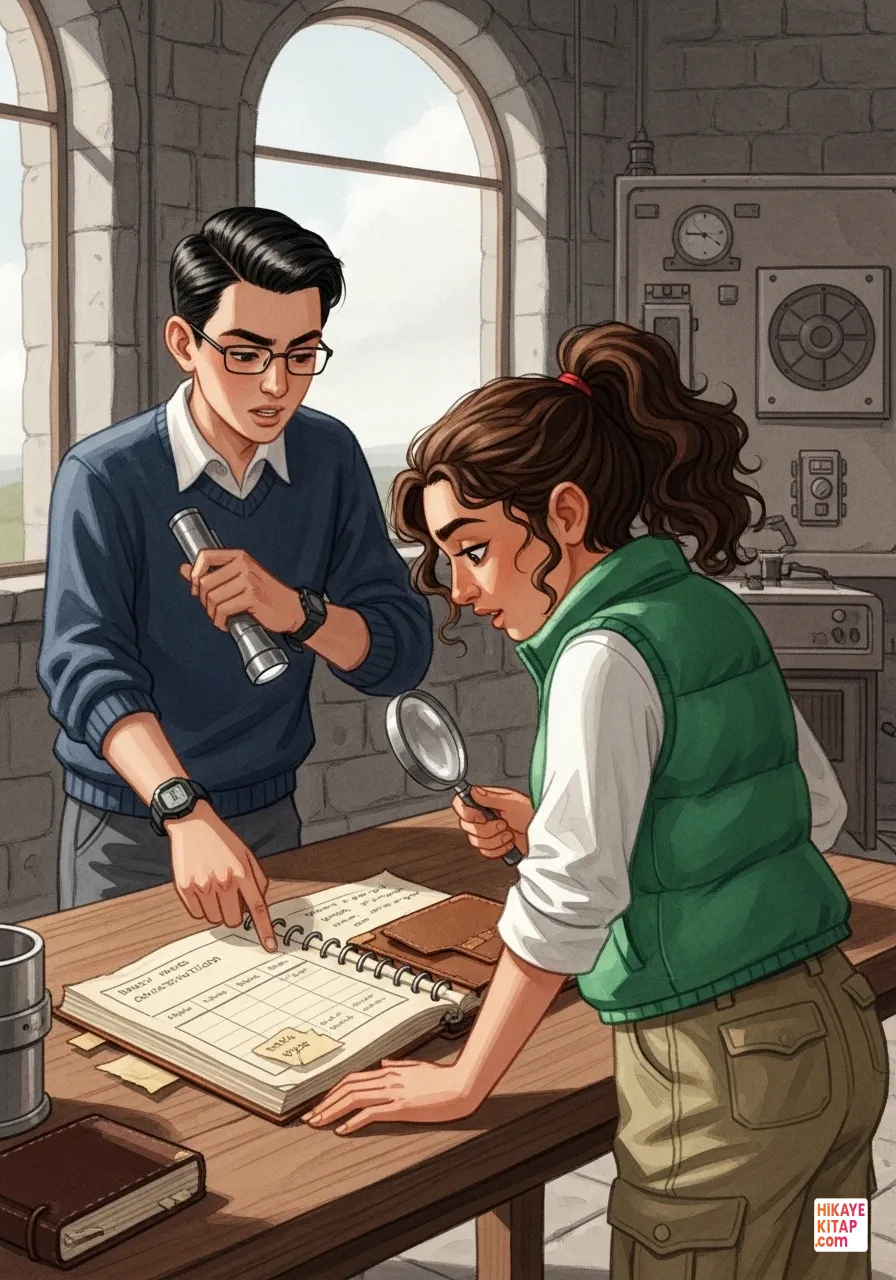
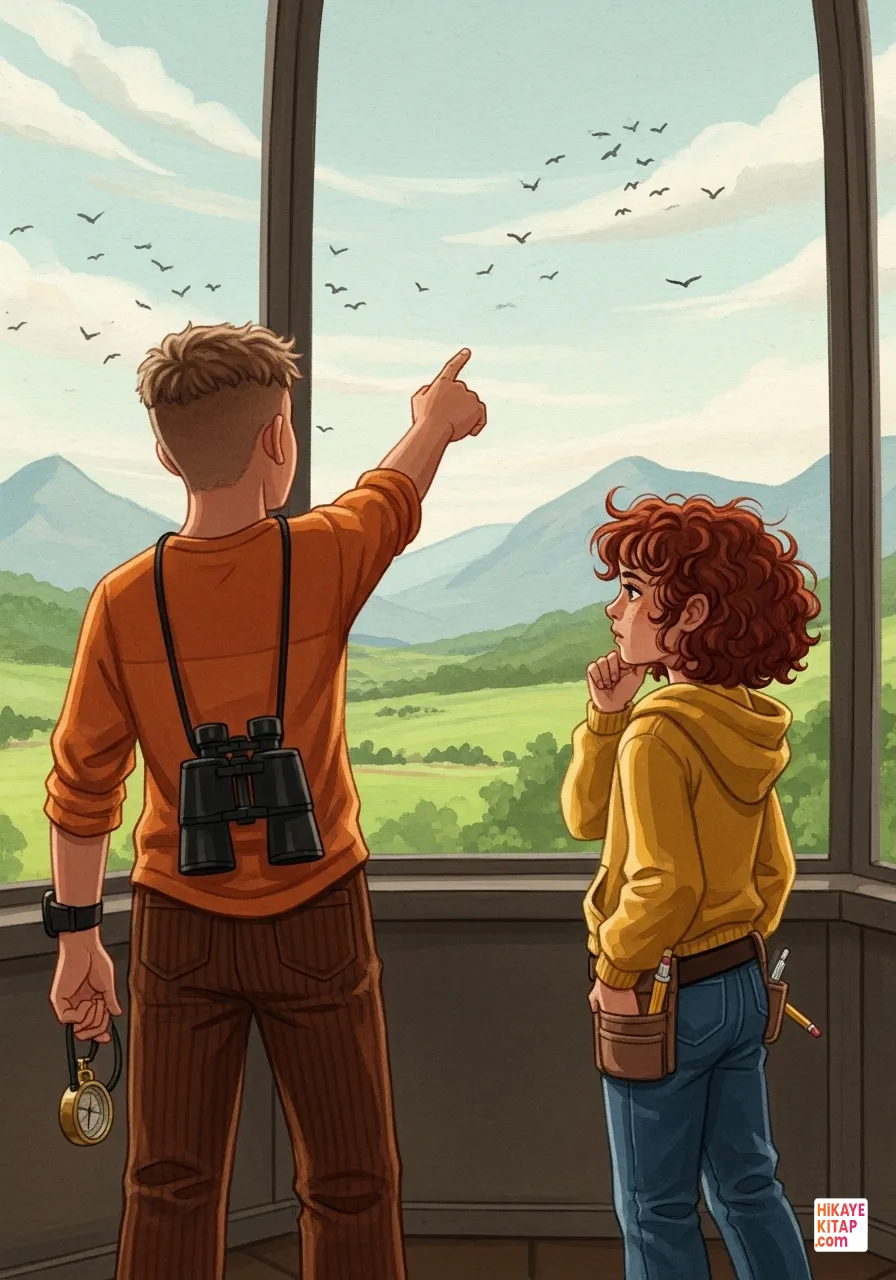
Just then, Daisy and Caleb slipped into the room, completing their team. Daisy’s eyes widened as she took in the dusty shelves and old maps, her creative mind already seeing a workshop where others saw ruins. Caleb, quiet and steady, moved to one of the large windows. He watched the trees outside bending in the breeze, his hands tucked into his pockets. The wind tells a story, he said softly, we just need to learn how to read it.
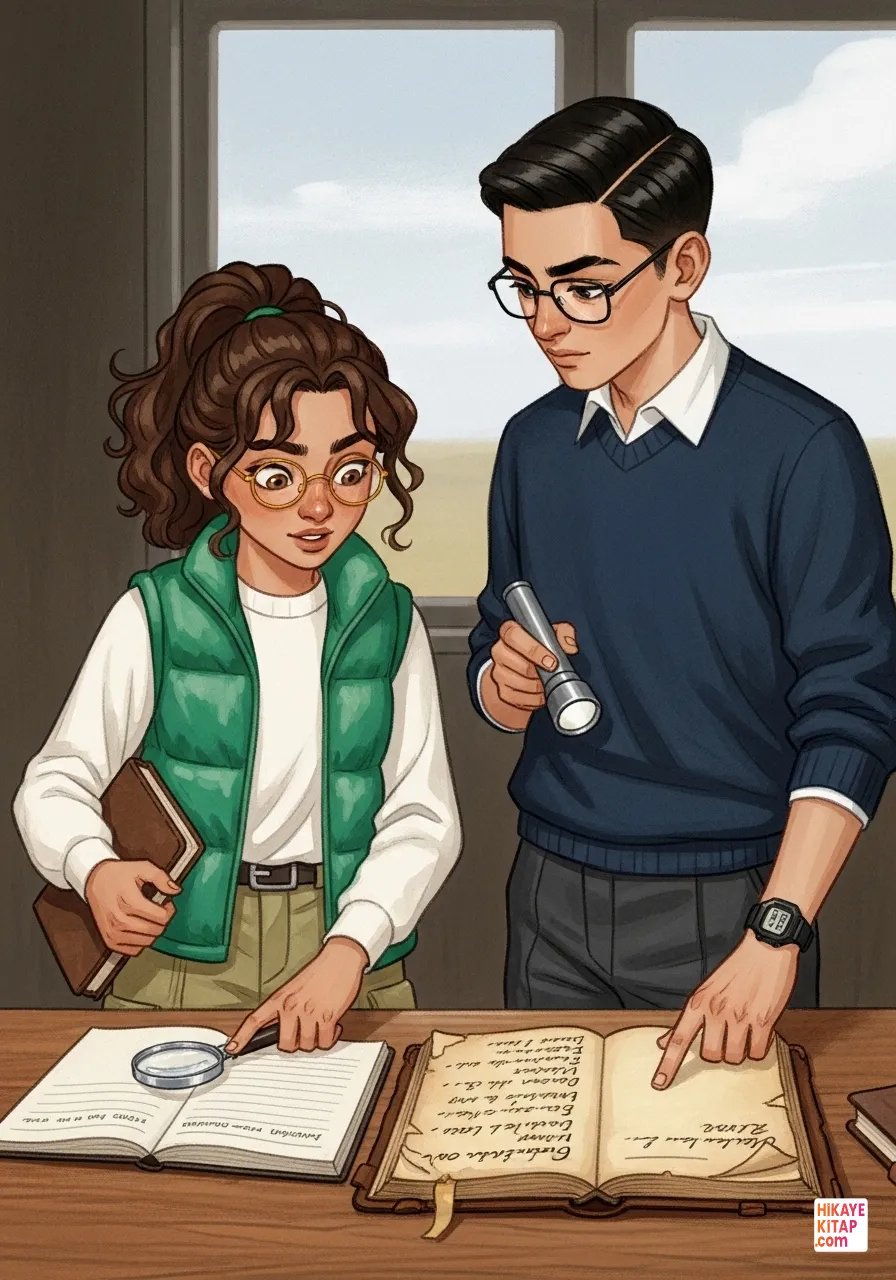
Ben carefully opened the notebook, the pages crackling with age. He scanned the neat columns of numbers with an analytical eye, his glasses reflecting the light. Look at this, he said, pointing to a sudden gap in the writing. The records stop exactly twenty years ago. The last data for wind direction and speed was never entered. Alice leaned in, her brow furrowed. It’s not just a missing page, she realized. This is when the climate in our town started to feel different.
Caleb broke the silence, sharing his own observations from his long walks in the woods. The birds are nesting differently along the valley floor, he explained to Alice. Could the wind be the reason? Together, they formed a hypothesis. If new buildings in the upper town were blocking the natural airflow, the wind speed inside the valley would drop. To prove it, they wouldn't just need ideas—they would need hard data.
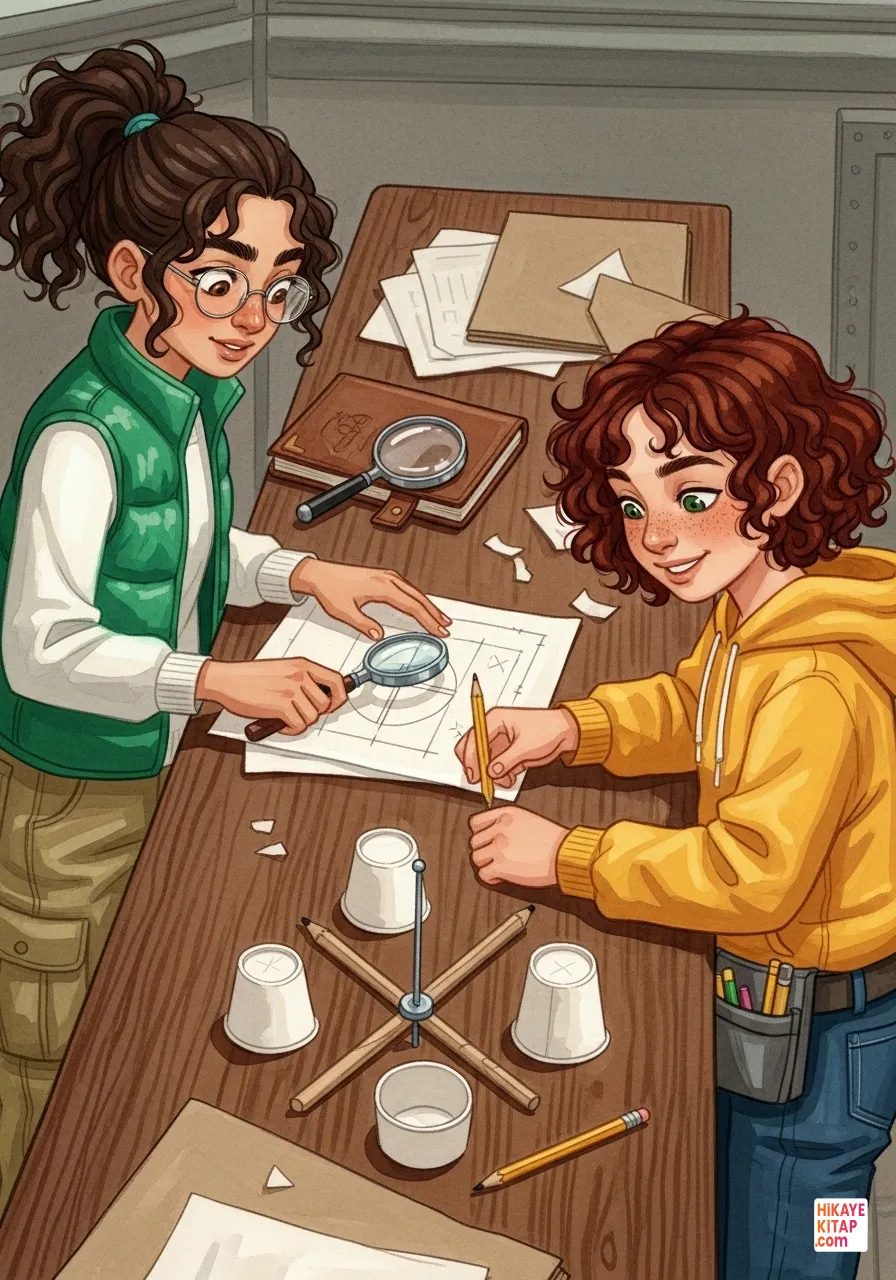
Daisy immediately gathered supplies to solve the problem. If we don't have high-tech sensors, we'll build our own! she declared. She spread paper cups, pencils, and pins across the oak table. Alice joined her, helping to calculate the perfect angles for the paper wings. They worked with precision, building an anemometer to catch every breath of air. Daisy’s workspace was a happy mess of creativity and science.
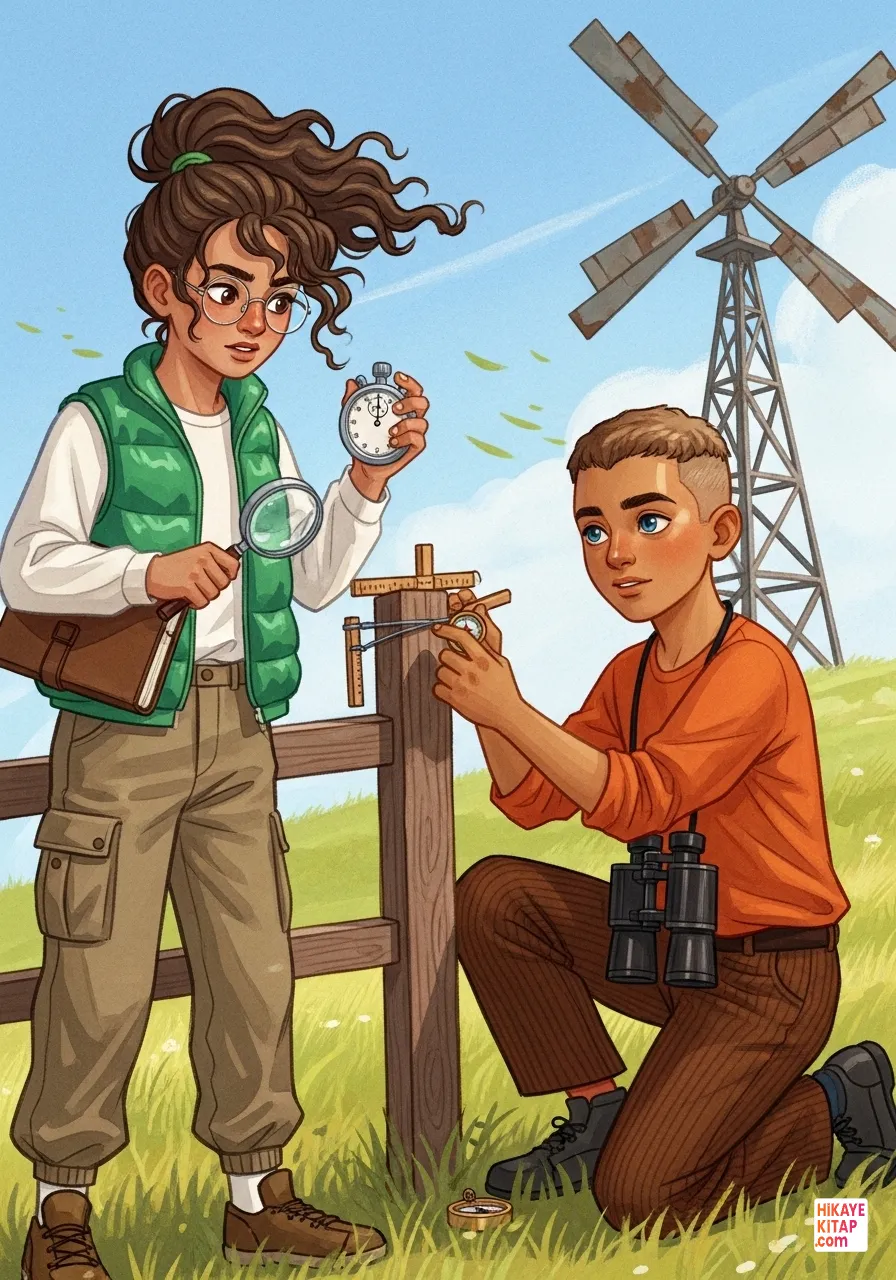
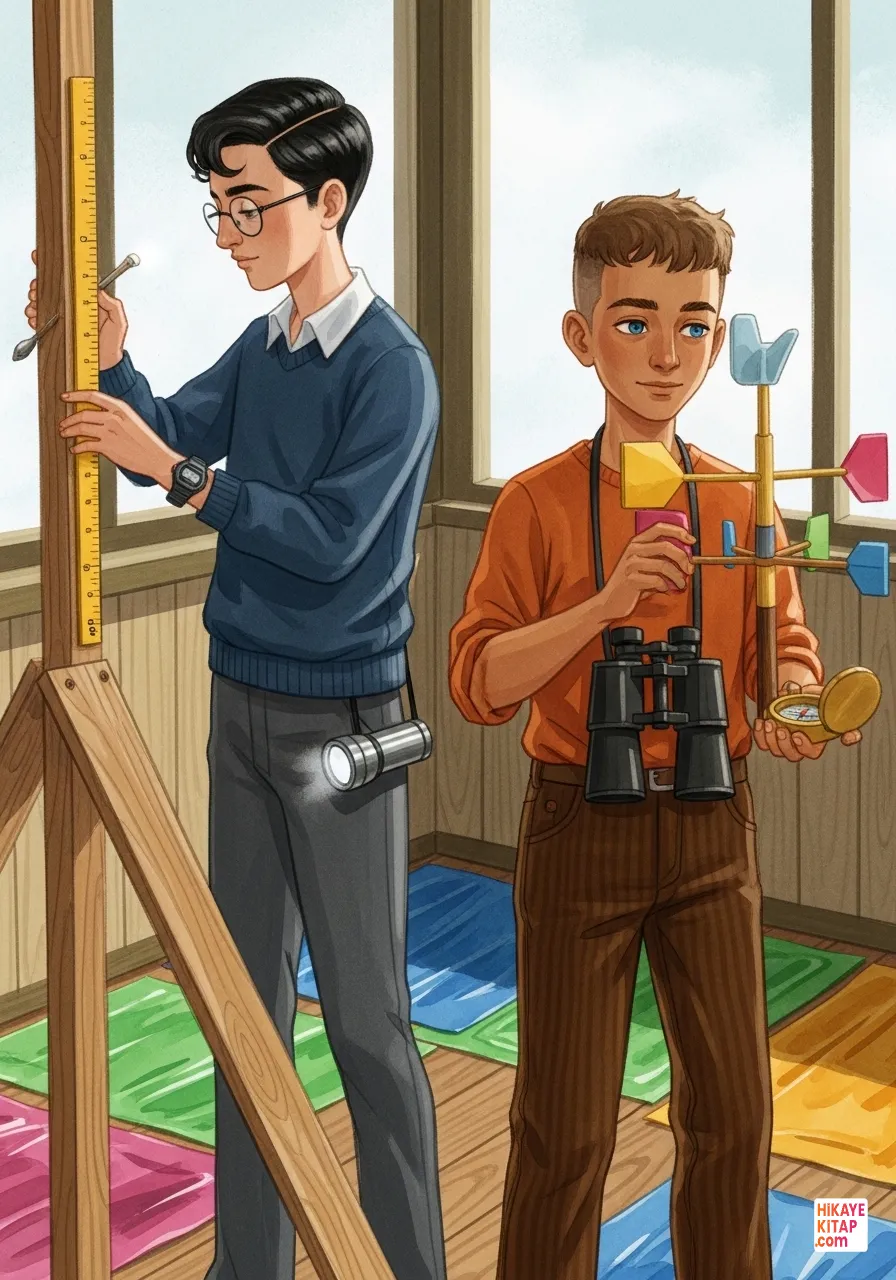
On the other side of the workshop, Ben and Caleb were focused on the wind's direction. Ben used a ruler for millimetric accuracy, ensuring their handmade wind vane would turn with even the slightest nudge. Caleb tested the strength of the wood and glue, his calm patience keeping the team grounded. Scientific observation takes time, Caleb reminded Ben. But when we’re done, the station will finally have its voice back.
The time finally came to test their inventions. Alice and Caleb climbed to the highest point on the hill, standing beneath the shadow of a rusted wind turbine. The air was crisp and wild, pulling at their clothes. When the wind caught Caleb’s handmade propeller, it began to whirl with surprising speed. Alice clicked her stopwatch, her face full of focus. The observation period starts... now, she announced.
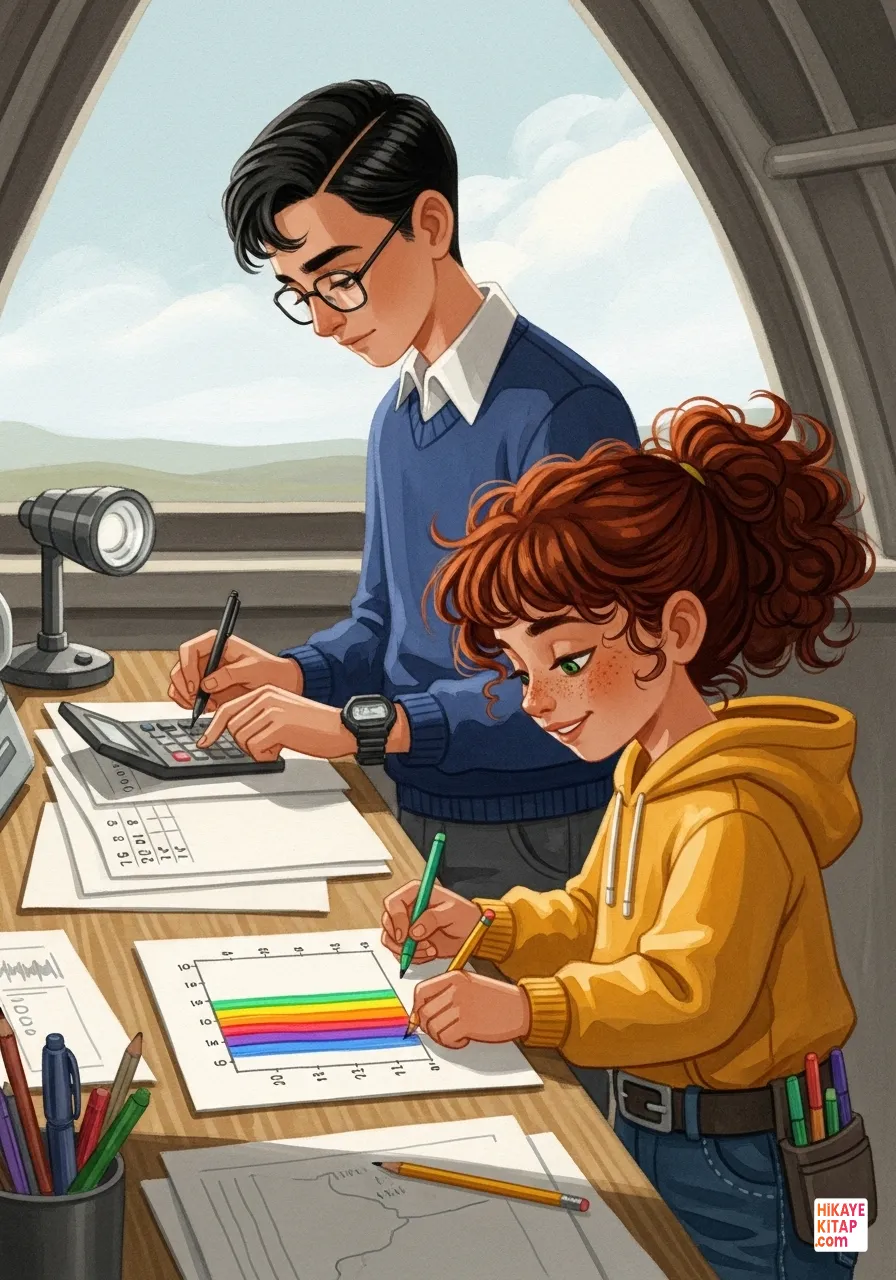
Days of careful data collection followed. Each evening, Daisy and Ben sat together in the warm glow of the station's lamps. Daisy translated the long lists of numbers into bright, colorful bar graphs on large sheets of paper. The pattern is clear, Daisy explained, pointing to a sharp dip in the lines. Every afternoon, the wind direction shifts, but the speed drops by forty percent because of the tall buildings in the valley.
But the buildings weren't the only mystery they uncovered. Alice and Ben compared their new charts to the old 1984 notebook. They noticed that the wind patterns also changed where the northern forests used to be. It's a chain reaction, Alice noted, tracing a finger over a map of the town. When the trees were cut down, the wind lost its guide. They realized that the town's climate was a delicate balance of both nature and construction.
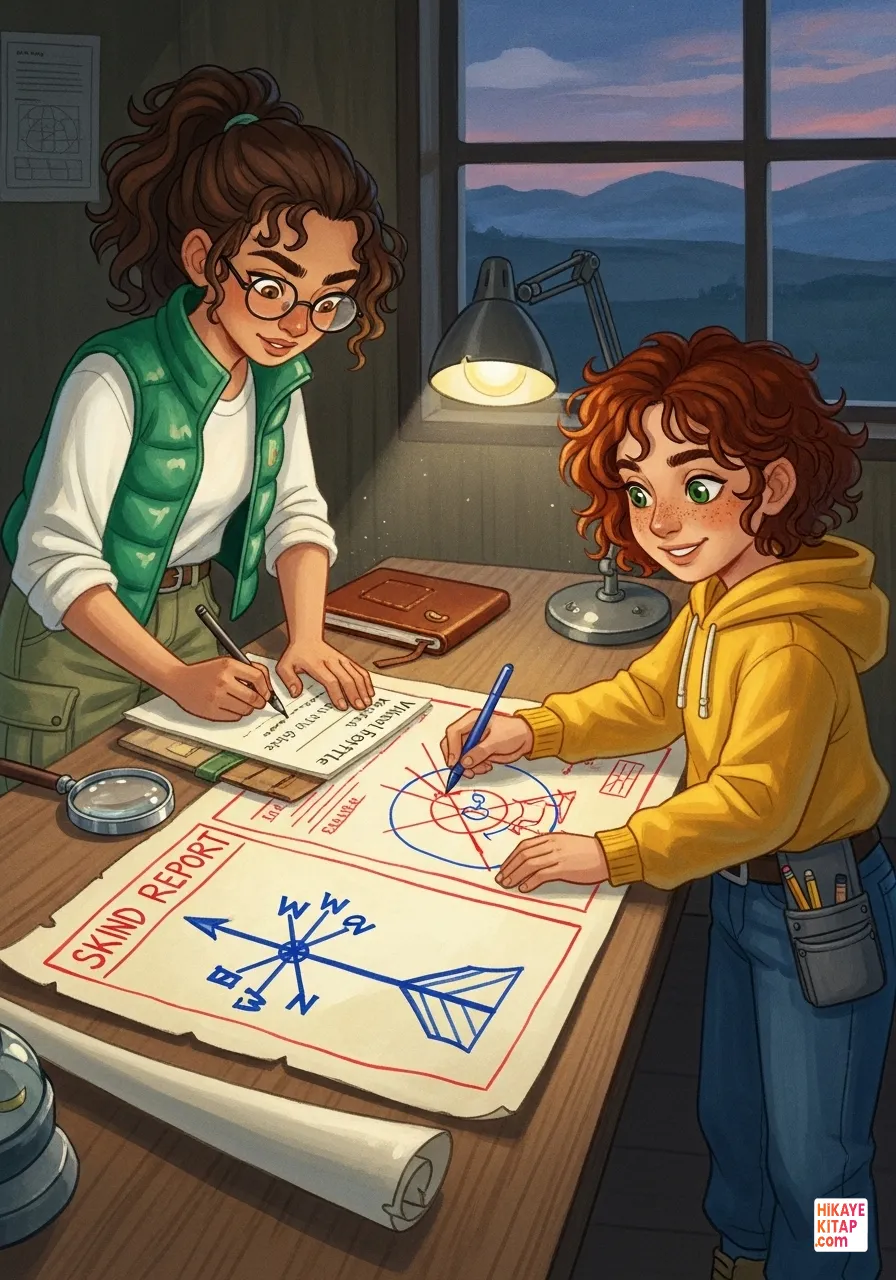
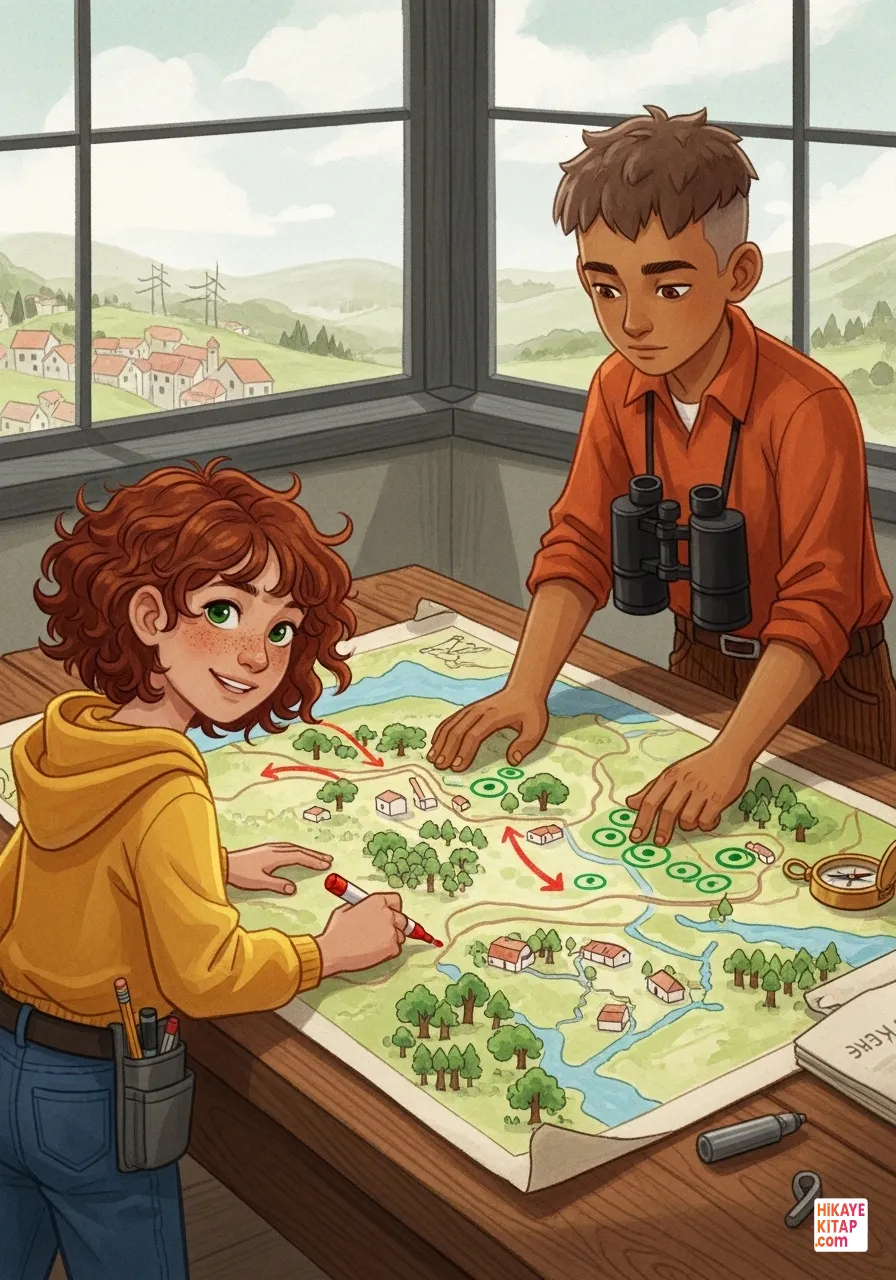
Daisy and Caleb laid out a large map on the table to plan their solution. They used red pencils to draw the wind’s invisible path through the valley. If we plant trees here as windbreaks, Daisy suggested, pointing to the open ridges, the airflow will stabilize. Caleb nodded, marking the spots where the birds would likely return. They weren't just students anymore; they were problem-solvers taking responsibility for their home.
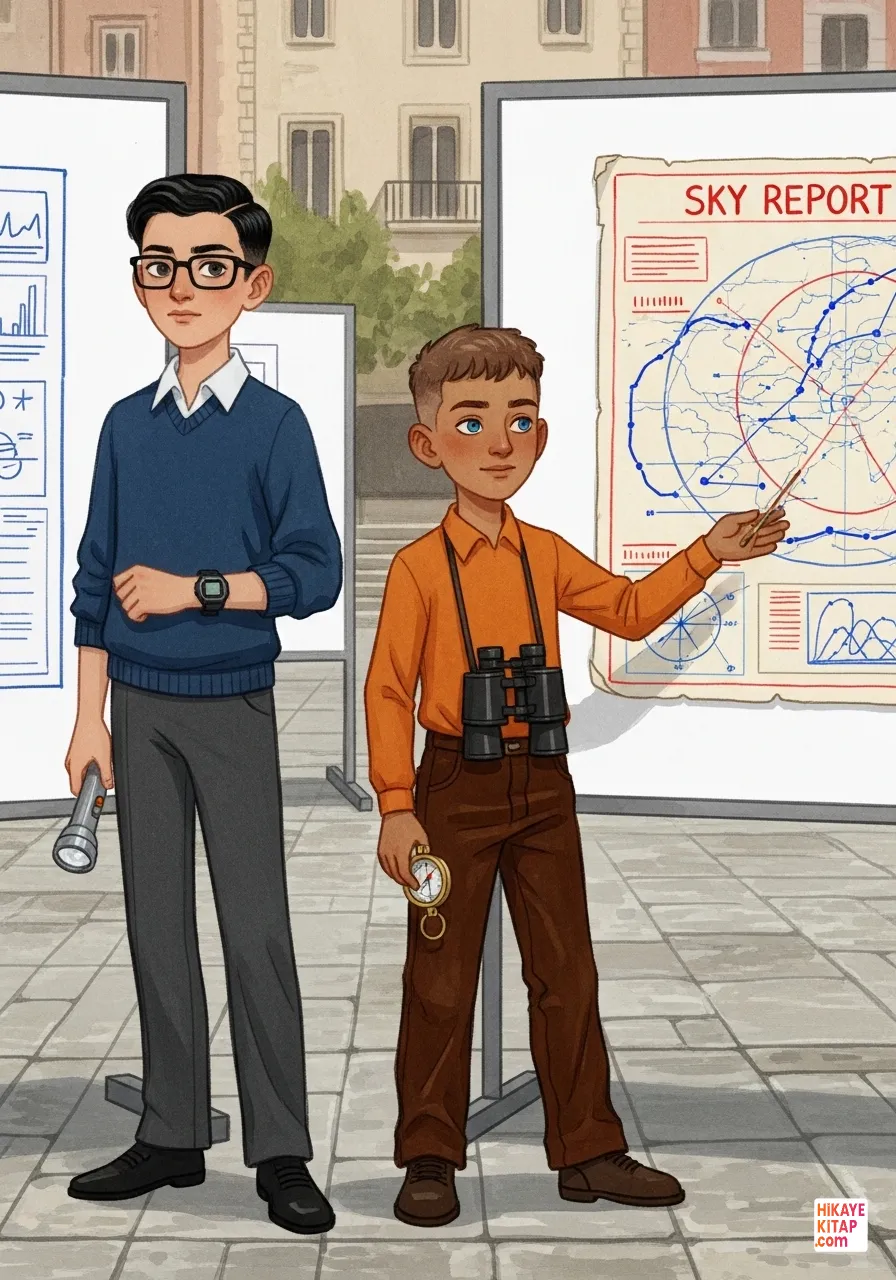
The project culminated in a presentation at the town square. Alice and Daisy stood proudly on a small stage, holding their Sky Report and posters of their findings. The townspeople listened intently, moved by the children’s dedication and meticulous work. Alice looked out at the crowd and smiled. They had proven that with curiosity, teamwork, and a little bit of science, anyone could unlock the secrets of the world and make it a better place.
Adrian unlocks a long-closed workshop on the northern slopes and asks wise Master Arthur for help. Inventor Simon and...
Arthur finds his grandfather's journal, The Hidden Flora of Glass Valley, in the attic. With Sophie the artist, sturd...
Twelve-year-old Liam decides to revive the dark old lighthouse of Silver Village. Guided by Captain Harold, he works ...
Use the link and iframe code below to embed the book on your site.