The pre-teen years between ages 10 and 12 mark one of the most critical transitions in a childs reading development. During this upper elementary and early middle school stage, reading instruction shifts from learning to read to reading to learn. Simultaneously, children experience expanding social lives, burgeoning personal interests, and fierce competition for their attention from digital entertainment, video games, and social video platforms. Consequently, selecting compelling 10-12 year old children books and employing thoughtful parental strategies are essential to ensure that children maintain a passionate, voluntary love for reading.
When pre-teens disengage from books, it is rarely because they dislike stories. Rather, it is typically because the literature assigned to them feels disconnected from their inner lives, too dry, or burdened with rigid academic testing. To reignite their enthusiasm, parents and educators must provide literature that mirrors their emerging maturity, respects their personal autonomy, and delivers thrilling, emotionally resonant narrative experiences.
Developmental Insights: The Mind of a 10-to-12-Year-Old Reader
Children between the ages of 10 and 12 undergo substantial cognitive and psychological shifts. They are developing sophisticated perspective-taking abilities, recognizing that individuals can hold differing viewpoints and experience conflicting emotions simultaneously. They are keenly observant of social justice, fairness, and peer relationships, while beginning to question adult authority and societal norms.
To cultivate a sustainable reading habit, literature for this demographic must address several core developmental needs:
- Autonomy in Selection: Pre-teens must be empowered to choose their own reading material. Studies consistently demonstrate that children are significantly more likely to finish and enjoy books they choose themselves.
- Relatable Realism and Empathetic Characters: Protagonists confronting middle school awkwardness, evolving friendships, family tensions, or personal insecurities make readers feel understood and validated.
- Immersive World-Building: High fantasy, speculative fiction, and historical adventure satisfy pre-teens expanding imaginations and desire for exploration.
- Respect for Emotional Maturity: Pre-teens reject books that speak down to them. They appreciate stories that address complex topics such as grief, perseverance, loyalty, and identity with honesty and sensitivity.
Top Literary Categories to Engage Pre-Teens
Curating a dynamic home or classroom library requires offering diverse genres that cater to varying reading moods and preferences:
1. Mystery, Detective, and Suspense Stories
Few genres captivate pre-teens like a well-crafted mystery. Following clues, suspecting red herrings, and formulating deductive theories keeps readers glued to the pages. Mystery narratives directly cultivate critical thinking, inductive reasoning, and textual attention.
2. High Fantasy and Mythological Adventures
Epic quests featuring enchanted realms, mythical beasts, and prophecies appeal directly to the vivid imaginations of 10-to-12-year-olds. These narratives often explore the timeless battle between courage and despair, demonstrating how ordinary youth can accomplish extraordinary deeds.
3. Humorous and Realistic Fiction
Humor is one of the most effective gateways for reluctant pre-teen readers. Stories depicting hilarious classroom misadventures, quirky family dynamics, and relatable embarrassing moments break down intimidation and prove that books can be genuinely entertaining.
4. Inspiring Biographies and Narrative Non-Fiction
Pre-teens are fascinated by real-world courage. True accounts of groundbreaking scientists, courageous civil rights activists, visionary artists, and resilient athletes inspire youth to envision their own potential impact on the world.
Unlocking Free Digital Reading Opportunities
In addition to physical books, digital reading formats provide flexible, barrier-free access for modern families. Pre-teens who are reluctant to pick up a thick physical volume often find reading on an e-reader or tablet significantly less intimidating.
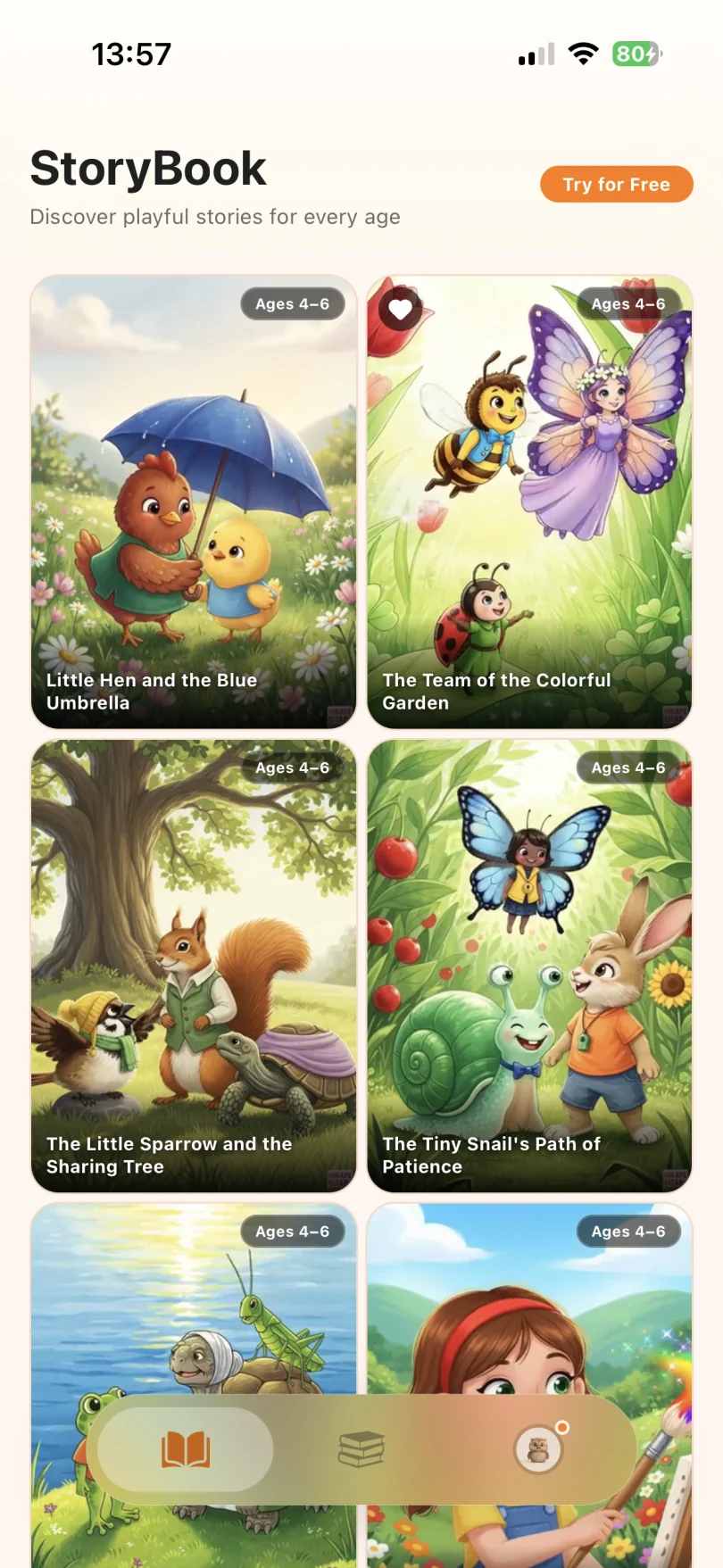
Through our platform, parents and educators can explore our curated Free PDF Childrens Books portal. This open-access repository offers beautifully formatted stories, educational chapter books, and illustrated classics that children can read online or download for offline enjoyment during travel, study halls, or quiet afternoons.
To establish healthy digital reading habits:
- Establish Screen Boundaries: Ensure tablets used for reading are set to dedicated reading applications without social notifications or game alerts.
- Encourage Mixed Media: Combine audiobooks, digital flipbooks, and traditional physical paperbacks to accommodate different learning styles.
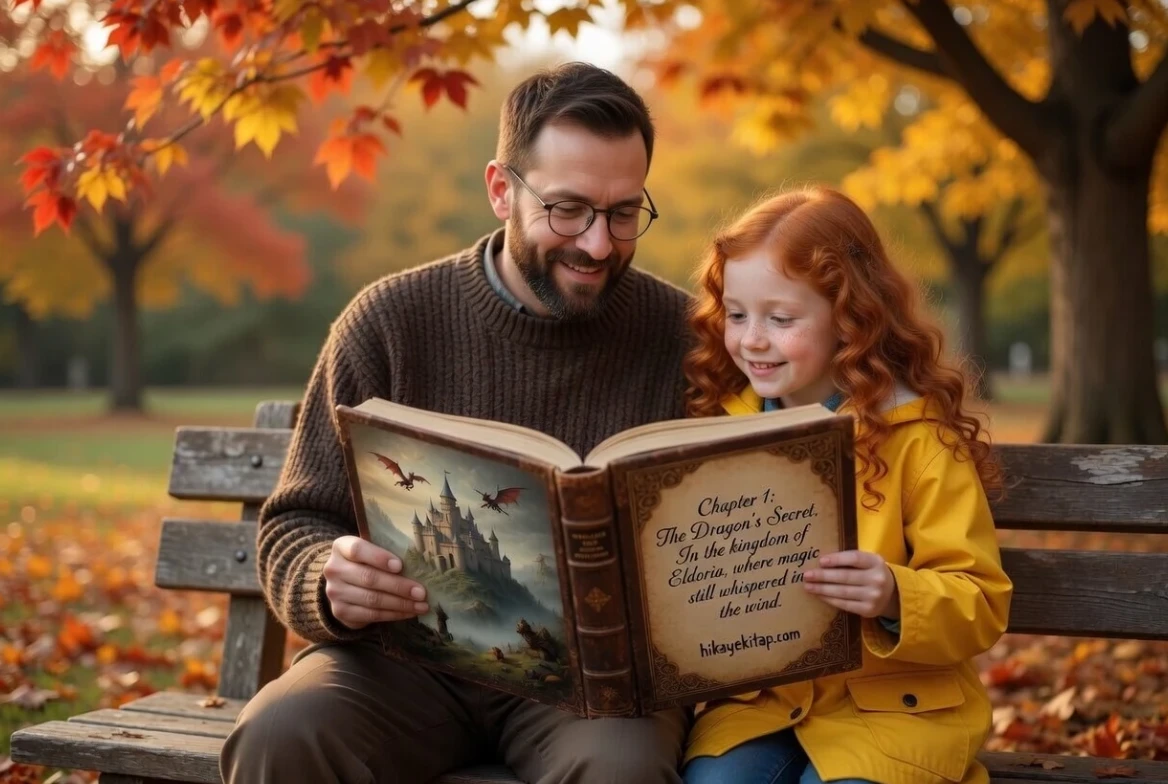
- Engage in Co-Reading: Read the same book alongside your child and discuss chapters over dinner, validating their insights and opinions.
Sustaining the Habit with a 30-Day Reading Milestone
Consistency is the cornerstone of reading mastery. When pre-teens read for just 25 to 35 minutes each day, they encounter over one million words per year, dramatically elevating their verbal fluency and cognitive endurance.
To help children track their daily reading dedication and celebrate their achievements, we have created a dedicated printable tool. Download and print our Printable Reading Log and Certificate of Achievement. This resource allows pre-teens to record daily reading durations, log page metrics, note favorite chapter quotes, and receive formal recognition upon completing a month of consistent literary exploration.
By honoring your pre-teens choices, providing diverse literary genres, and celebrating daily milestones, you can nurture a lifelong passion for reading that enriches both academic achievements and personal character.
Frequently Asked Questions
How can parents motivate reluctant readers aged 10 to 12?
Offer autonomy in book selection, provide high-interest genres like fantasy and mystery, and eliminate pressure by celebrating daily reading time rather than page counts.
What themes appeal most to children aged 10 to 12?
Themes of friendship dynamics, mysterious discoveries, personal courage, ethical decisions, and humorous real-world school adventures resonate strongly.
How long should 10-to-12-year-olds read independently each day?
A consistent 25 to 35 minute daily reading session builds fluency, vocabulary retention, and academic focus without causing burnout.
Are illustrated chapter books and graphic novels appropriate for this age?
Yes, graphic novels and illustrated chapter books develop visual literacy, enhance narrative pacing, and provide valuable confidence for reluctant readers.
Where can families find high-quality free reading materials for pre-teens?
Curated online platforms, school digital libraries, and open-access educational collections provide safe, verified children literature without subscription fees.
How does reading impact academic performance in middle school?
Frequent reading sharpens reading comprehension, elevates essay composition skills, expands academic vocabulary, and improves focus across all STEM and humanities subjects.
How can parents discuss books with their pre-teens without sounding like a test?
Ask open-ended curiosity questions such as which character made the hardest choice or how the setting influenced events, sharing personal reactions honestly.