Lily and the Little Protectors of the World
During the first week of school, Lily saw a colorful poster hanging on the bulletin board in the hallway: Environment...
12 pages · 3 min
Type into the box above to start searching
Features and shortcuts to enhance your reading experience
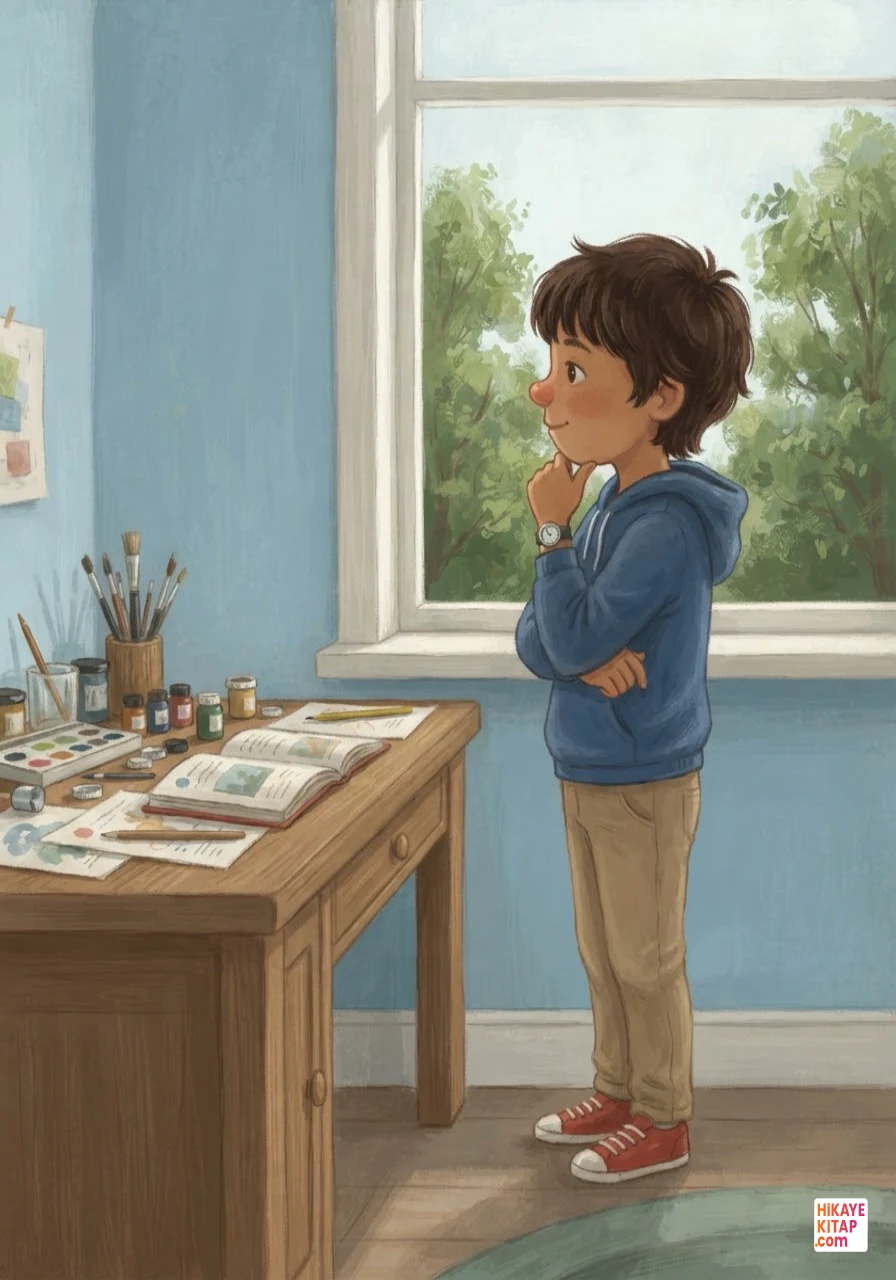
Sam was very curious about how people lived in the past. What did the streets look like back then? How did children play games without tablets or televisions? While looking at the old trees outside his bedroom window, he drifted into a daydream and decided to solve the mysteries of the past.
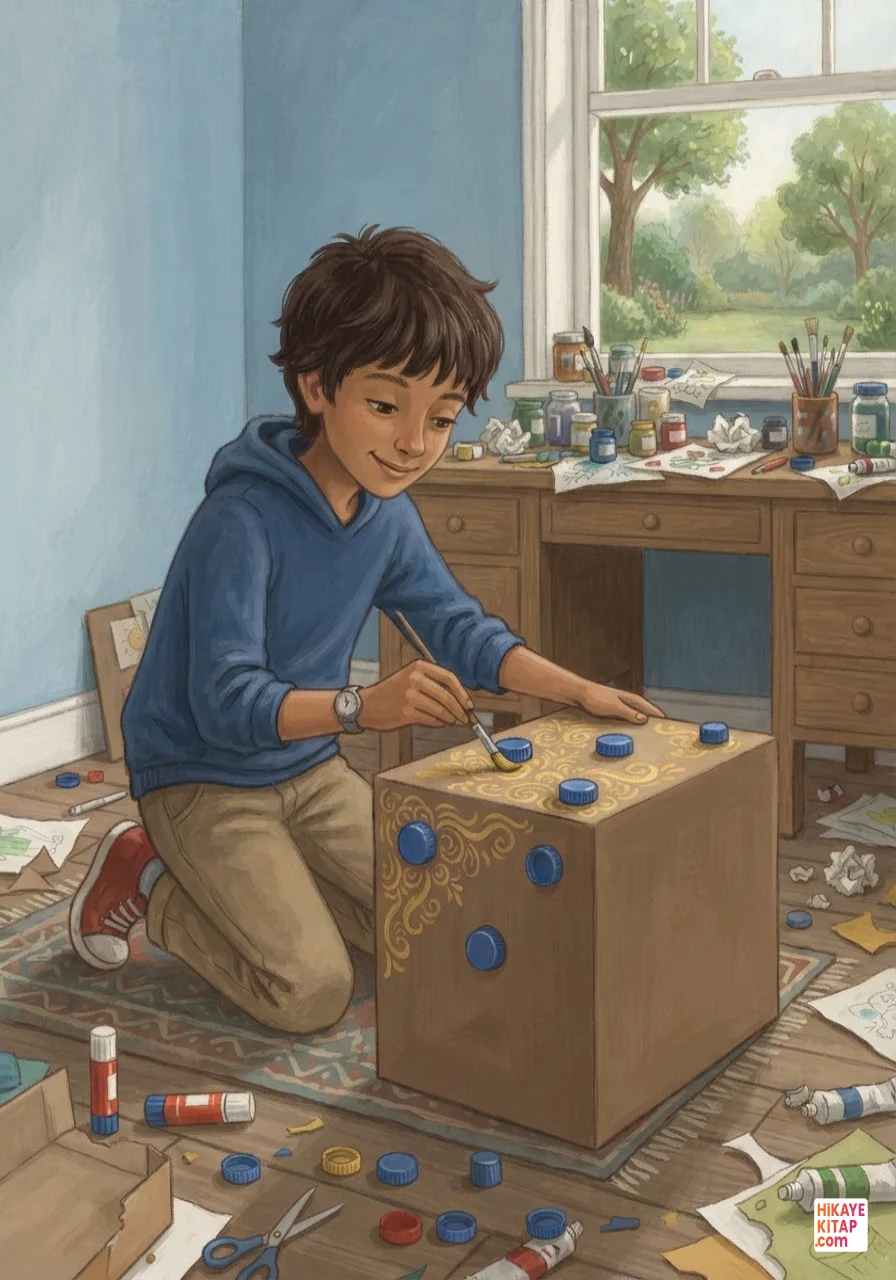
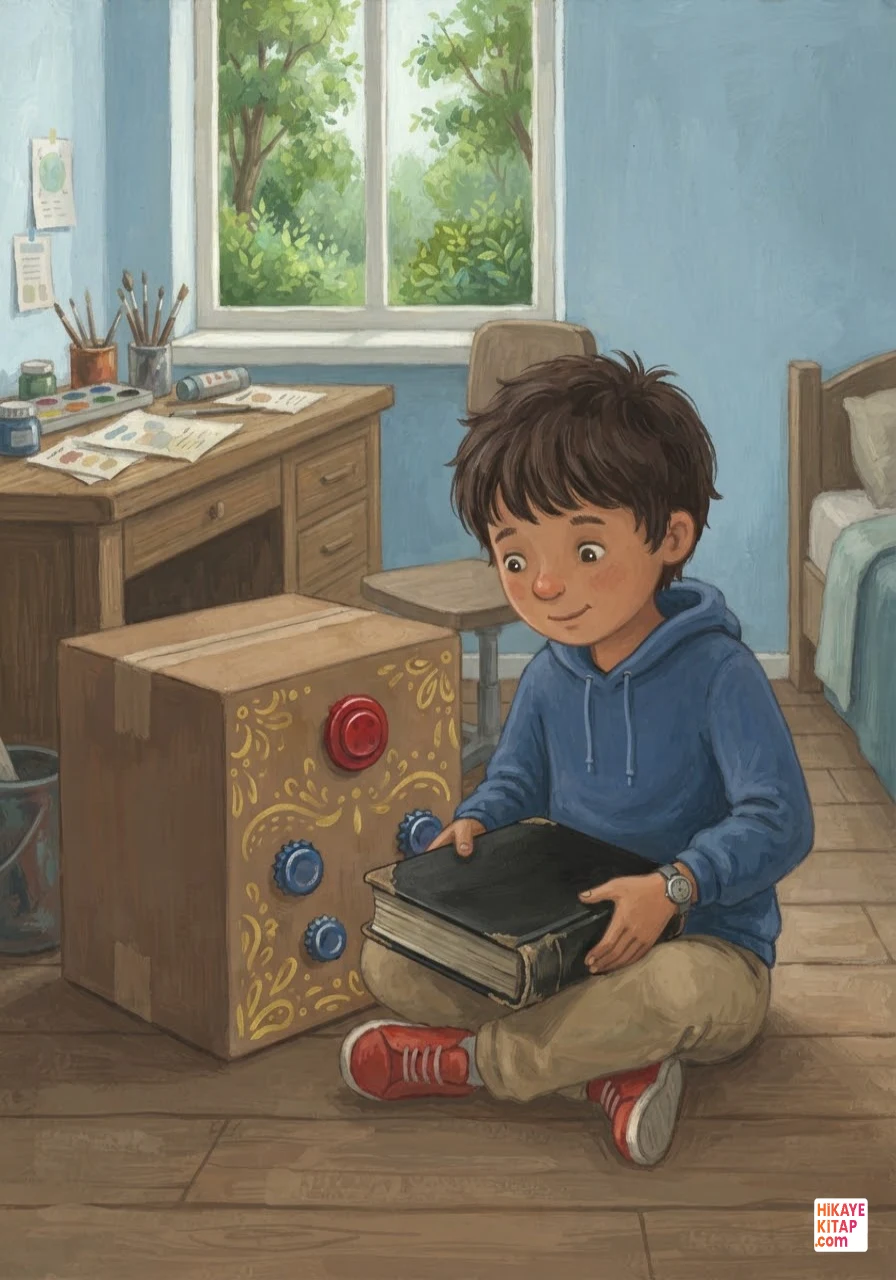
He rolled up his sleeves for his school project and got to work. Using a large cardboard box, several plastic caps, and colorful paints, he built himself a little time machine. He wrote “Travel to the Past” in bright letters on the machine and added control buttons on the sides.
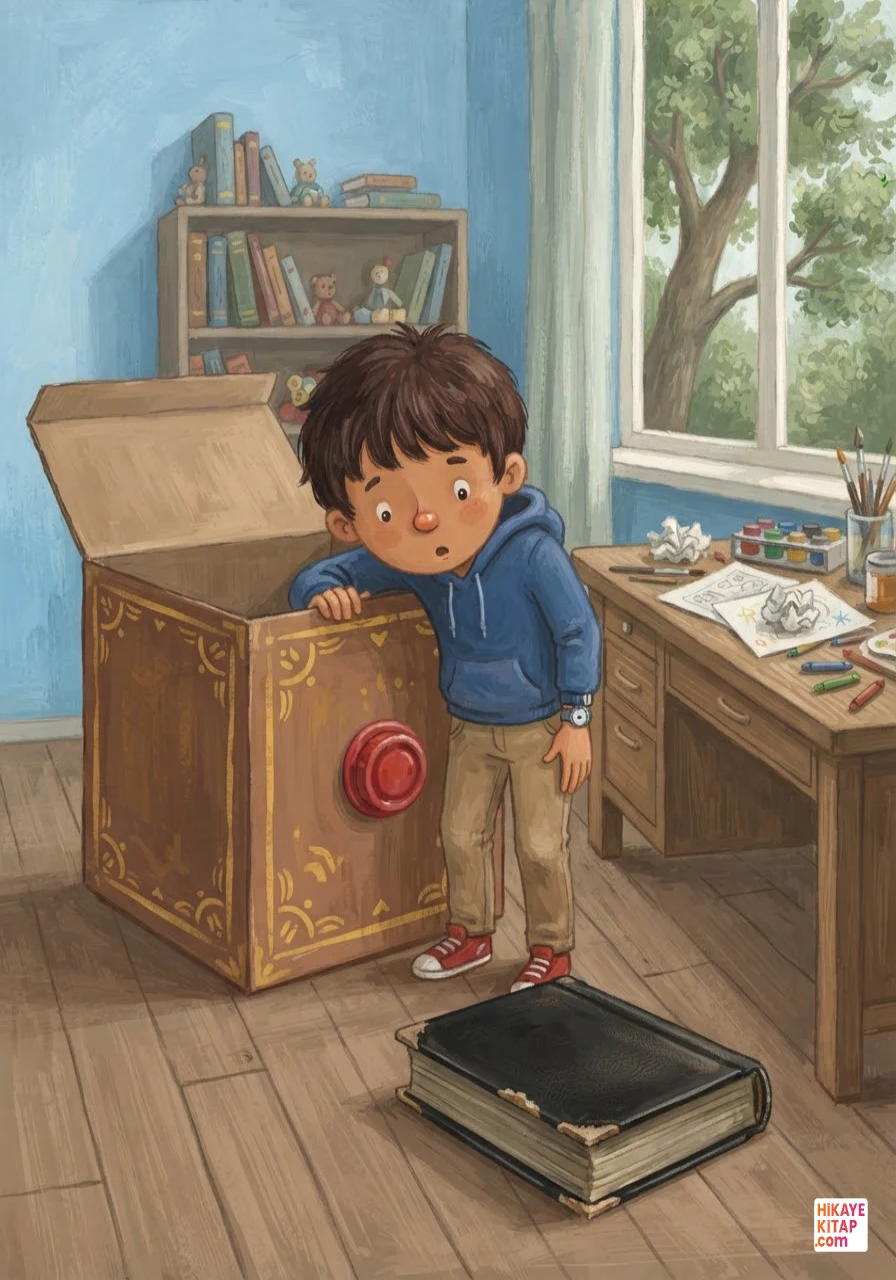
Excitedly, Sam climbed into the machine and pressed the big red button. He closed his eyes, but there was no flash of light or shaking. When he opened his eyes, he was still in his room. However, right next to the box, he found a dusty, old photo album he hadn't noticed before.
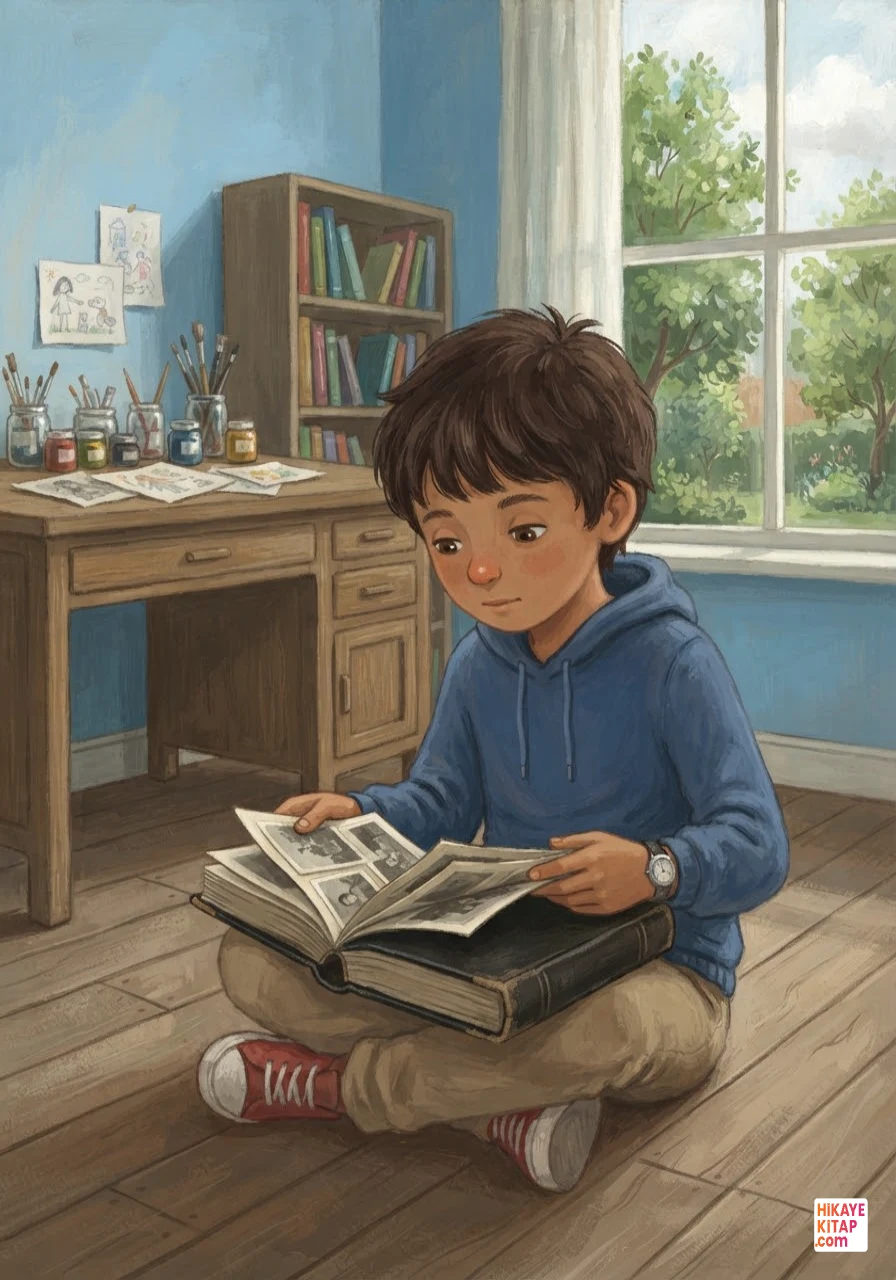
He took the album onto his lap and began to turn the pages. The photos showed his neighborhood as it was many years ago. The black-and-white pictures featured horse-drawn carriages, people wearing hats, and buildings that looked very different from what he saw today. Sam studied every detail with great care.
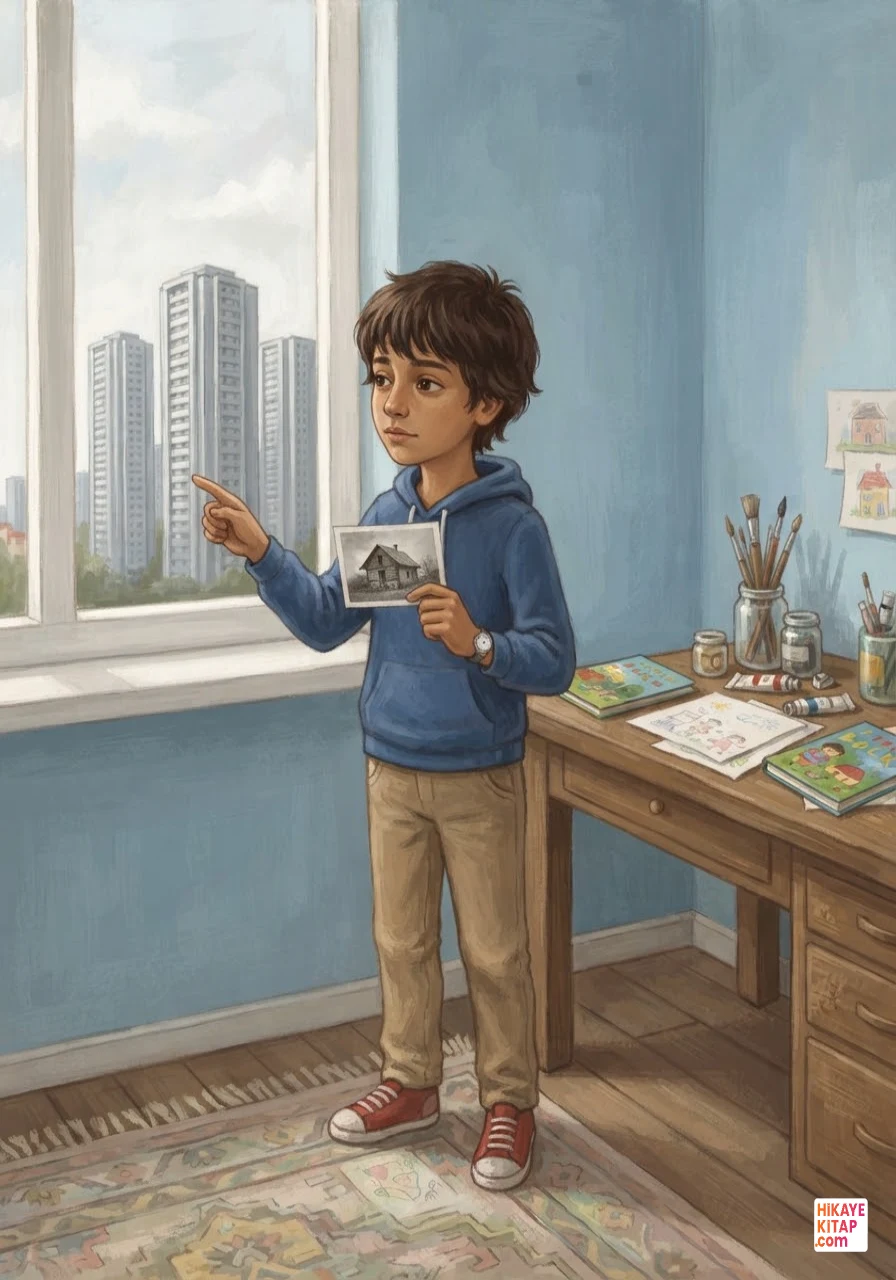
Sam wanted to compare the buildings in the photos with how they looked today. Holding the album, he went to the edge of the window. He saw that where a small house with a garden used to be in the photo, a tall, modern building now stood. Time had slowly changed everything in the neighborhood.
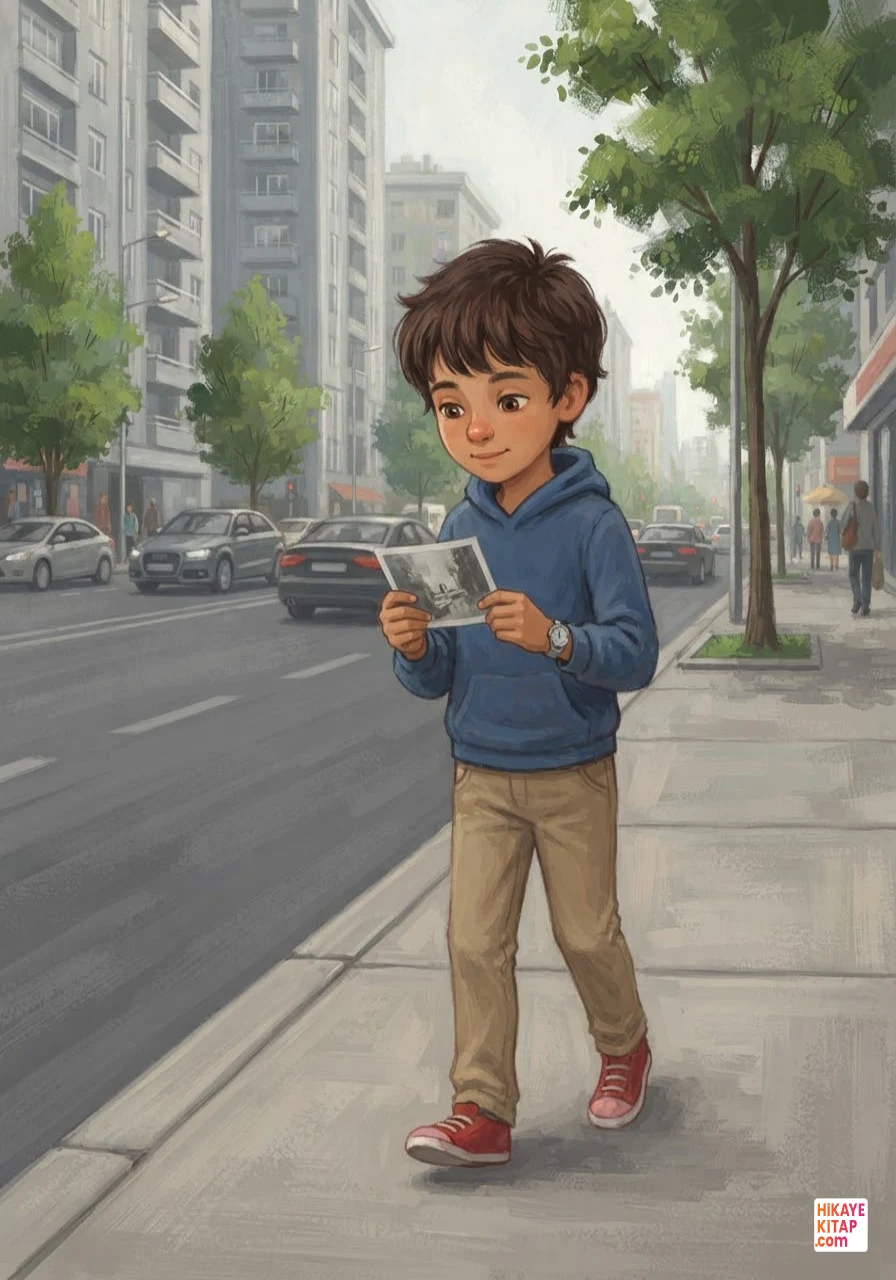
When he went out into the street with the album, the change became even more apparent. He noticed that some old houses had been demolished and wide asphalt roads had been built instead of narrow dirt paths. With every step, Sam was discovering the layer-by-layer changing story of his neighborhood.
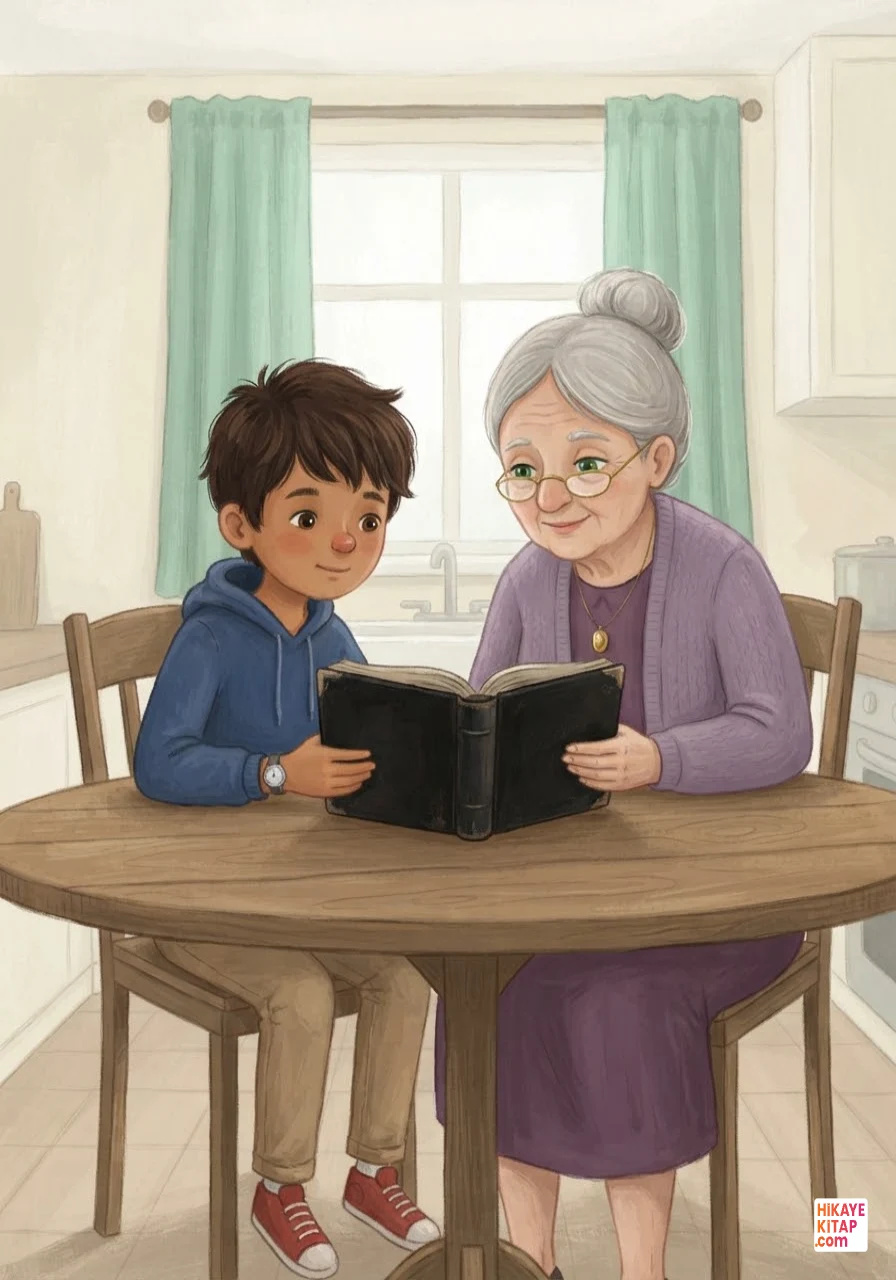
As his curiosity grew, he ran to his grandmother, Stella, who was sipping her tea in the kitchen. He showed her the album and asked about the old days. “Grandma, was it really like this when you were little?” he asked. Mrs. Stella’s eyes brightened and she smiled when she saw the album.
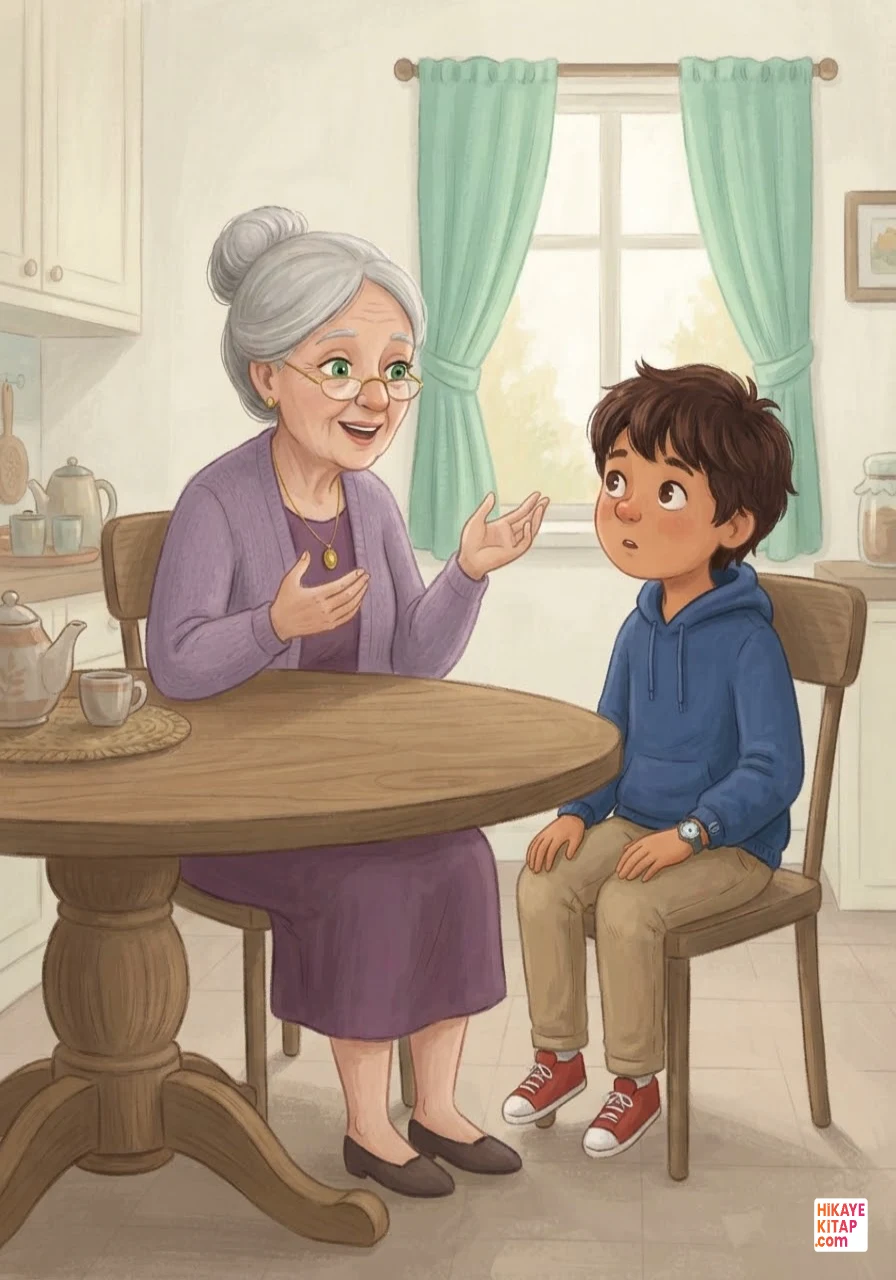
Grandma Stella told Sam about the games she played in empty lots during her childhood and the tree-lined school path she walked every morning. She said that back then, every house had a fruit tree in its garden and neighbors would offer each other freshly baked bread.
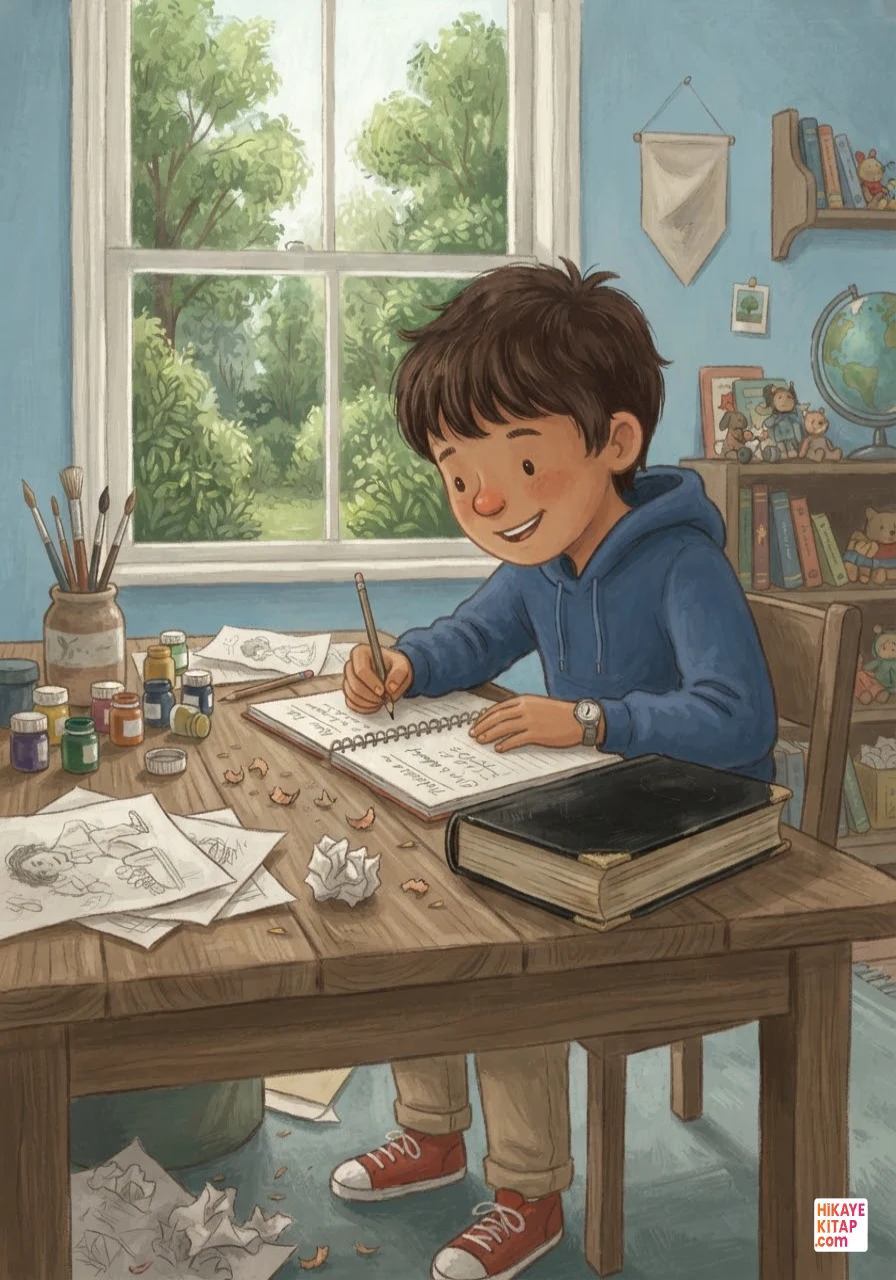
Listening to his grandmother's stories, Sam realized that learning about the past was just as exciting as using a real time machine. These small memories, which weren't written in books and were only known by those who lived through them, took Sam to a completely different world.
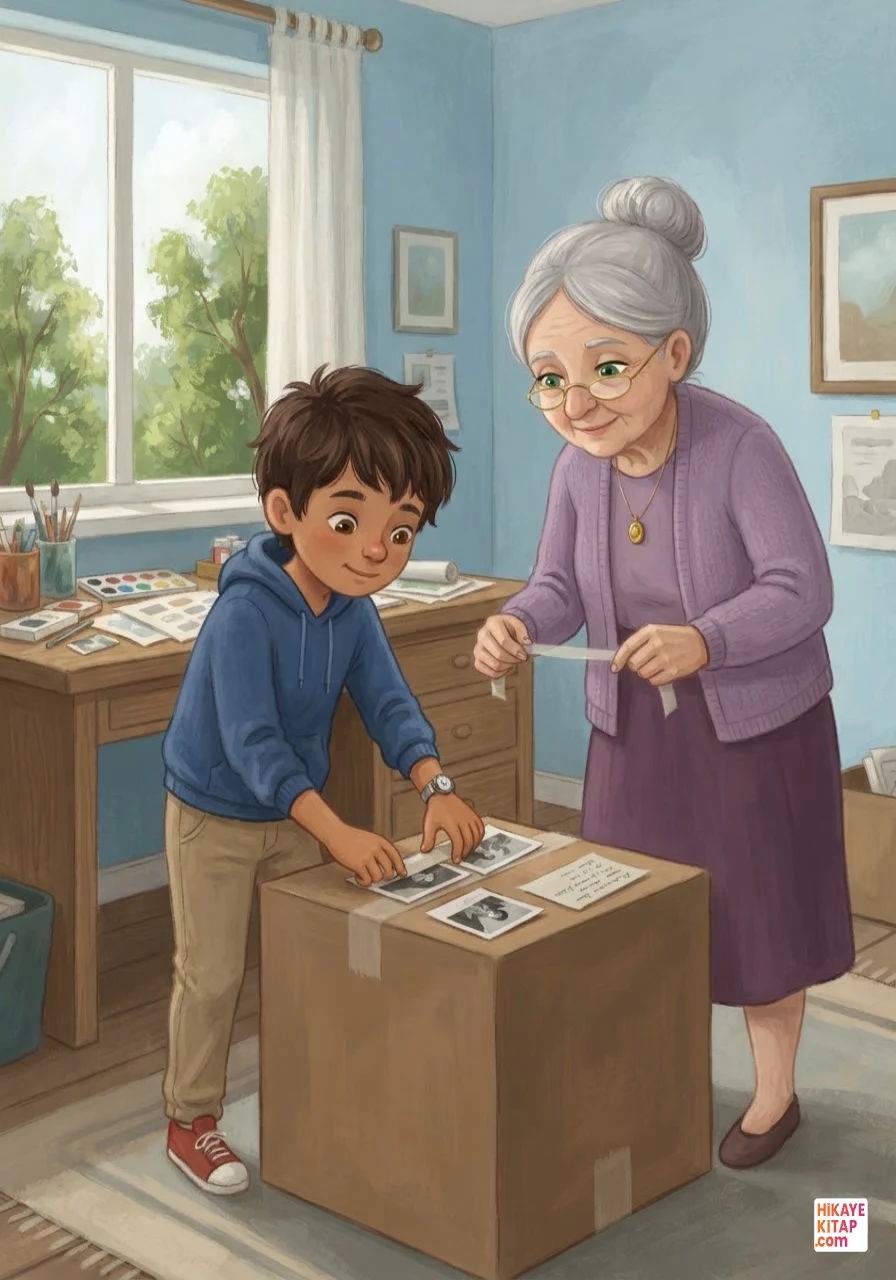
He sat at his desk to put the final touches on his school project. Inside the cardboard machine, he added the old photos from his grandmother and the memories he had heard as little notes. His project was no longer just a box; it was a living history diary of his neighborhood.
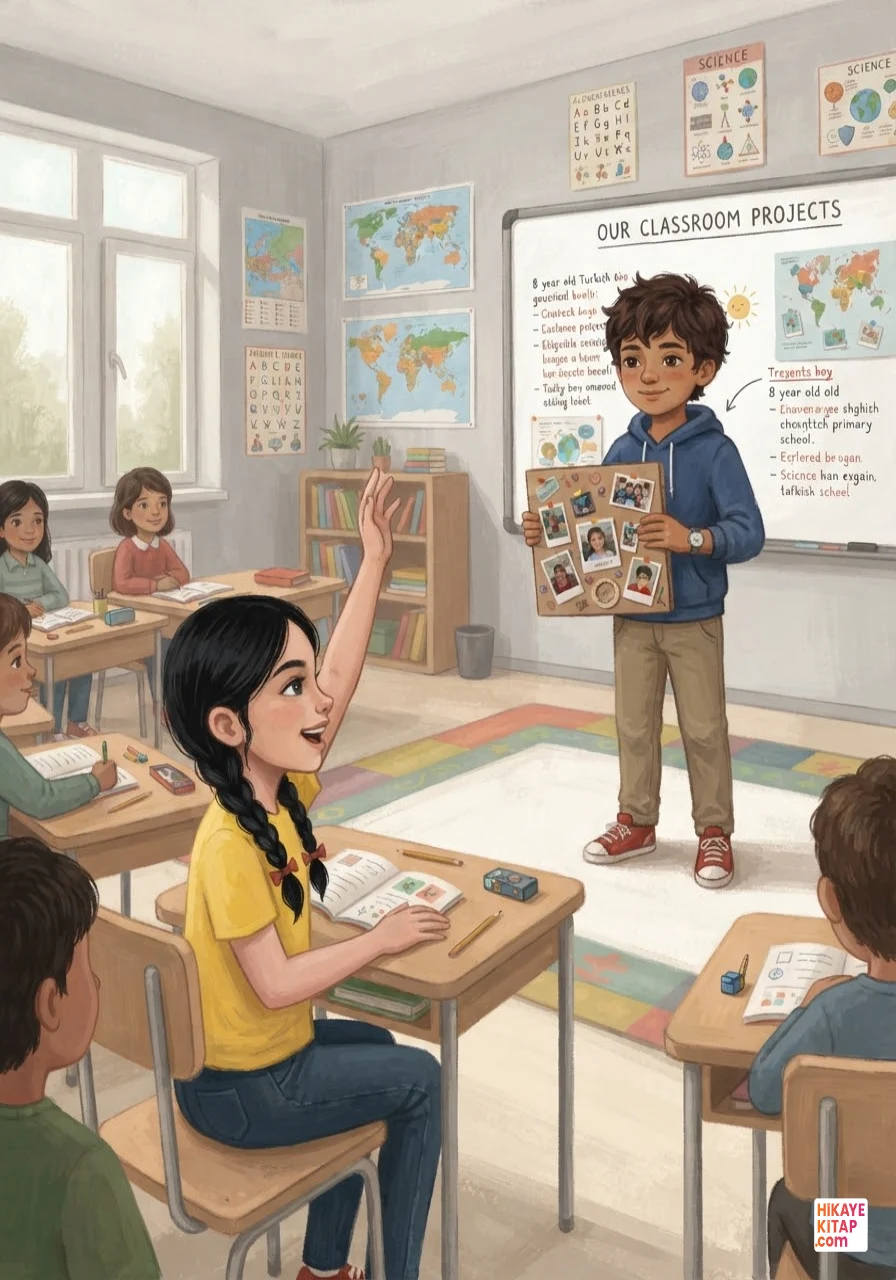
When the day of the presentation arrived, everyone in the class watched Sam's project with admiration. When Sam finished his story, his friend Clara raised her hand and began to tell how her own grandfather was an old watchmaker. Soon, the whole class began sharing stories from their own families.
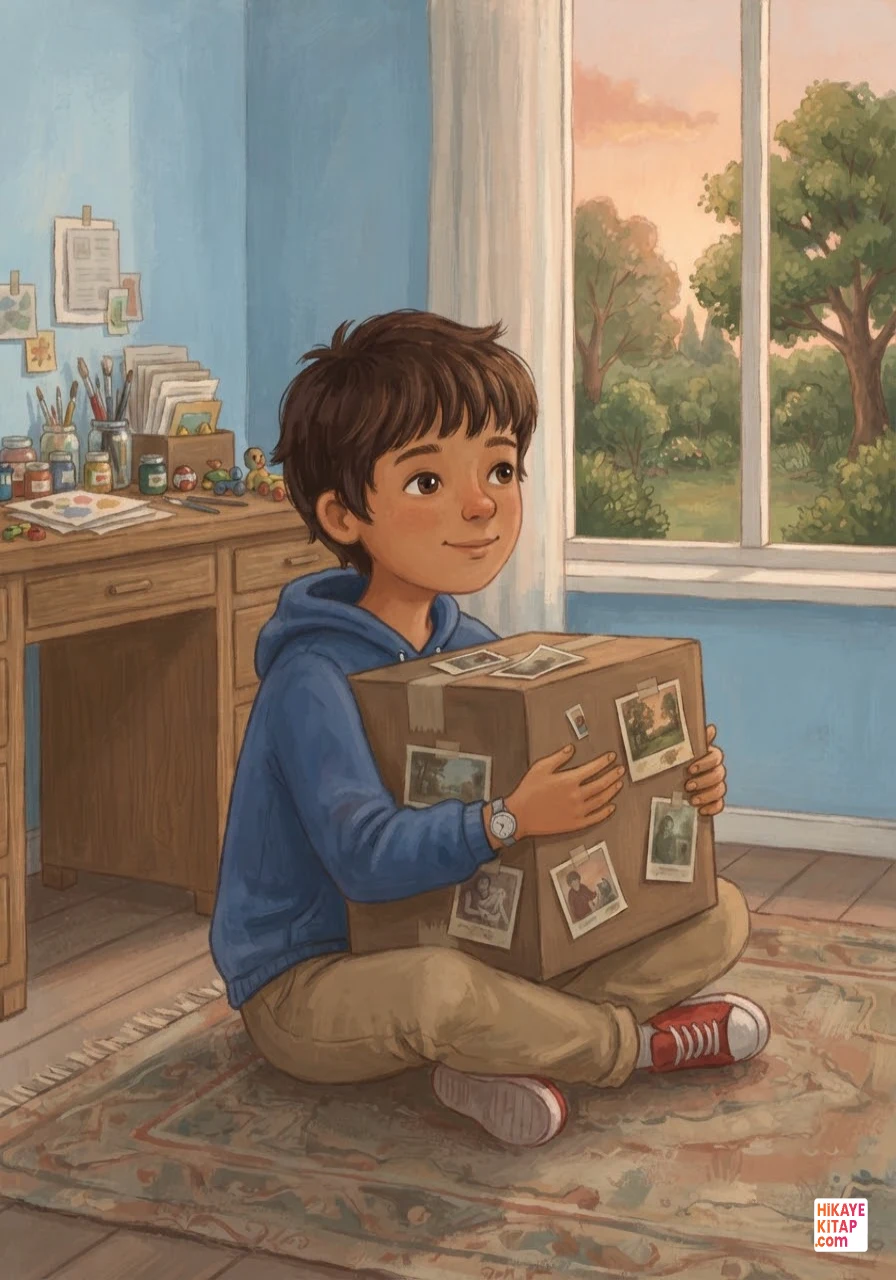
When Sam returned home that evening, he looked at his cardboard machine with affection. His machine hadn't physically beamed him to the past, but thanks to his curiosity and his grandmother's memories, he had gone on a real journey through time. He understood that the greatest adventures sometimes start just by asking a question.
During the first week of school, Lily saw a colorful poster hanging on the bulletin board in the hallway: Environment...
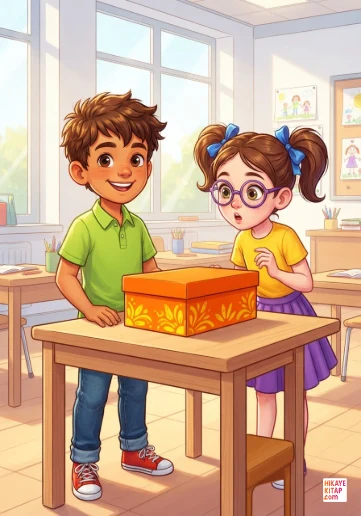
Leo had come up with a brilliant idea for his classroom. He placed a bright orange shoebox on his desk and began to p...
It was a warm summer evening. Chloe spread a soft, bright orange blanket over the fresh green grass in the garden. Th...
Use the link and iframe code below to embed the book on your site.