Lily and the Little Protectors of the World
During the first week of school, Lily saw a colorful poster hanging on the bulletin board in the hallway: Environment...
12 pages · 3 min
Type into the box above to start searching
Features and shortcuts to enhance your reading experience
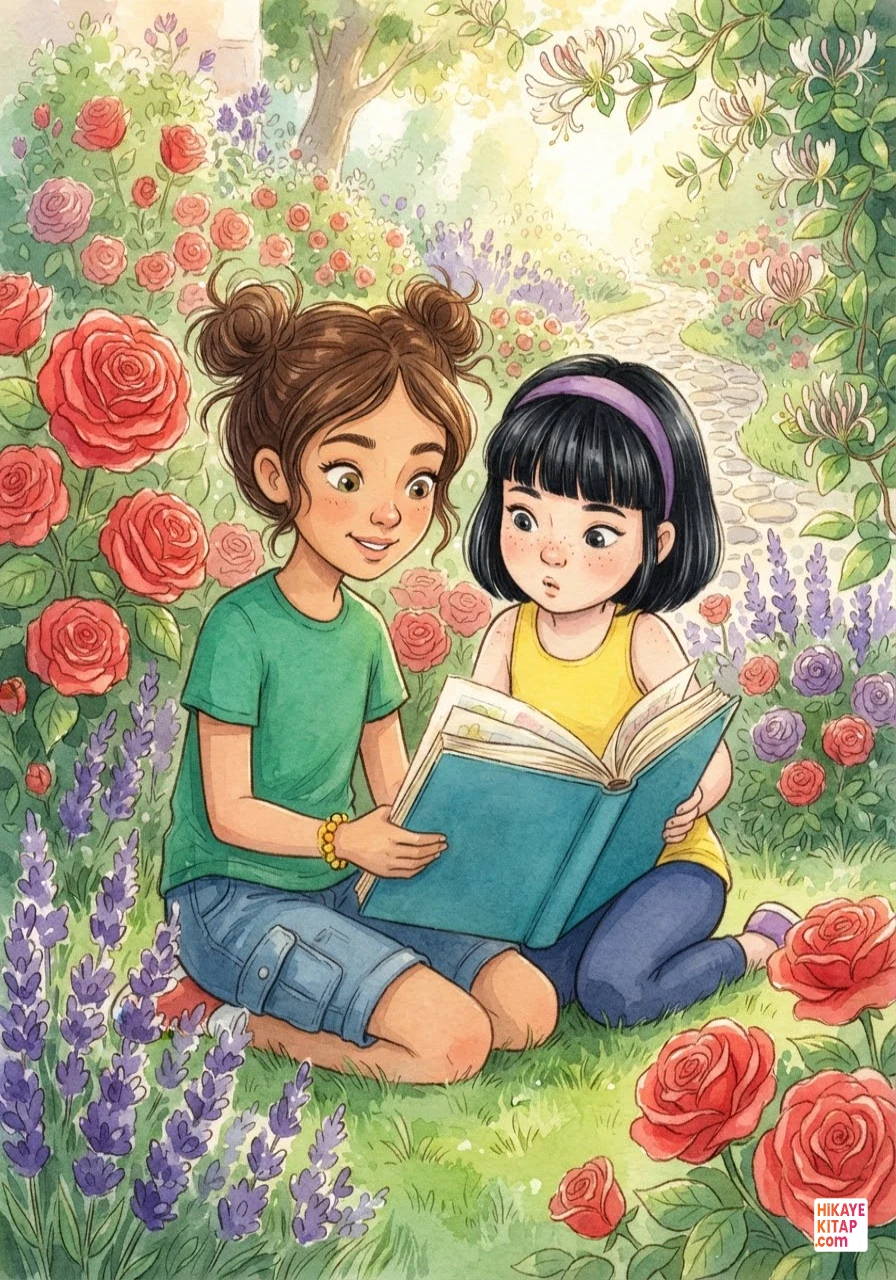
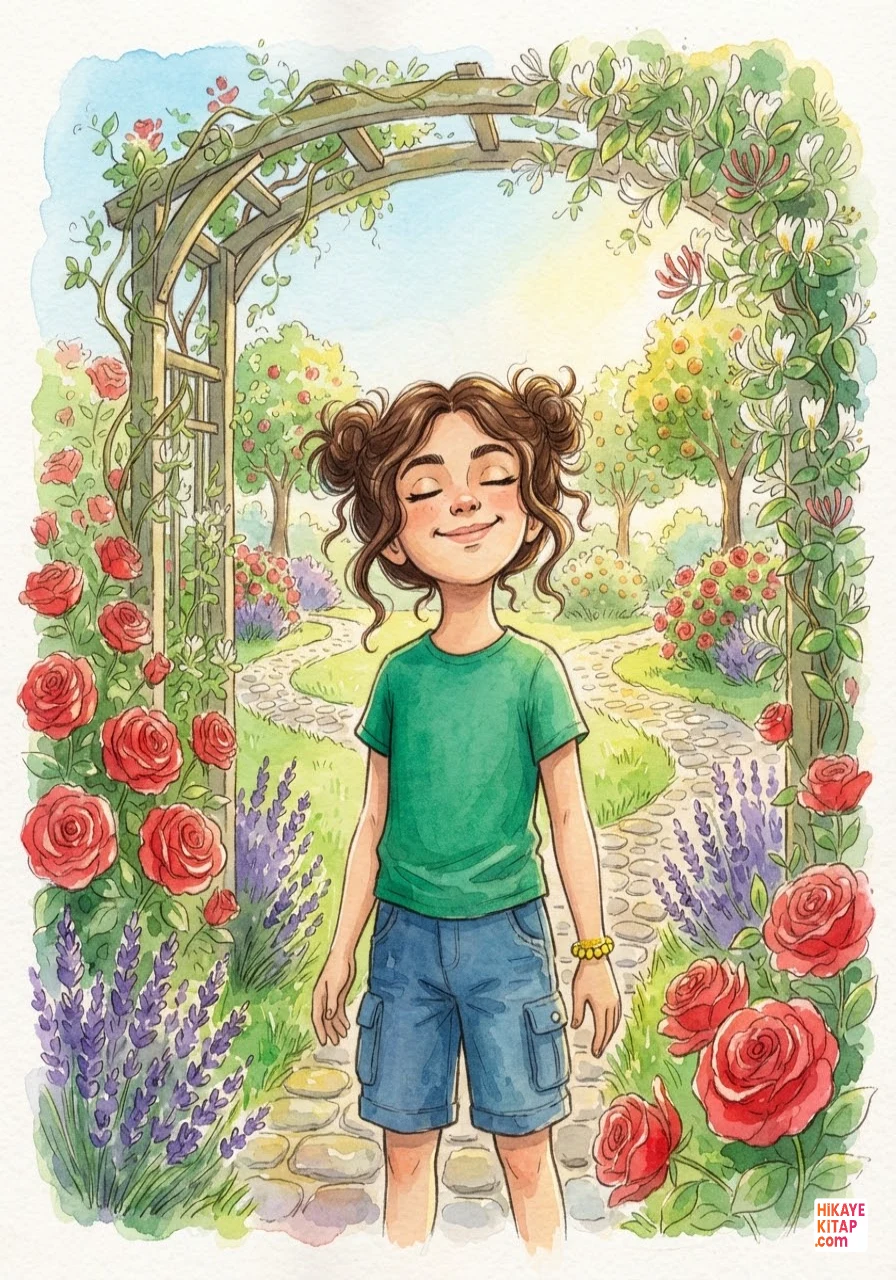
Every summer, Nehir loved visiting Kemal Dede’s house in the small town. The garden there was her favorite place in the world. One morning, as she stepped onto the grass, a breeze sweeter than any she had ever felt brushed past her nose. It felt like an invisible fairy tale was hanging in the air, waiting to be discovered. Nehir took a deep breath and decided to walk deep into the garden to find where this magical scent was coming from.

Nehir reached her first stop: the large, velvety red roses. She leaned down until her nose almost touched the petals and took a long, deep breath. “This isn't just a smell,” she whispered to herself. “It’s like a sugary dream mixed with the warmth of the sun.” She then moved to the purple lavender bushes nearby, noticing how each flower seemed to have its own secret story and its own unique identity.

Instead of just remembering the scents, Nehir decided to give them new, special names. When she reached the climbing honeysuckle, she smiled. “This is the 'honey drop' scent,” she said out loud. Then she found some small white daisies that smelled surprisingly fresh and sharp. “And these must be 'lemon suns'!” Describing the scents was much more fun than just naming the flowers.
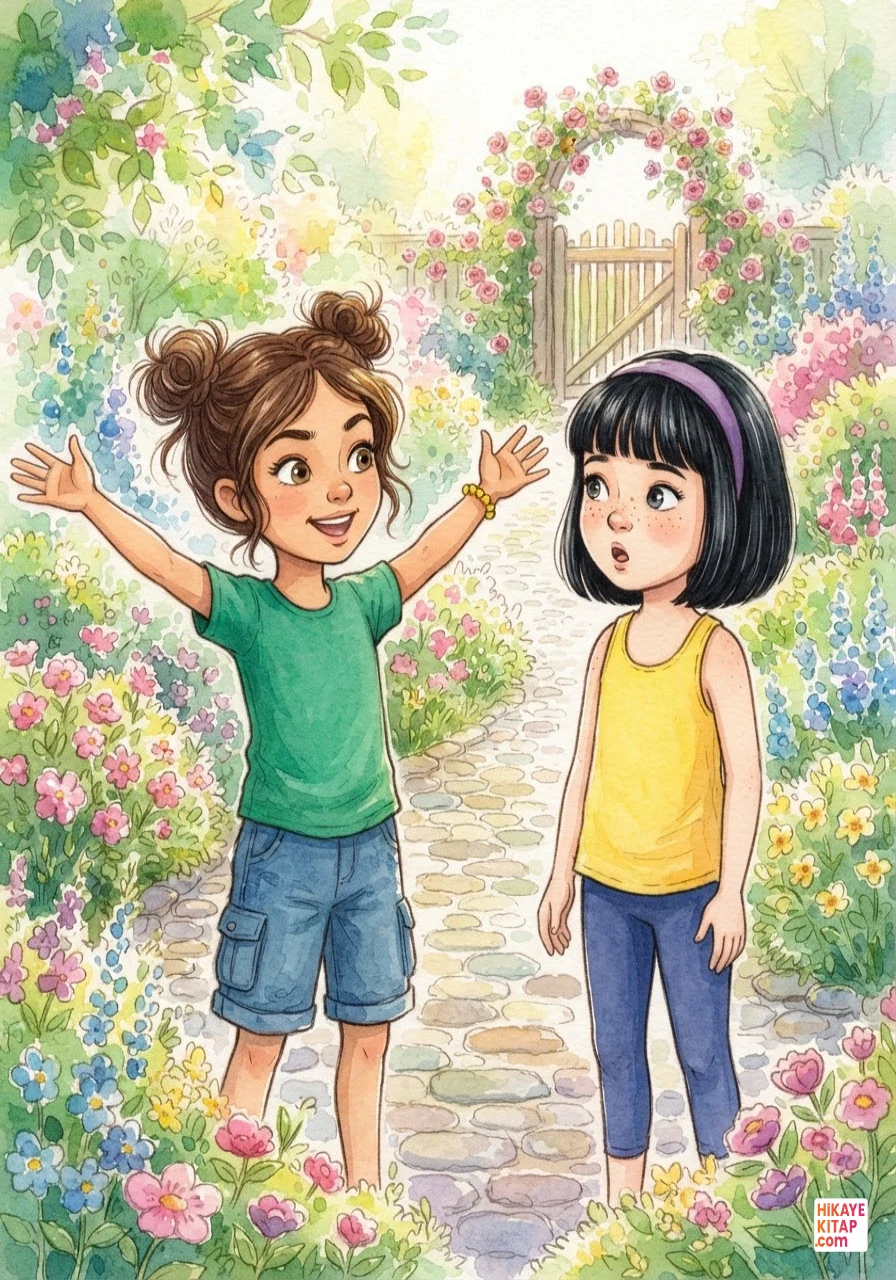
Just then, the garden gate creaked open, and her best friend Ela walked in. Nehir jumped up with excitement. “Ela, come quickly! I’ve found a lost treasure in the garden!” she cried. Ela looked confused because Nehir’s hands were empty—there was no gold or silver to be seen. Nehir just laughed and said, “This treasure is invisible, Ela! You can only see it with your nose!”
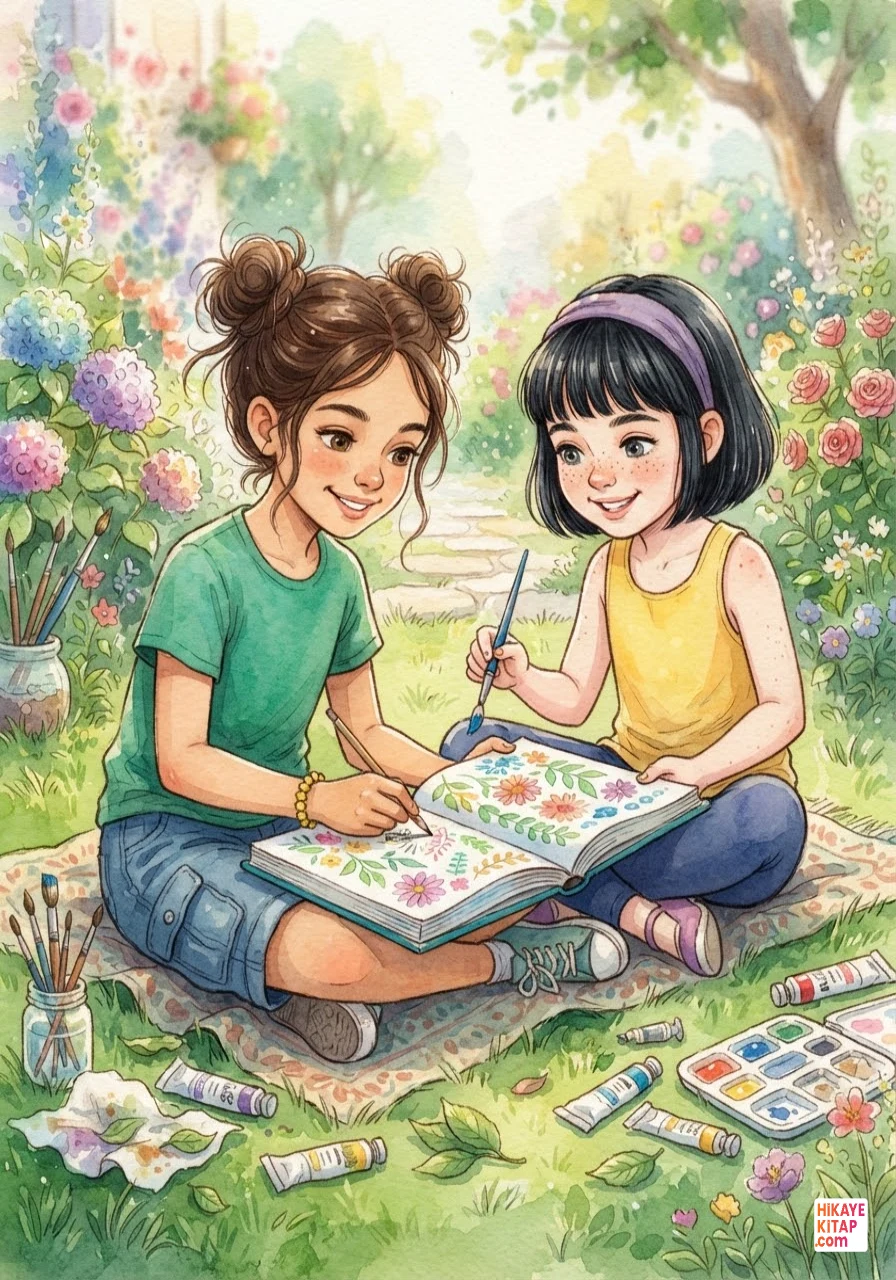
The two friends grabbed their notebooks and colored pencils and got to work. They visited every corner of the garden, examining each flower and describing its scent. They started a special book called the “Scent Observation Journal.” On the pages, they drew bright pictures of the blossoms and wrote descriptions like “earth after rain,” “freshly cut grass,” and “soft as a cloud.”
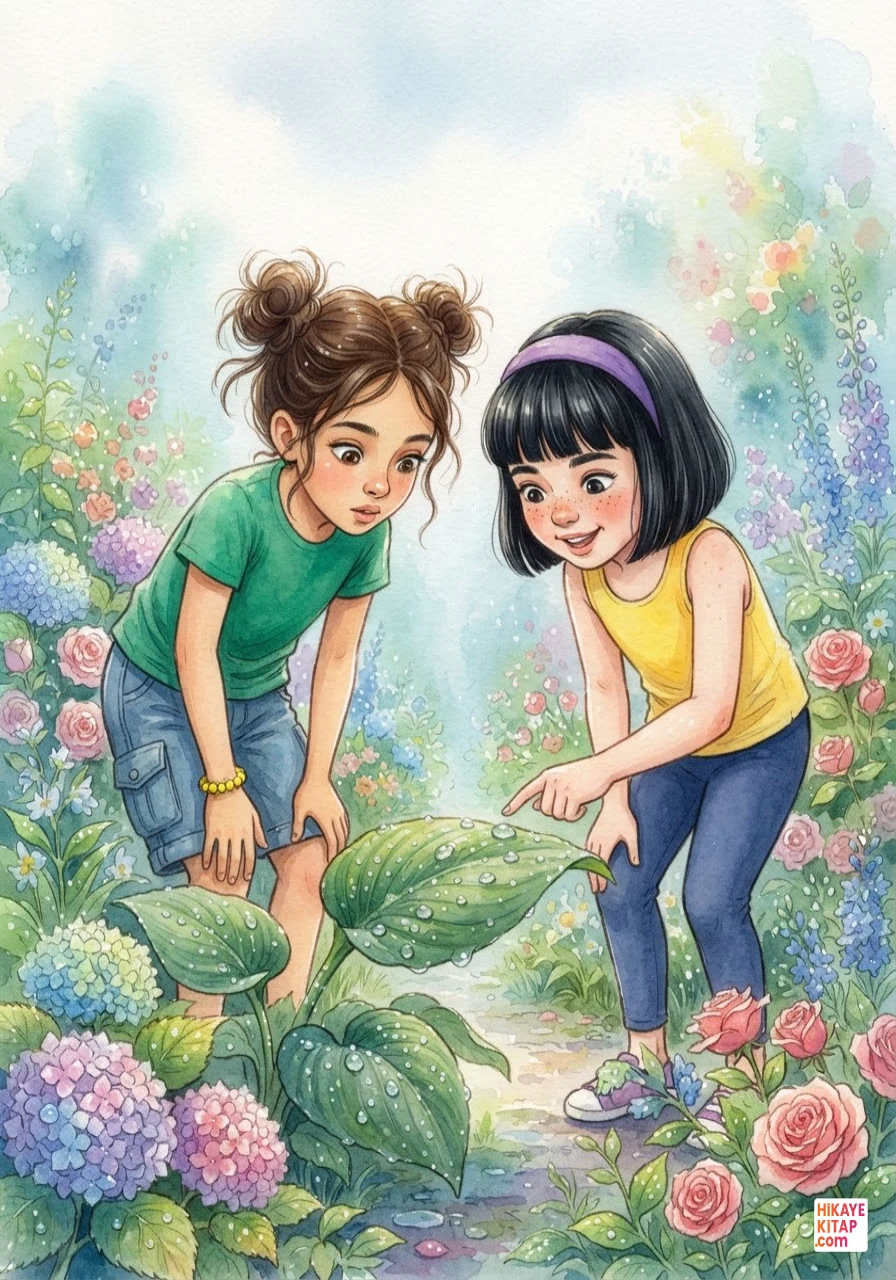
When they woke up early the next day, they noticed that the garden’s perfume was even stronger than before. In the cool morning air, the scent of flowers seemed to overflow. “Why does everything smell so much better in the morning?” Ela asked, looking at the tiny droplets of water on the leaves. Nehir looked at the damp soil and the morning dew, realizing they needed to solve this mystery.
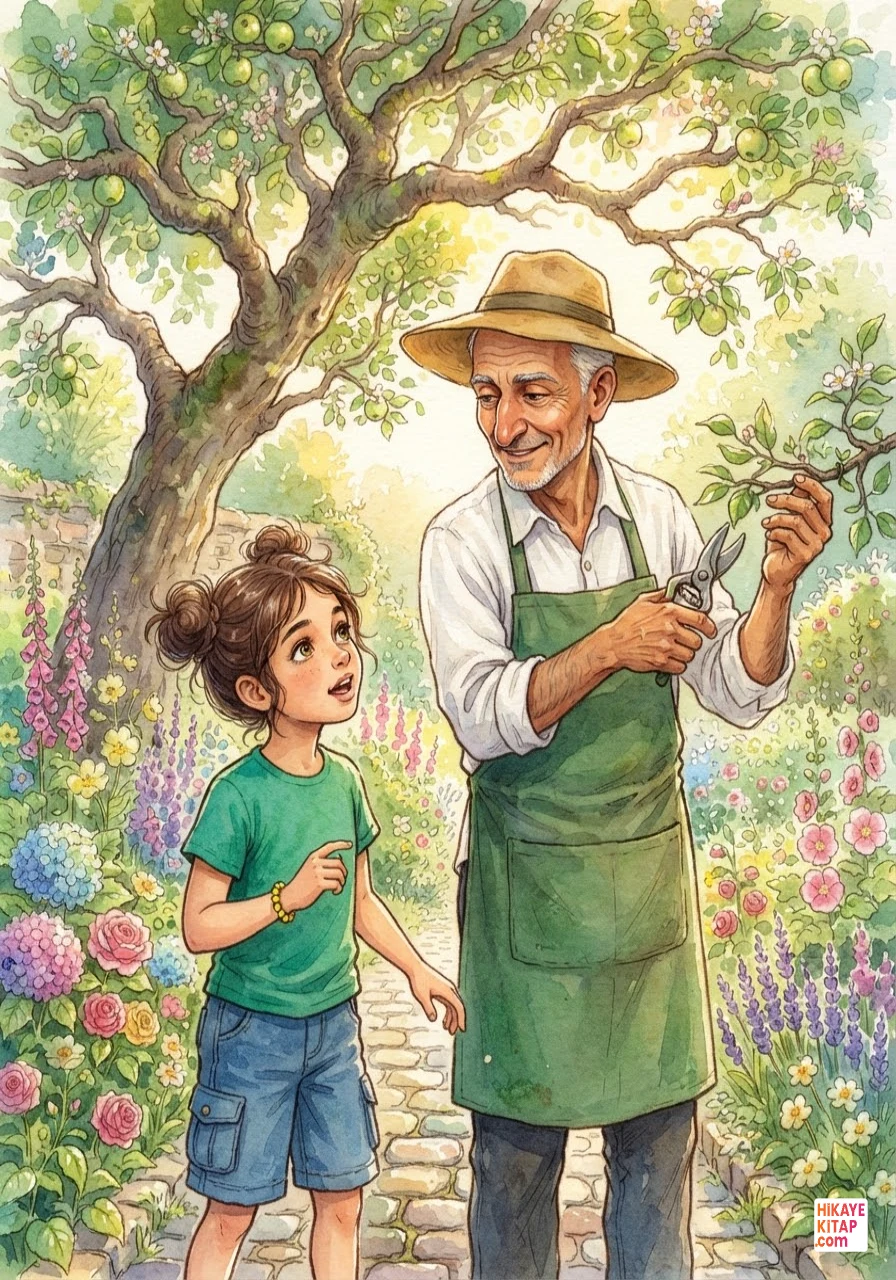
They ran to find Kemal Dede, who was busy pruning some bushes in the corner of the garden. He looked up and smiled at them. “Flowers are at their freshest in the morning, children,” Kemal Dede explained. “Before the sun gets too high, they send their scents as far as they can. They are waiting for their guests, you see.” Nehir looked up curiously. “But who are the guests, Grandpa?”
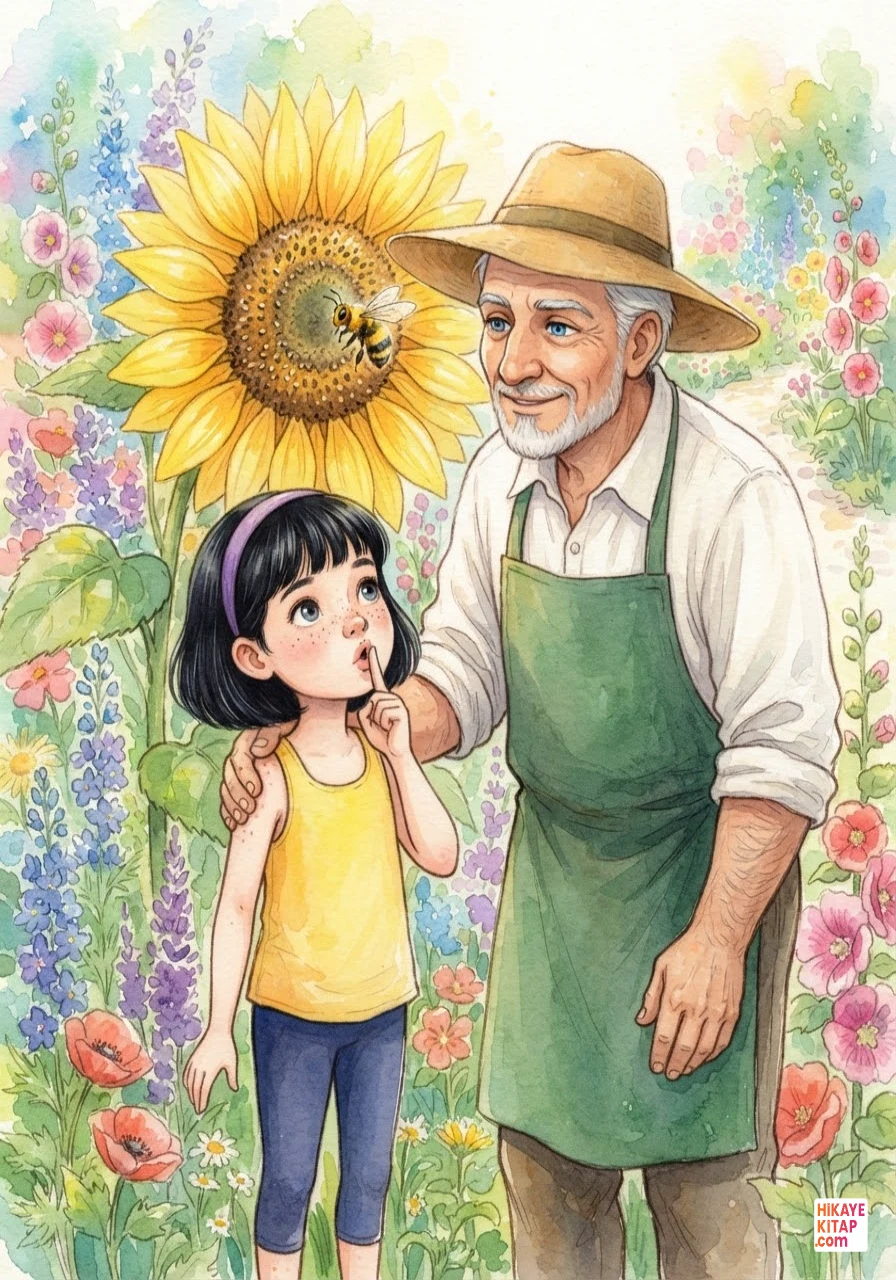
Kemal Dede turned to Ela and pointed his finger at a bright flower where a fuzzy bee had just landed. “Bees and butterflies follow these beautiful scents to find their way,” he said. “The flowers are saying, 'I’m here, come drink my nectar!' Scents are nature's invitations.” Ela watched in wonder as the bee crawled inside the flower and then buzzed away to the next one.

As evening approached, Nehir realized that the garden was made of much more than just colors. It was the softness of the soil under her feet, the rustle of the leaves in the wind, and the magnificent scents filling the air. Nature was a giant painting that she could feel with all five of her senses. She and Ela sat together, closed their eyes, and listened to the symphony of the garden.
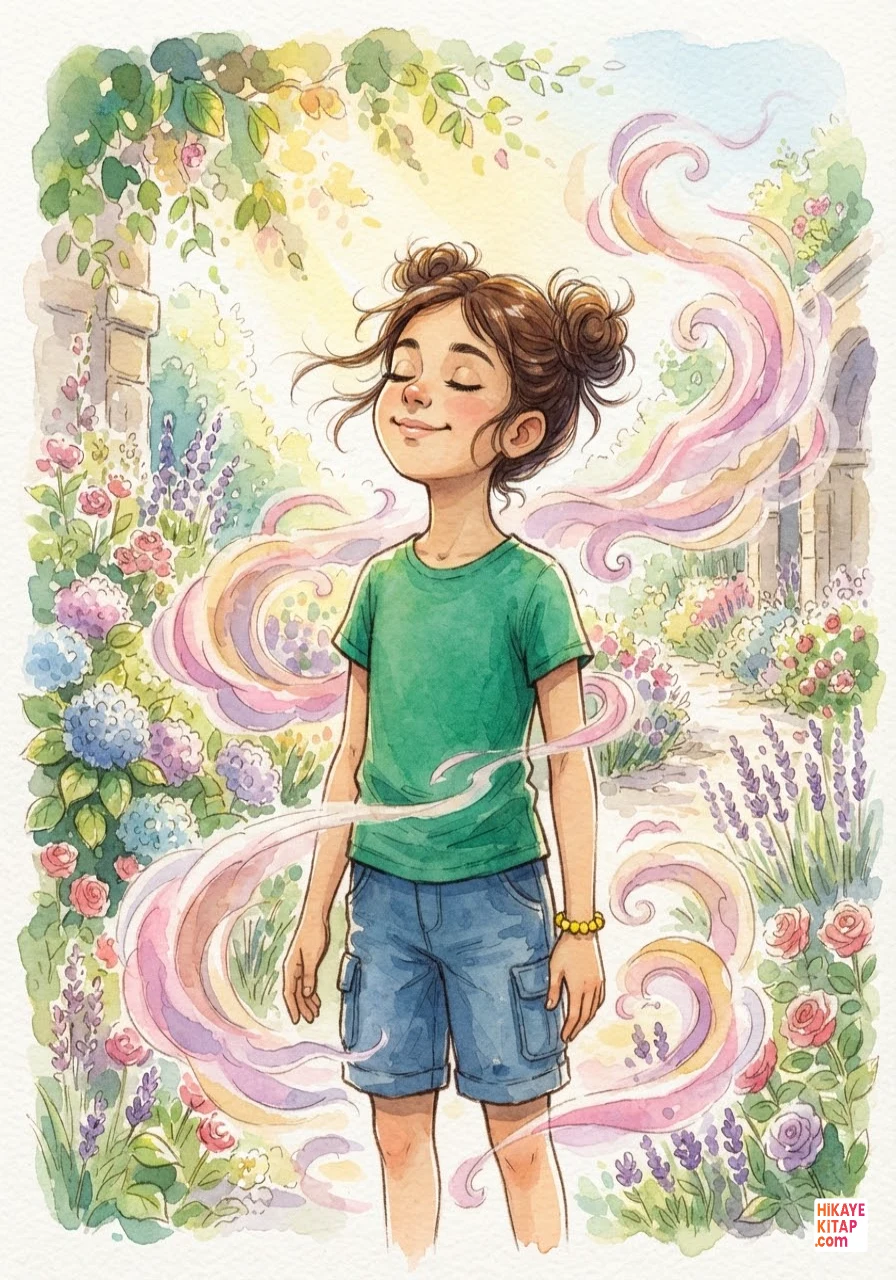
Now, every time Nehir steps into the garden, she stops and closes her eyes first. She lets the “minty coolness” or the “vanilla wind” tell her which flower is greeting her that day. The Garden of Lost Scents wasn't lost anymore; it was found, and it would live forever in Nehir’s heart and in the pages of her journal.
During the first week of school, Lily saw a colorful poster hanging on the bulletin board in the hallway: Environment...
Leo had come up with a brilliant idea for his classroom. He placed a bright orange shoebox on his desk and began to p...
It was a warm summer evening. Chloe spread a soft, bright orange blanket over the fresh green grass in the garden. Th...
Use the link and iframe code below to embed the book on your site.