Lily and the Little Protectors of the World
During the first week of school, Lily saw a colorful poster hanging on the bulletin board in the hallway: Environment...
12 pages · 3 min
Type into the box above to start searching
Features and shortcuts to enhance your reading experience
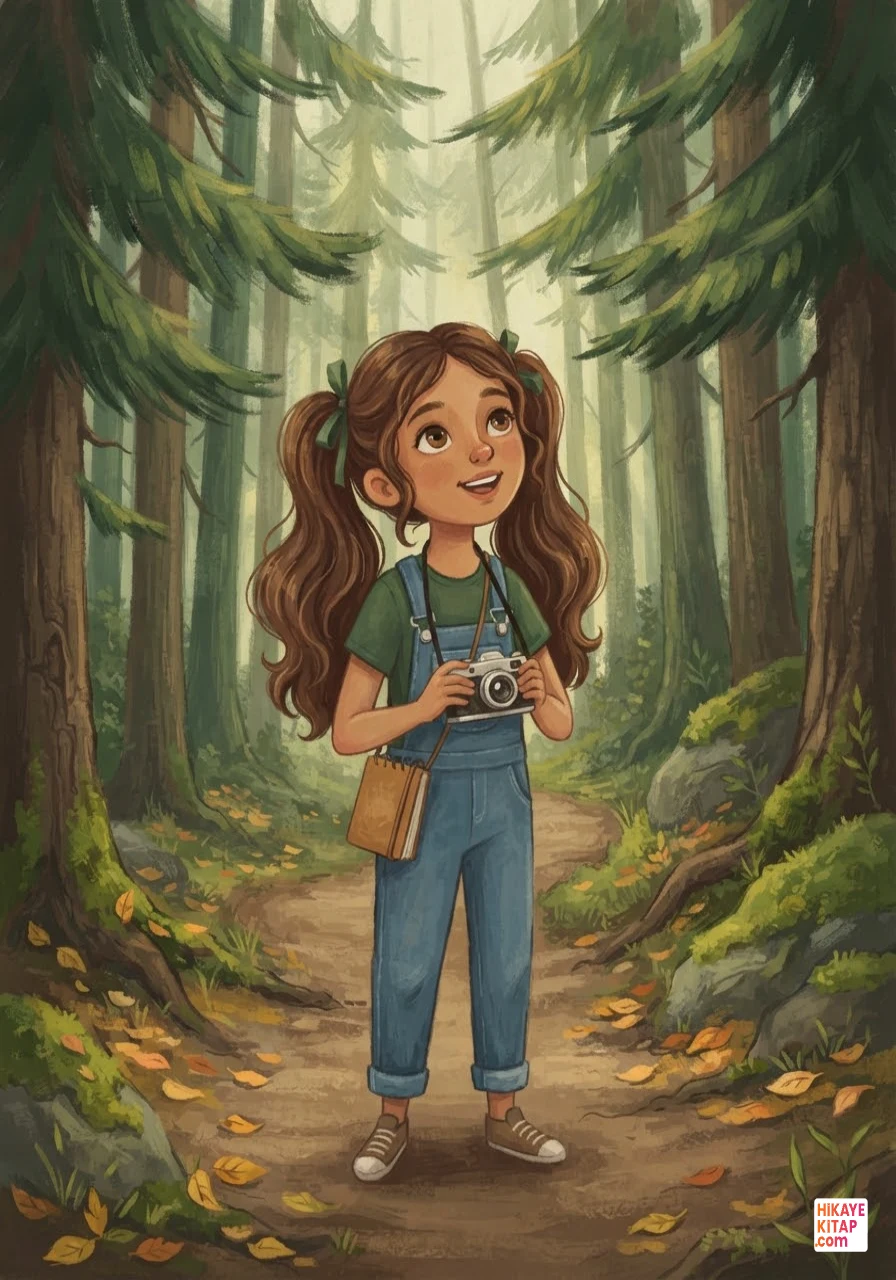

Maya loved to discover the vibrant colors and curious shapes found in nature. Every weekend, she wandered down her favorite forest path, carefully drawing everything she saw in the notebook she always carried in her bag. One day, a wonderful idea struck her: she would start a little nature museum at school. That way, she could share the magic of the forest with all her friends.
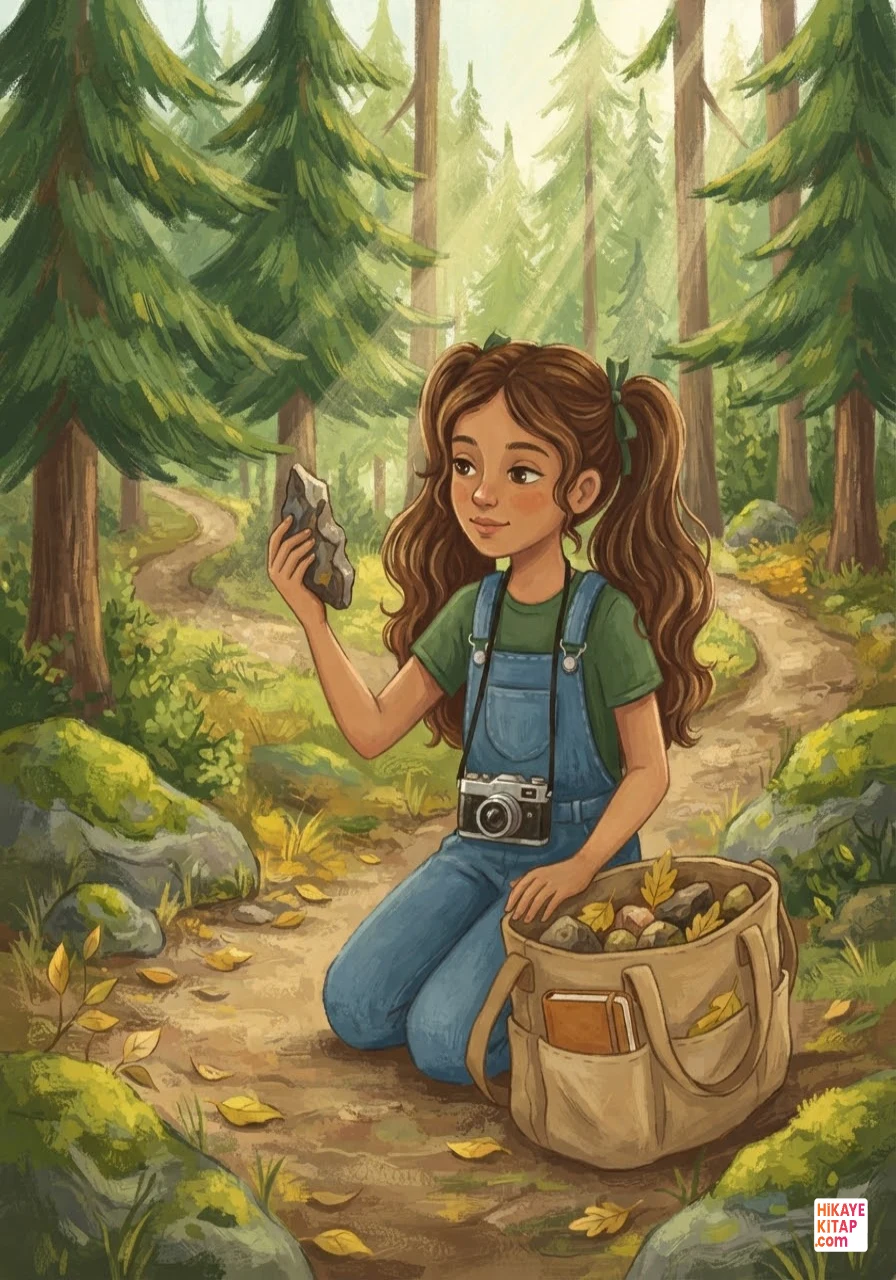
She began gathering treasures for her museum. She filled her bag with interesting stones she found on the path, bright yellow leaves, and even a few wild blossoms that looked full of life. “My museum is going to be magnificent!” she thought. As her bag grew heavier, Maya’s excitement soared. However, she felt a pang of sadness when she noticed the plucked flowers already starting to wilt inside her bag.
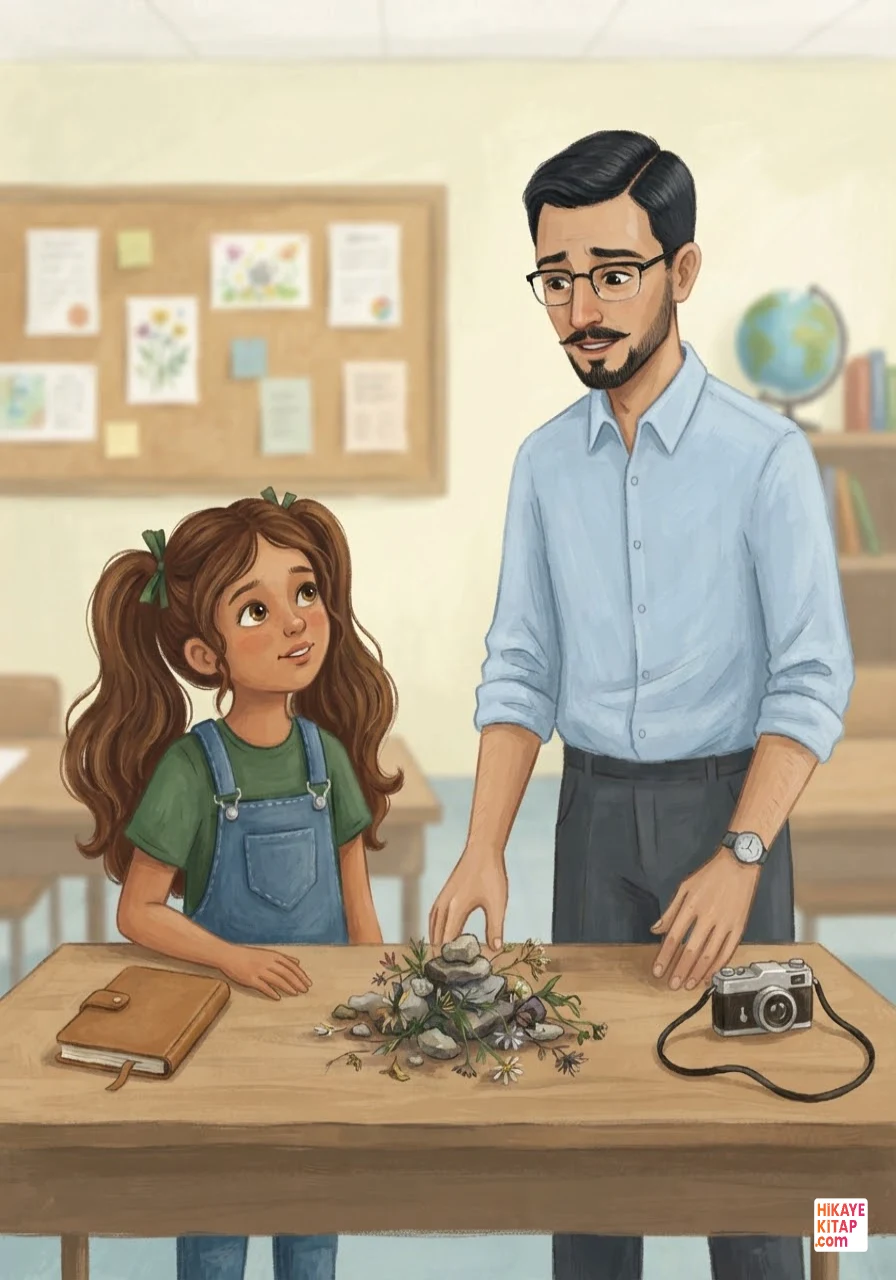
The next day, Maya took her collection to school and excitedly showed it to her teacher, Mr. Silas. He smiled at her enthusiasm, but his expression softened into concern when he saw the wilted flowers and clumps of moss. “Maya,” he said in a gentle voice, “loving nature also means protecting it. Every little thing in the forest has an important job to do right where it is.”
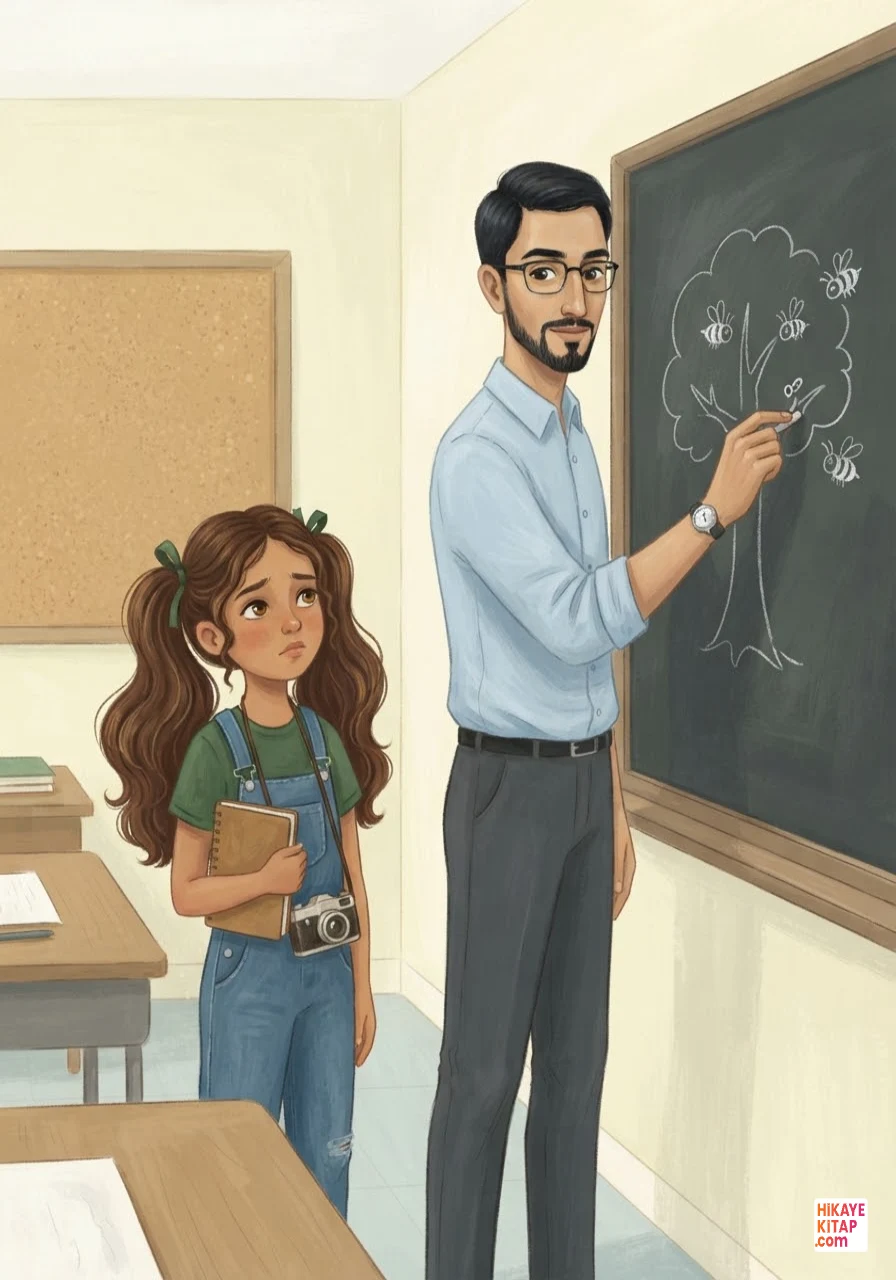
Mr. Silas drew a circle on the chalkboard. “These flowers you picked were breakfast for the bees. This moss was a cozy home for tiny beetles,” he explained. Maya realized that while she was trying to celebrate the forest, she had actually taken away the homes and food of the creatures living there. She looked down at her shoes. “But how can I bring the forest to my classroom without taking it away?” she asked.
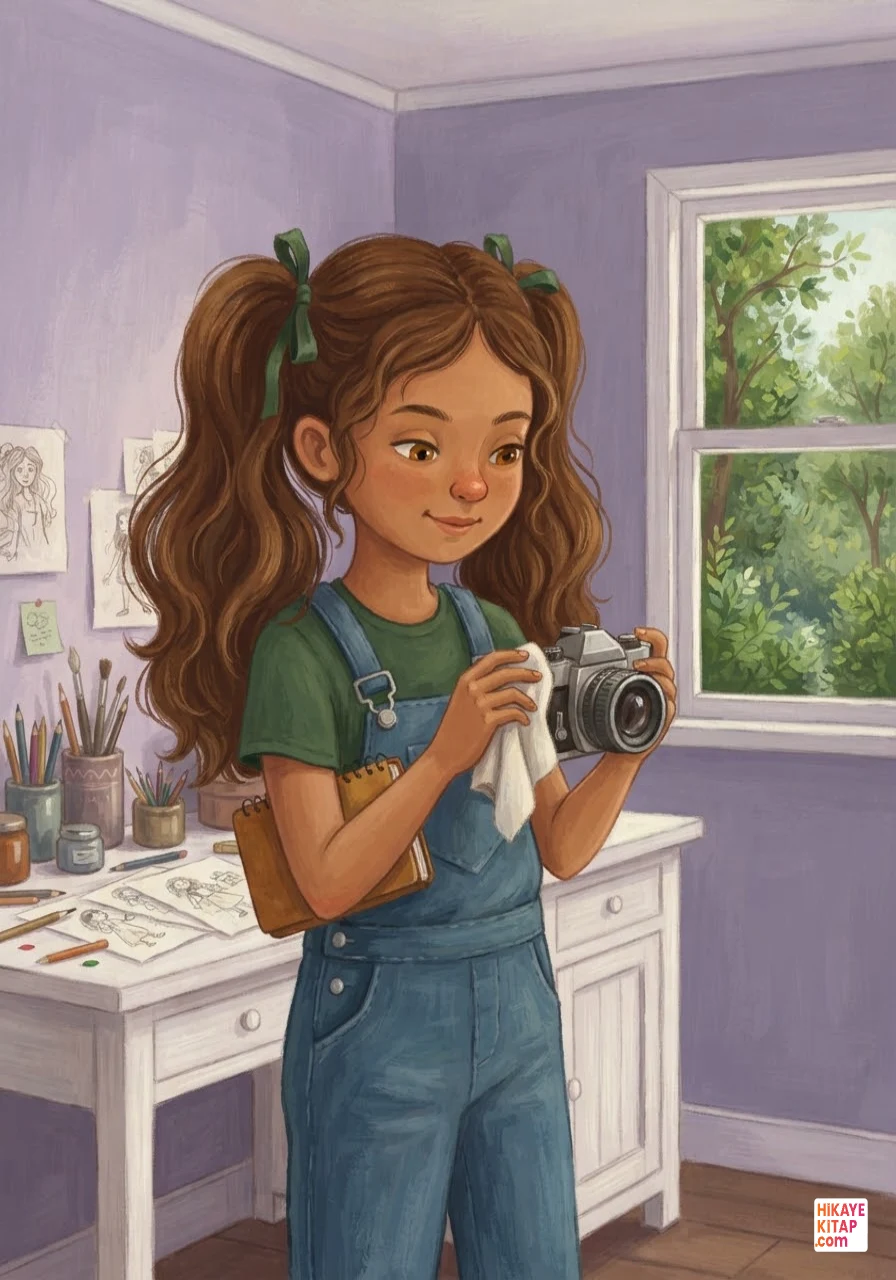
When Maya returned home, she thought long and hard. She spotted an old camera sitting on the corner of her desk. That was the answer! She didn't need to remove things from their homes; she could simply “borrow” their images. She looped the camera strap around her neck and smiled. “The museum that helps nature is officially starting!” she declared.
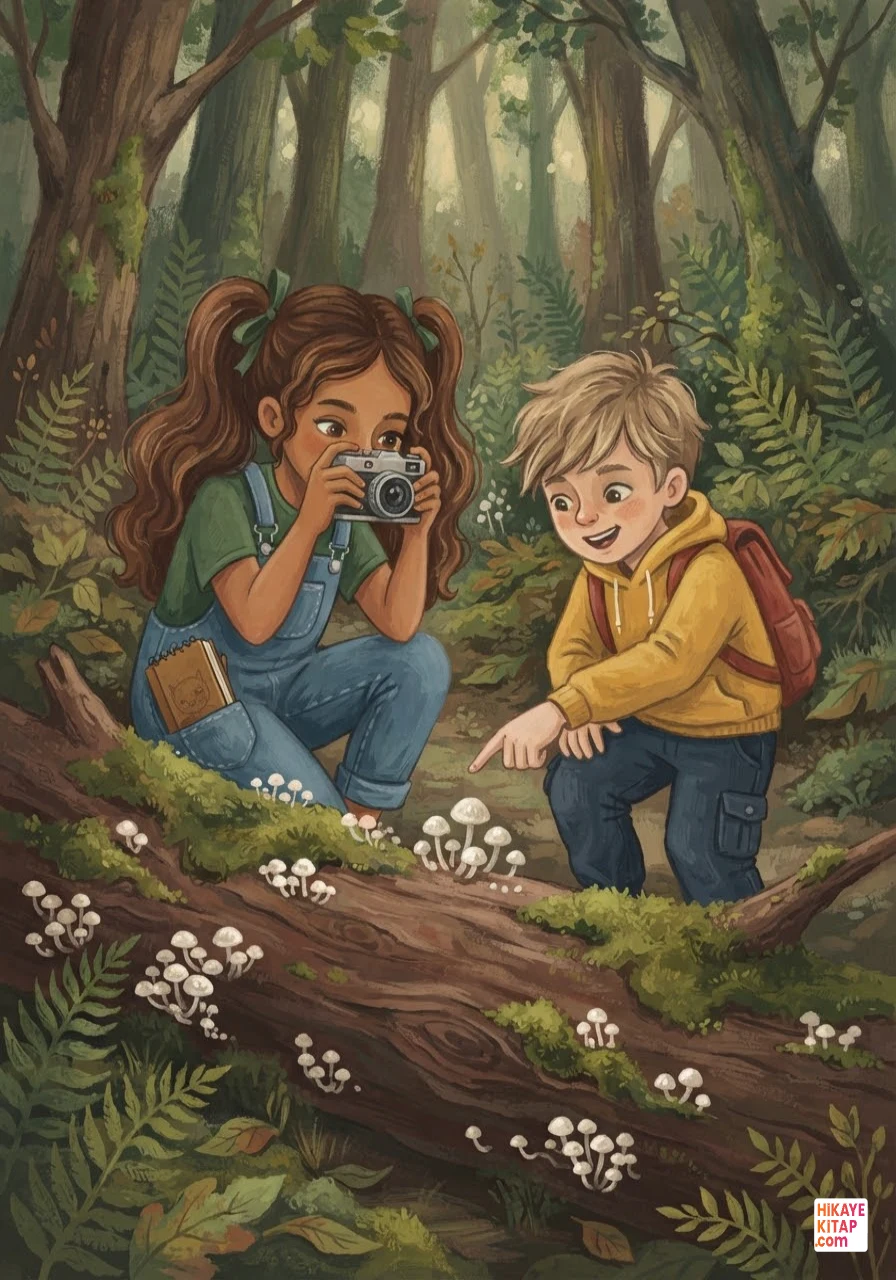
The next morning, she headed back to the woods with her best friend, Rowan. This time, instead of a heavy bag, they carried a camera and small field journals. Rowan discovered a cluster of tiny, umbrella-like mushrooms growing on a decaying log. Maya quickly knelt down and captured the beautiful scene with a click of her camera.
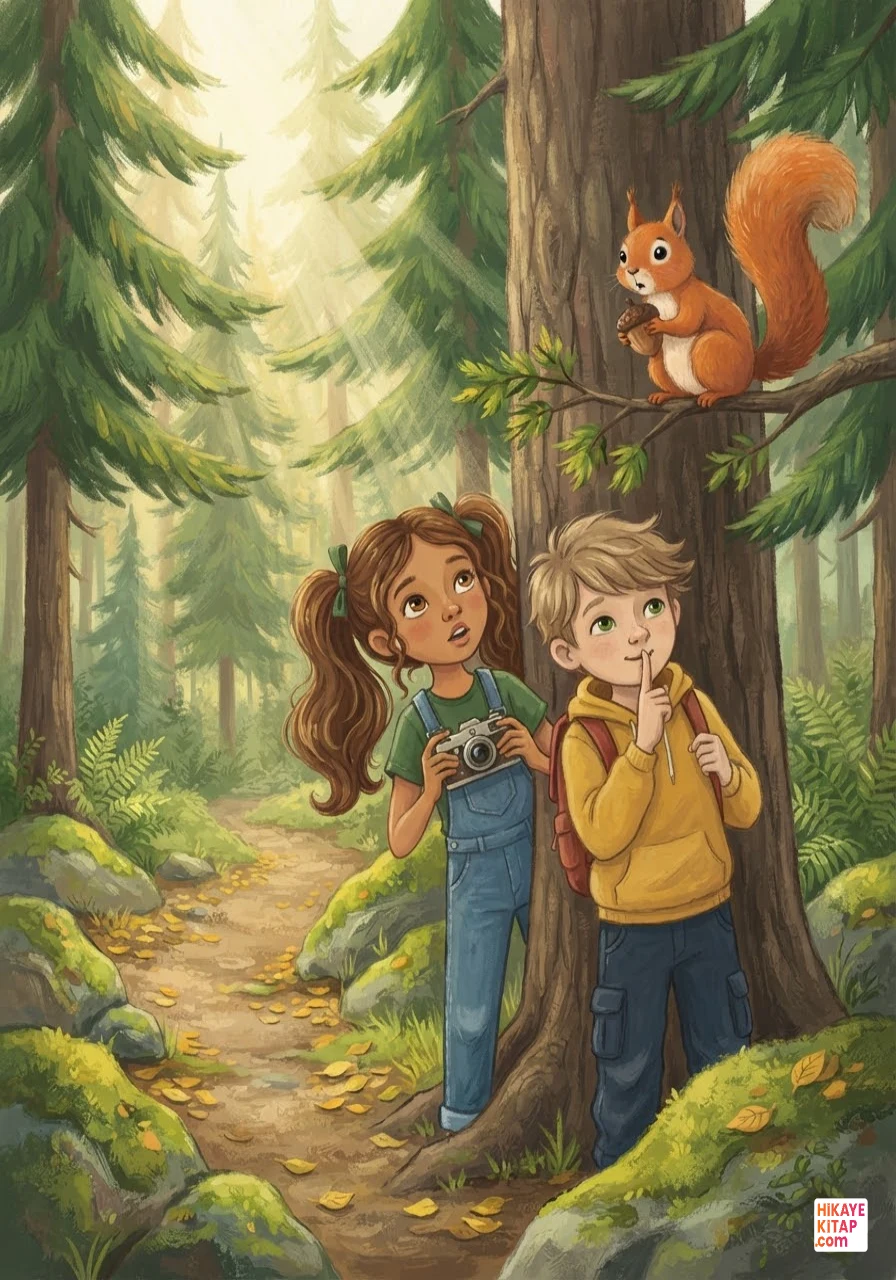
Further along the path, they saw something moving in the hollow of an old oak tree. It was a squirrel! Rowan whispered, “Before, we might have wanted to catch him, but now we’re just watching.” Maya photographed the squirrel from a distance as it nibbled on an acorn. Discovering things without disturbing them felt like a secret detective game, and it was much more exciting.

Back at school, Maya and Rowan got to work. They printed their photos and wrote down all the facts they had researched. Which leaf belonged to which tree? Why was this particular stone so smooth? They looked through nature books to make sure every detail was correct, learning more than they ever had before.
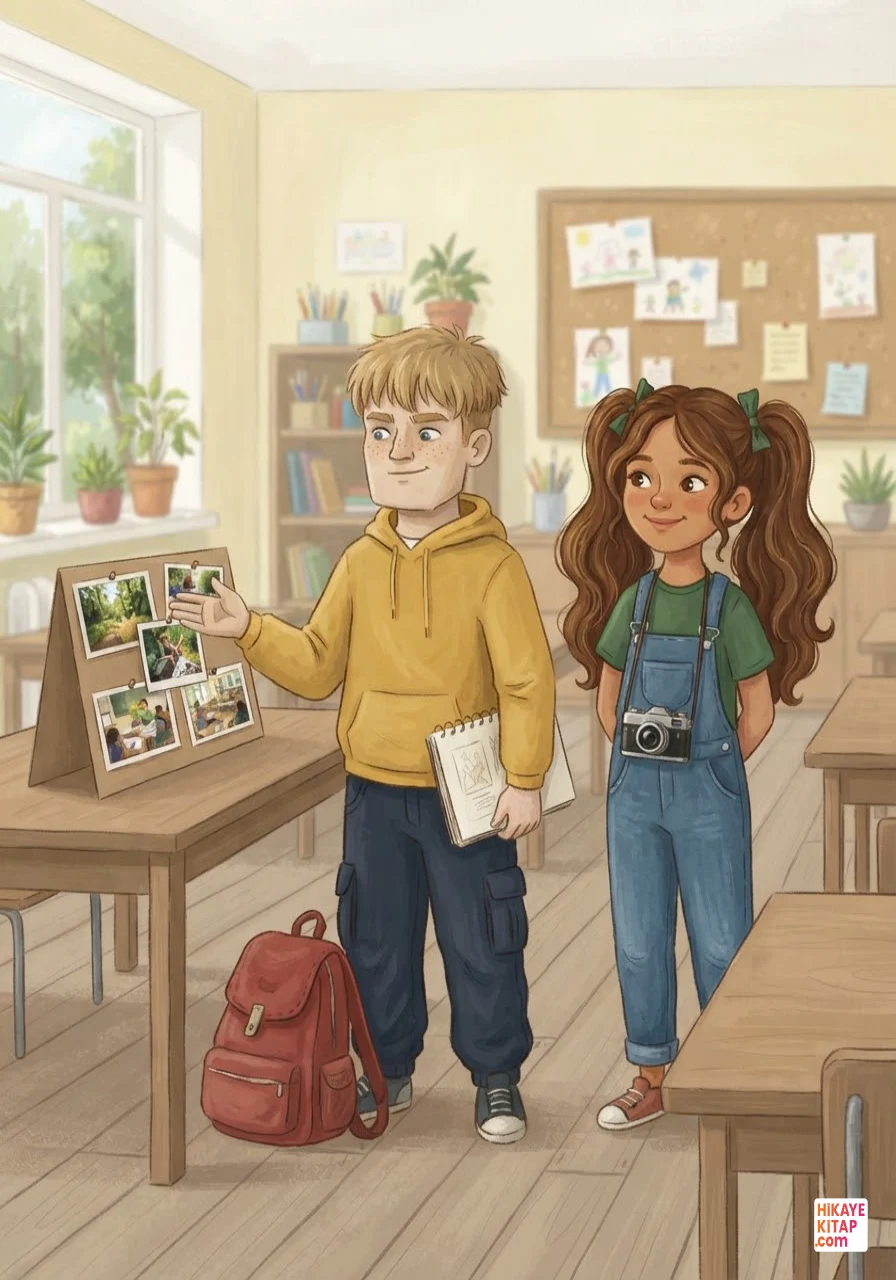
In a corner of the classroom, the “Little Forest Museum” finally opened. Instead of plucked flowers on the tables, there were vibrant photos of blossoms dancing in the wind. Rowan stood by the display, explaining to their classmates why the interesting stones they found were most beautiful when left on the forest floor.

When Mr. Silas visited the museum, he saw a bright spark in Maya’s eyes. “Mr. Silas, my camera is like a magic box,” Maya said. “It lets us keep the beauty of the forest in our hearts and in these pictures, while leaving the real things right where they belong.” Maya wasn't just an artist anymore; she was a true guardian of nature.
During the first week of school, Lily saw a colorful poster hanging on the bulletin board in the hallway: Environment...
Leo had come up with a brilliant idea for his classroom. He placed a bright orange shoebox on his desk and began to p...
It was a warm summer evening. Chloe spread a soft, bright orange blanket over the fresh green grass in the garden. Th...
Use the link and iframe code below to embed the book on your site.