Lily and the Little Protectors of the World
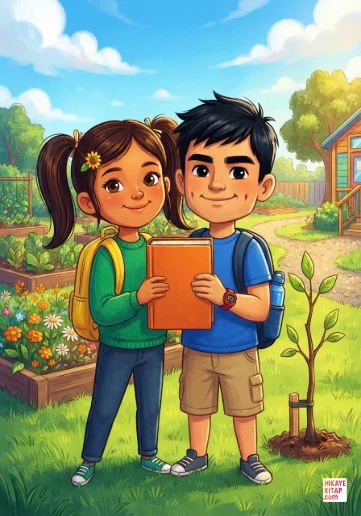
During the first week of school, Lily saw a colorful poster hanging on the bulletin board in the hallway: Environment...
12 pages · 3 min
Type into the box above to start searching
Features and shortcuts to enhance your reading experience
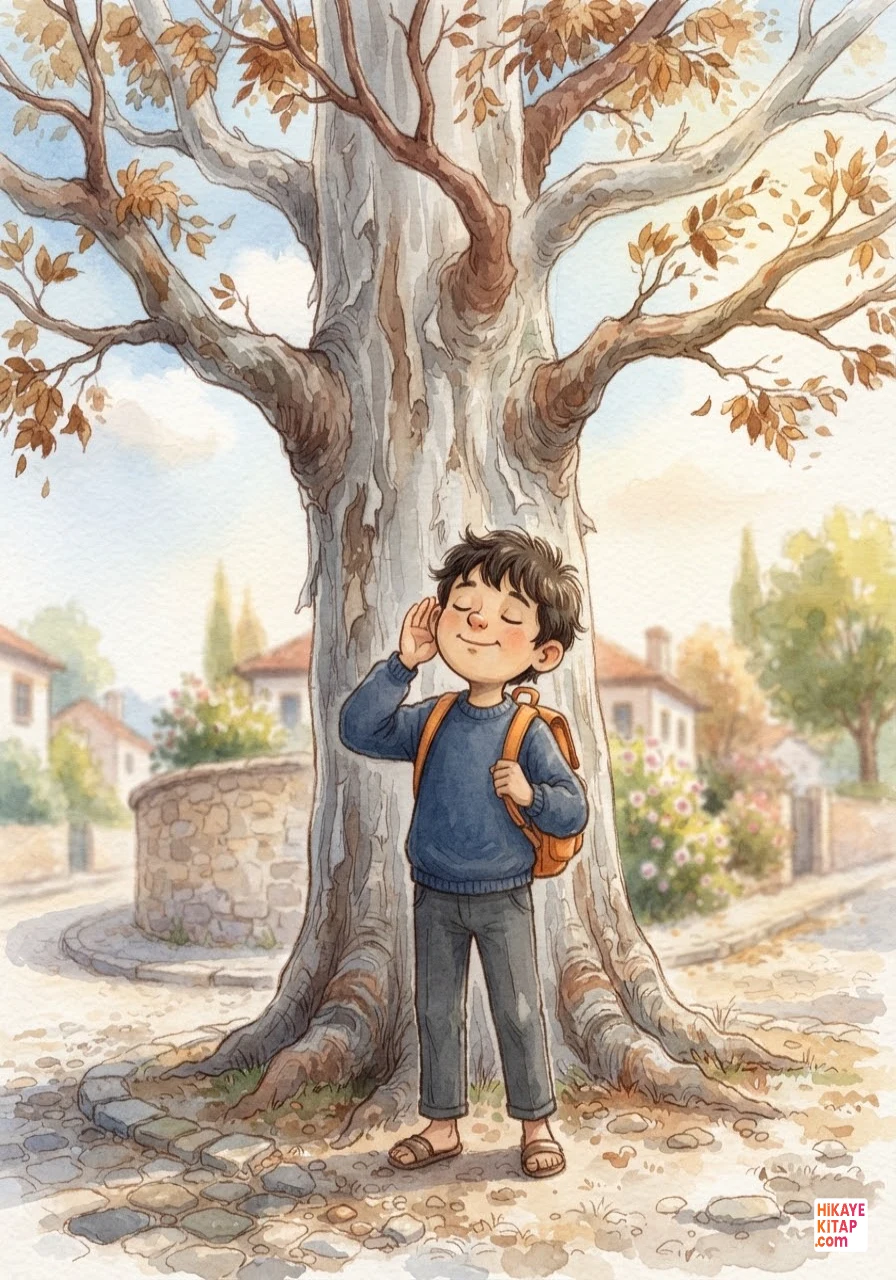
Every day on his way home from school, Leo would stop under the giant plane tree that stood like a guardian on the corner. He would close his eyes and listen to the branches. From high above, a strange, rhythmic rustling sound drifted down to him. Leo imagined it was a secret song, a whisper meant only for those who took the time to stop and listen.
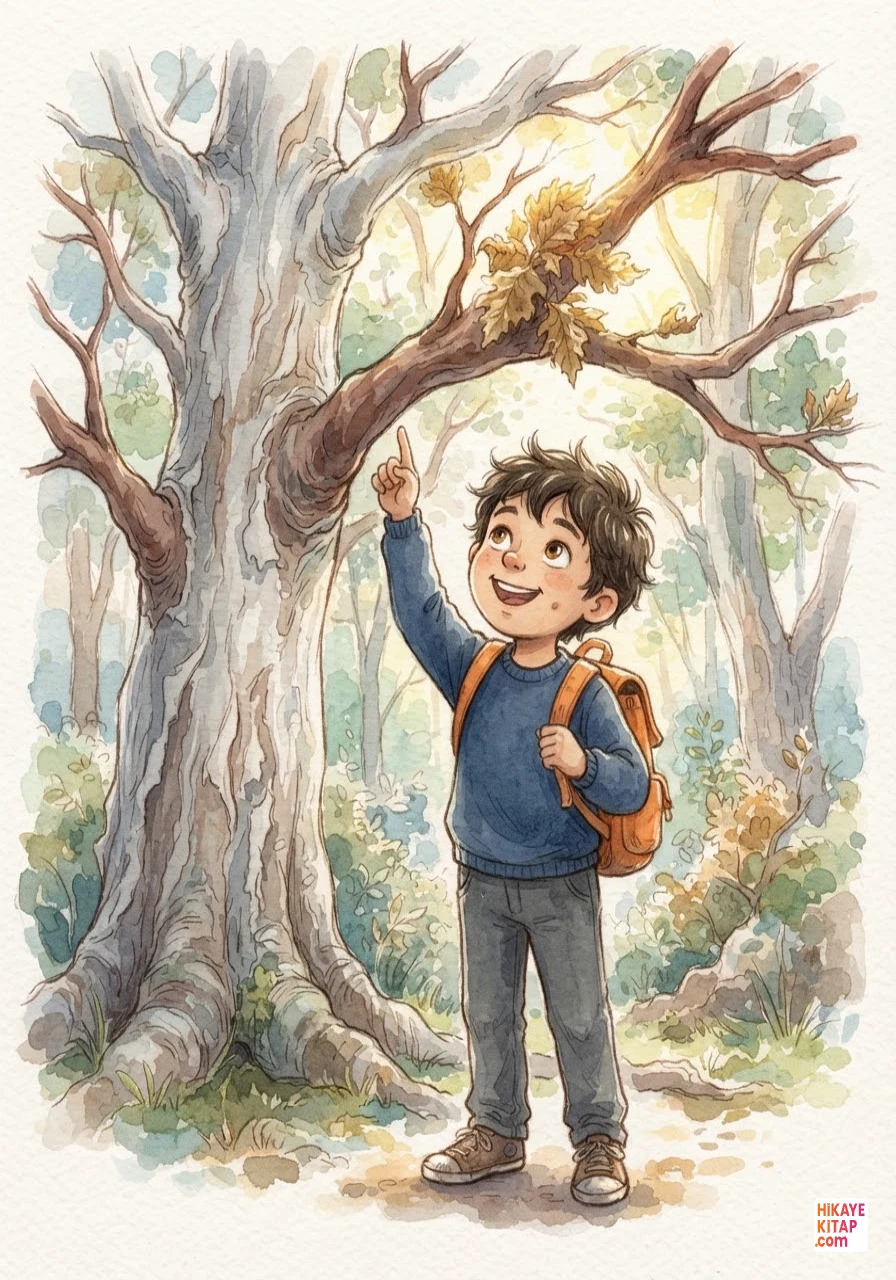
One afternoon, Leo’s curiosity got the better of him. He stepped closer to the trunk and squinted at the golden-brown canopy. High up, he spotted the source of the melody. A cluster of dry, crisp leaves was caught between two sturdy branches. Every time the air moved, they danced against each other, creating that familiar rustle. “It’s not a ghost or a bird,” Leo whispered, “it’s just the leaves!”
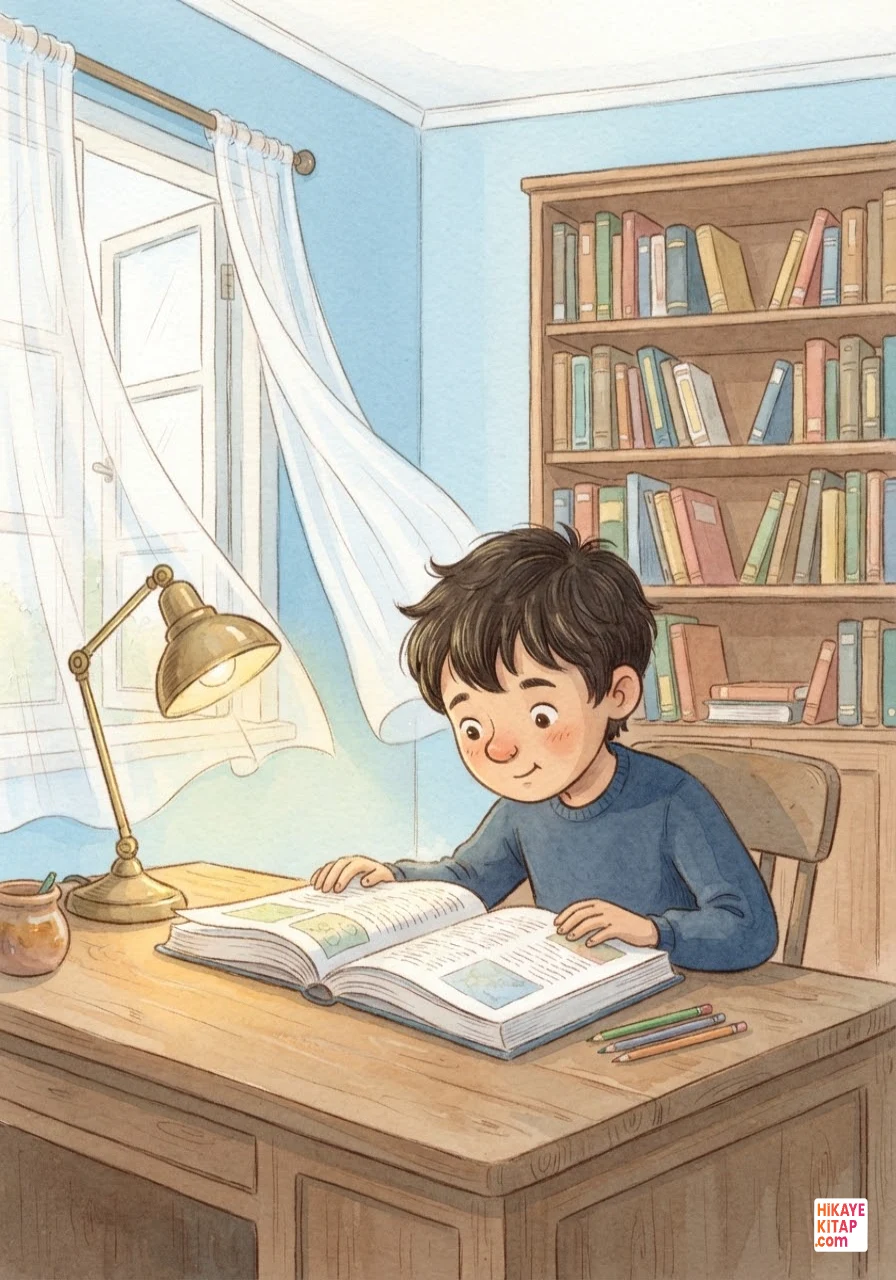
That evening, Leo didn’t go straight to his toys. Instead, he pulled out a thick book about the Earth. He wanted to know what made those leaves dance. He read about how warm air rises and cool air rushes in to take its place, creating a flow. He realized that the wind was like the Earth’s giant breath, and today, it had been playing a song just for him.
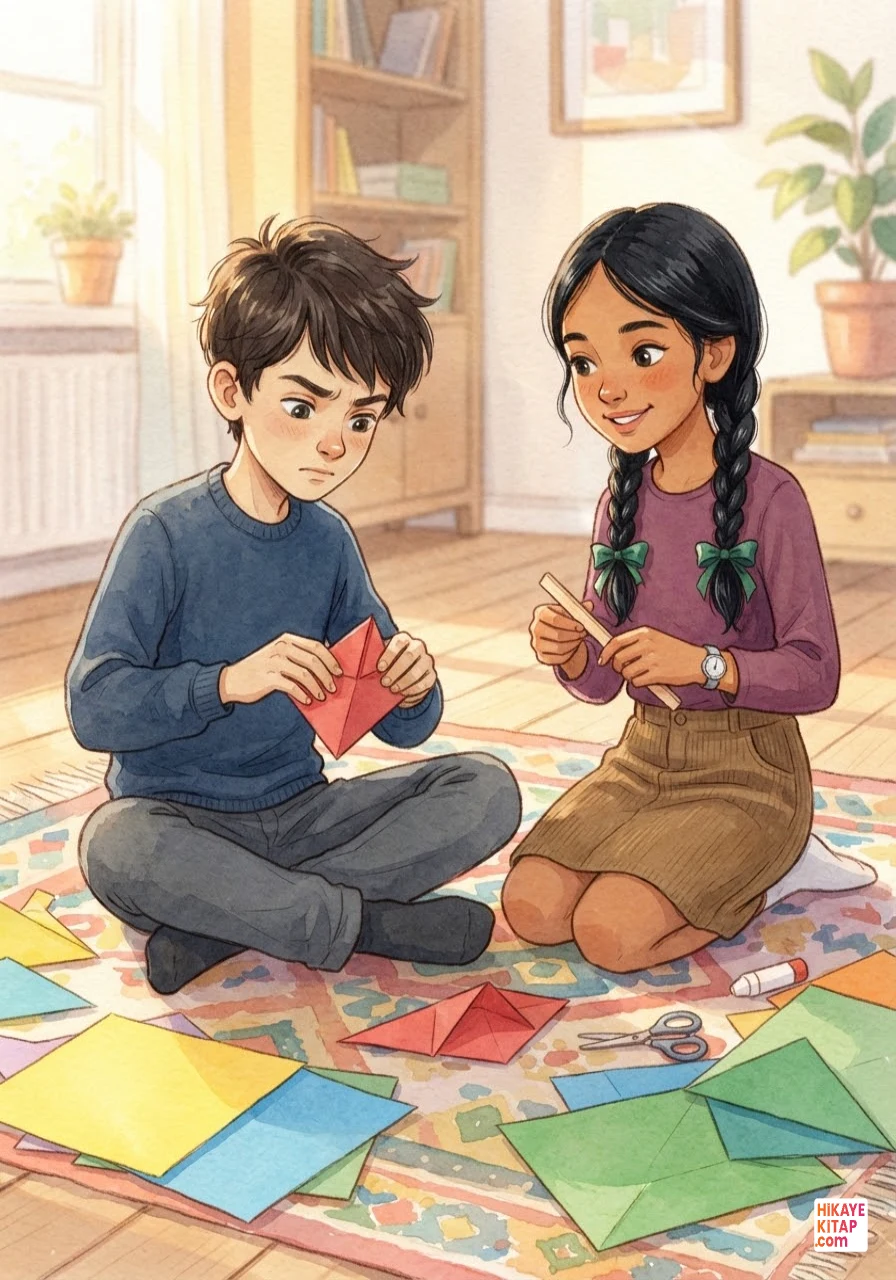
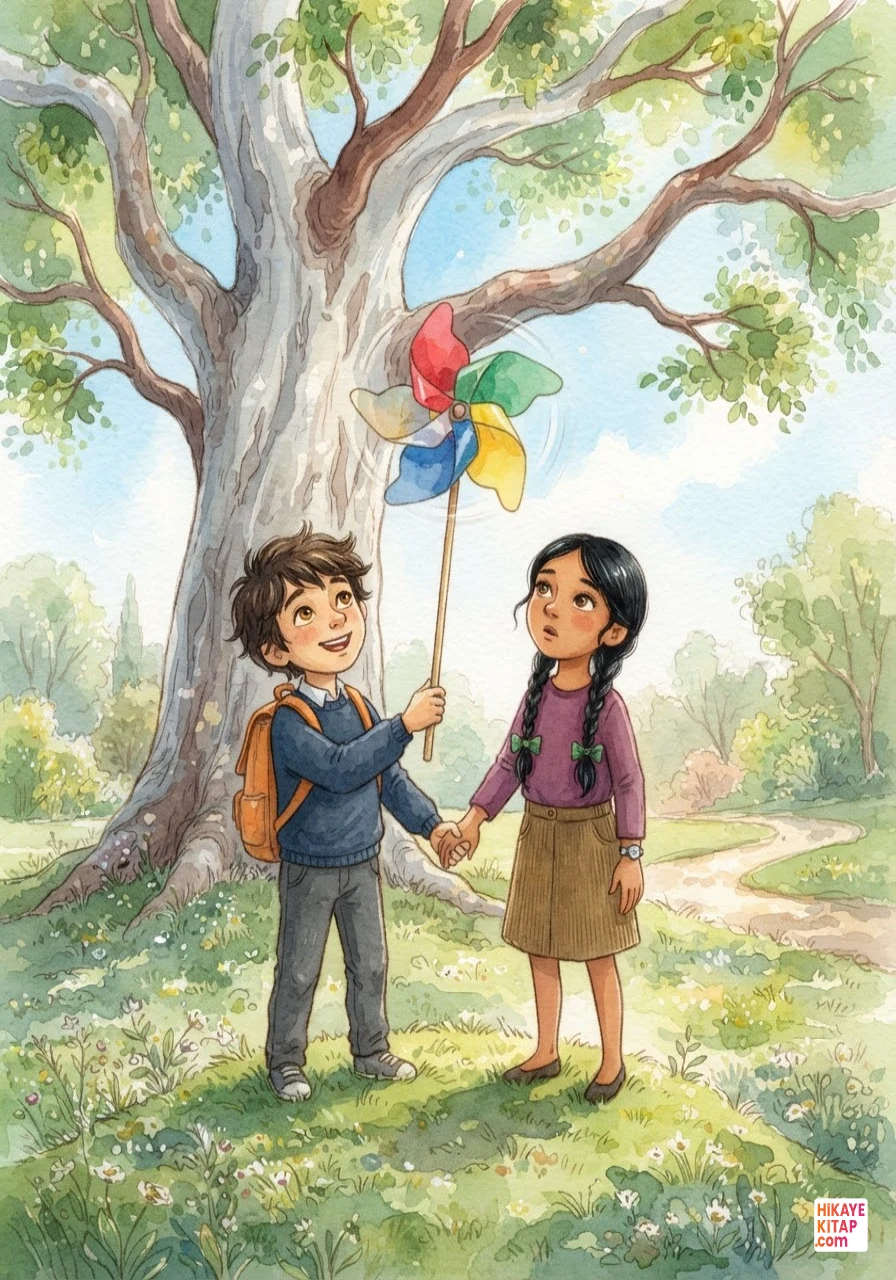
The next day, Leo shared his discovery with his best friend, Mia. She was just as curious as he was. Together, they decided to catch the wind’s song using colors. They gathered bright paper, a few pins, and some wooden sticks to build their very own pinwheel. They wanted to see the invisible breath of the world in motion.
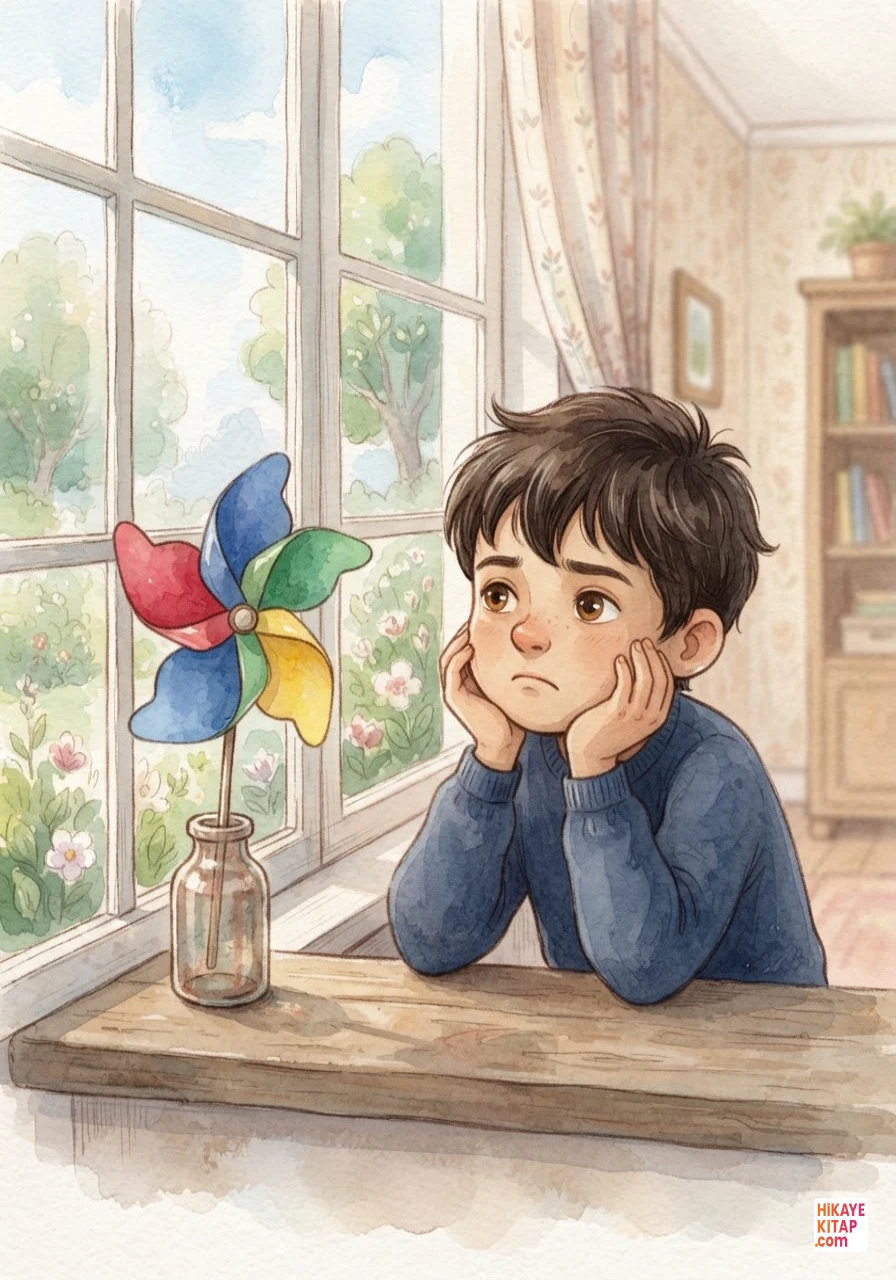
They took their creation to the window, but the air was perfectly still. The pinwheel didn't move an inch. Leo rested his chin on his hands, staring at the colorful toy with a frown. He was getting impatient. “Maybe it’s broken,” he sighed. “Why won't the wind come and play with us right now?”
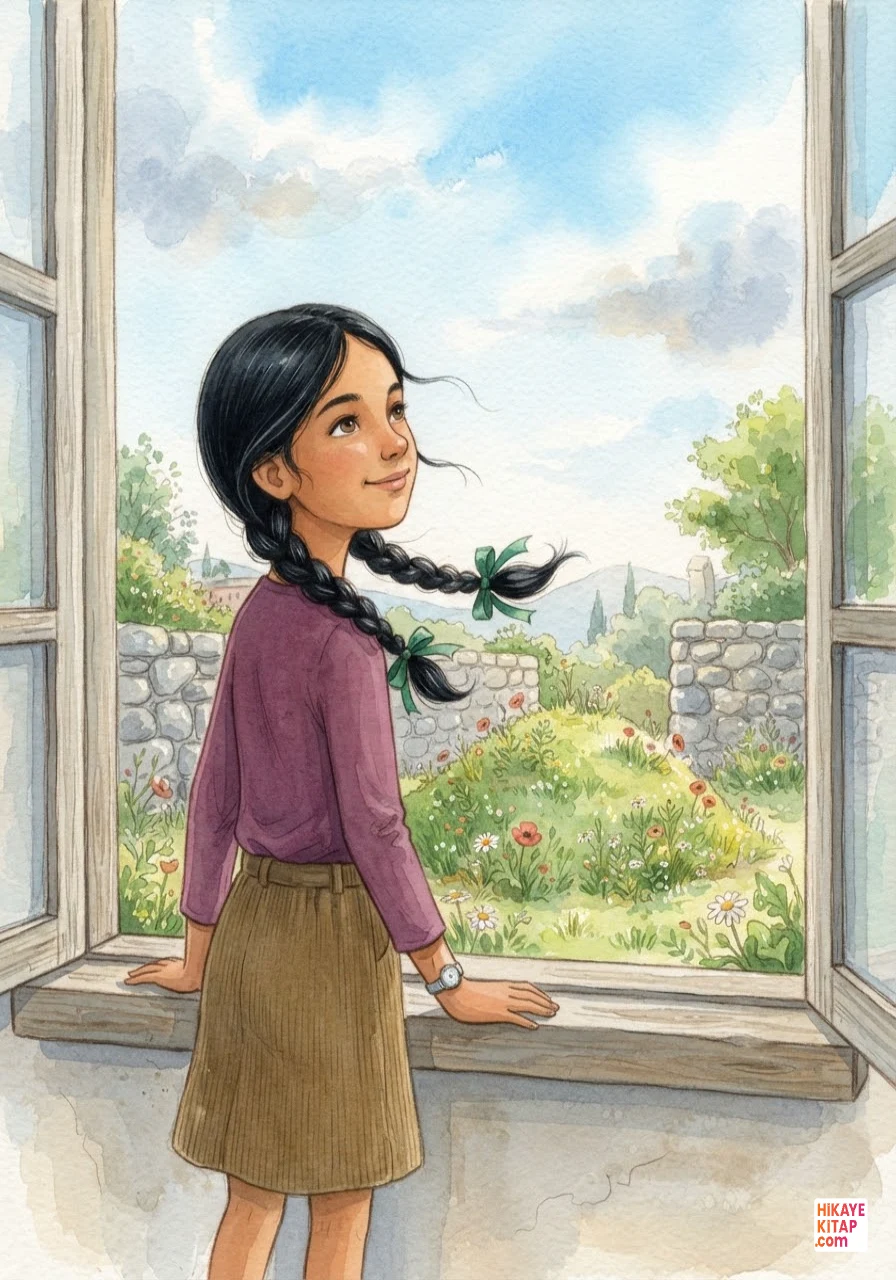
Mia looked out at the sky and saw the softest movement in the clouds. She smiled at her friend. “Don't worry, Leo,” she said gently. “Maybe we can’t see the wind itself, but we can always see its effect if we look closely enough. We just have to be patient and wait for the world to move.”
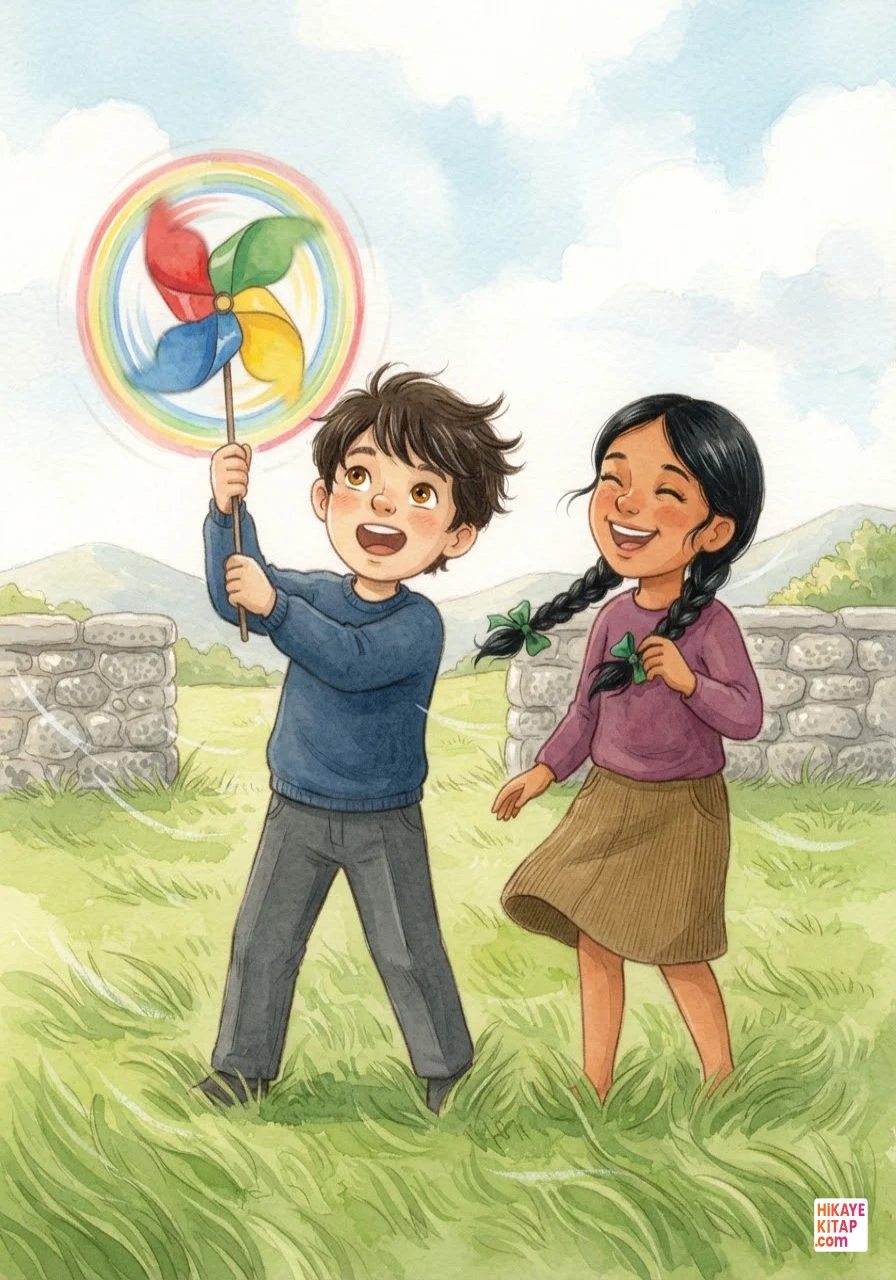
Suddenly, a gust of wind swept through the garden. The pinwheel in Leo’s hand didn't just turn; it blurred into a circle of spinning rainbows! The faster the wind blew, the louder the little “whirr” of the paper became. “Look, Mia!” Leo shouted over the sound of the breeze. “The wind isn't just breathing; it's singing out loud now!”
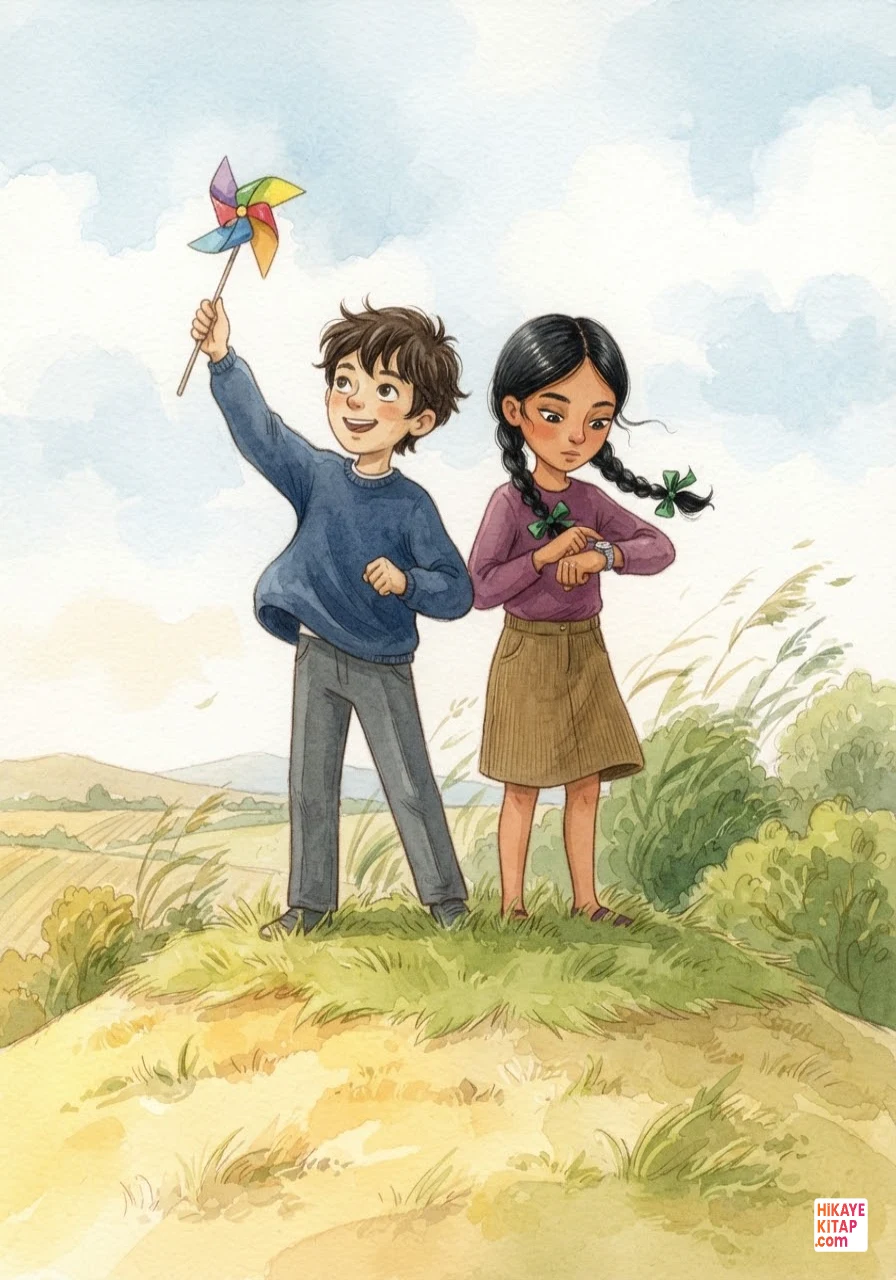
The two friends became little scientists. They decided to see if the wind sang the same way everywhere. They carried the pinwheel to the corner behind the shed, then up to the top of a small grassy hill. They watched as the paper blades slowed down in the shadows and whirled like crazy in the open fields.
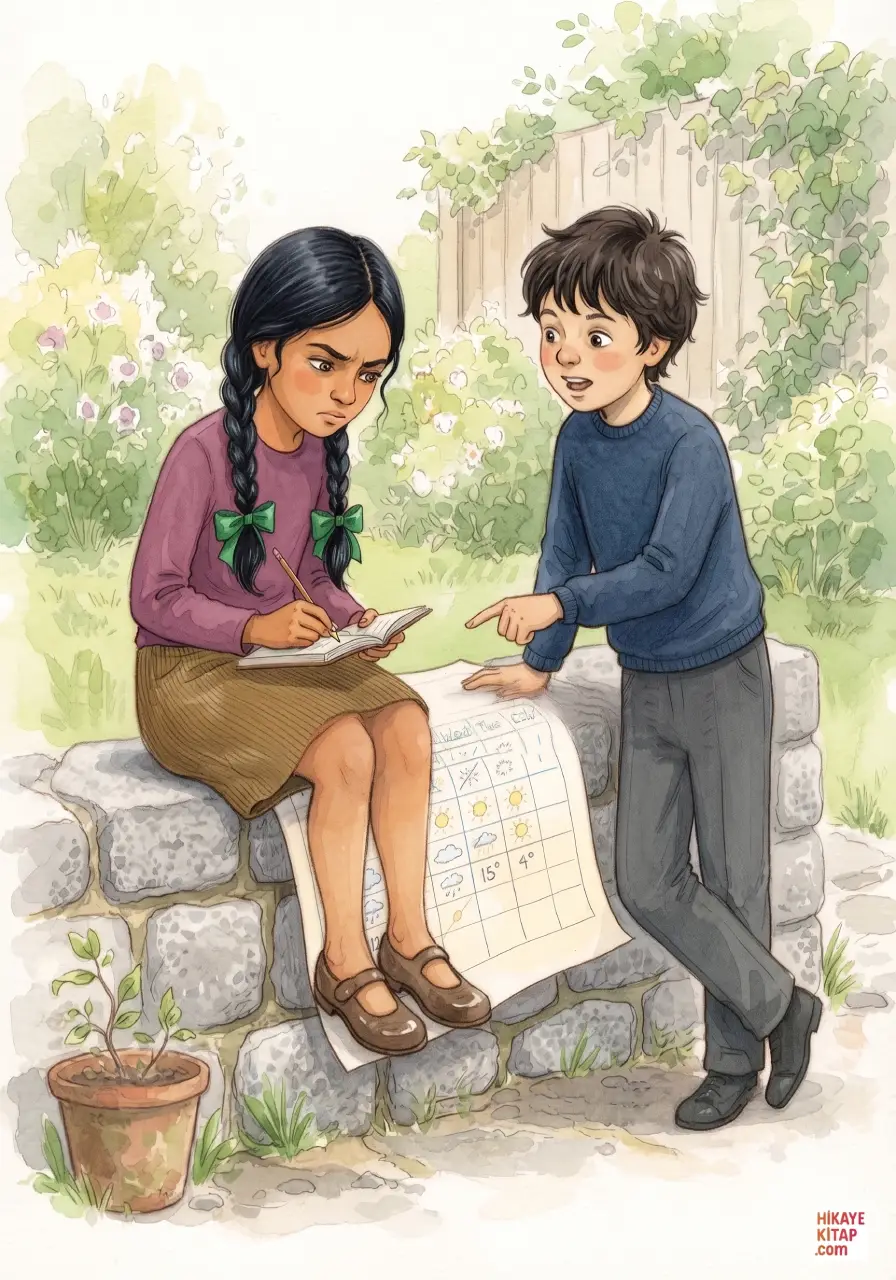
Back inside, they sat down with a piece of paper. They drew a table and carefully recorded what they had seen. “Behind the shed: very slow. On the hill: very fast. Under the tree: medium,” Mia wrote. They realized that the wind had different strengths and speeds depending on where it traveled.
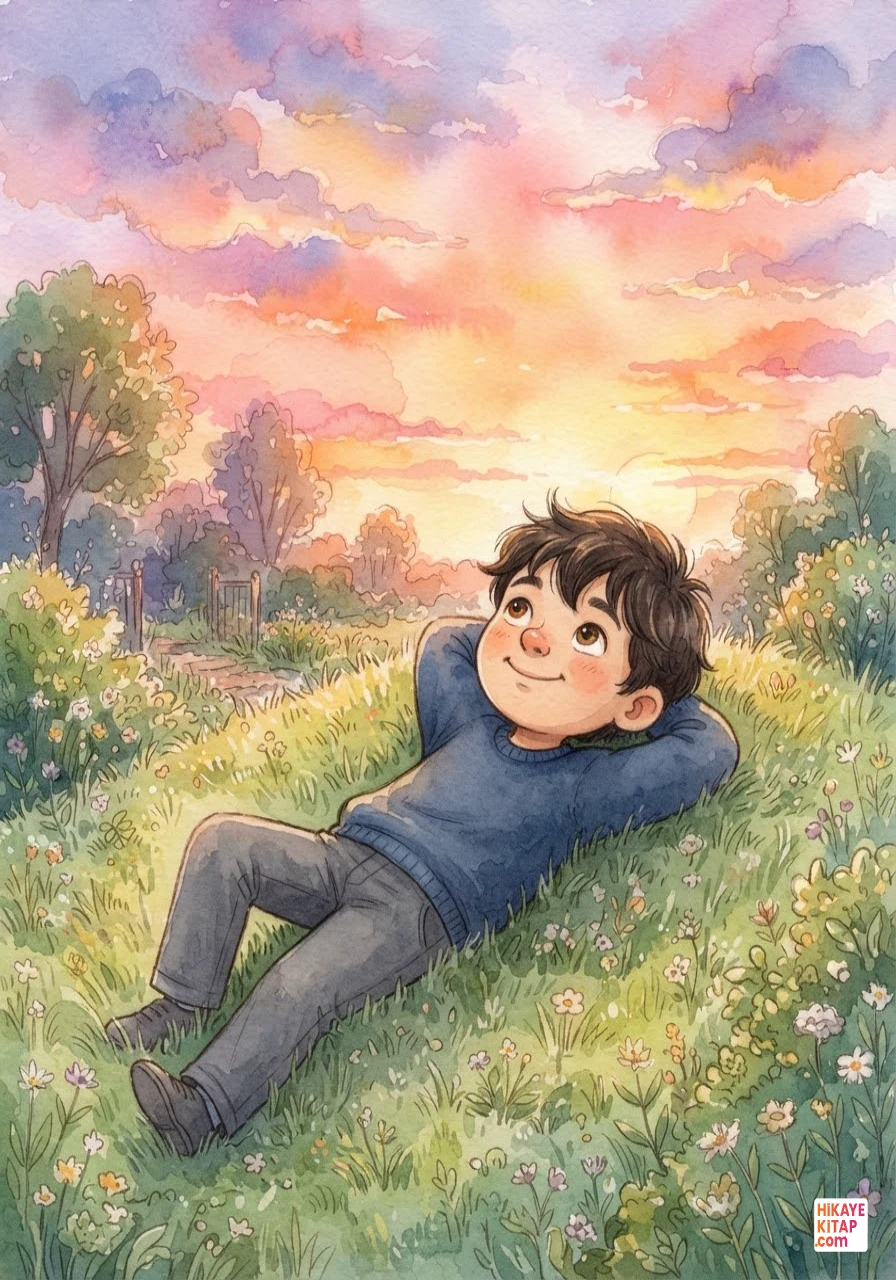
As the sun began to set, Leo realized something very important. Science wasn't just something that happened in big, cold laboratories with people in white coats. Science was happening right here in his backyard, in the air he breathed, and in the movement of the trees. The whole world was one big experiment waiting to be understood.
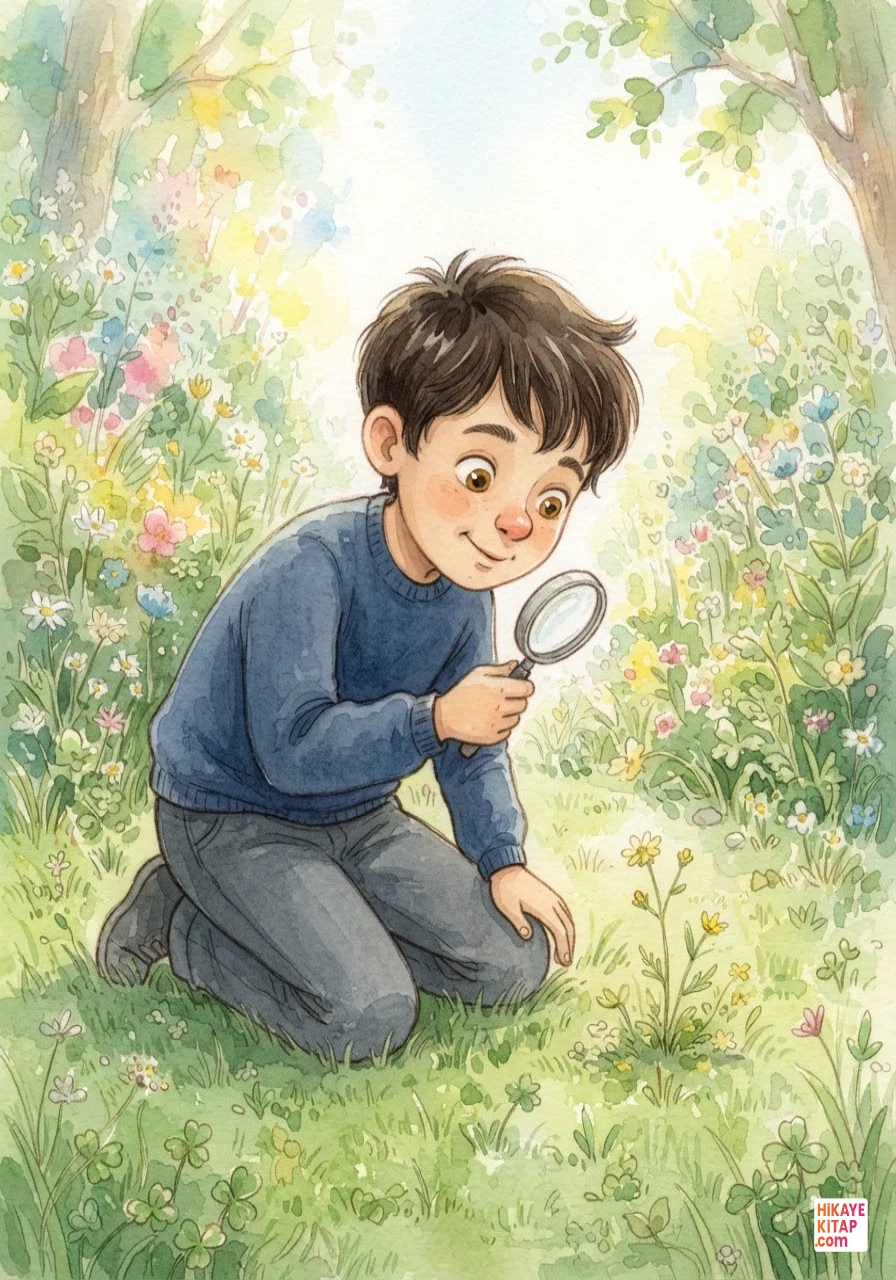
From that day on, Leo looked at everything differently. He started noticing how ants followed invisible trails and how a single raindrop could slide down a leaf like a tiny glass bead. He realized that the most ordinary things were actually full of magic and logic, if you only took a second to look closer.
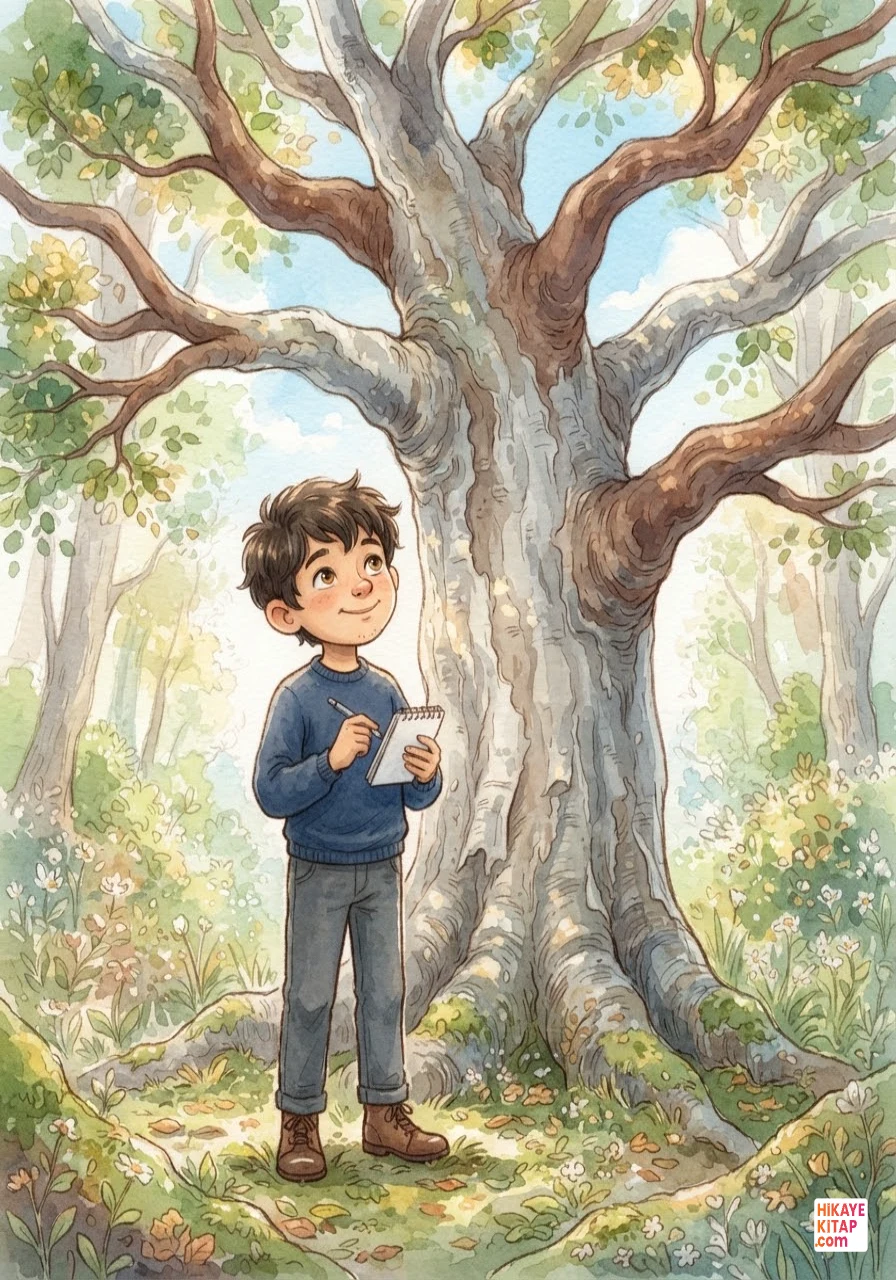
The next morning, Leo stopped under the big plane tree again. The branches rustled, and the dry leaves began their familiar song. But this time, Leo didn’t just listen. He took out his notebook and smiled at the tree. Every rustle was no longer just a sound; it was a beautiful new science question waiting for an answer.
During the first week of school, Lily saw a colorful poster hanging on the bulletin board in the hallway: Environment...
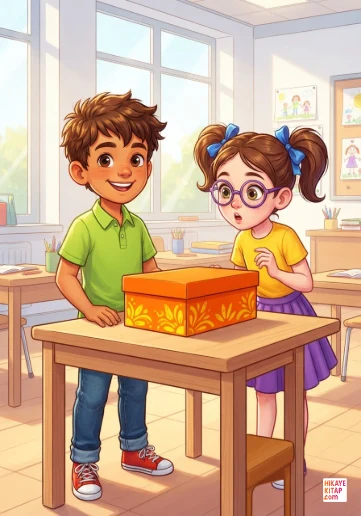
Leo had come up with a brilliant idea for his classroom. He placed a bright orange shoebox on his desk and began to p...
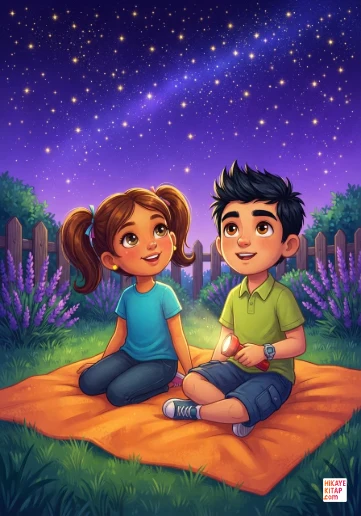
It was a warm summer evening. Chloe spread a soft, bright orange blanket over the fresh green grass in the garden. Th...
Use the link and iframe code below to embed the book on your site.