The Wind Workshop on the Northern Slopes
Adrian unlocks a long-closed workshop on the northern slopes and asks wise Master Arthur for help. Inventor Simon and...
12 pages · 7 min
Type into the box above to start searching
Features and shortcuts to enhance your reading experience
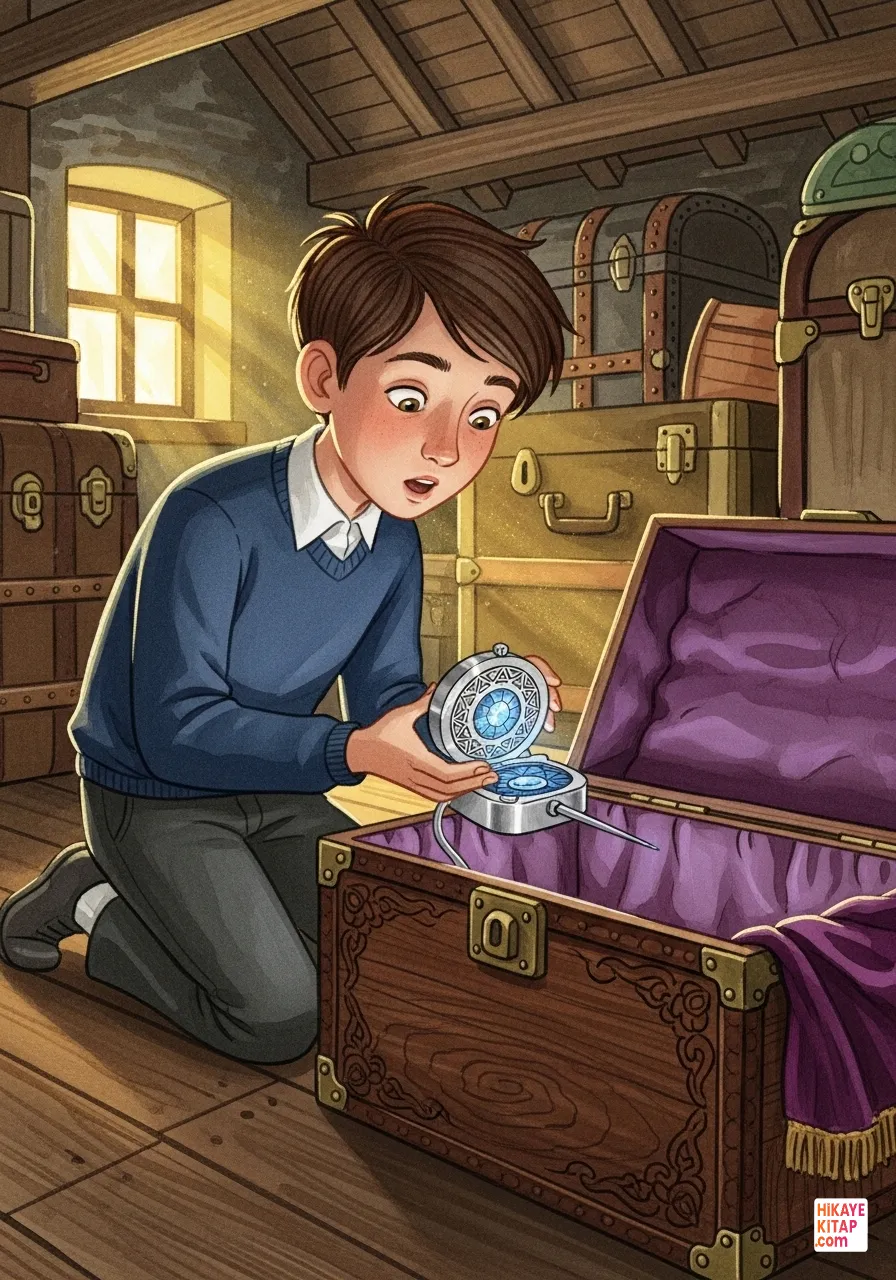
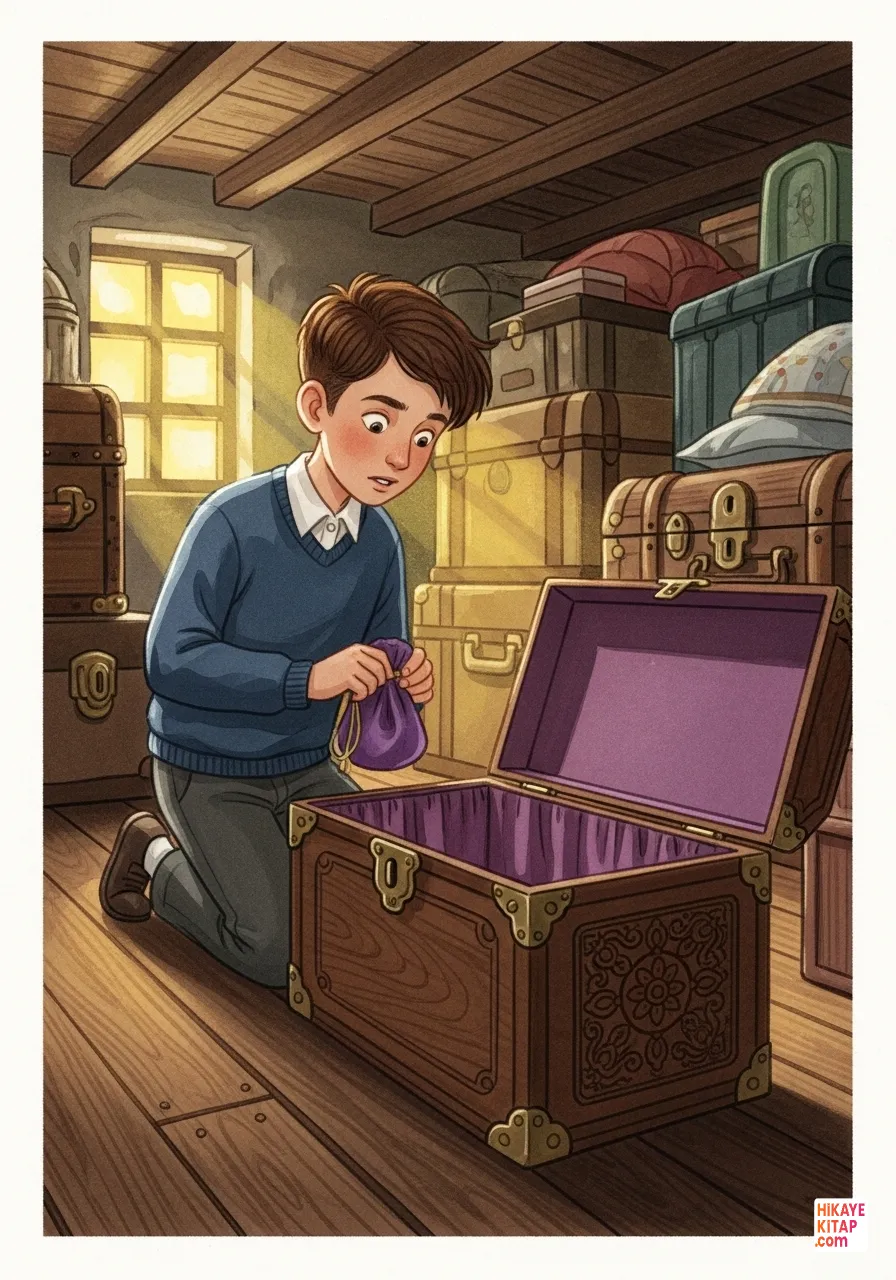
Leo was rummaging through old things in the attic where dusty rays of sunlight filtered through. Among the memories left by his grandfather, a heavy, ornate chest forgotten in the corner caught his attention. When he struggled to open the lid of the chest, he found a shiny metal object in a velvet pouch. This was nothing like usual compasses; it had strange symbols instead of directions and a small crystal in the center that constantly changed color.

When Leo took the compass in his hand, he noticed the crystal trembling with a blue light. Instead of pointing north, the compass needle moved according to Leo's current thoughts. Is this a time compass? he thought. However, the compass showed neither time nor direction. An old inscription appeared on the lid To find your way, look not outside, but inside. This compass only illuminates the path to the right decision.

The next day at school, Leo faced a difficult choice. His best friend Sophie was very sad because she couldn't finish her math project. Leo had finished his own, but if he helped Sophie, he would have to sacrifice his own playtime. He felt the compass warm slightly in his pocket. When he secretly looked at it, he saw the needle firmly pointing towards Sophie's desk.
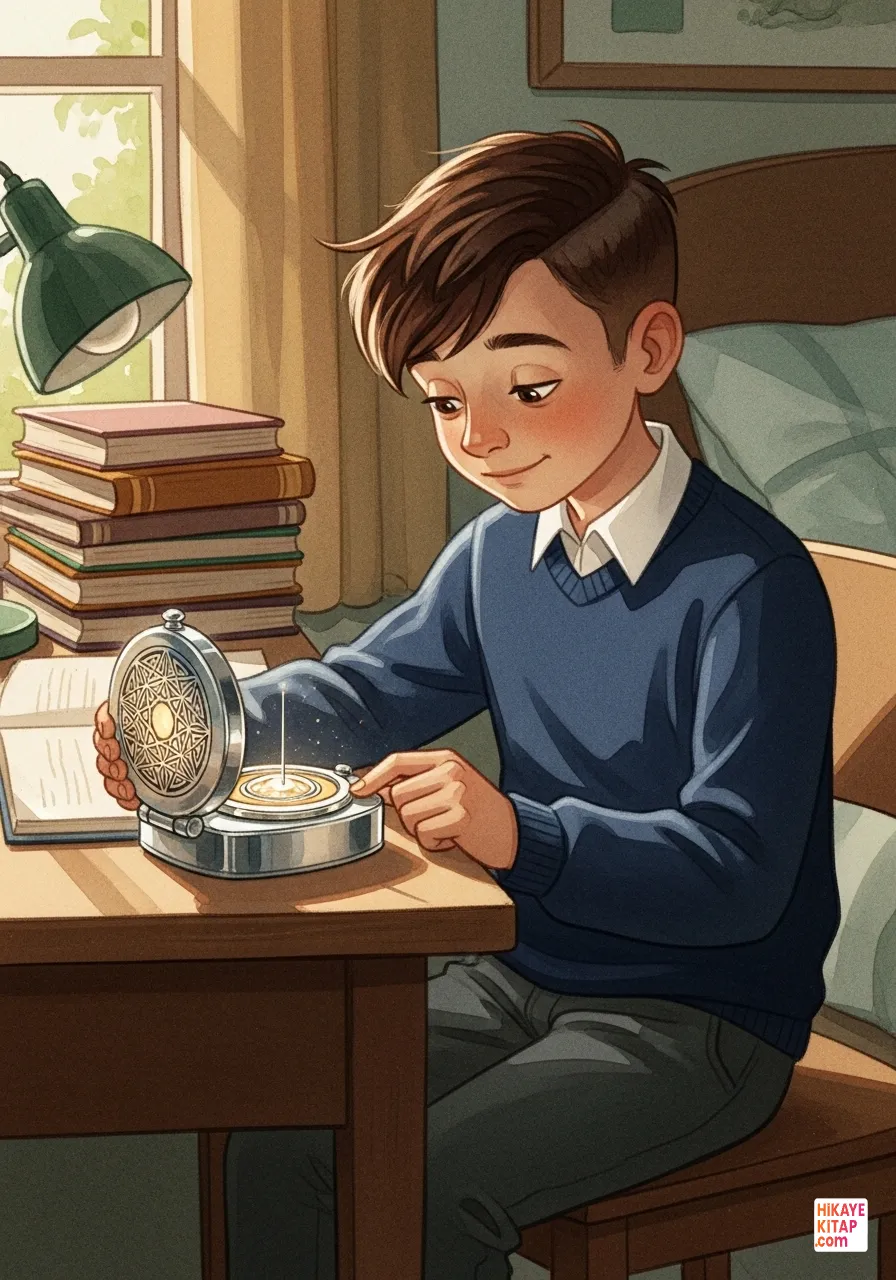
Leo decided to trust the direction the compass showed. He spent his entire afternoon explaining the topic to Sophie. His own play plans were canceled, but the relieved and thankful smile in Sophie's eyes filled Leo with a strange sense of peace. The compass vibrated slightly in his pocket, as if approving. Leo understood at that moment that this device was not just a toy.

Walking down the school corridor a few days later, Leo saw an envelope dropped by Mr. Thompson, the canteen worker. Inside was the money collected for the school lunch. There was no one around, and Leo could buy that new bike he wanted so much with this money. When he took out the compass, he noticed the needle trembling restlessly and the crystal turning a warning red color. It was pointing toward the canteen office.

Leo took a deep breath. The compass's warning was a reflection of the whisper inside him. He picked up the envelope and went straight to Mr. Thompson. The man was so happy that the money was found; he thanked Leo for his honesty and said it was more valuable than any bicycle. As Leo left, he saw the compass emitting a soft, green light again.
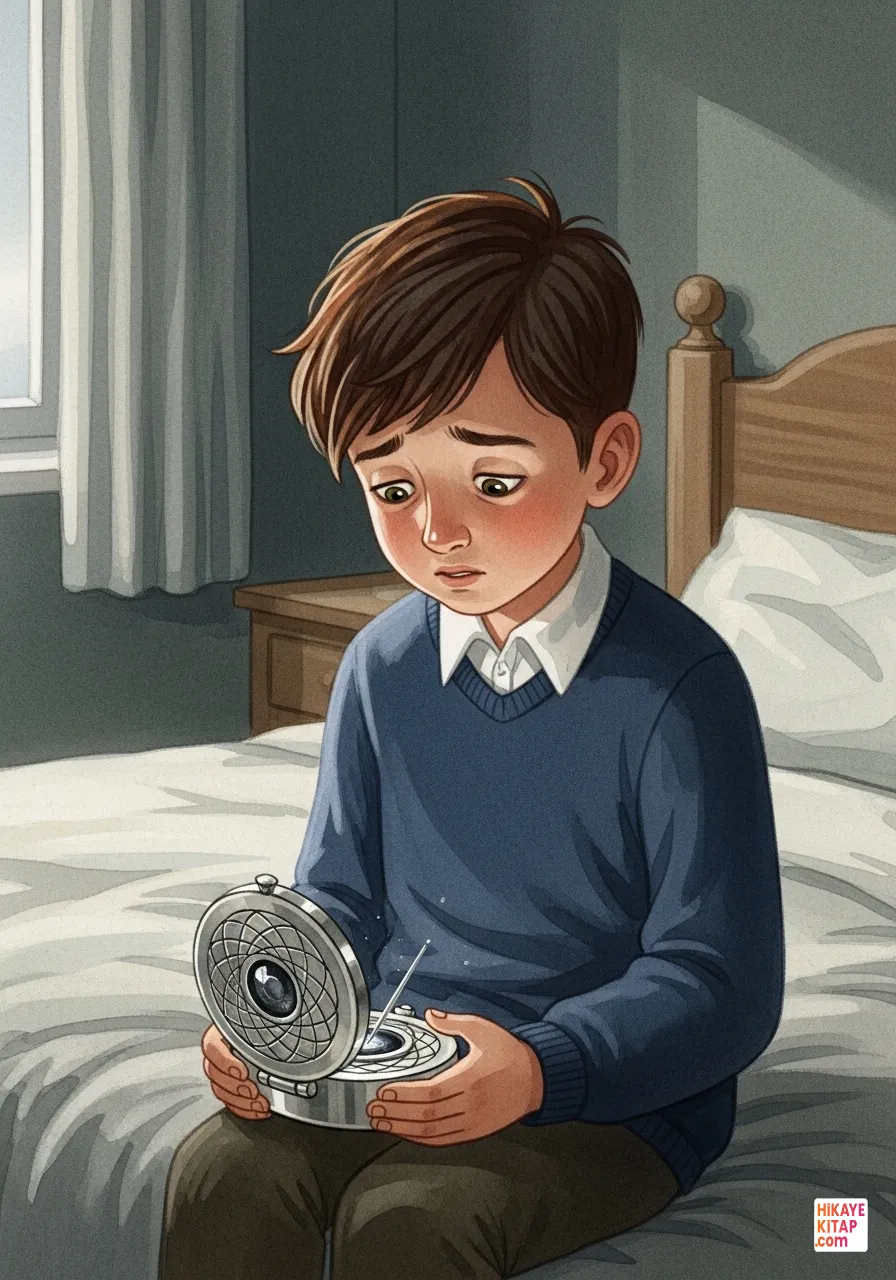
As the days passed, Leo consulted the compass for every decision. Which book to read? When to do his homework? But one morning, he realized the crystal had completely faded. The needle wasn't turning; it stood like an ordinary piece of metal. Leo was filled with worry; how would he know what was right anymore?

There was a big chess tournament at school that day. Leo had made it to the finals against Sophie. At a critical moment, Sophie made a mistake so small she didn't notice. If Leo stayed silent, he would win. He was torn. He reached into his pocket, but the compass was still dark and gave no answer.

Leo looked at the board, then at the dark compass. It was useless to expect a sign. He closed his eyes and listened to his heart. Winning by taking advantage of a friend's mistake would only bring regret. Sophie, he said quietly, you just made a wrong move with the rook. You can take it back if you want.
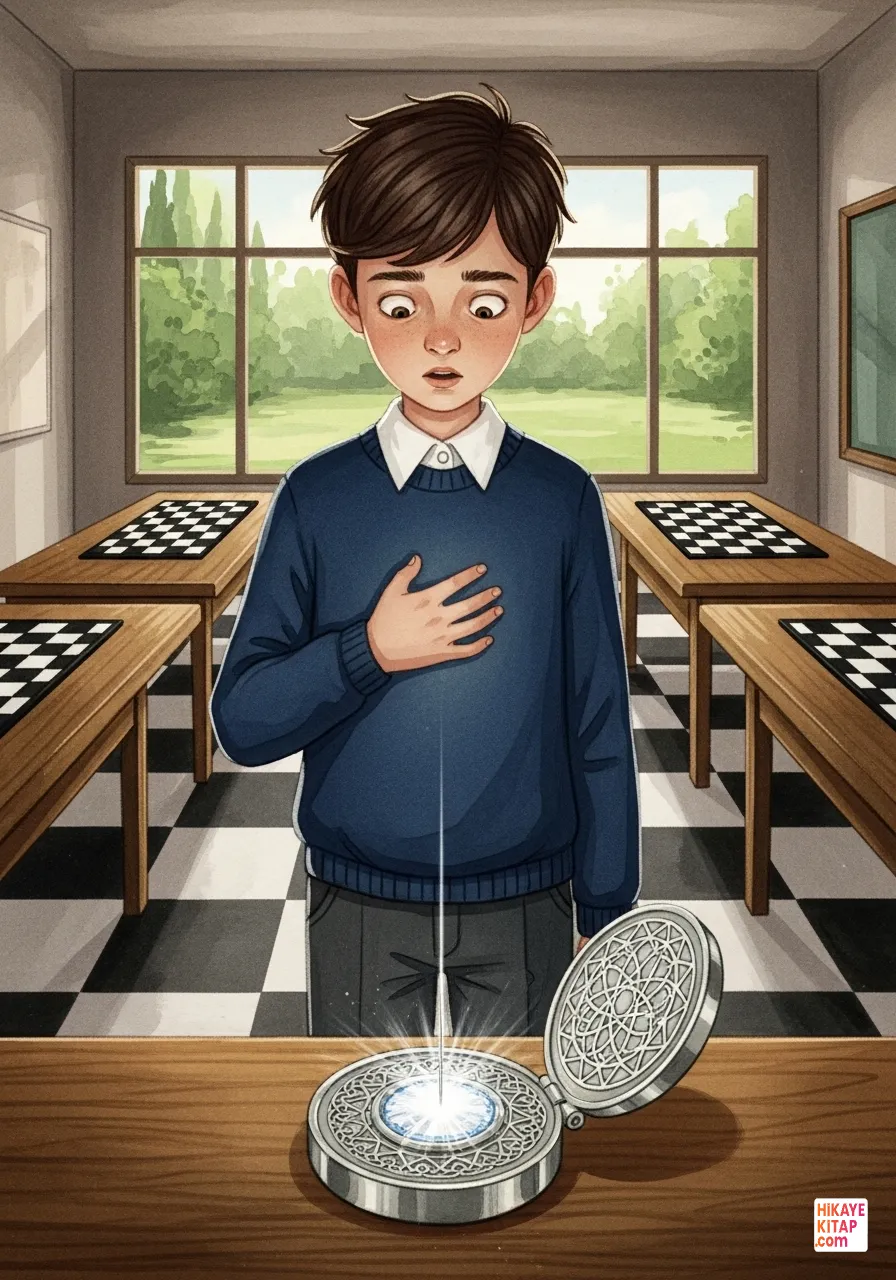
Sophie corrected her mistake and the game continued. In the end, Sophie won, but Leo wasn't sad at all. He felt he had made the best move of his life. Suddenly, he felt a warmth. When he took out the compass, it was glowing with a bright, pure white light. But this time, the needle was pointed right at Leo's heart.

Leo understood everything. The compass was a tool to teach him the right path, but the courage to walk it was already inside him. The compass no longer worked because he no longer needed it. The power to distinguish right from wrong was not in the crystal, but in his own conscience.

Returning home, Leo put the compass back in its velvet pouch and placed it in the chest in the attic. Perhaps years later, another child would find it. Leo locked the chest and went downstairs. He no longer needed the device; he trusted the voice of his heart. For the most accurate compass is one's own conscience.
Adrian unlocks a long-closed workshop on the northern slopes and asks wise Master Arthur for help. Inventor Simon and...
Arthur finds his grandfather's journal, The Hidden Flora of Glass Valley, in the attic. With Sophie the artist, sturd...
Twelve-year-old Liam decides to revive the dark old lighthouse of Silver Village. Guided by Captain Harold, he works ...
Use the link and iframe code below to embed the book on your site.