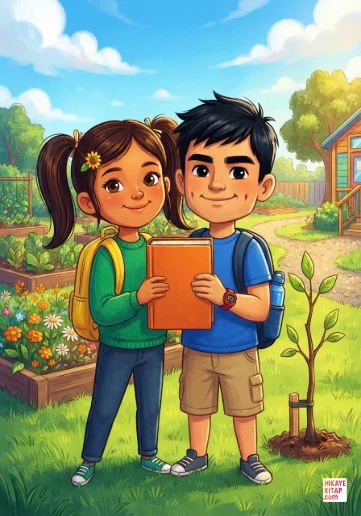
Lily and the Little Protectors of the World
During the first week of school, Lily saw a colorful poster hanging on the bulletin board in the hallway: Environment...
12 pages · 3 min
Type into the box above to start searching
Features and shortcuts to enhance your reading experience
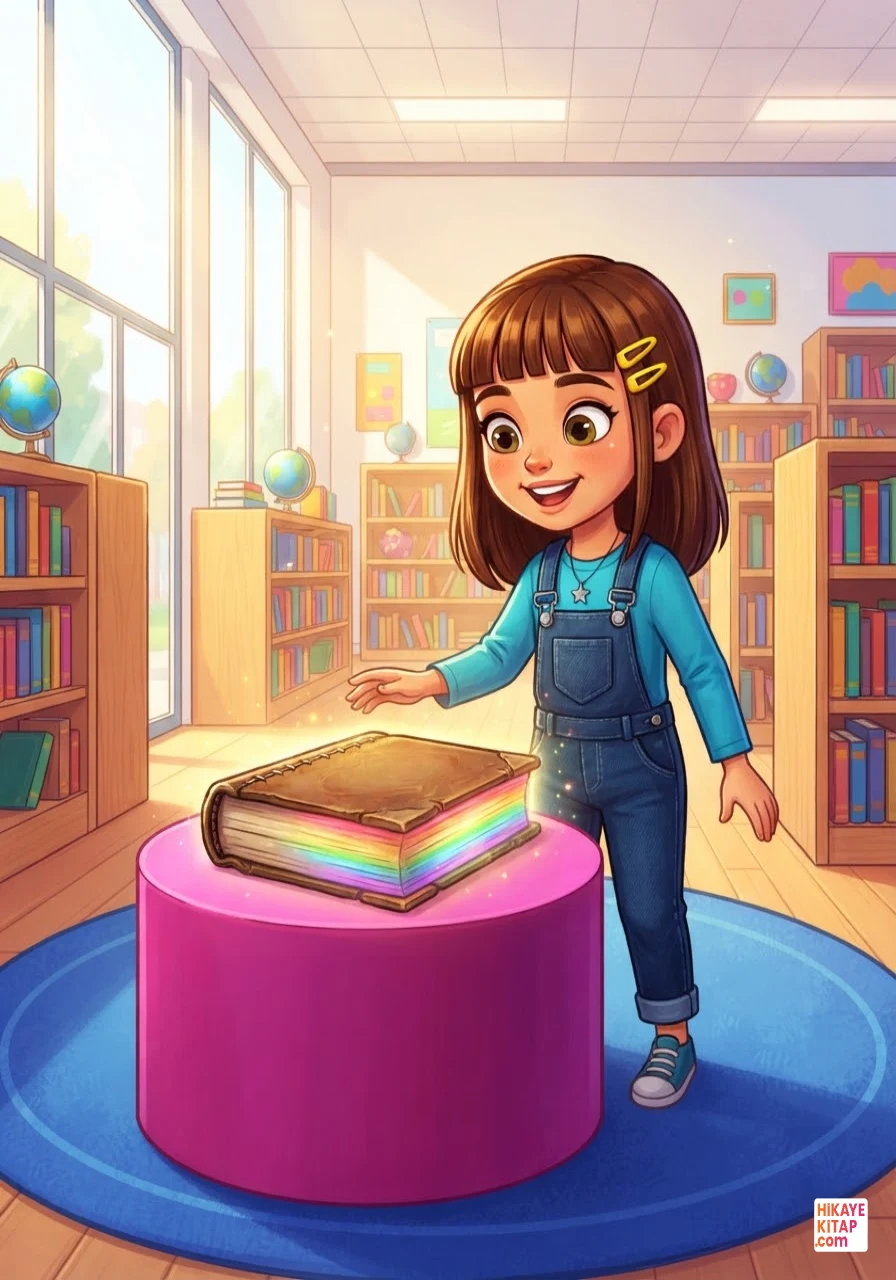

Emily was sitting in her favorite corner of the school library. Behind the very last row of shelves, in a dusty nook, she spotted an old book without a cover. Reaching out with curiosity, she pulled it from its hiding place. The book looked mysterious, but its colorful pages seemed to glow.
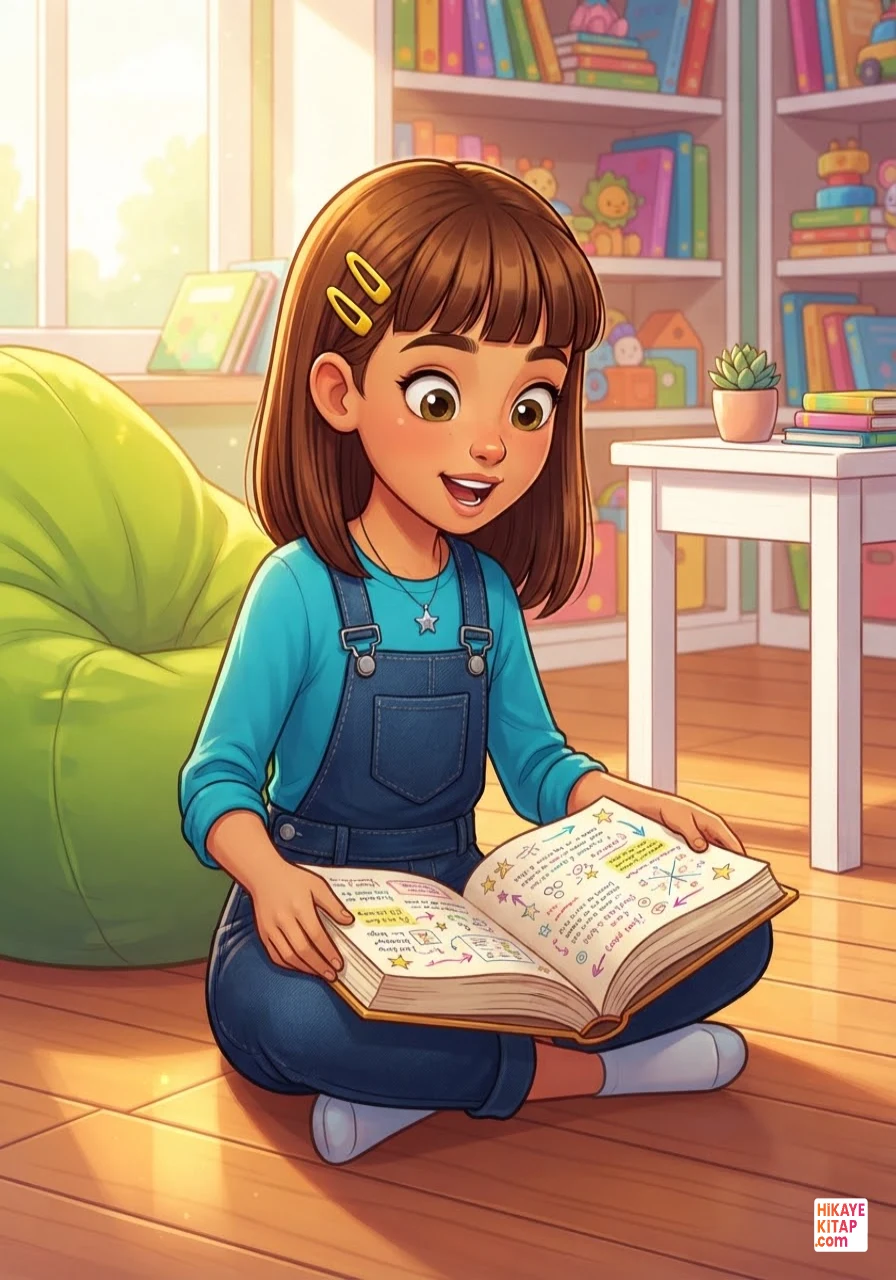
When Emily opened the book, her eyes grew wide with surprise. This wasn't like any other storybook. The pages were filled with questions written in children’s handwriting, with answers added underneath. Each page was a world of its own, containing notes about everything from the high sky to the deep depths of the ocean.
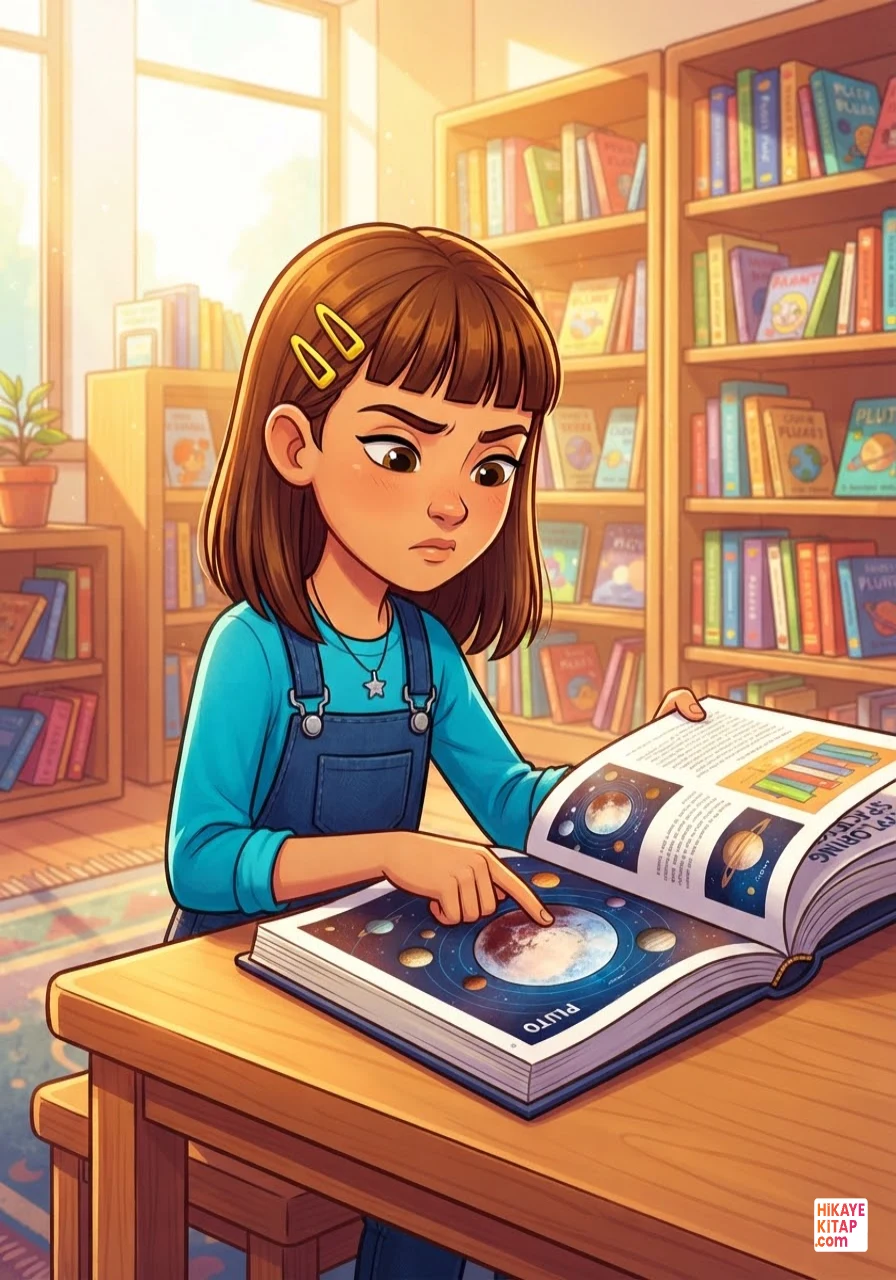
As Emily turned the pages, she noticed something specific. “Pluto is the ninth planet in the solar system,” one page stated. Emily furrowed her brow. She remembered learning from a science book just last week that Pluto was now considered a “dwarf planet.” The information here was very old!
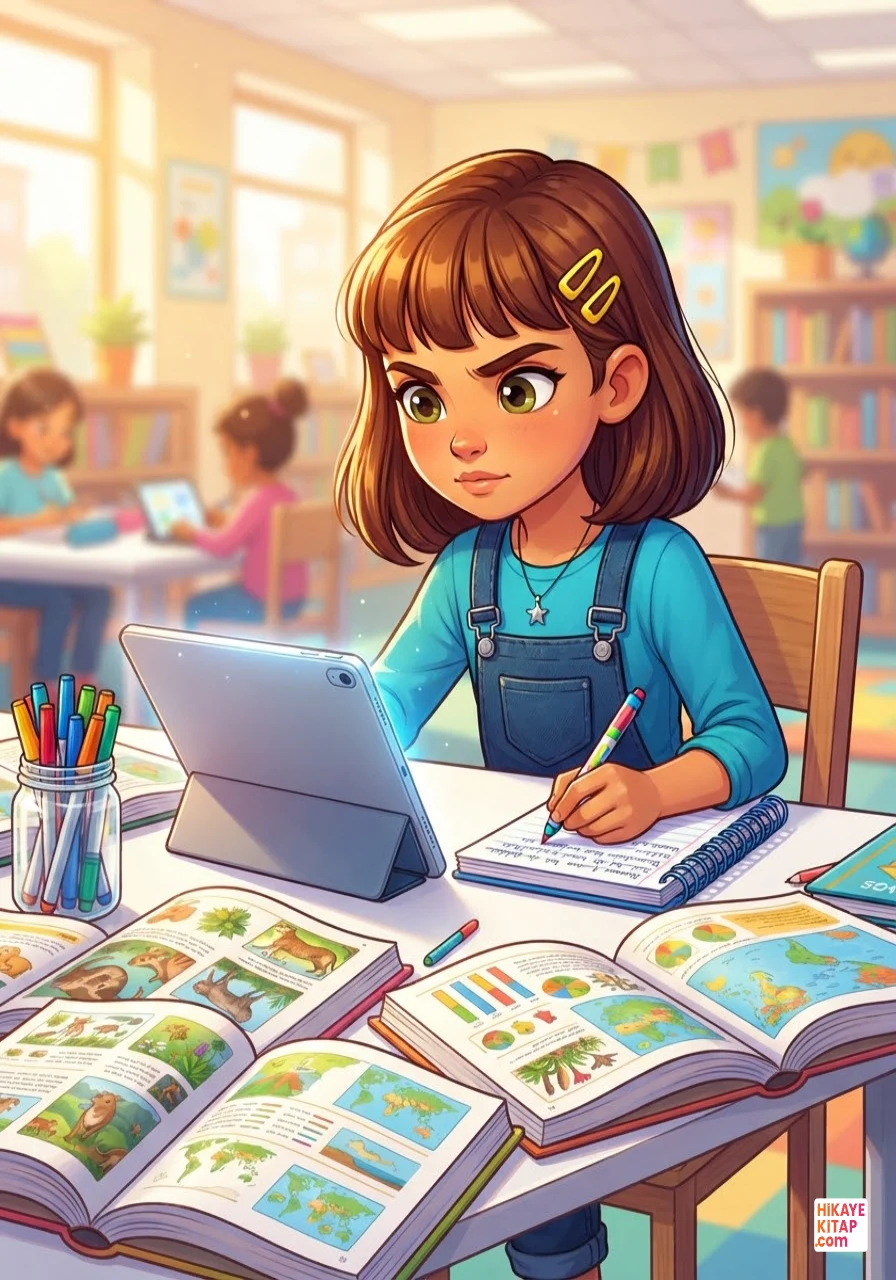
She immediately sat at a table and pulled her tablet from her bag. She began to examine the other pages as well. Some of the answers in the book were decades old. Emily started researching using modern sources. She felt like a detective as she noted the differences between the old facts and the new ones.

Emily realized that information, just like people, can change and grow. “The world is learning something new every single day,” she thought to herself. She wasn't sad that some facts in the old book were no longer true; instead, the journey of knowledge made her feel incredibly excited.

There were still several blank white pages at the back of the book. Emily took out her pens and began adding the most up-to-date information to these empty pages, accompanied by her own colorful drawings. She wrote about newly discovered stars and high-tech vehicles that explore the deep sea.

Just then, her classmate Leo walked over. “What are you doing, Emily? What kind of book is that?” he asked. Emily spent a long time explaining the book she found and how the information inside it had changed over the years. Leo was absolutely fascinated by her discovery.

“I can help you!” Leo said. Leo knew a lot about robots and outer space. Putting their heads together, they added new questions to the book, such as “Will cars fly in the future?” and “How do plants talk to each other?” alongside the modern answers they found.

When they finished their work, they took the book to the librarian, Ms. Sage. Ms. Sage looked at the book over her glasses and smiled warmly. “This is a wonderful idea, children! We should place this book in our 'Curiosity Notebook' corner,” she said.

Leo and Ms. Sage placed the book on a colorful pedestal in the most central part of the library. They hung a sign above it in large, bright letters that read: “The Curiosity Notebook: What Is Your Question?” This book was now going to be a shared treasure for the entire school.
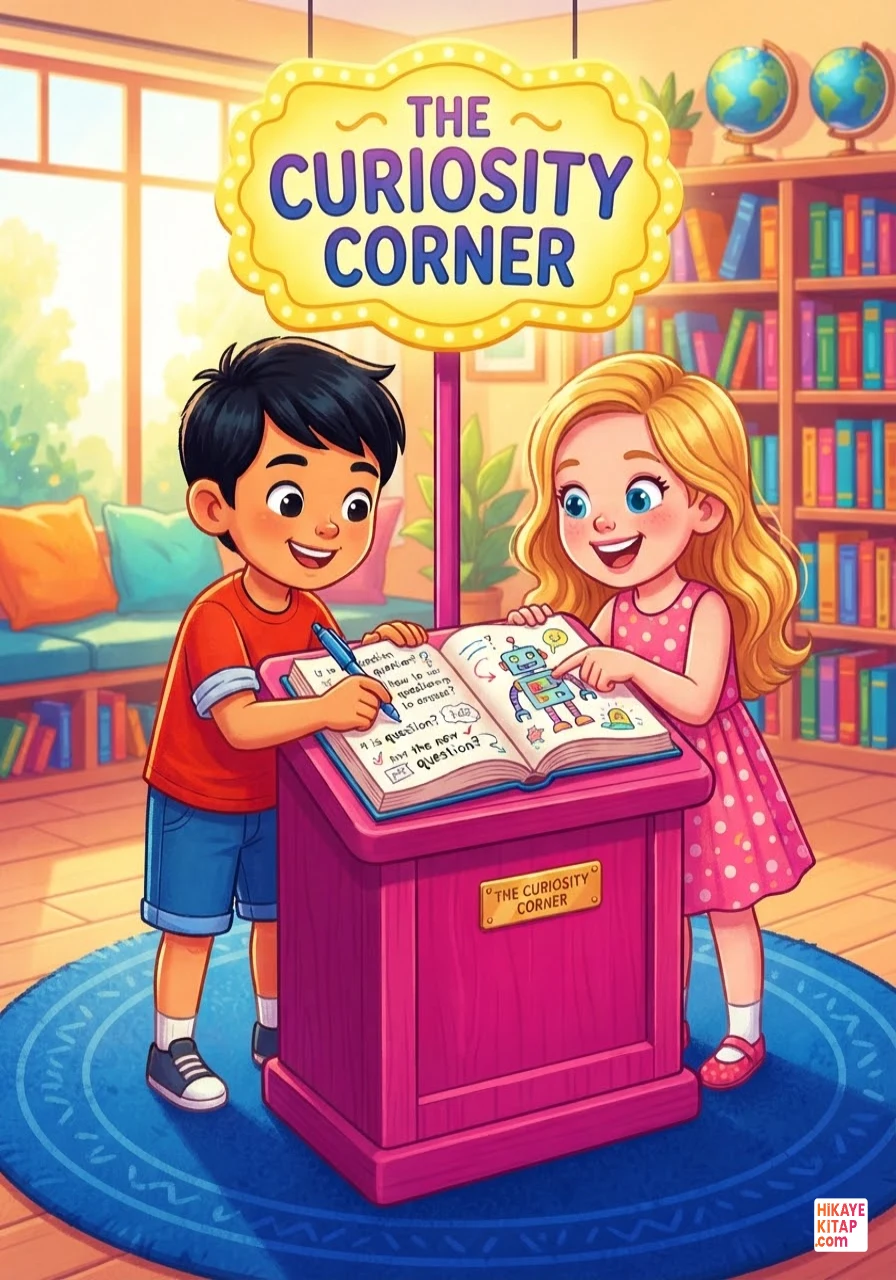
Before long, other children gathered around the book. Felix and Maya began to examine the new pages with great attention. Felix immediately pulled a pen from his pocket; he couldn't wait to add a new question that had just popped into his head in a blank corner.
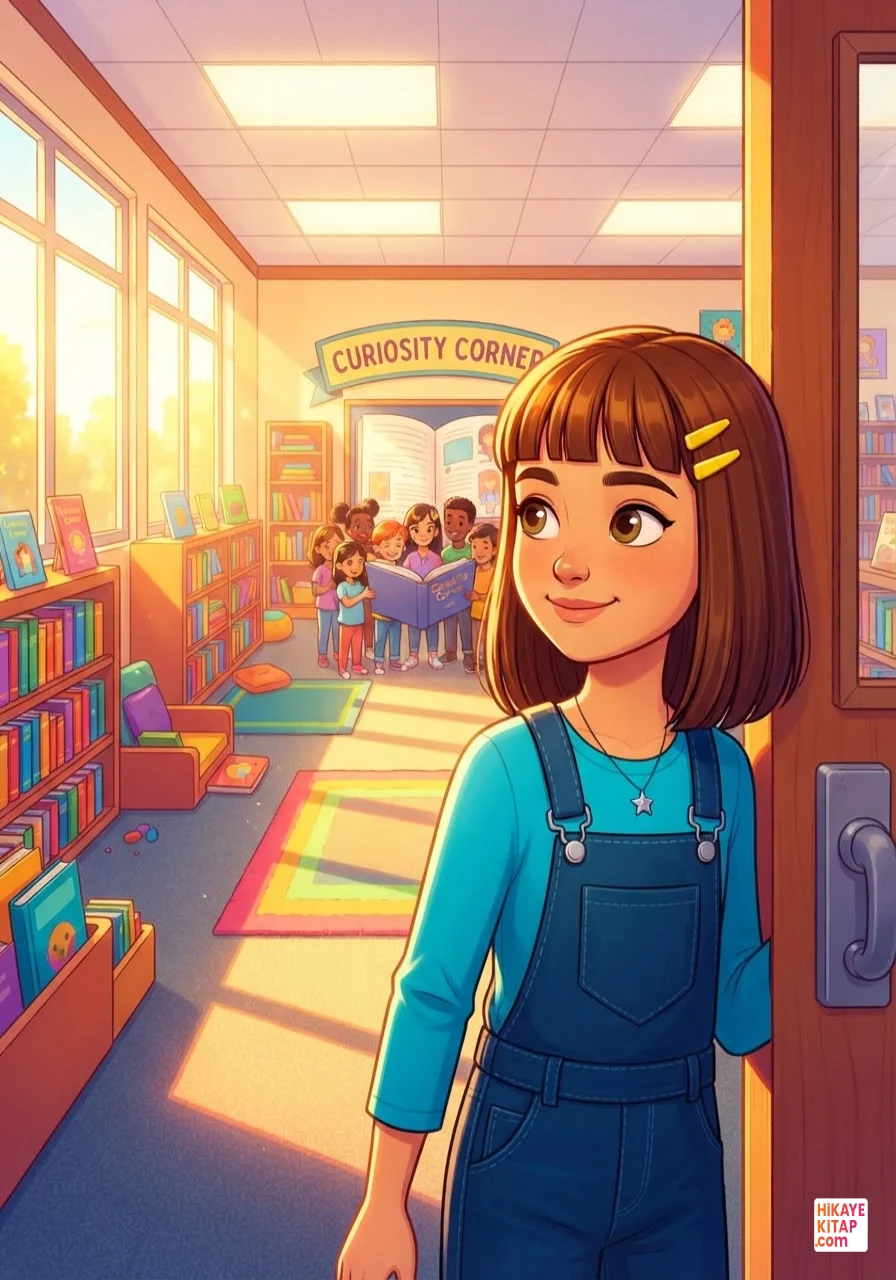
Emily smiled as she watched her friends. She realized that the most beautiful state of a book isn't always one that is completely finished. The best kind of book is one that stays alive—growing with endless questions, changing with new answers, and allowing everyone to add a little piece of themselves.
During the first week of school, Lily saw a colorful poster hanging on the bulletin board in the hallway: Environment...
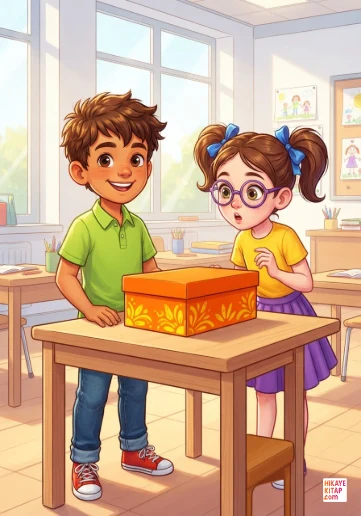
Leo had come up with a brilliant idea for his classroom. He placed a bright orange shoebox on his desk and began to p...
It was a warm summer evening. Chloe spread a soft, bright orange blanket over the fresh green grass in the garden. Th...
Use the link and iframe code below to embed the book on your site.