Emily and the Tiny Windmill
While browsing the colorful shelves of the library, Emily discovered a book that changed everything. She learned that...
10 pages · 3 min
Type into the box above to start searching
Features and shortcuts to enhance your reading experience
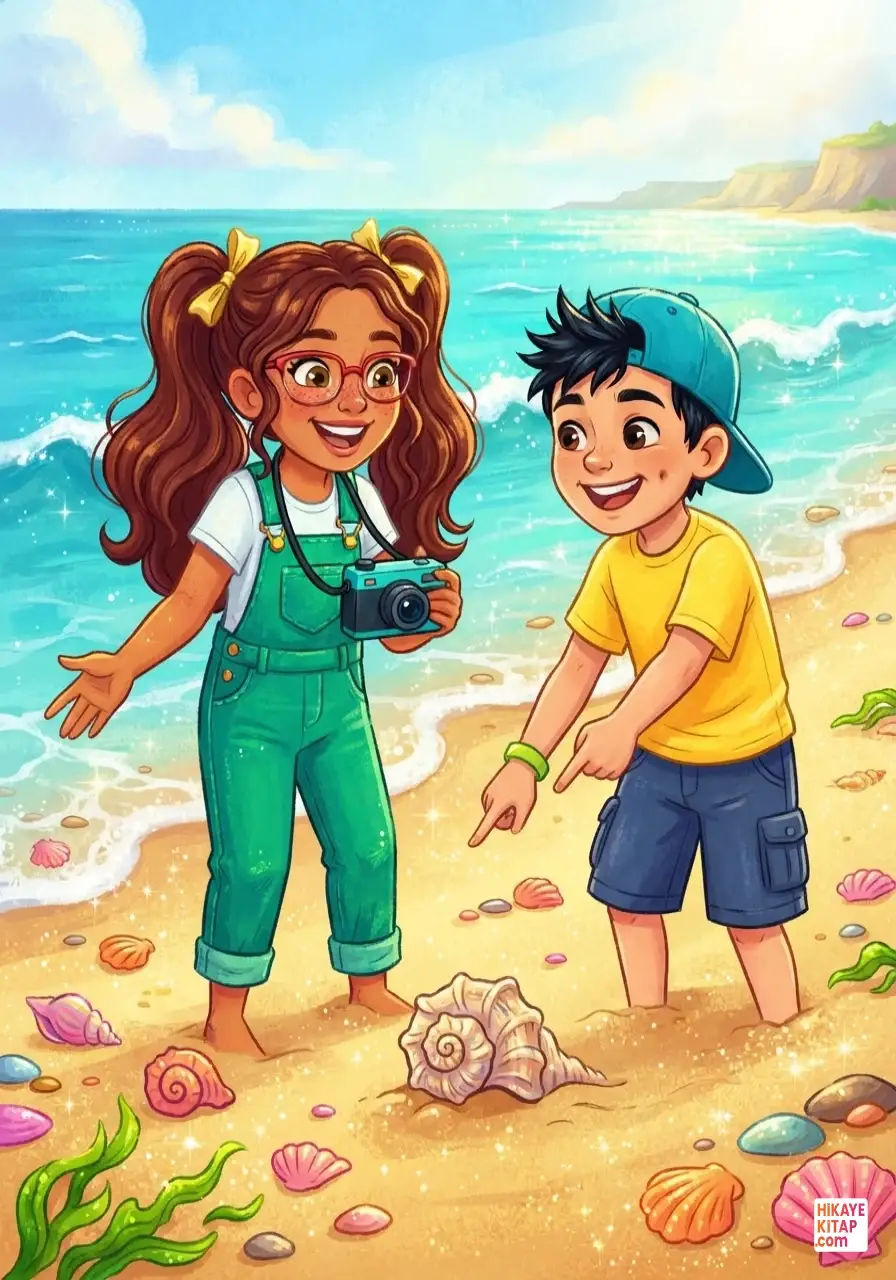
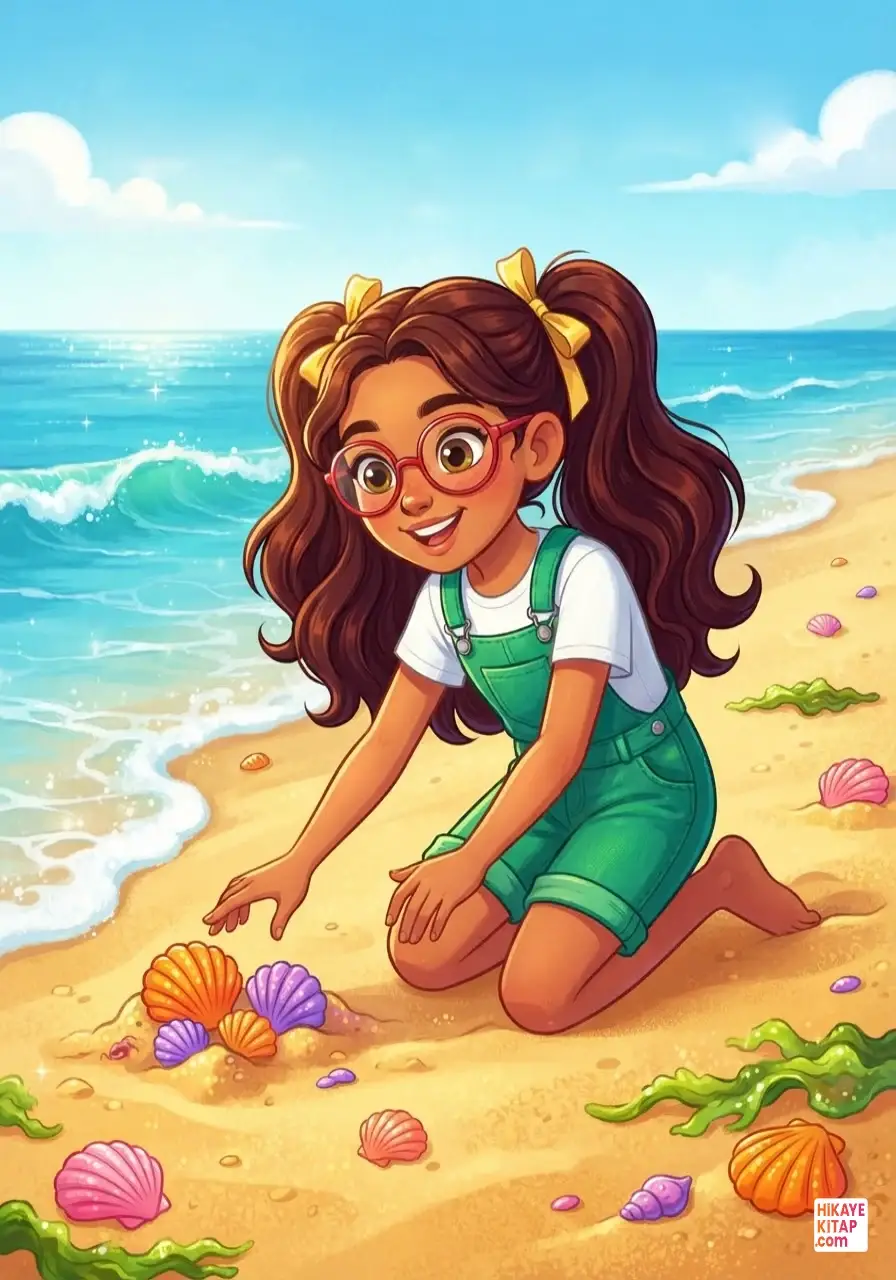
One sunny morning, Coral was walking along the shore when the light caught something sparkling at her feet. Dozens of seashells in all shapes and sizes were scattered across the sand. To Coral, they looked like mysterious, colorful treasures sent directly from the deep heart of the ocean.
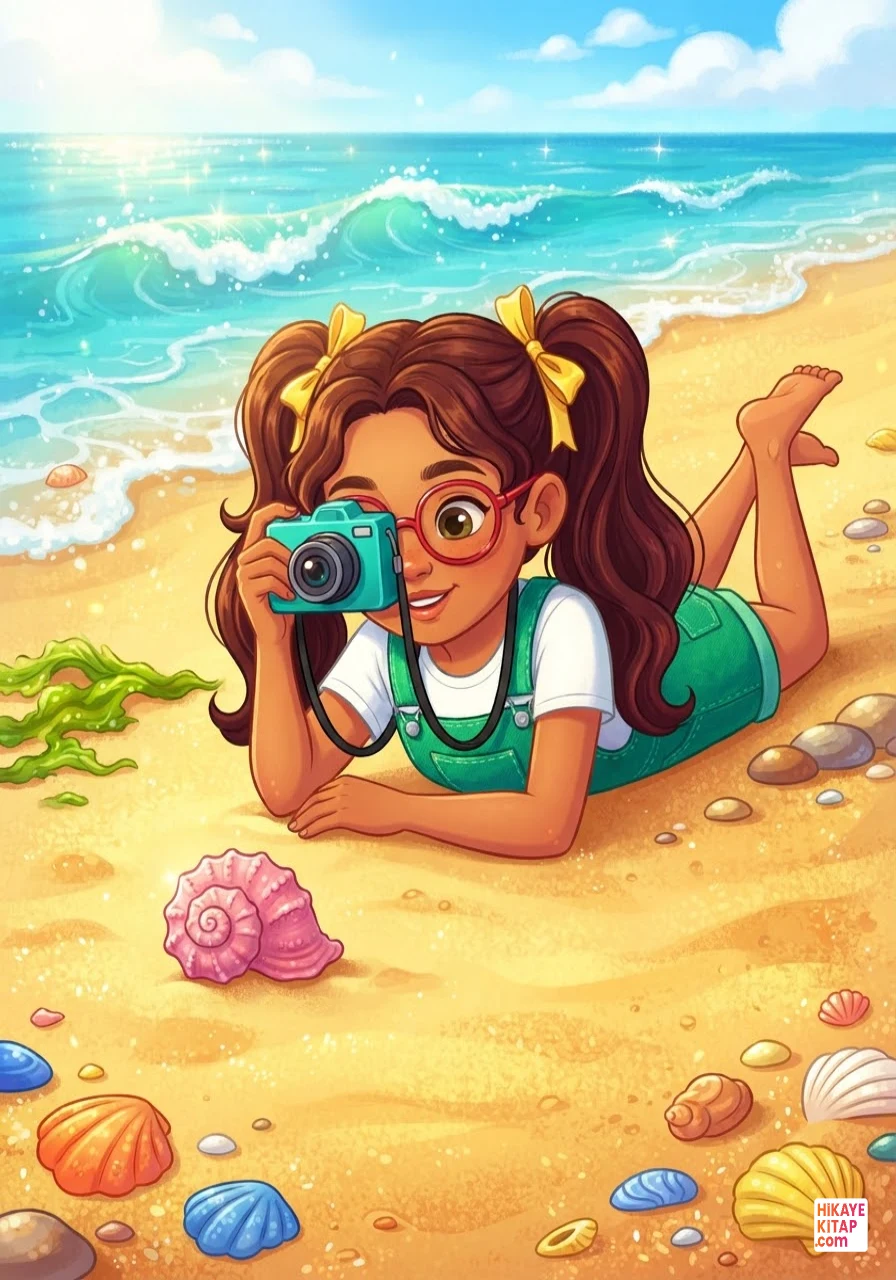
Most people would have filled their pockets with the beautiful shells to take home, but Coral had a better idea. She reached into her bag and pulled out her camera. She carefully photographed each shell exactly where it lay, nestled among the damp sand and green seaweed, preserving their natural beauty.
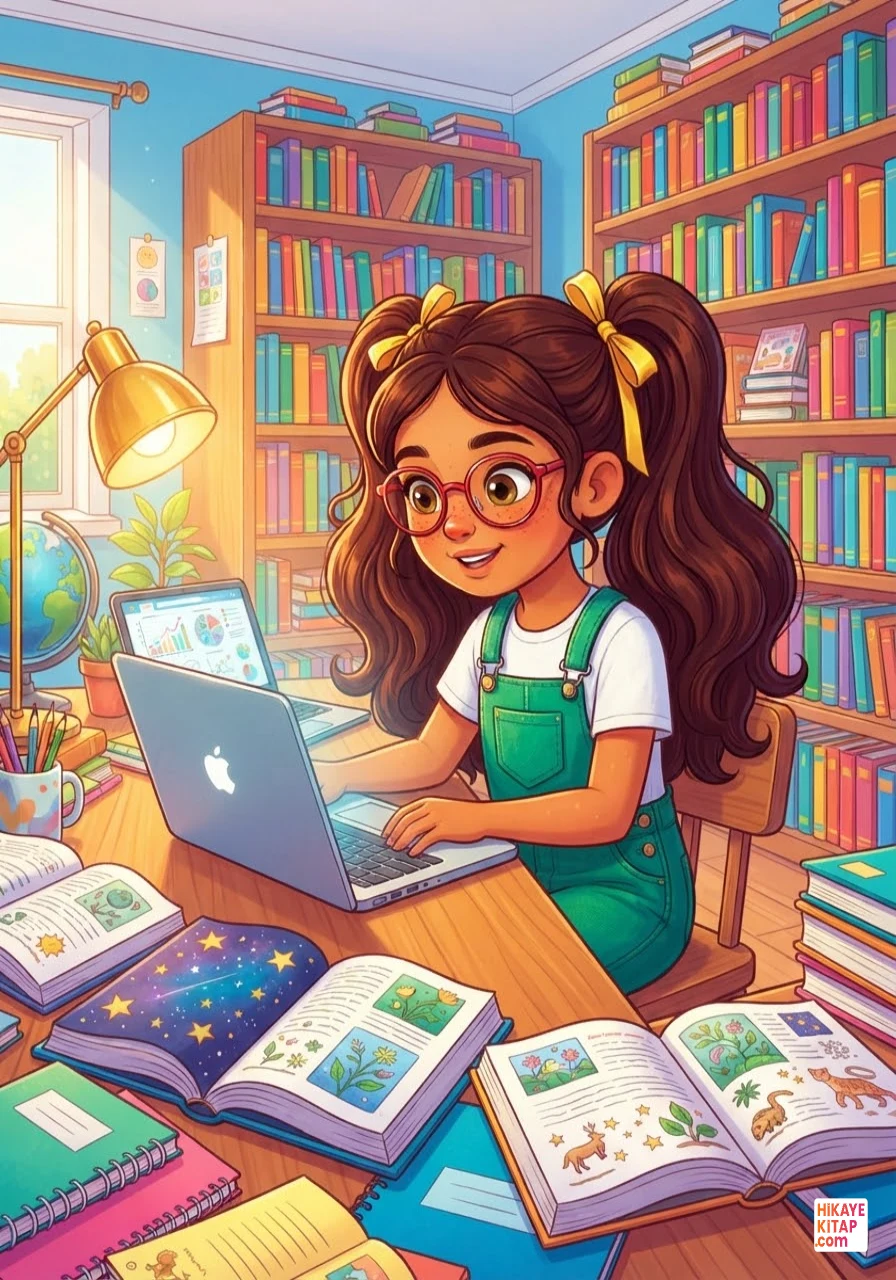
When Coral returned home, her mind was buzzing with questions. She wanted to know who these incredible shells really belonged to. She sat at her desk, opened her laptop, and began flipping through the pages of the large, dusty reference books from her library.
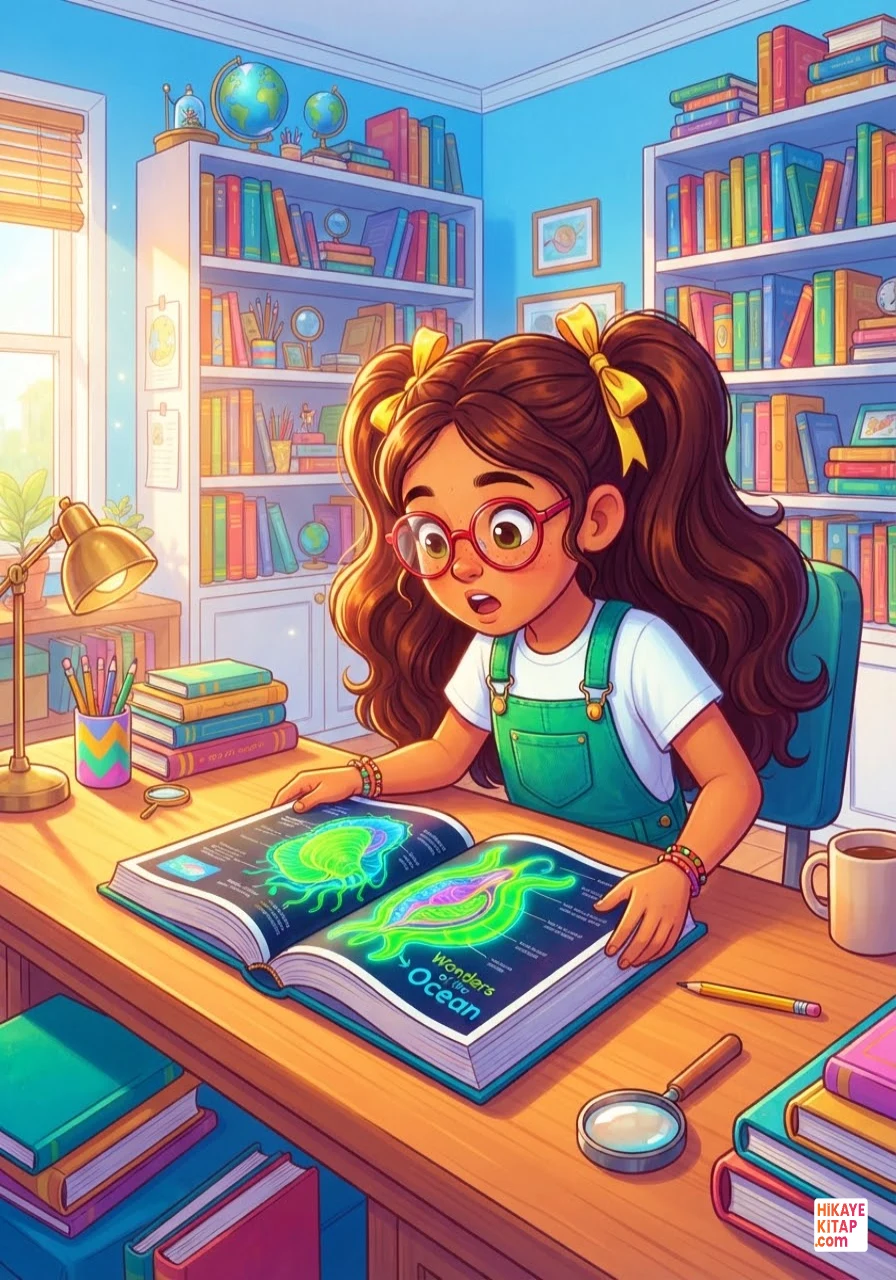
Coral was amazed to learn that these shells were built by tiny creatures called “mollusks.” These animals create the hard, sturdy structures to protect their soft bodies. The shells weren't just pretty objects; they were architectural masterpieces designed as safe, sturdy homes.
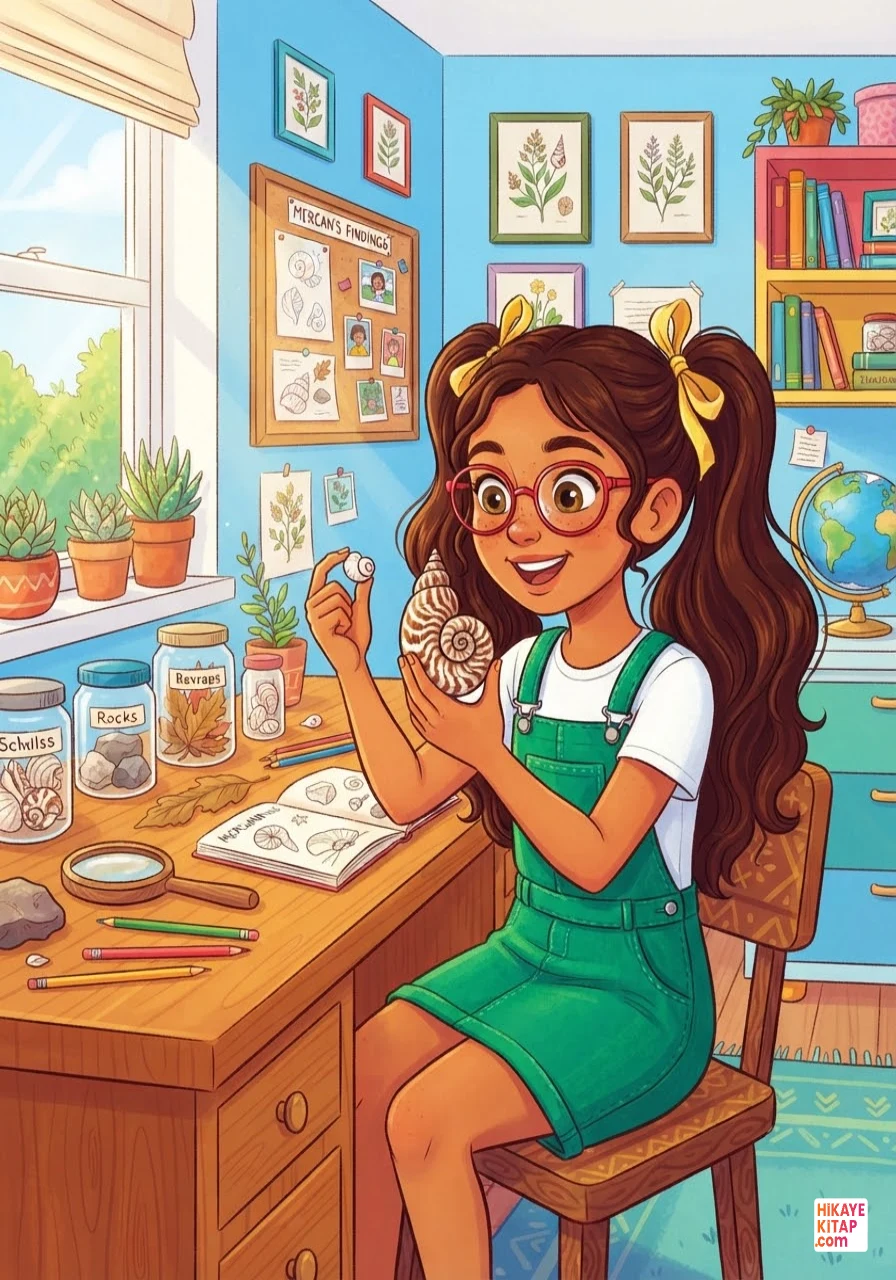
As she researched further, she discovered something even more fascinating: these shells grow right along with the creatures inside! What starts as a tiny ring expands as the animal grows, eventually turning into a complex spiral or a wide, elegant fan over many years.
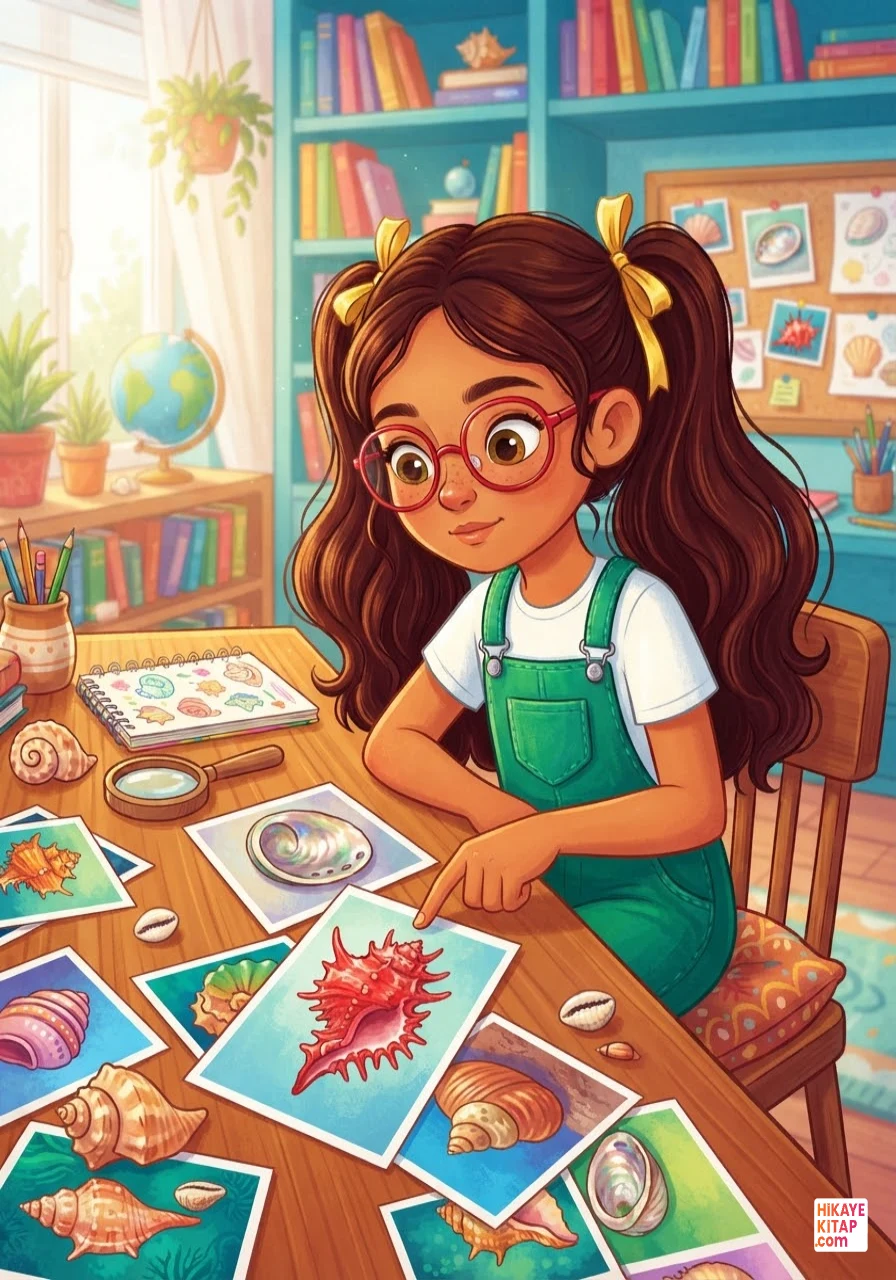
Coral realized that every different shape she saw on the beach represented a different species. Some shells were perfectly smooth and round to roll with the waves, while others were covered in sharp spikes and ridges to protect the mollusk from hungry predators.
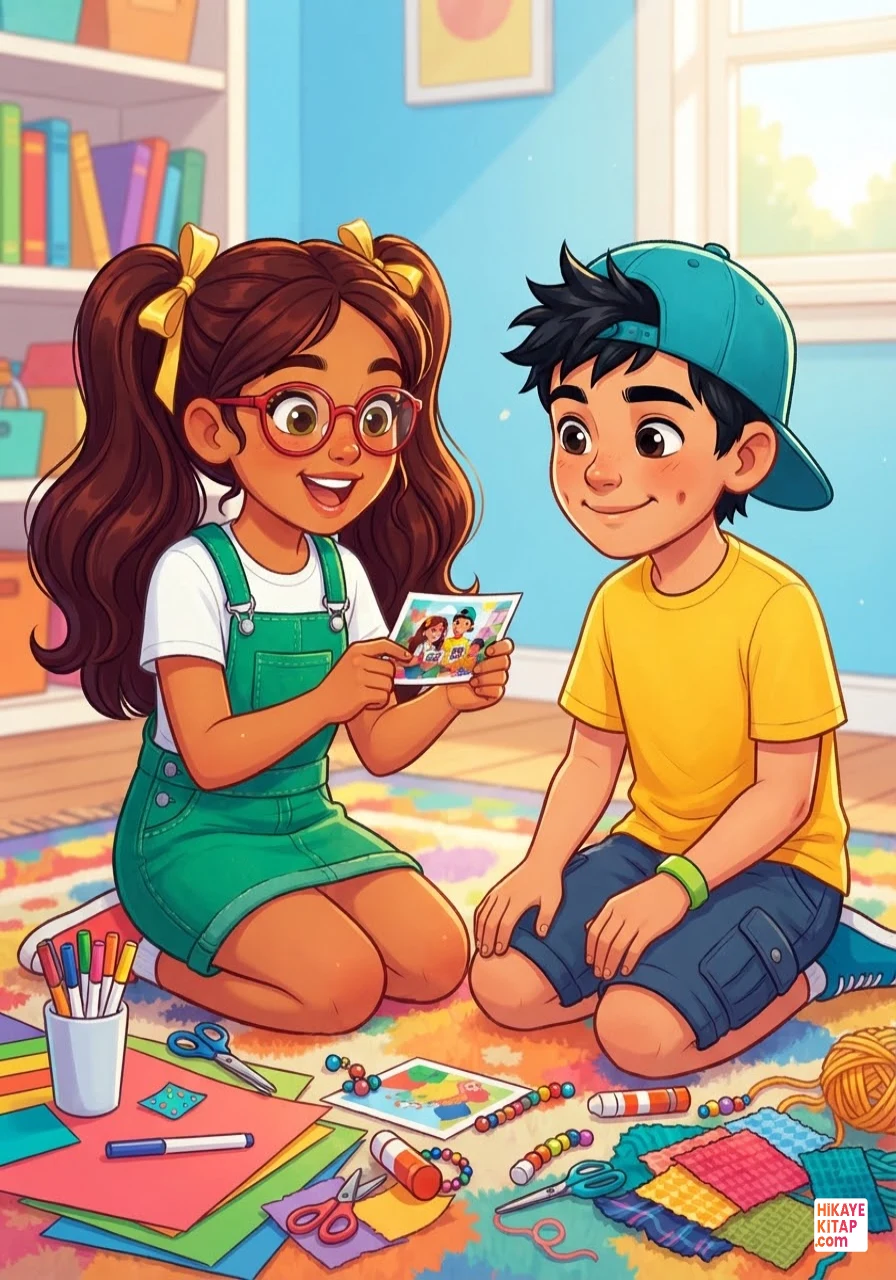
The next day, her best friend Leo came over to visit. Coral was bursting with excitement as she showed him her photos and shared everything she had learned. “We should make something so everyone can learn about them!” Leo suggested. They decided to create a “Seashell Guidebook.”
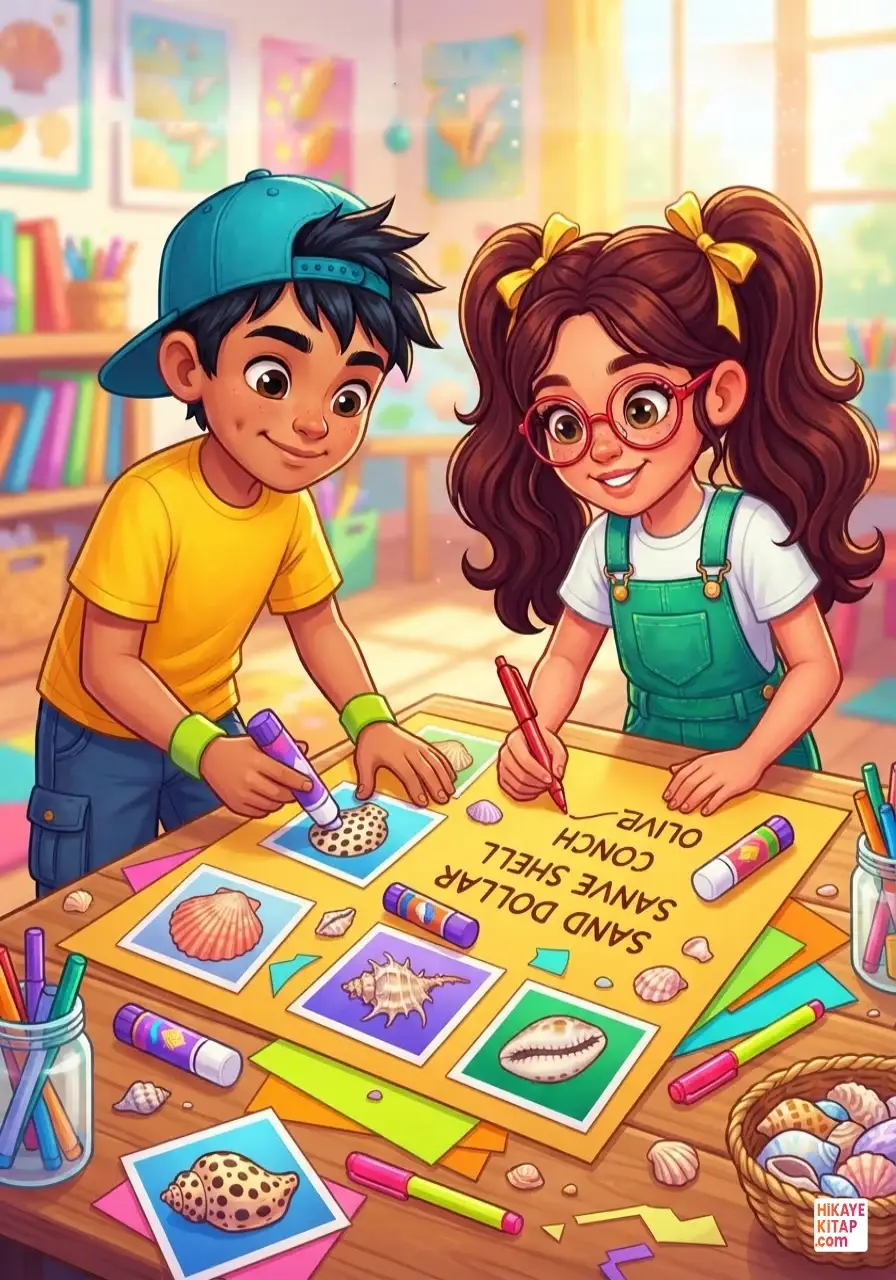
Leo found a large sheet of bright yellow poster board, while Coral carefully organized her printed photos. Using vibrant markers, they began to write the names of the shells and facts about the creatures that built them right next to each picture.
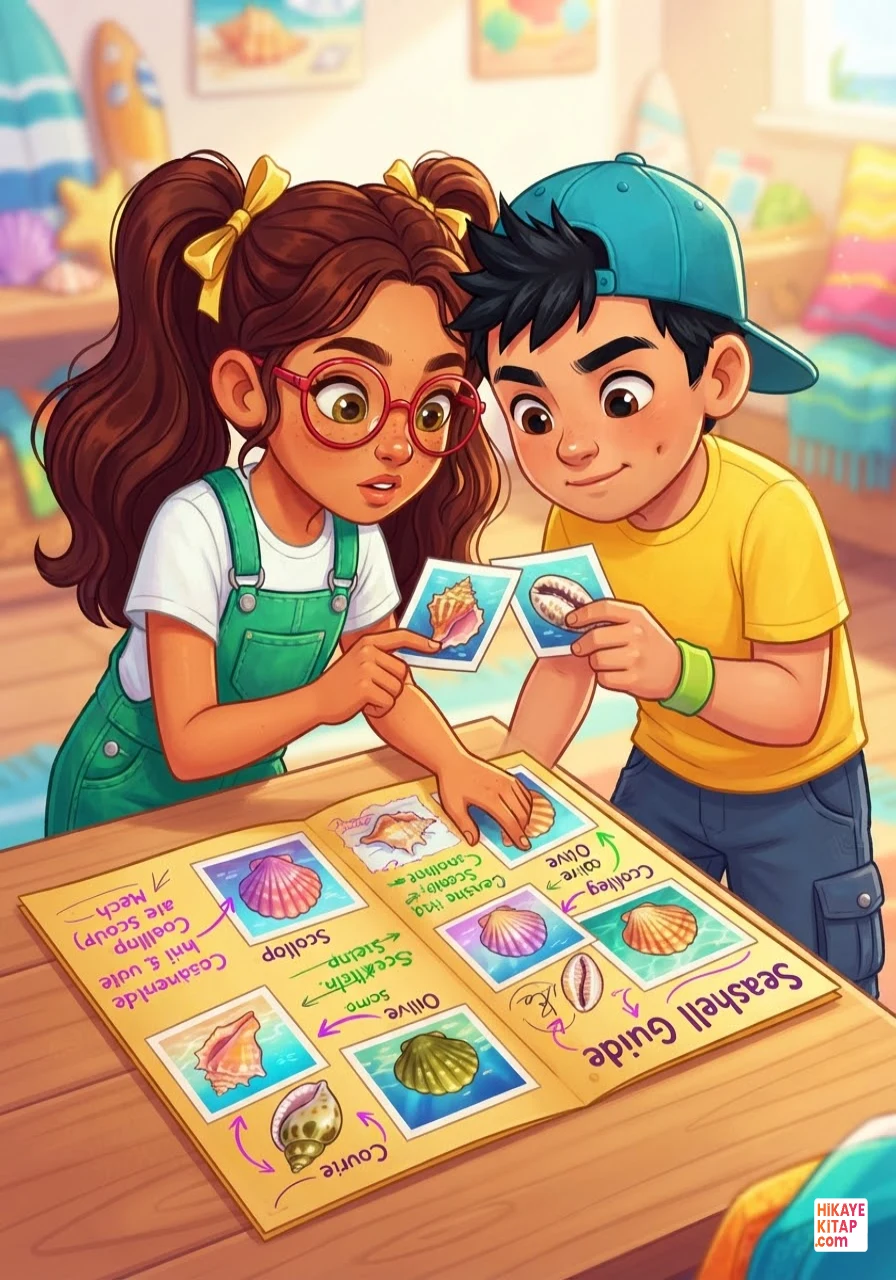
While they worked, Leo noticed how similar some of the shells looked. “Look, Coral,” he said, pointing to the poster. “These two look almost exactly the same, but the lines on this one are much deeper and more defined than the other.”
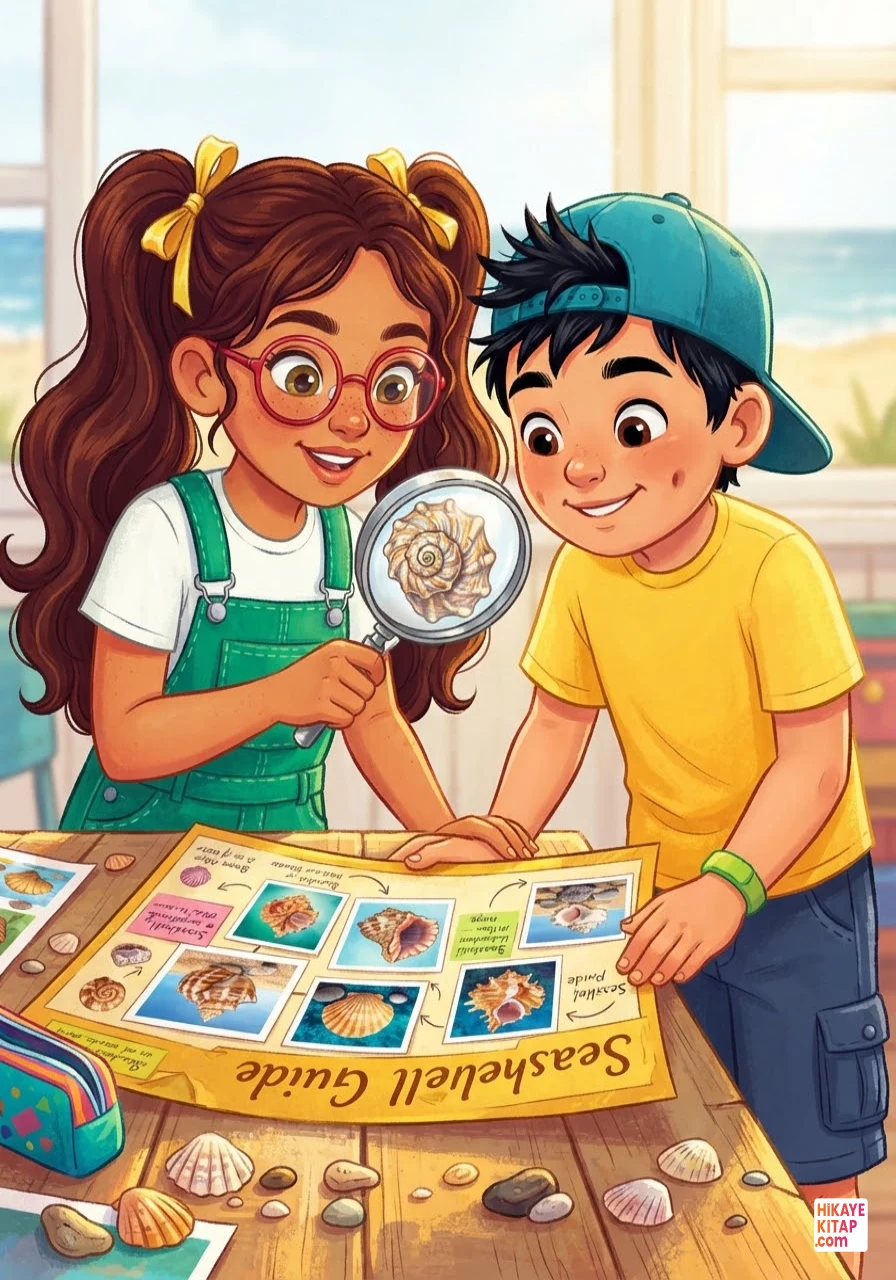
They realized that to identify the shells correctly, they had to look at the tiniest details. Coral pulled out a magnifying glass, and they peered at the minute spots, the delicate curves of the openings, and the beautiful gradients of color that weren't visible at first glance.
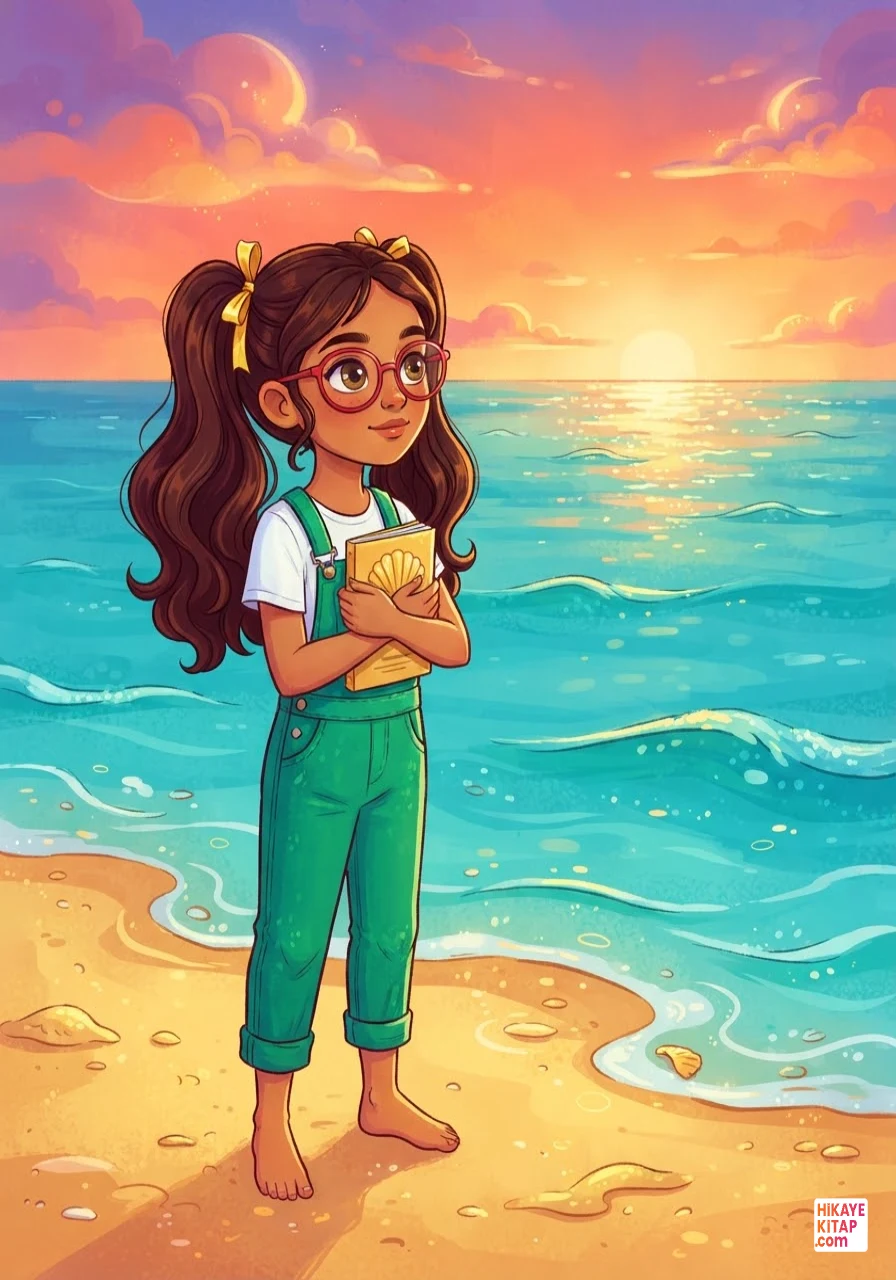
Coral now understood that every shell she saw on the beach wasn't just a lifeless object; it was part of a living story. Every wave that rolled in left behind a new tale of a life spent in the sea. To her, the ocean felt like a giant, breathing library.
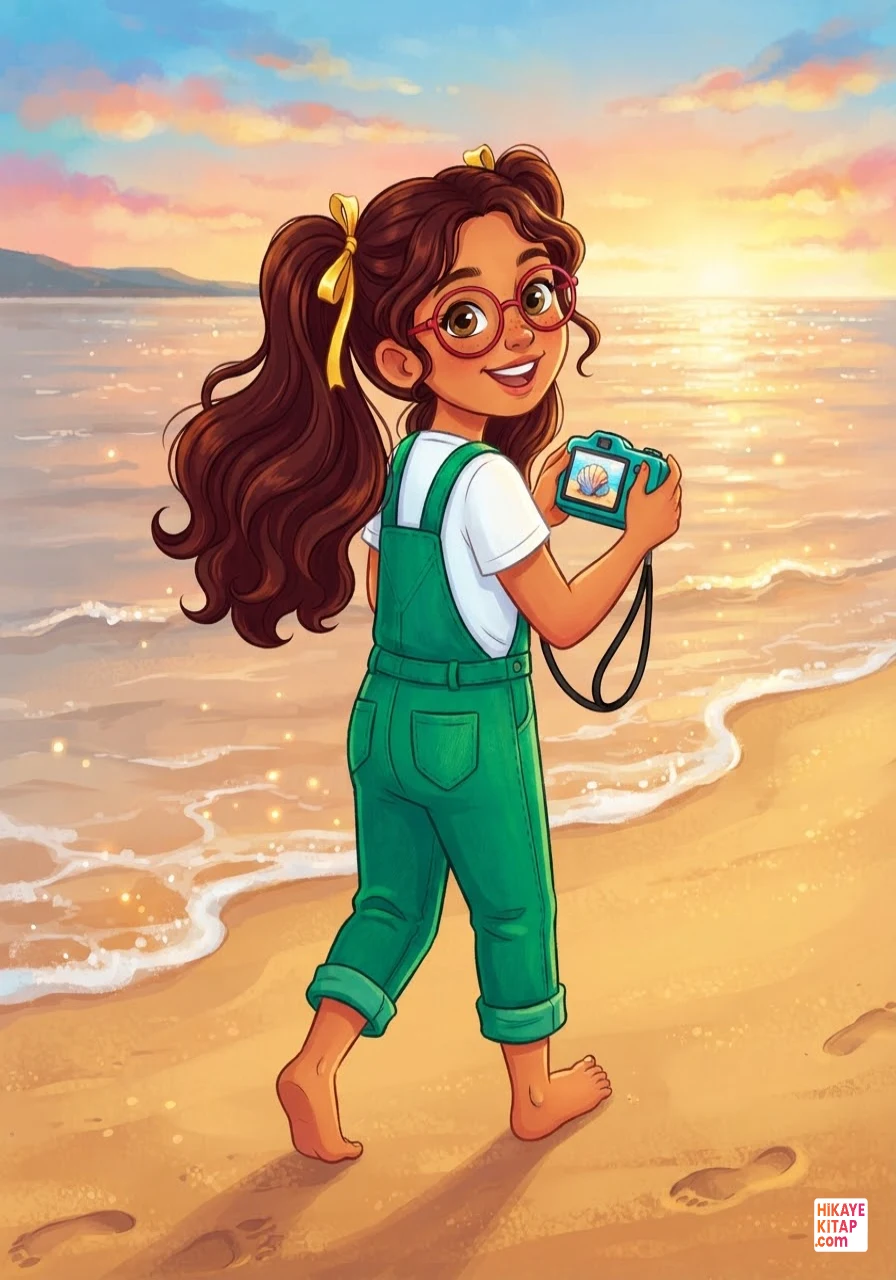
As the sun began to set, Coral looked at the screen of her camera one last time. She didn't just have beautiful photos; she had a wealth of knowledge from the heart of the sea. She realized that discovering the secrets of nature brought her more happiness than anything else.
While browsing the colorful shelves of the library, Emily discovered a book that changed everything. She learned that...
Lily loved her little landscape notebook and her colorful pencils more than anything. Wherever she went, her notebook...
The school garden was busier than ever today. Bilge stopped for a moment instead of playing and listened to the sky. ...
Use the link and iframe code below to embed the book on your site.