Lily and the Little Protectors of the World
During the first week of school, Lily saw a colorful poster hanging on the bulletin board in the hallway: Environment...
12 pages · 3 min
Type into the box above to start searching
Features and shortcuts to enhance your reading experience
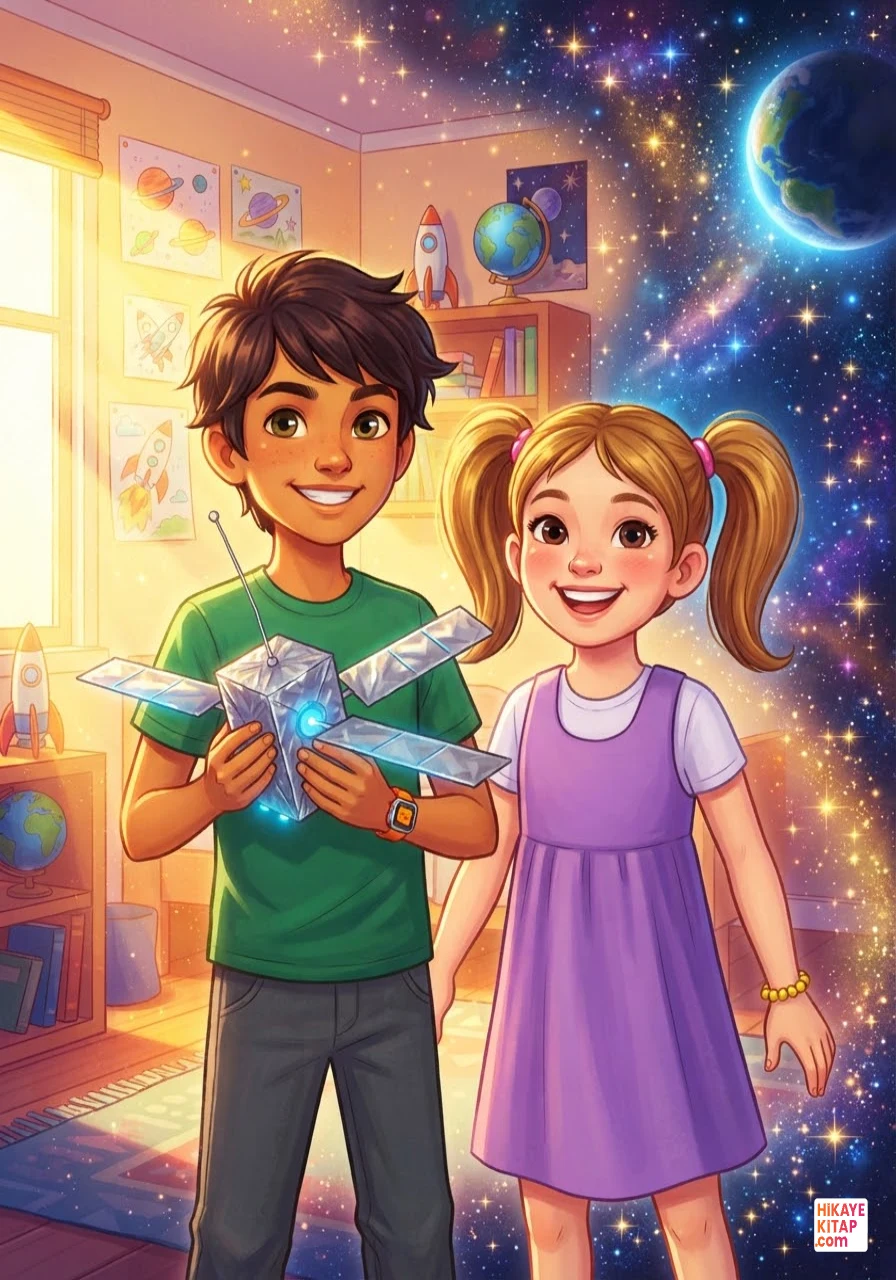

Leo looked out his bedroom window at the night sky, filled with curiosity. “I wonder how our Earth looks from space?” he thought. He slowly spun the globe on his desk, imagining how the deep blue oceans and lush green continents floated in the vast emptiness.
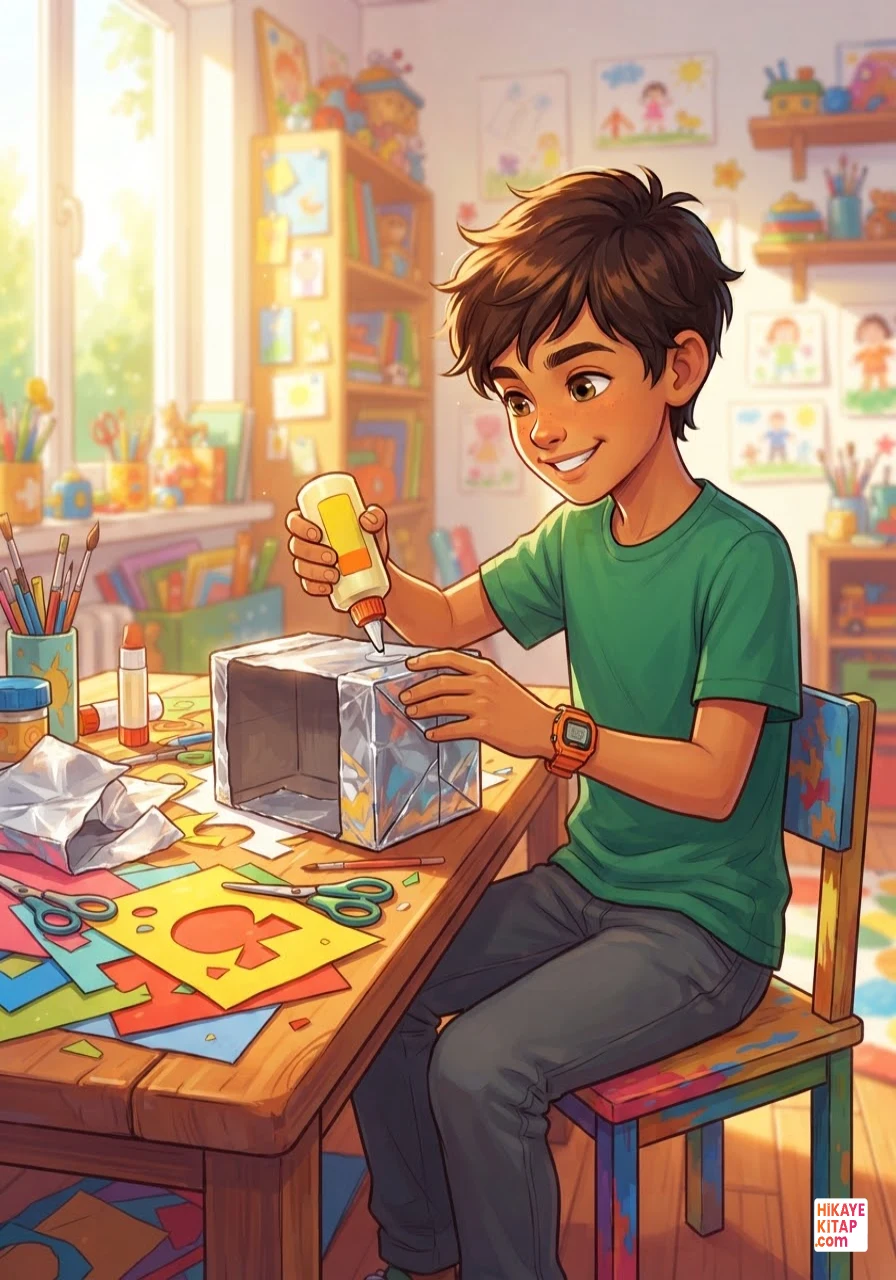
For the school's “Future Explorers” project, Leo had a brilliant idea: he would build his own satellite! He got to work immediately. He laid out silver foil, empty cardboard boxes, and glue on his desk. He started joining the boxes to form the frame of his dream satellite.
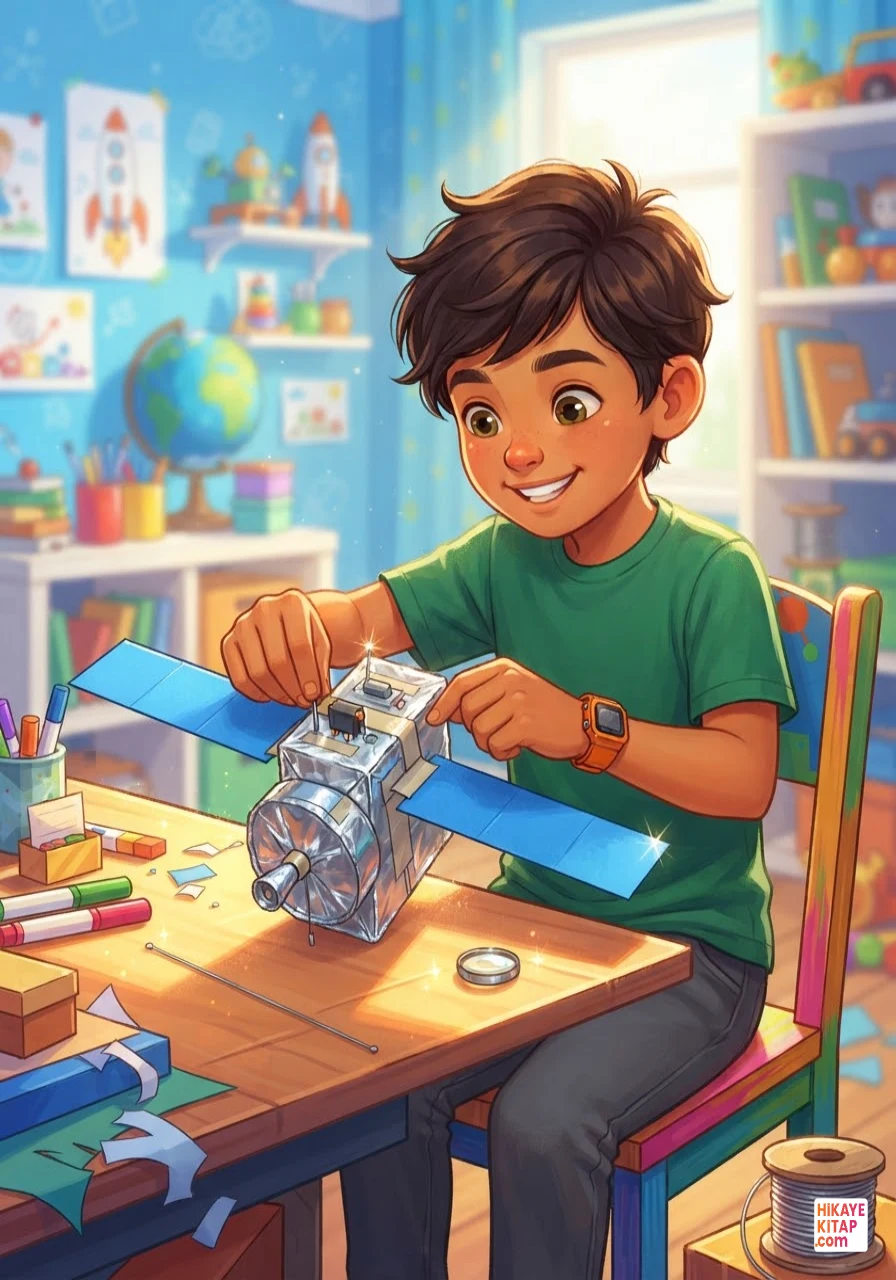
Leo continued adding important parts to his model. He made two long solar panels out of bright blue craft paper to collect energy. “This satellite needs to see, too,” he said, attaching a camera made from a small glass lens. At the very top, he placed a wire antenna that would allow it to talk to Earth.
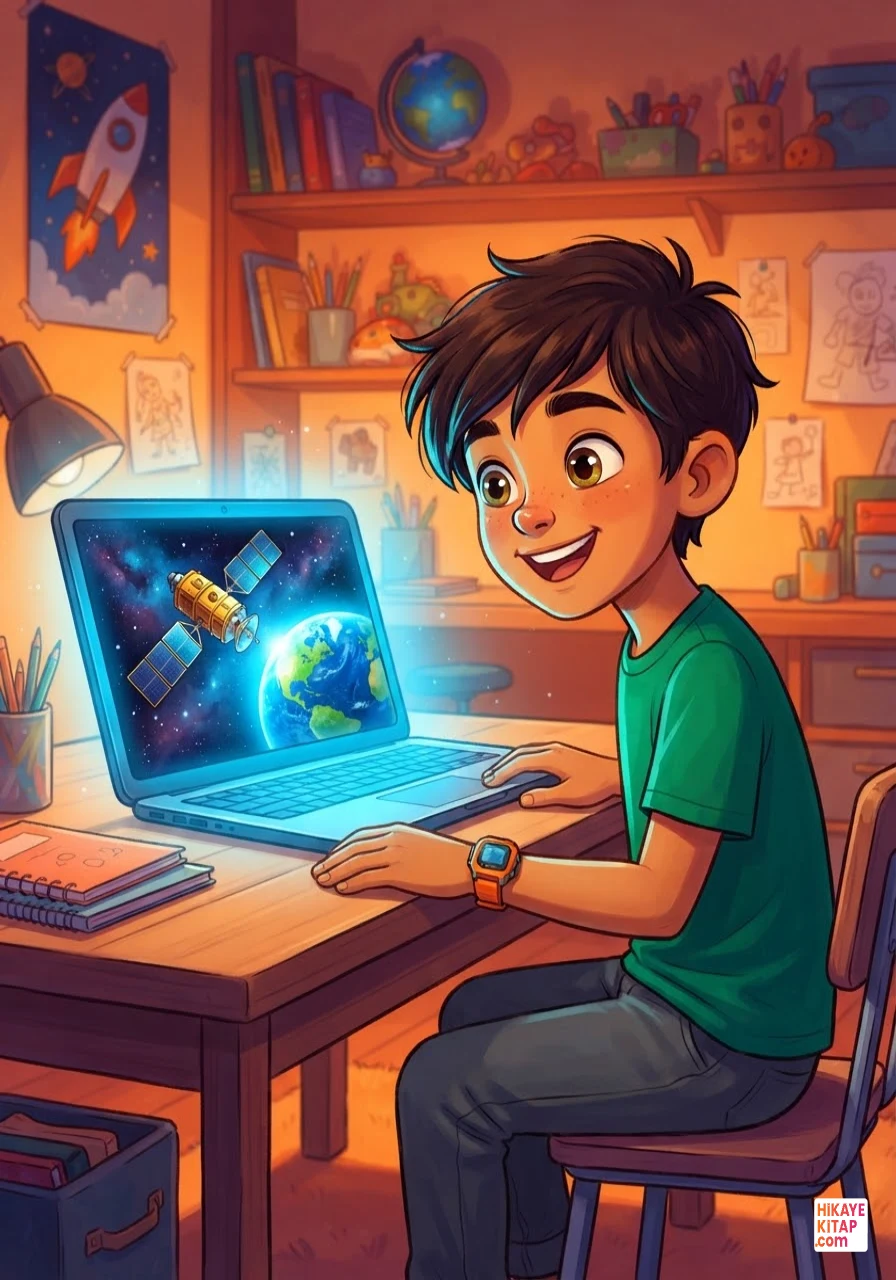
As he finished the model, a question popped into Leo's head: “But what exactly do real satellites do in space?” He immediately opened his computer and began researching. He watched videos of massive metal vehicles silently orbiting the Earth. Every new piece of information he learned made him even more excited.
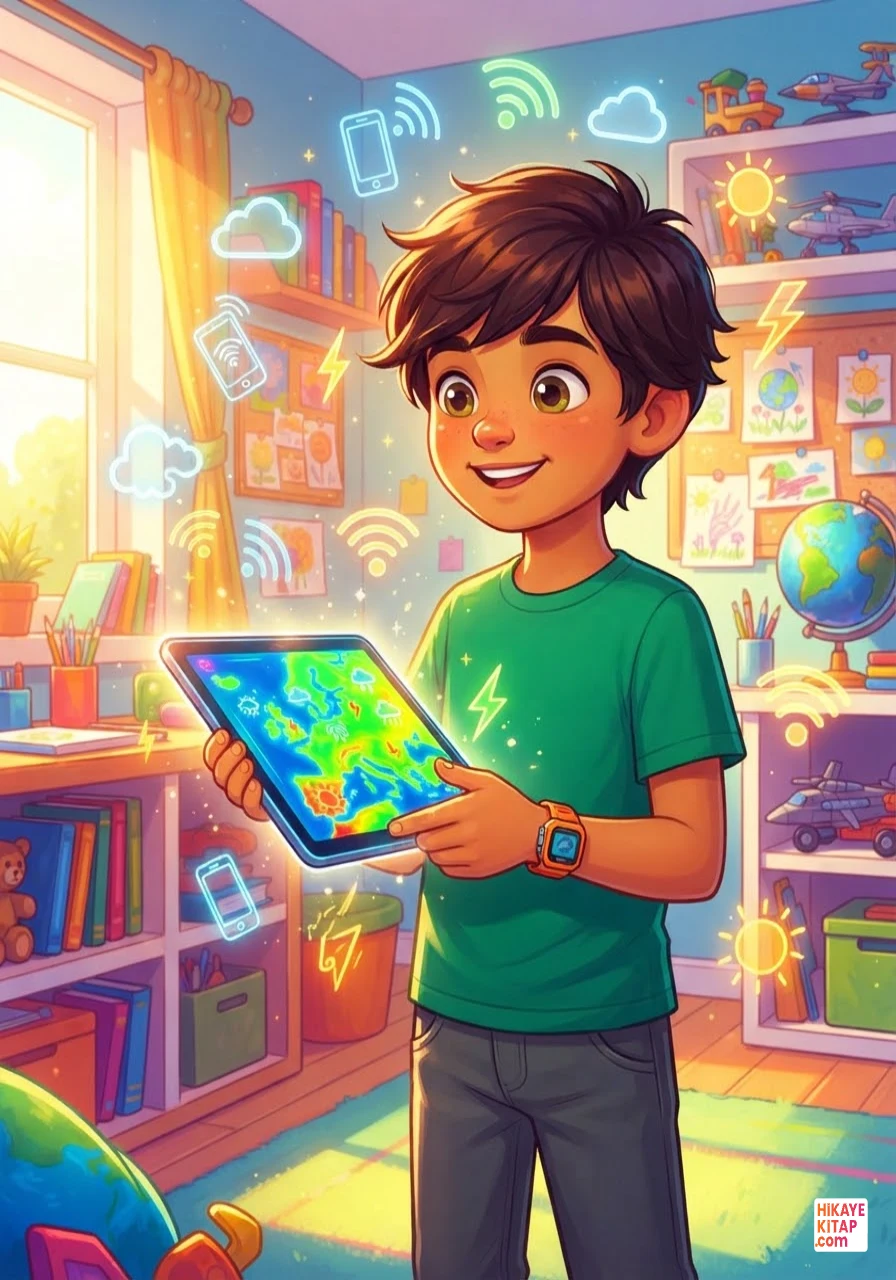
As his research deepened, he realized the importance of satellites in our lives. They did everything from predicting the weather to guiding ships across the oceans. Thanks to satellites, we could even watch TV and have video calls with loved ones far away. The Earth was connected because of satellites.

The next day, there was a knock at Leo's door. It was his best friend, Sophie. Sophie walked in with a bag full of colored cables and shiny stickers. “I heard you're preparing a space mission,” she said with a laugh. “How about we improve this satellite together?”
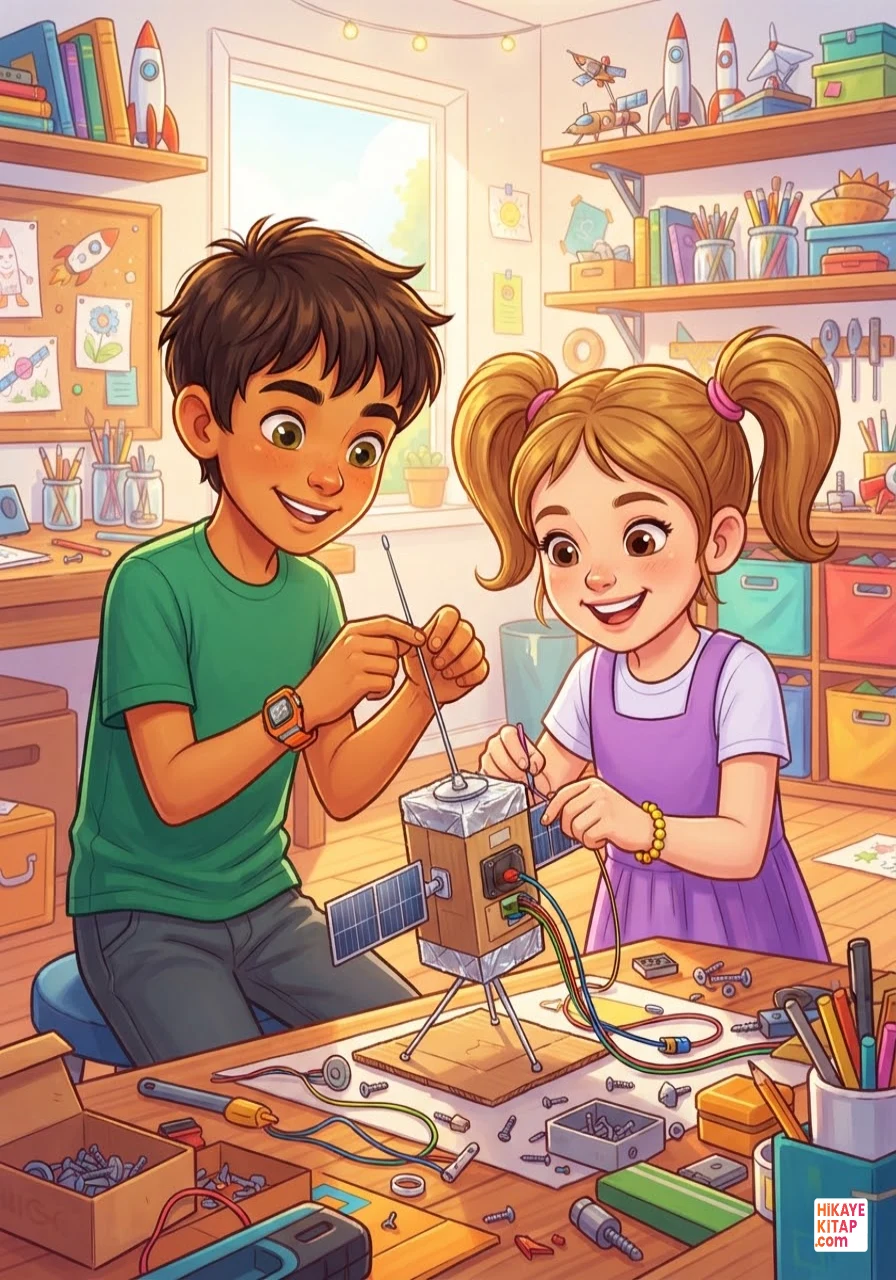
Leo and Sophie worked together for hours. Sophie added small blinking LED lights to the bottom of the satellite. Leo made the body of the satellite sturdier. Now, their model didn't just look like a school project; it looked like a real masterpiece of technology ready to be launched at any moment.

When presentation day arrived, Leo and Sophie placed their model in the center of the classroom. As the lights blinked, all their friends gathered around in awe. “This is our little satellite,” they said proudly. “It's an invisible hero that protects our Earth from above and keeps us connected!”

Their friends began asking curious questions. A boy named Jack raised his hand: “Can satellites also count endangered animals in the forest?” Leo was caught off guard by this question. He thought for a moment and said, “That's a great question! I don't even know everything satellites can do yet.”

When Leo returned home, he realized how little he actually knew about space. There was a whole universe waiting to be discovered and thousands of new questions to be answered. But this didn't make him sad; instead, knowing how much more there was to learn made him the happiest kid in the world.
During the first week of school, Lily saw a colorful poster hanging on the bulletin board in the hallway: Environment...
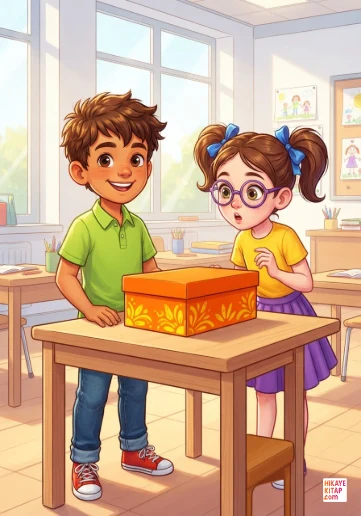
Leo had come up with a brilliant idea for his classroom. He placed a bright orange shoebox on his desk and began to p...
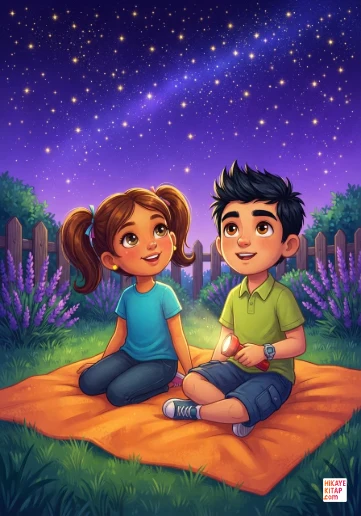
It was a warm summer evening. Chloe spread a soft, bright orange blanket over the fresh green grass in the garden. Th...
Use the link and iframe code below to embed the book on your site.