Lily and the Little Protectors of the World
During the first week of school, Lily saw a colorful poster hanging on the bulletin board in the hallway: Environment...
12 pages · 3 min
Type into the box above to start searching
Features and shortcuts to enhance your reading experience
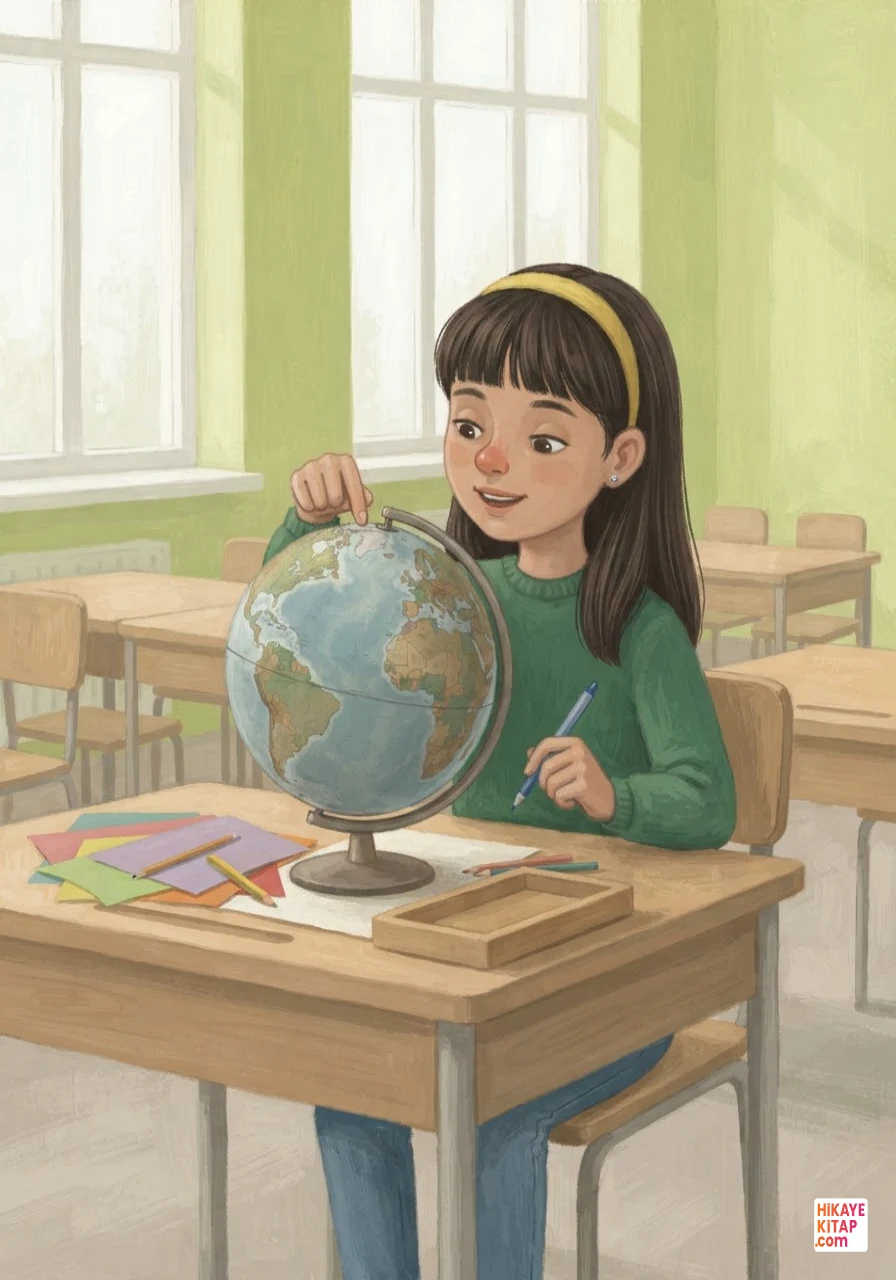
The most exciting day of school had arrived for Daisy. Her desk was covered with colorful pens, shiny paper, and a large globe. Her teacher had given the class a new assignment: to explore distant lands! Daisy placed her finger on the very top of the world, a bright white space. “This is it!” she said excitedly. At that moment, she decided to prepare a wonderful project about the polar regions.
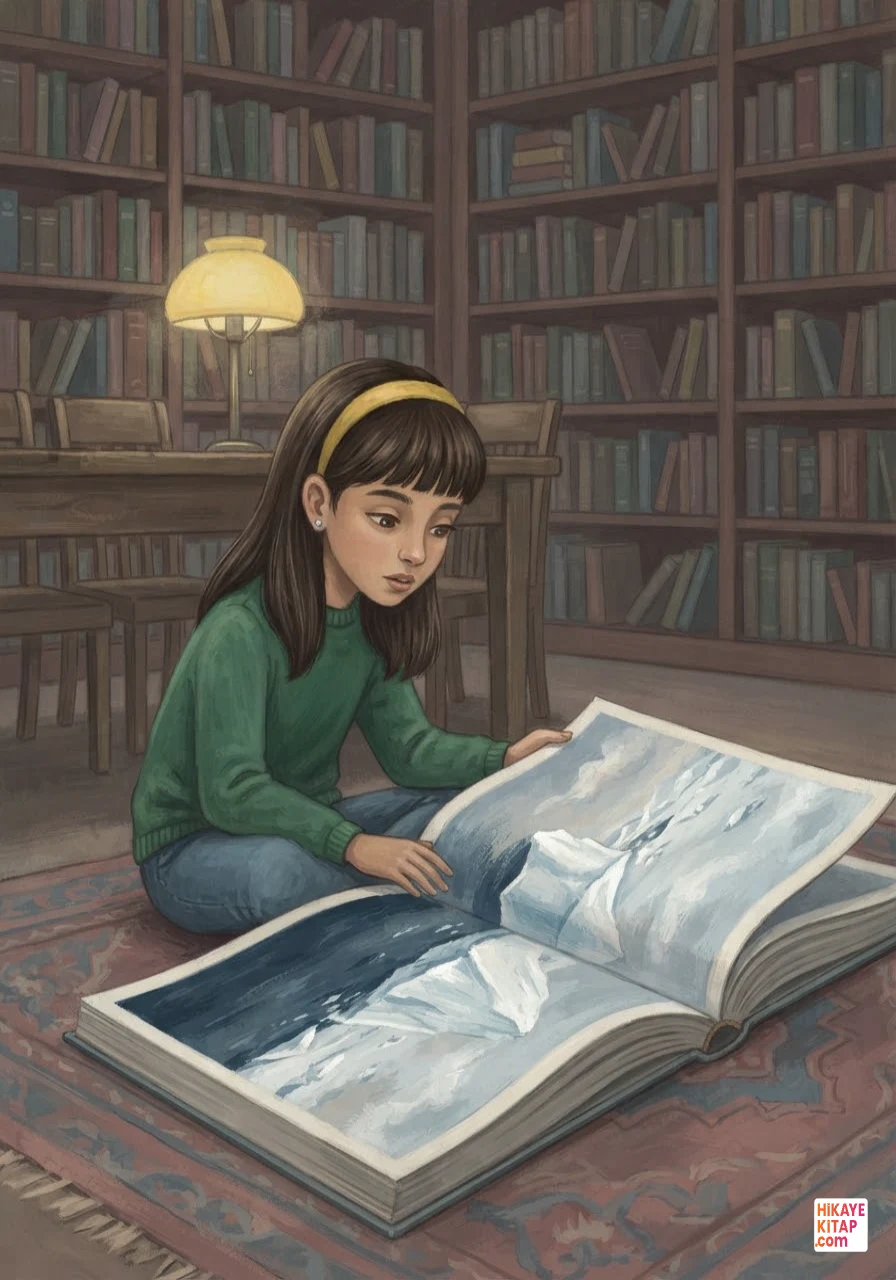
Doing research was like sailing on an unknown sea. Daisy found the thickest books in the school library and turned the pages one by one. She was mesmerized by the deep blue glaciers, massive icebergs, and the endless white expanses where freezing winds blew. As she imagined what cold climates looked like, she began to wonder how polar animals lived in such harsh conditions.
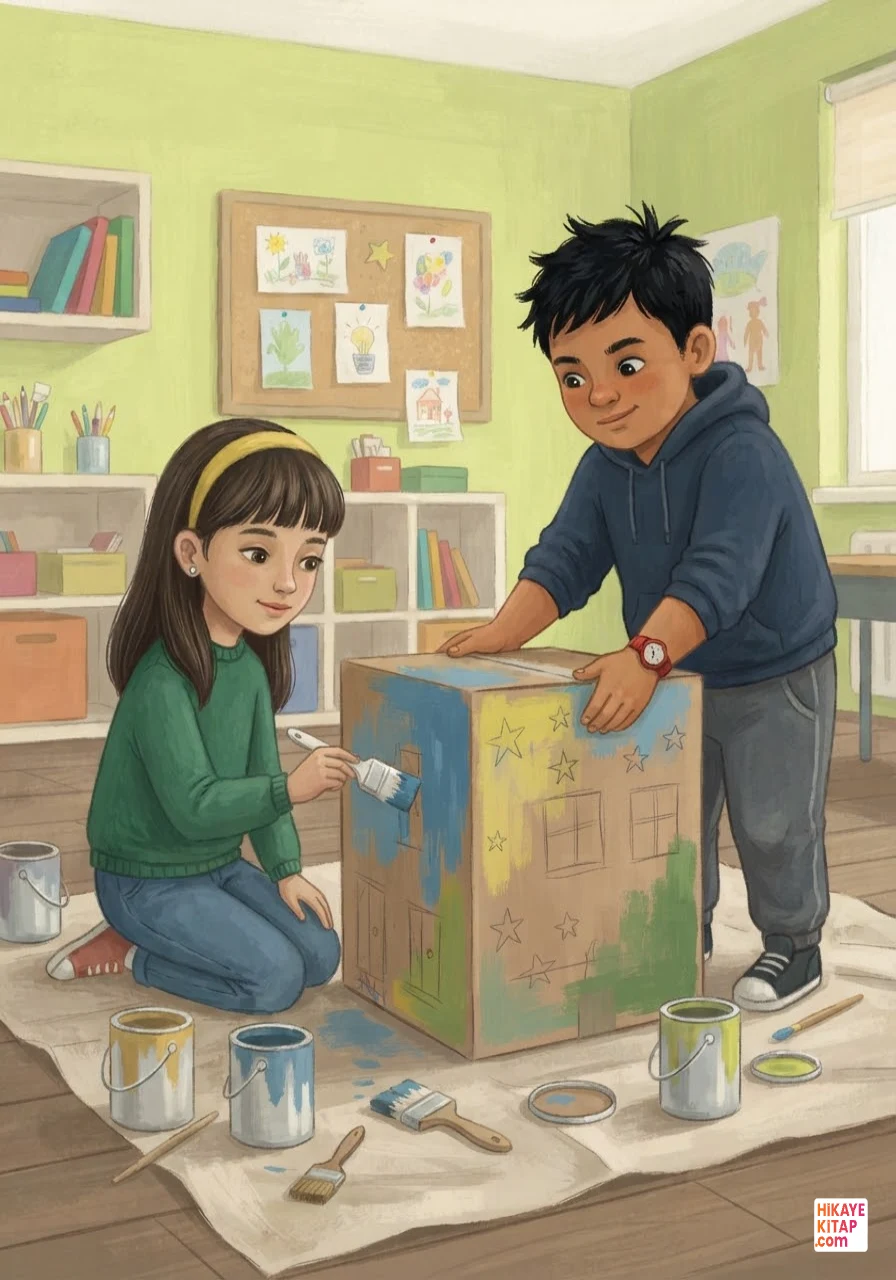
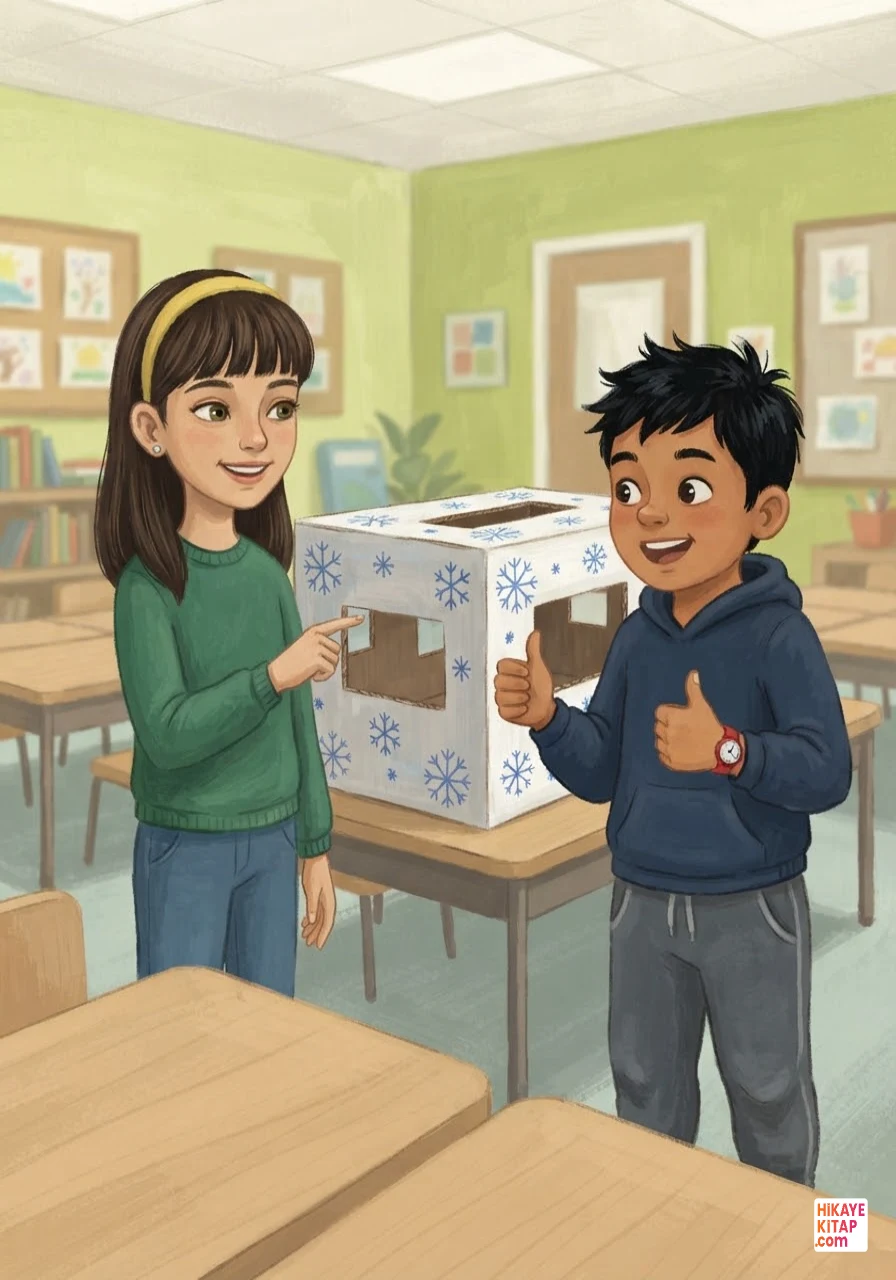
Daisy’s best friend, Sam, immediately came to her side to help with the project. Together, they found a large, empty cardboard box. “This will be our polar research station!” Sam said. While Daisy cut the cardboard, Sam opened the windows. Together, they painted the cardboard white and drew snowflakes on it, turning it into a real snow house.
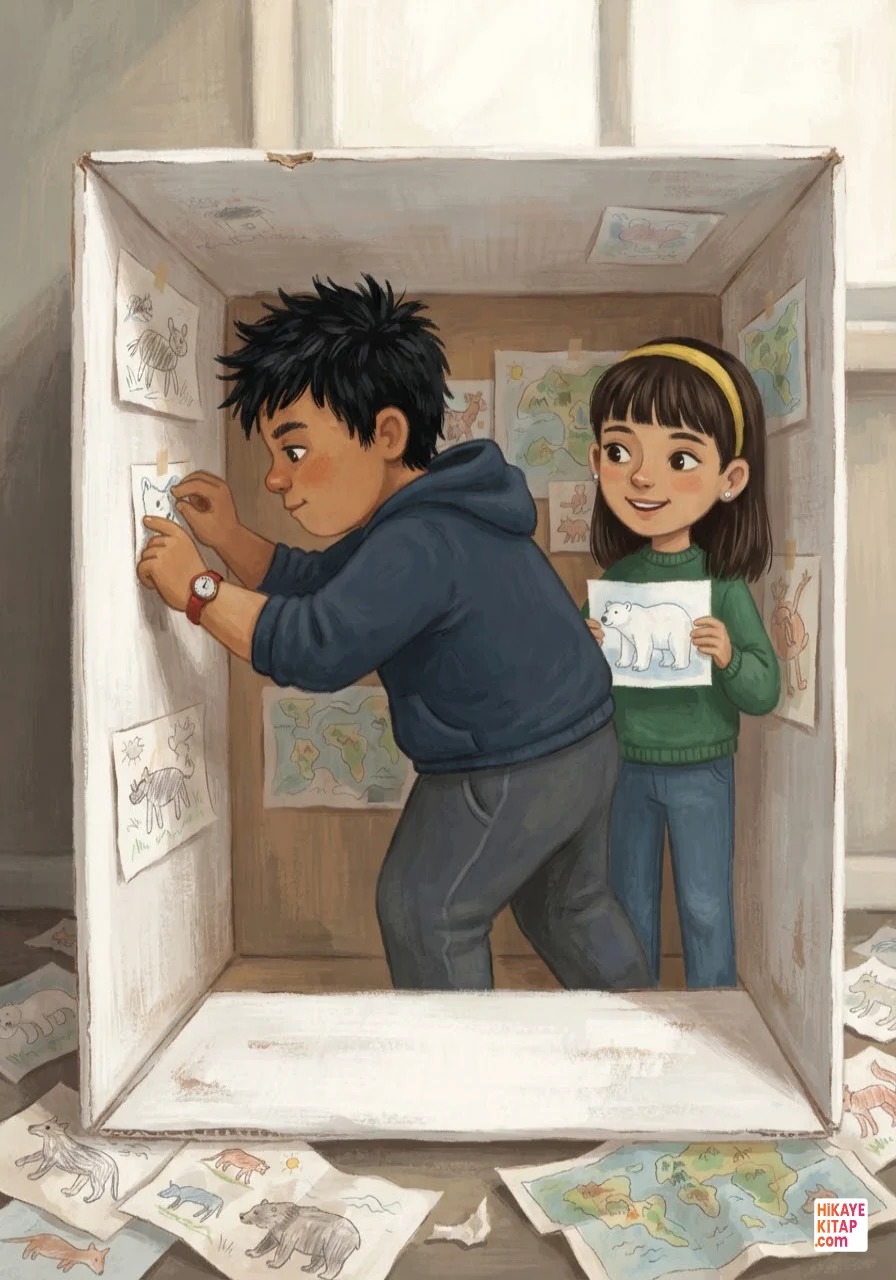
When the outside of the station was finished, it was time to furnish the inside. Daisy drew tiny maps showing the polar regions. Sam made drawings of penguins walking on glaciers and polar bears rolling in the snow. They carefully glued these drawings to the inner walls of the station. Now, the inside of the station looked like a real scientist's study.
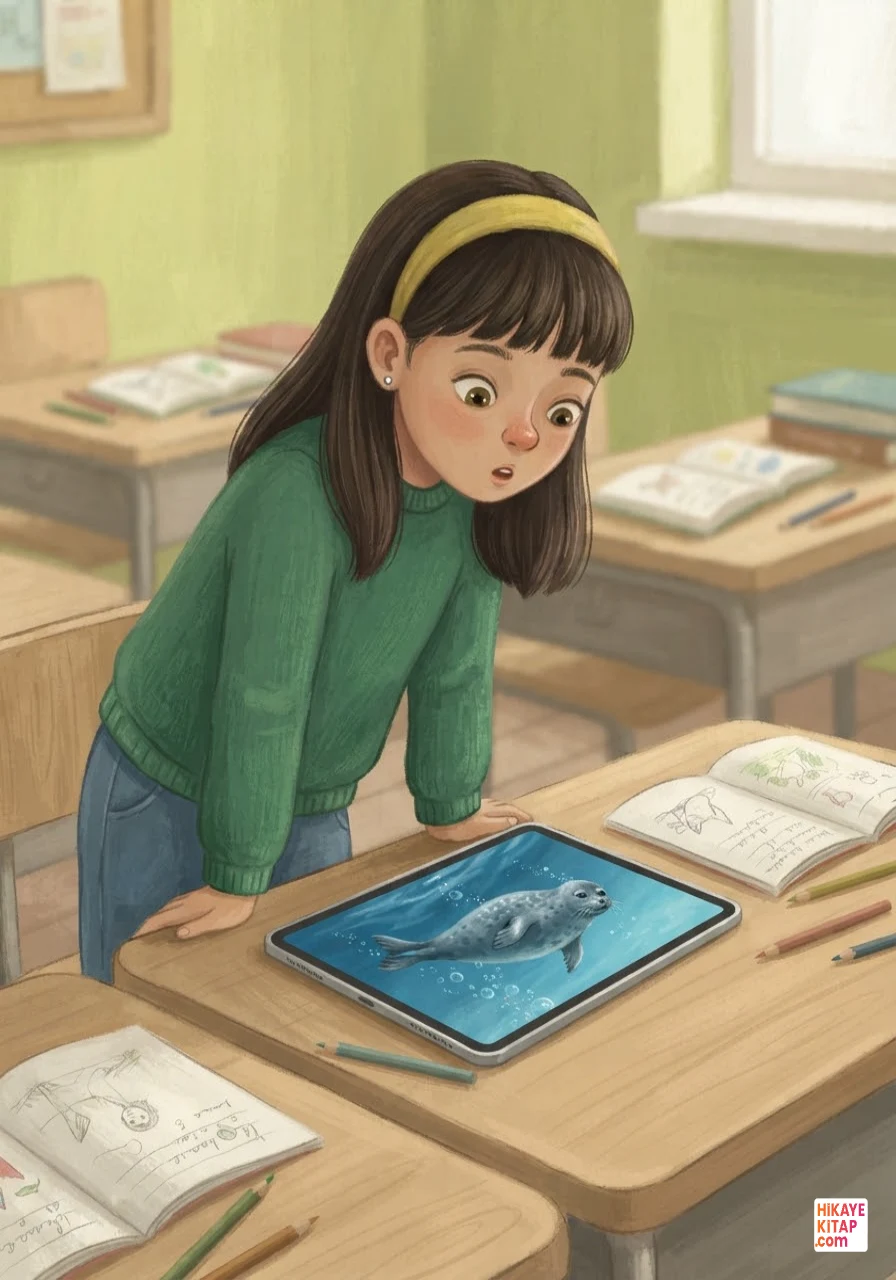
As the project progressed, their curiosity grew. “But don't these animals ever get cold?” Sam asked. They sat down at the tablet to start researching. Their amazement doubled as they learned how creatures living in polar regions adapt to the cold. They realized that nature offers special solutions for every living thing.
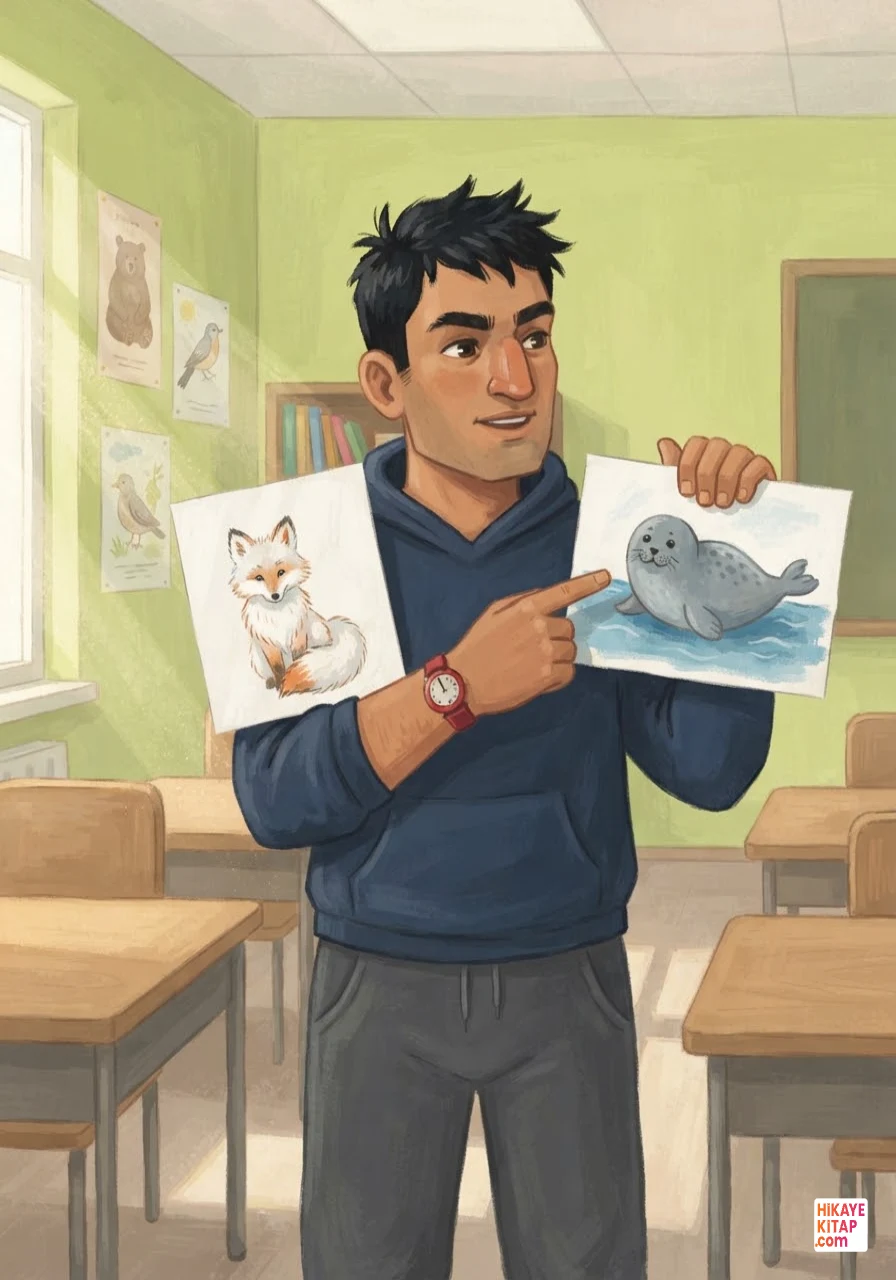
Sam found wonderful information through their research. “Look, Daisy,” he said, “some animals, like whales and seals, stay warm thanks to the thick layers of fat under their skin!” Daisy, meanwhile, was examining polar foxes with their pure white and dense fur. Some creatures had fur so thick and tight that even the wind could not pass through it.
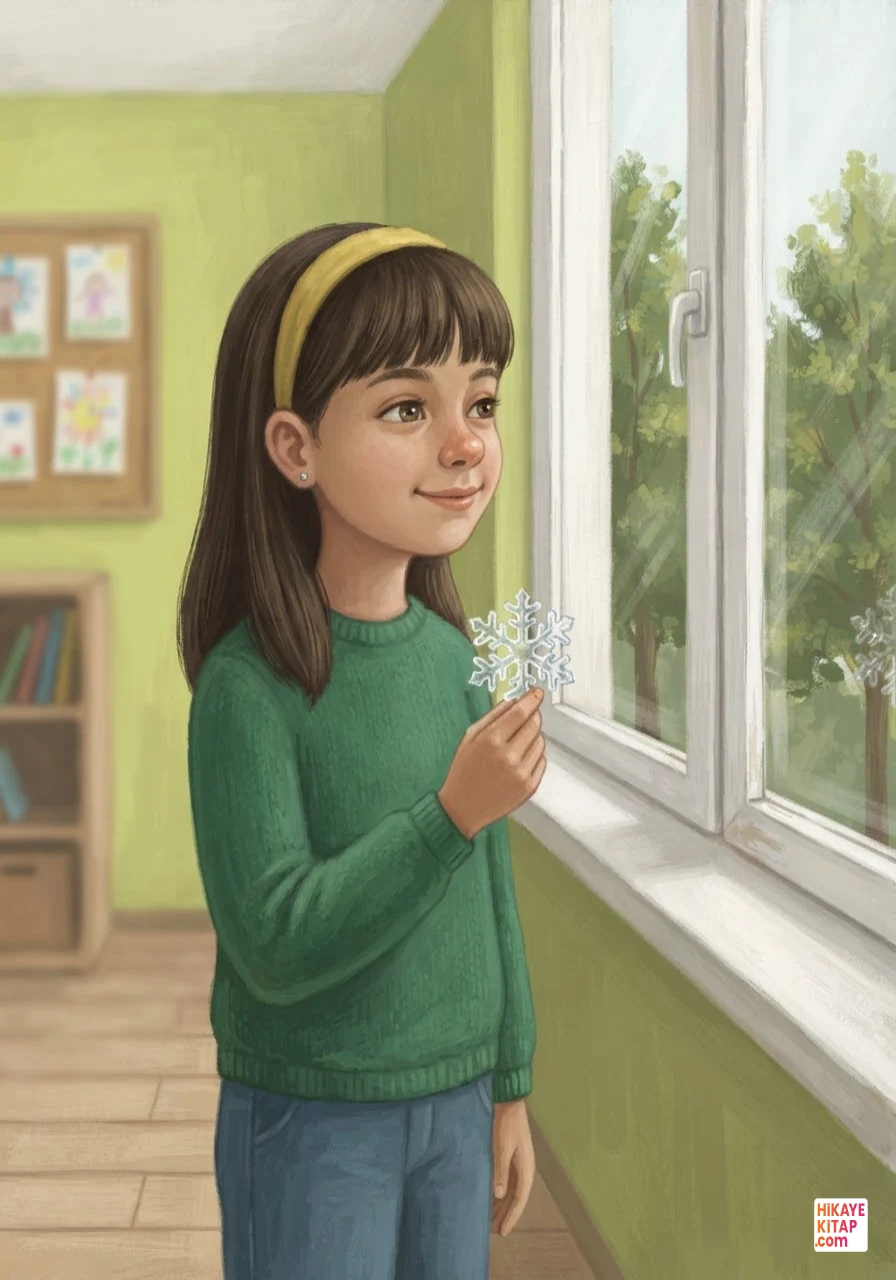
Daisy went to the window and looked at the trees outside. “Every living thing is designed for its own home,” she thought. Ants needed to be under the ground, birds needed the sky, and polar bears needed the ice. The fact that living things adapted so perfectly to their environment made the world an even more special place in her eyes.
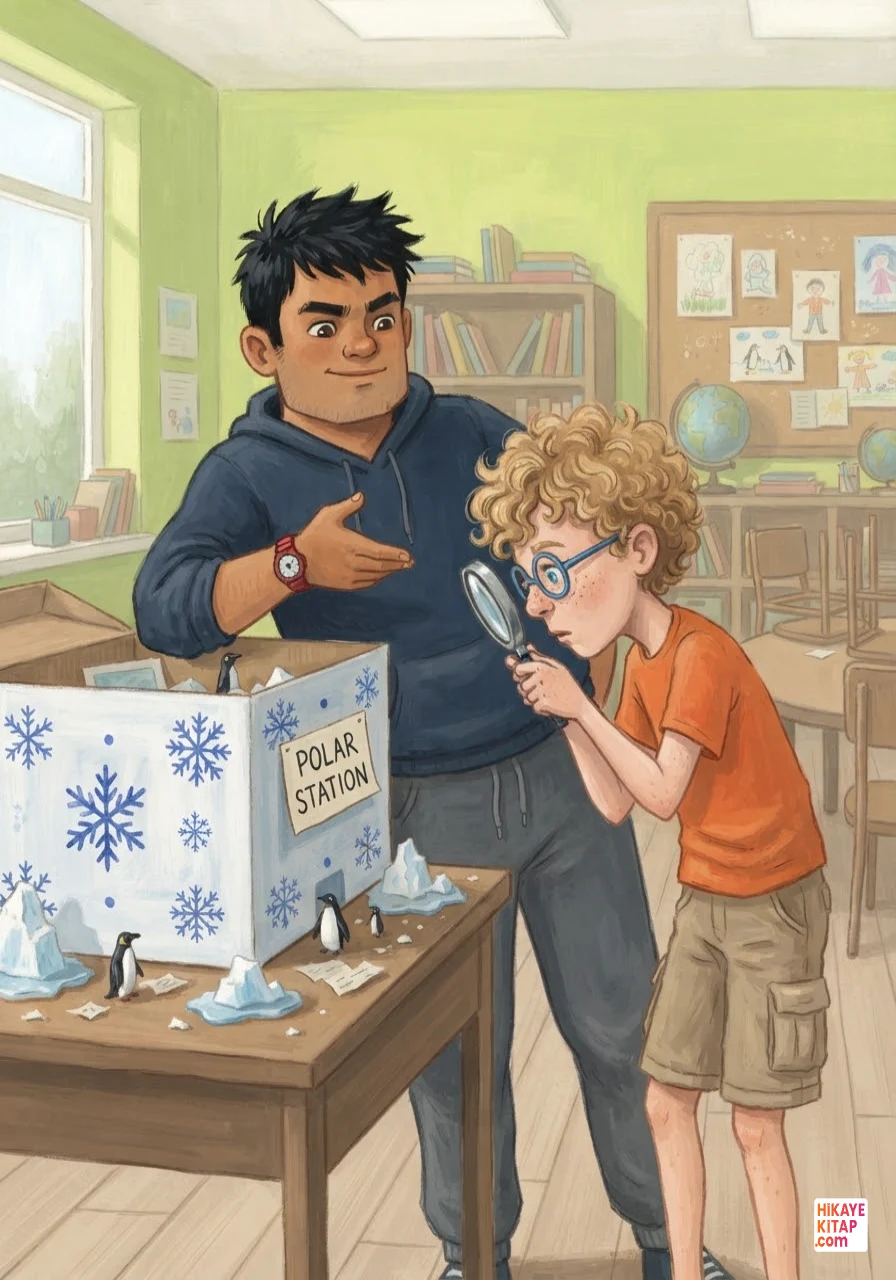
Finally, the day of the project presentation arrived. Their classmates were eager to see the cardboard station Daisy and Sam had prepared. Their friend Leo took a magnifying glass and began to look inside the station. Everyone examined this handmade mini polar world with admiration and asked questions. Sam proudly explained the features of the station.
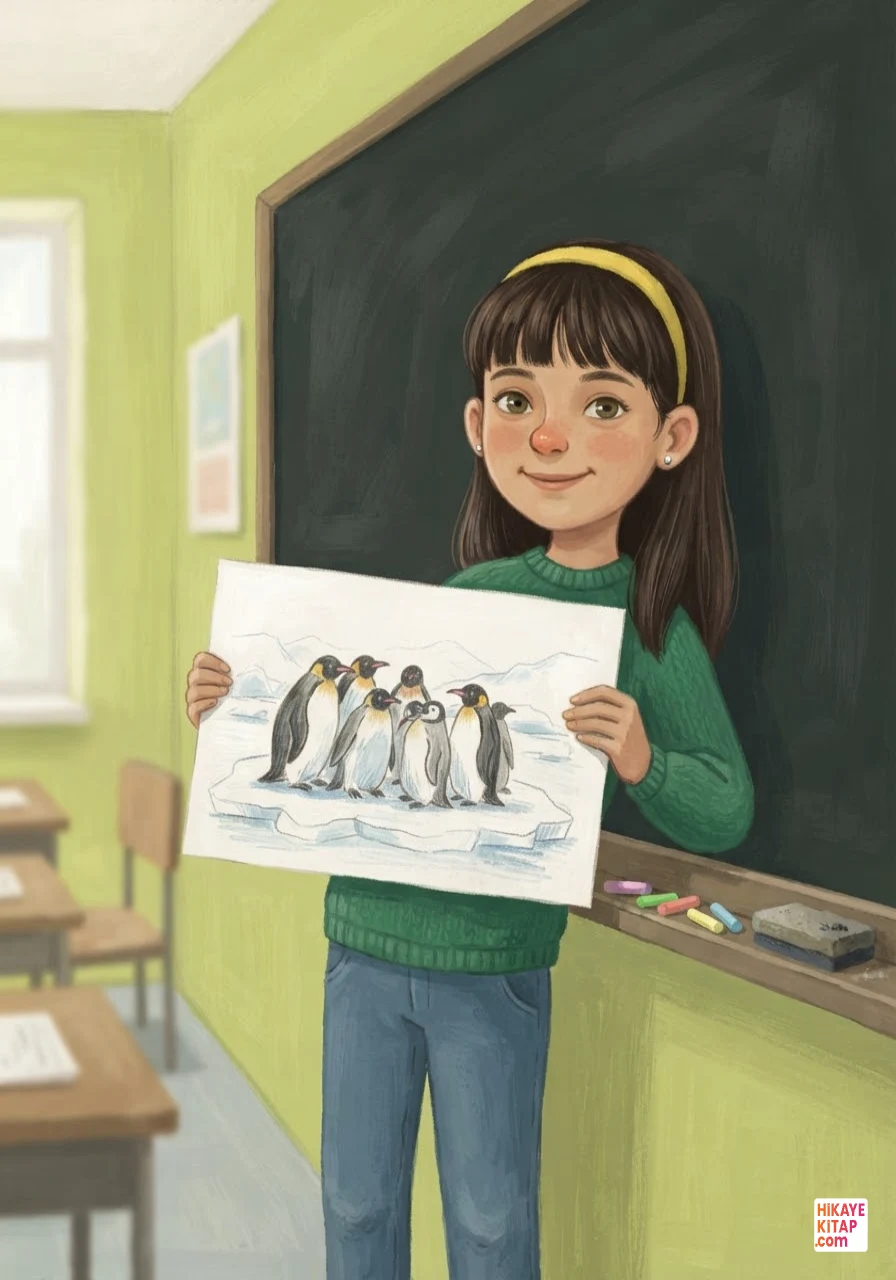
When it was Daisy’s turn to present, she took her favorite drawing of a penguin. Standing in front of the board, she explained how penguins stay together to keep each other warm. Then, her other friends presented information about the polar animals they had chosen. The classroom had suddenly turned into an exploration area full of knowledge.
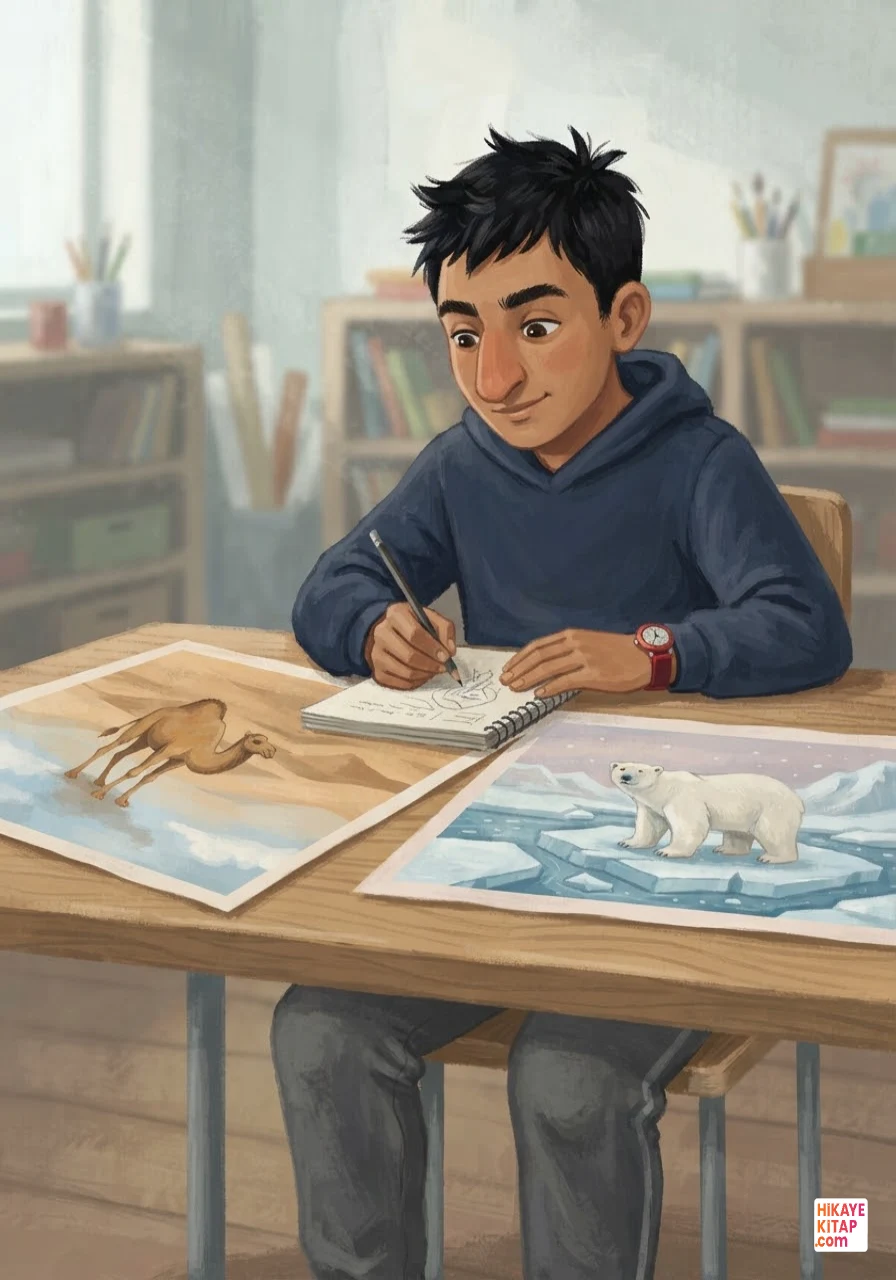
At the end of the day, Sam realized how much fun it was to compare the lifestyles of different creatures. He sat at a desk and put two different posters in front of him: one showed hot desert animals, and the other showed cold polar animals. He shared with his friends how opposite yet fascinating these two worlds were.
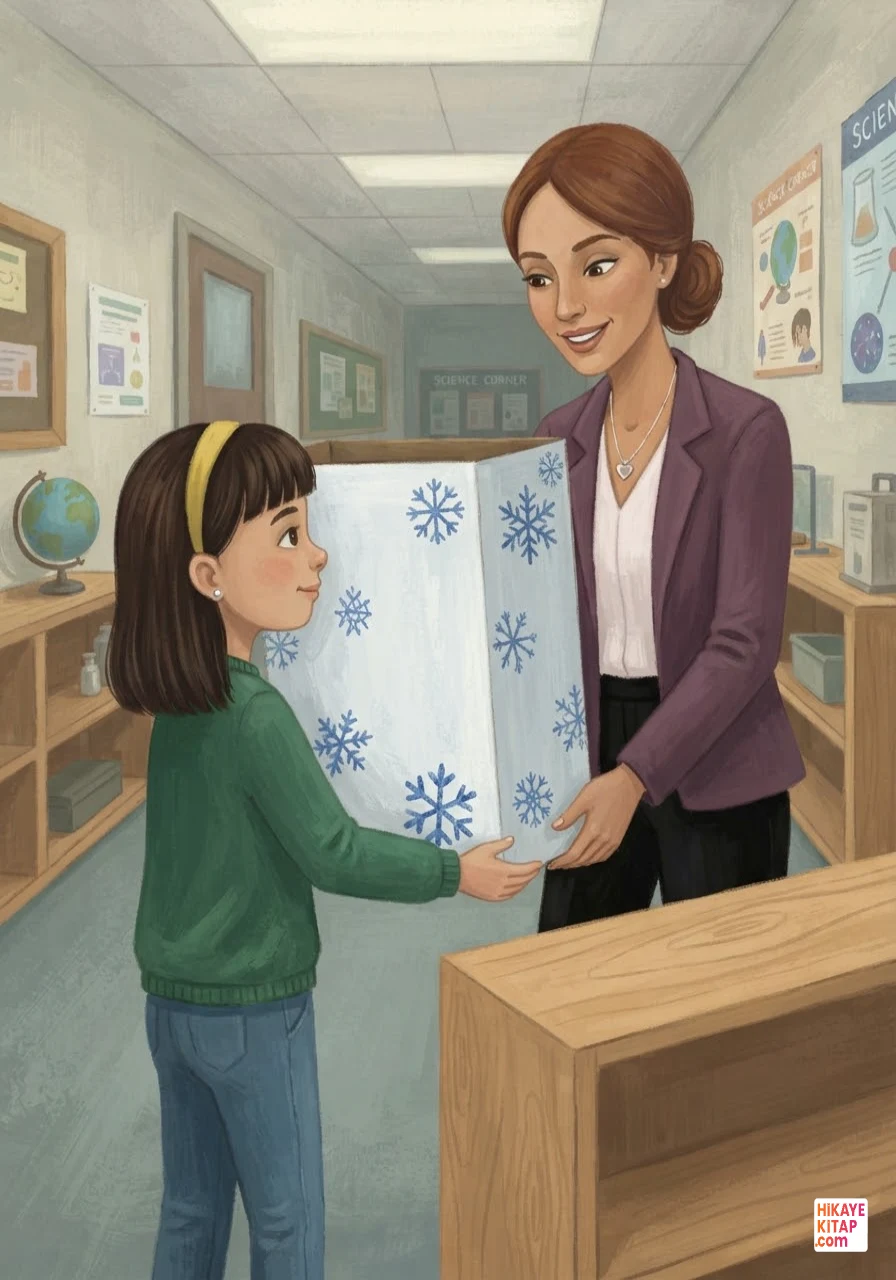
The project had been successfully completed. Daisy and her teacher, Ms. Miller, carried the cardboard research station together to the school's science corner. Ms. Miller touched Daisy's shoulder and said, “You did a wonderful job.” The station would now stay in that special corner for other children in the school to learn about the polar world.
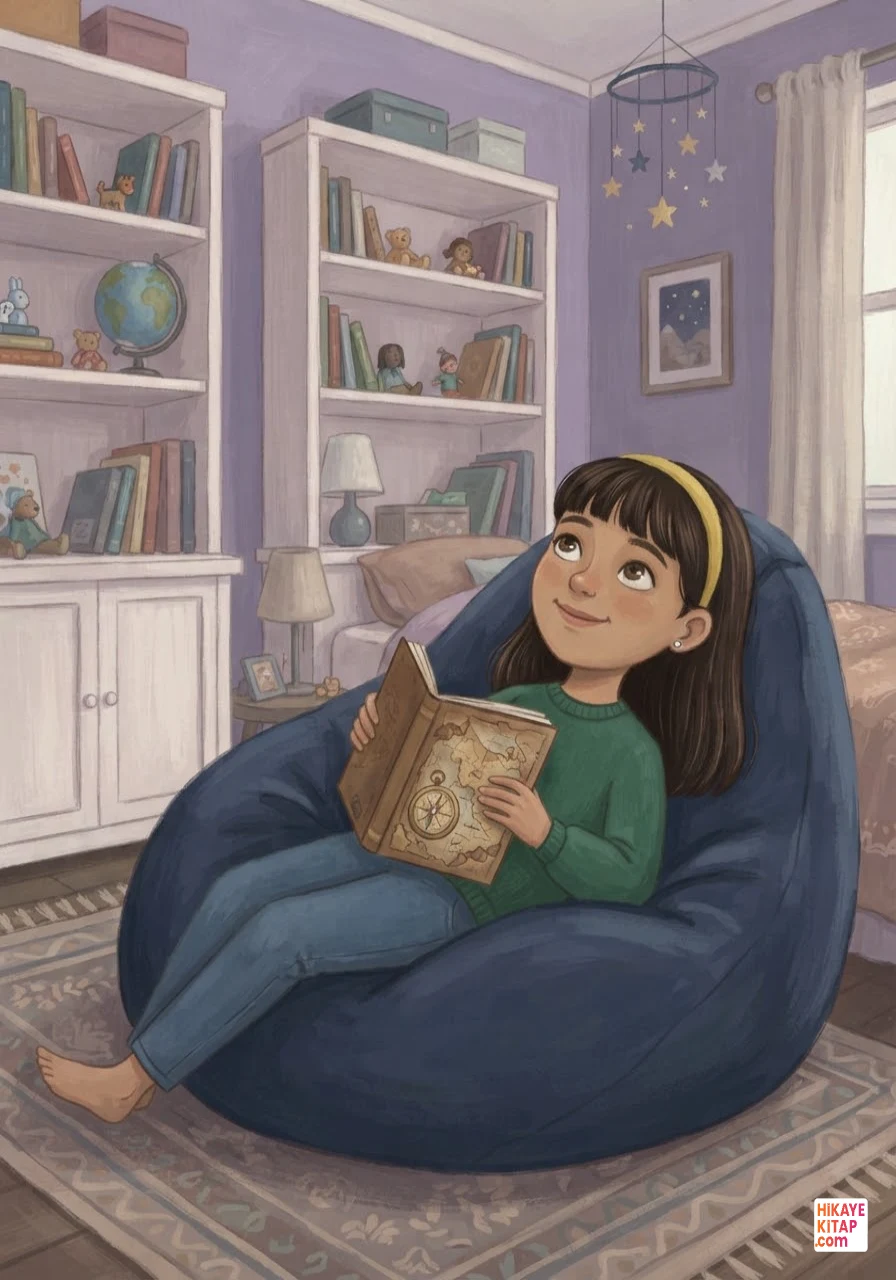
When Daisy got home, she lay down on the beanbag chair in her room. In her hand was a book with a picture of a compass on it. She had learned something important that day: you didn't necessarily have to get on a plane to discover a new place. By researching, reading, and imagining, she could take magnificent journeys to even the farthest corners of the world.
During the first week of school, Lily saw a colorful poster hanging on the bulletin board in the hallway: Environment...
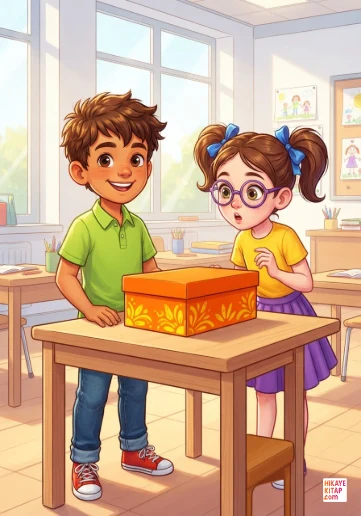
Leo had come up with a brilliant idea for his classroom. He placed a bright orange shoebox on his desk and began to p...
It was a warm summer evening. Chloe spread a soft, bright orange blanket over the fresh green grass in the garden. Th...
Use the link and iframe code below to embed the book on your site.