
Water Cycle Watchers
Defne, Mert, Sarp, and Idil observe the water cycle with a simple experiment and learn evaporation, condensation, and...
Read more 15 pages
Type into the box above to start searching
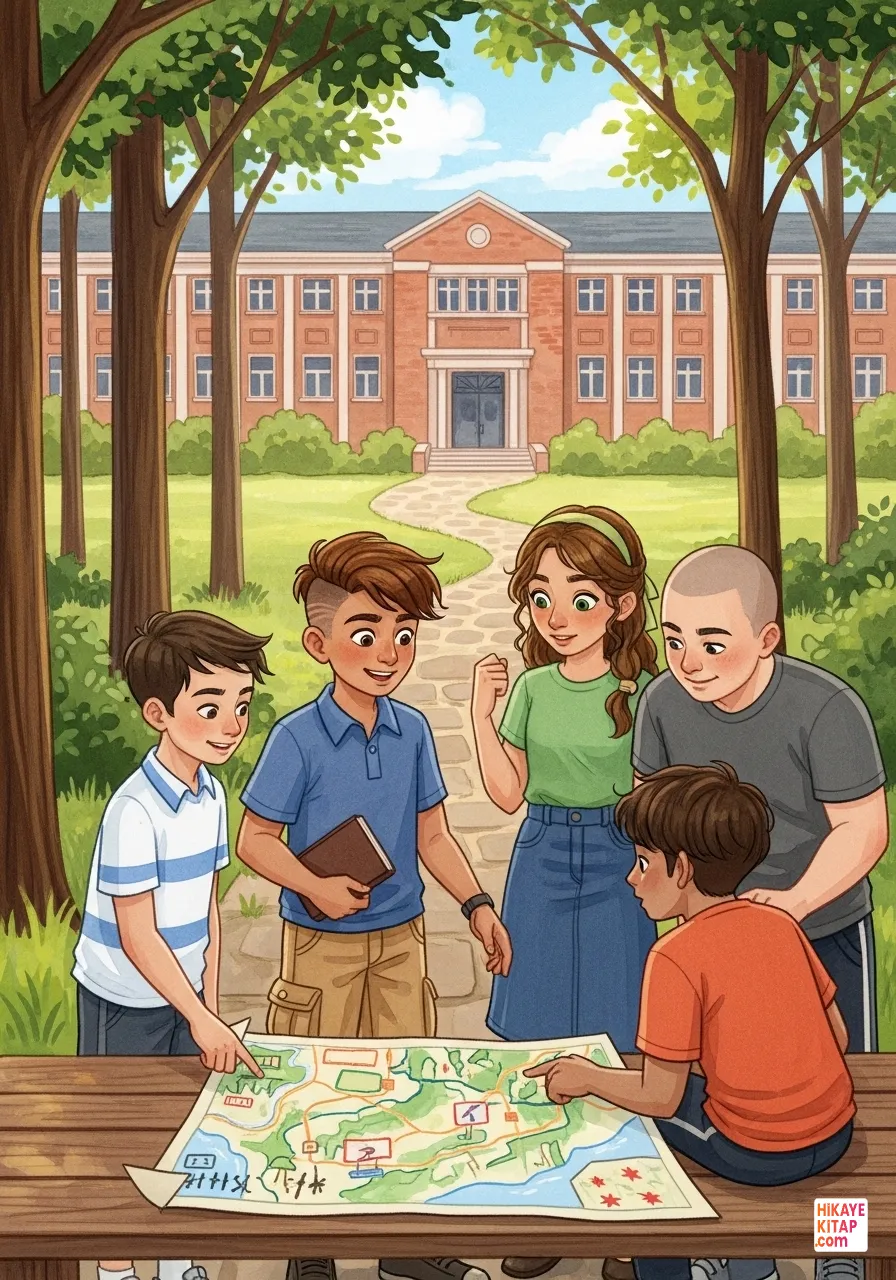

Inside the classroom, they shared their vision with Yankı and Selin. Yankı, whose backpack was always overflowing with gadgets, immediately pulled out a portable microphone and a tablet. I can capture high-fidelity recordings of everything from a whisper to a roar, he said, his eyes gleaming with excitement. Selin, always the one to see the structure in the chaos, already had a grid drawn out. Recording isn't enough, Selin noted firmly. We must categorize them; natural sounds, human-made sounds, and technological noise. We need to know exactly when, where, and how loud the world is.
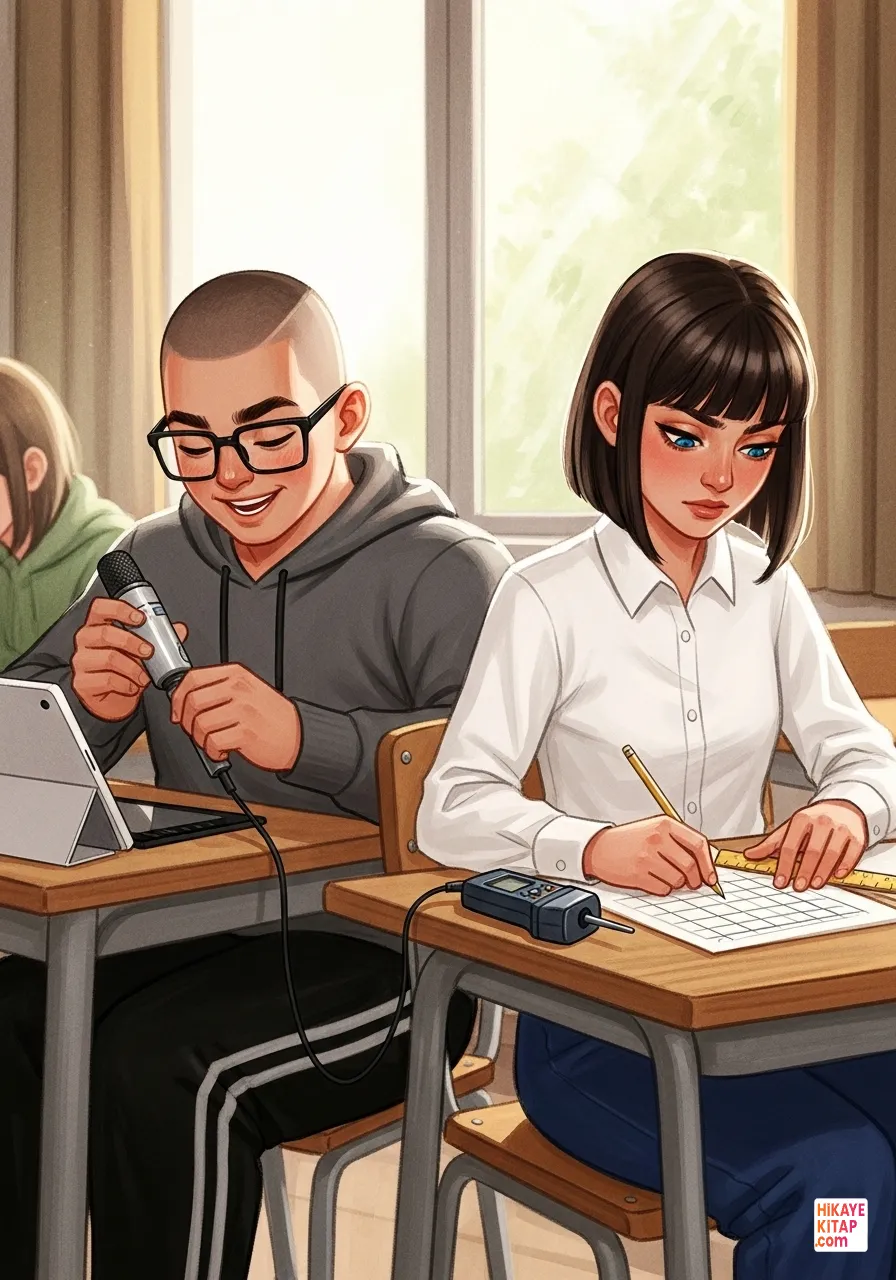
It was a radiant Tuesday morning. Mert stood in the center of the schoolyard, eyes closed, listening to the chaotic symphony of the morning rush. The distant wail of an ambulance, the sharp chirp of a sparrow in a nearby oak, and the gentle rustle of wind through the leaves all merged into a single, vibrant layer of sound. Tını, scribbling furiously in her small notebook, looked up at him. If all these sounds had a face, Mert, what do you think they would look like? Mert smiled, his mind already racing. Maybe not a face, he replied. Maybe we should make a map. A sound map of our school and the whole neighborhood.
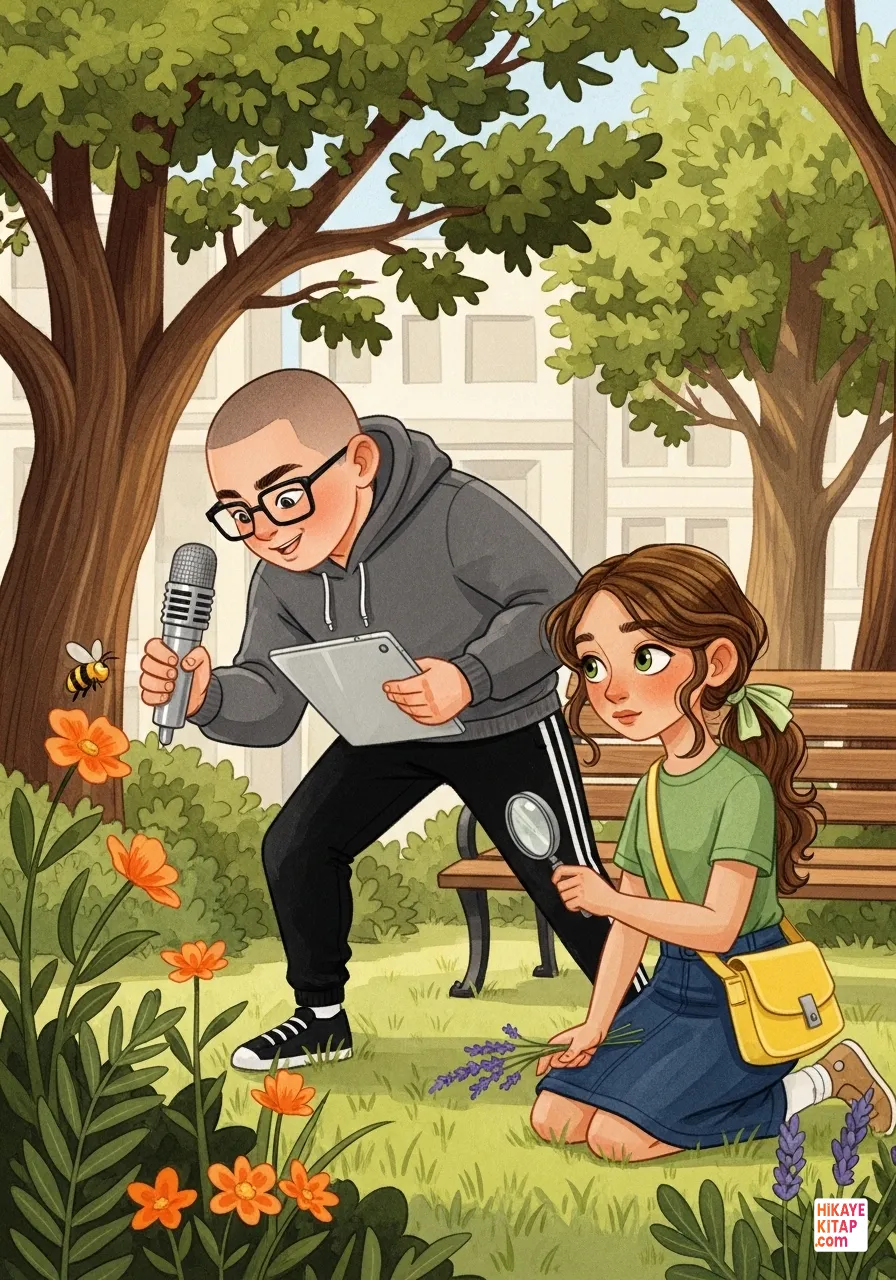
The following day, the team set out on their sonic expedition. Their first stop was the small, sun-drenched park adjacent to the school. Yankı extended his long boom microphone toward a cluster of wildflowers, trying to catch the rhythmic hum of a bumblebee. Tını knelt nearby, observing a line of ants and the delicate shiver of the grass. The sounds here are so peaceful, Tını whispered, making a green mark in her notes. This will be the Nature’s Melodies section of our map, the green zone.
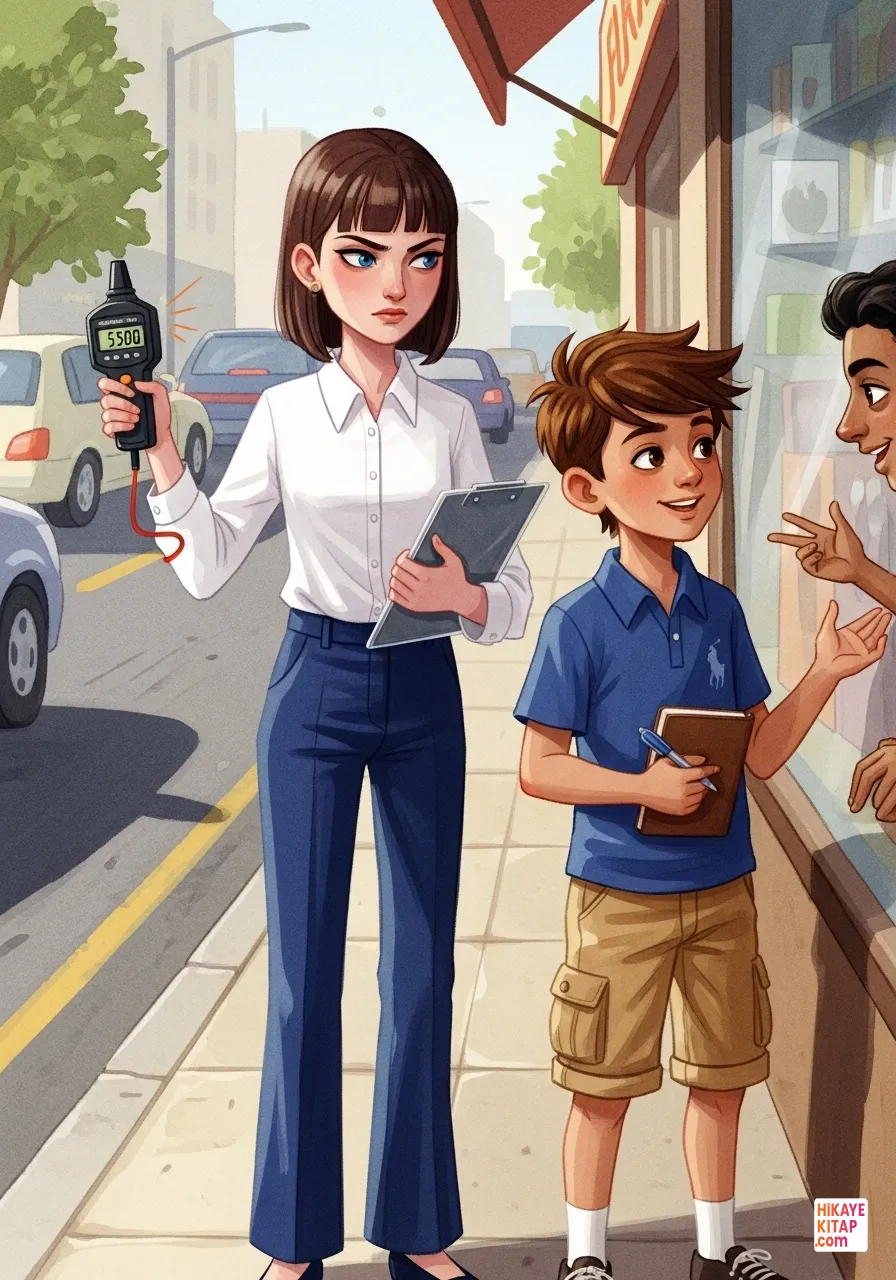
As they moved away from the park and toward the main thoroughfare, the atmosphere shifted abruptly. The air grew heavy with the growl of engines. Selin held her digital decibel meter high, capturing the peak volume of every passing truck and honking horn. Mert stood nearby, holding his own recorder as he interviewed a local shopkeeper about the daily din. Selin frowned at the flickering numbers on her screen. It’s hitting over 85 decibels, she said, raising her voice to be heard. That is high enough to break anyone's concentration.

Back at their headquarters, a quiet corner of the school library, it was time to transform their findings into data. Yankı synced his tablet to a laptop, projecting jagged, colorful sound waves onto the screen. Selin analyzed the peaks and valleys with a focused gaze. Look at this, she pointed out. Right during our most important lesson hours, the noise at the intersection in front of the school spikes to its highest level. It must be making it nearly impossible for students to focus. Yankı nodded, highlighting the aggressive red waves on the monitor.

Tını and Mert began the physical construction of the map. Tını had sketched a detailed outline of the neighborhood on a massive sheet of heavy paper. Mert was busy placing different colored adhesive dots across the landscape. Blue dots represented birds and wind, yellow stood for human conversation, and purple marked the heavy machinery and traffic. The map is coming to life, Mert said, stepping back to look at the colorful mosaic. But showing the problem is only half the battle. We have to find a way to fix it.

The team gathered by the library’s large windows to observe the problem firsthand. They watched as a line of cars idled at the red light, their engines vibrating against the school's glass panes. Yankı checked his tablet again, noting the resonance. The sound bounces off these hard brick walls, he explained. Selin tapped her chin thoughtfully. If we can't stop the cars, we have to change how the sound travels. We need something to soak up the noise before it hits our ears.
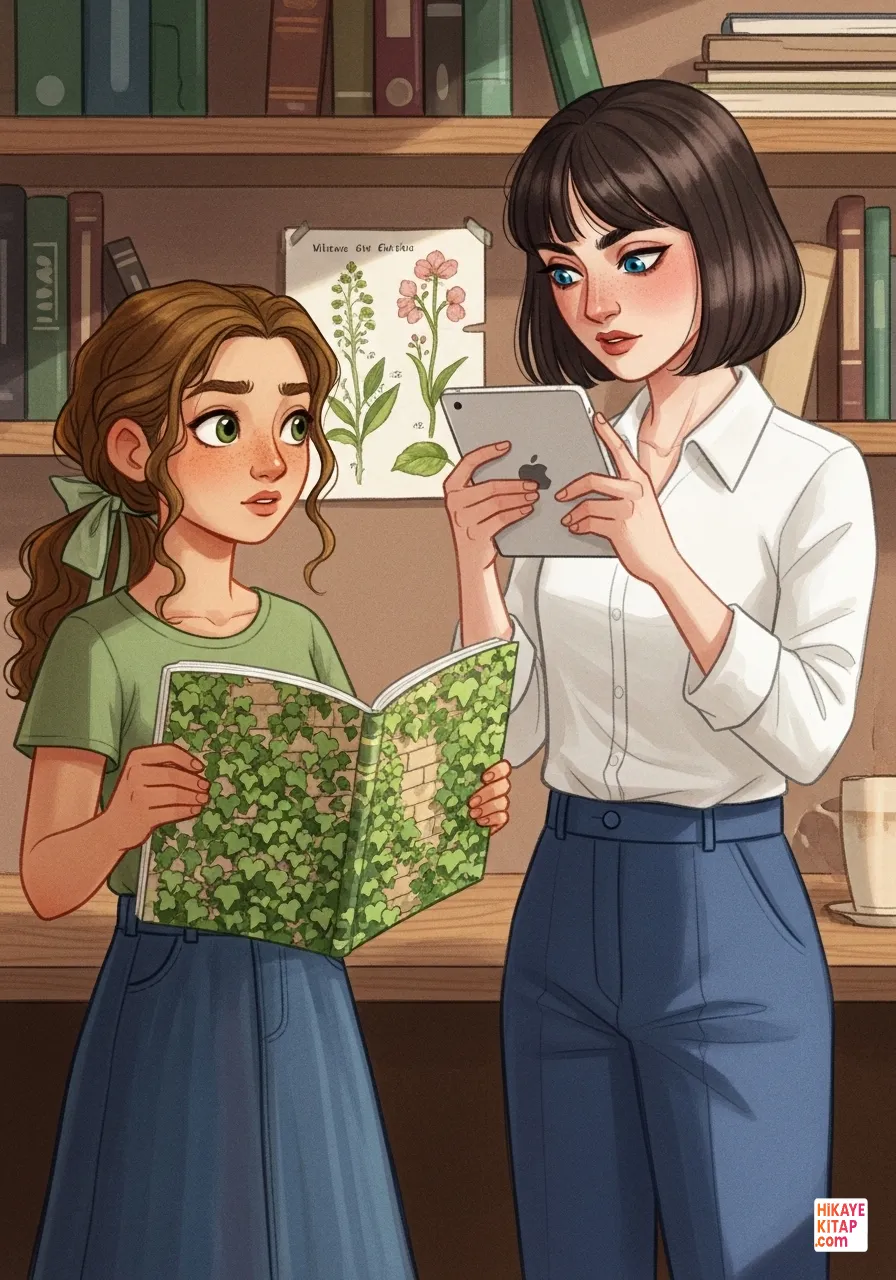
Tını pulled a thick book on urban ecology from the shelf. What if we used living walls? she suggested, showing a page filled with lush ivy and dense shrubbery. Plants are natural sound absorbers. If we cover the school's perimeter walls with thick greenery, the leaves will catch the vibrations. Selin’s eyes brightened as she took a photo of the page with her tablet. Botanical sound barriers. They are beautiful, functional, and completely sustainable. It’s a perfect solution.

While the girls focused on nature, Yankı and Mert tackled the technological and social side of the project. Yankı sat at the computer, researching silent asphalt, a special road surface that reduces tire noise. Meanwhile, Mert was at the drawing board, sketching vibrant signs. He drew a friendly, smiling ear icon under the words School Zone - Please Keep the Melody Low. If we present these to the city council, Mert said, drivers might realize their noise affects our learning.

After days of hard work, the project was finally polished. Yankı and Selin collaborated on a digital presentation that integrated the audio clips, the decibel charts, and the proposed solutions. Selin double-checked every statistic. The data is undeniable, she said with confidence. When we speak with the weight of science behind us, they’ll have to listen. Yankı added the final title card in bold, elegant letters; THE SOUND MAP PROJECT: HEARING THE FUTURE.

The morning of their meeting at the City Hall arrived. Tını and Mert stood in the grand hallway, Tını carefully holding the large, rolled-up map as if it were a treasure. Mert felt a flutter of nerves in his chest, but he took a deep breath. Tını noticed and gave him an encouraging smile. We’ve thought of every detail, Mert, she reassured him. This isn't just a school project anymore. It’s for the birds, the neighbors, and every student who wants to hear themselves think.

They were ushered into the office of Mayor Nil. The Mayor, a woman with a sharp gaze and a warm smile, invited them to speak. Mert stepped forward first, laying out the social importance of their work. We want a city where the melody of the birds isn't drowned out by the roar of the road, he explained. Mayor Nil leaned in, her interest clearly piqued, as Mert unrolled the vibrant, sticker-covered map across her mahogany desk.

Then it was Selin's turn to provide the evidence. She stood beside the Mayor, showing her the tablet with the analyzed noise spikes. Our data shows that the decibel levels during school hours frequently exceed safety limits for concentration, Selin explained clearly. But we also have the cure; green barriers and silent infrastructure. Mayor Nil nodded slowly, tracing the red spikes on the graph with her finger. This is remarkably professional work, the Mayor remarked. You haven't just found a problem; you’ve brought me the blueprint for a solution.
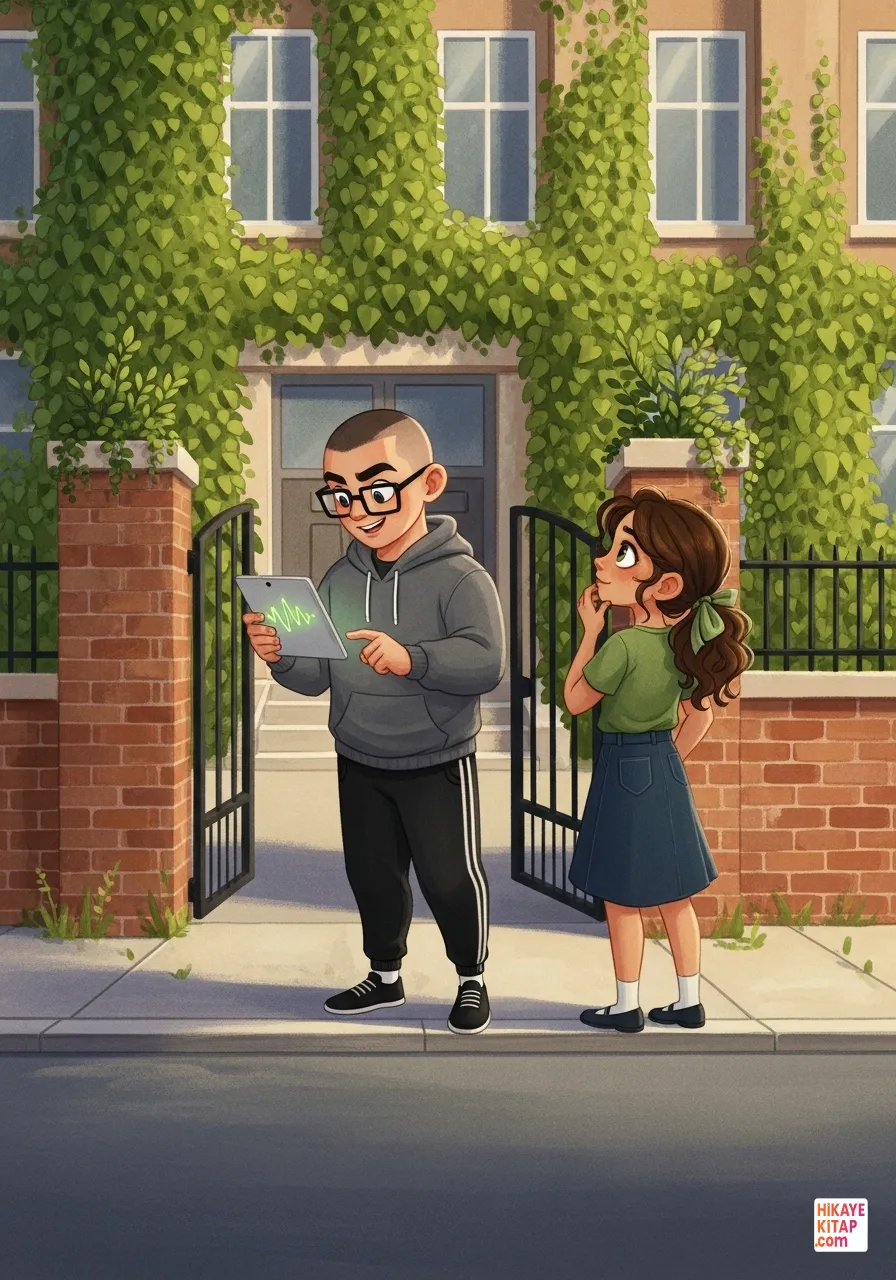
Several months later, the neighborhood had undergone a miraculous transformation. Yankı and Tını stood at the school’s main entrance, marveling at the changes. The once-bare concrete walls were now draped in a thick curtain of emerald ivy. The street looked darker and smoother where the silent asphalt had been laid. Yankı pulled out his tablet and checked the decibel levels. Instead of the jagged red lines of the past, the screen now showed a steady, peaceful green wave.

Mert joined them, pointing toward the intersection where his Quiet Zone sign stood tall, featuring the friendly smiling ear. A car passed by, noticeably quieter on the new road, and for the first time, they could clearly hear the rustle of the wind and the song of a thrush in the schoolyard oak. Tını smiled at her friends. I guess Mert was right, she mused. When we listen closely and work together, we really can change the rhythm of the world.
Use the link and iframe code below to embed the book on your site.