Emma and the Little Star Gazers
Every evening, Emma loved to watch the sky from her window. The stars seemed to wink at her, and the Moon told a diff...
12 pages · 4 min
Type into the box above to start searching
Features and shortcuts to enhance your reading experience

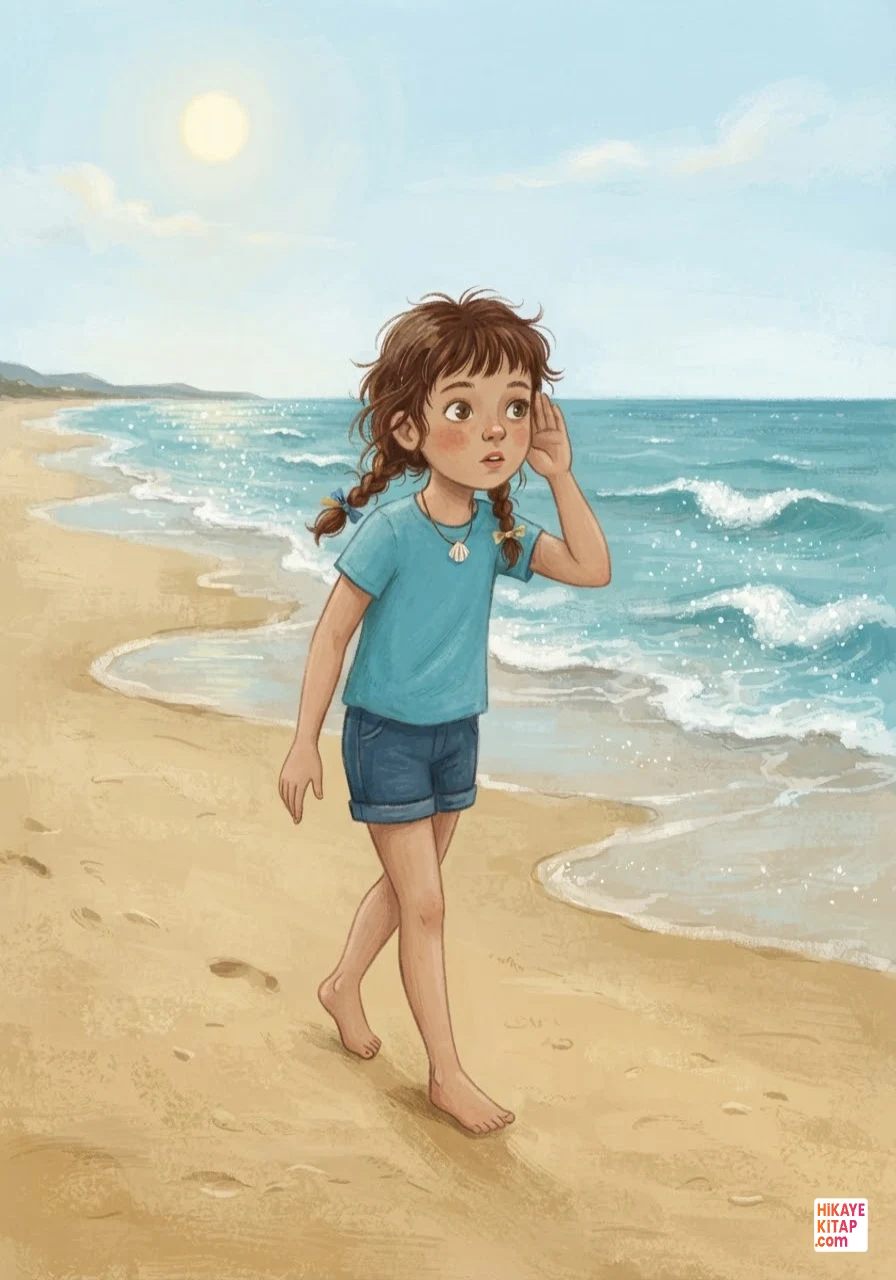
On a sunny morning, Maya paused while walking alone on the sandy beach. With every crash of the waves, she heard more than just a splash. She heard a mysterious whisper calling out to her. It was as if the sea were trying to tell her a secret in a language made of salt and foam.

Maya sat by the water’s edge and gazed toward the horizon. She wondered why the sea changed its mood so often. Some days it was as flat and calm as a blue sheet, while other days it roared and crashed like a restless giant. What made the ocean so busy and loud?
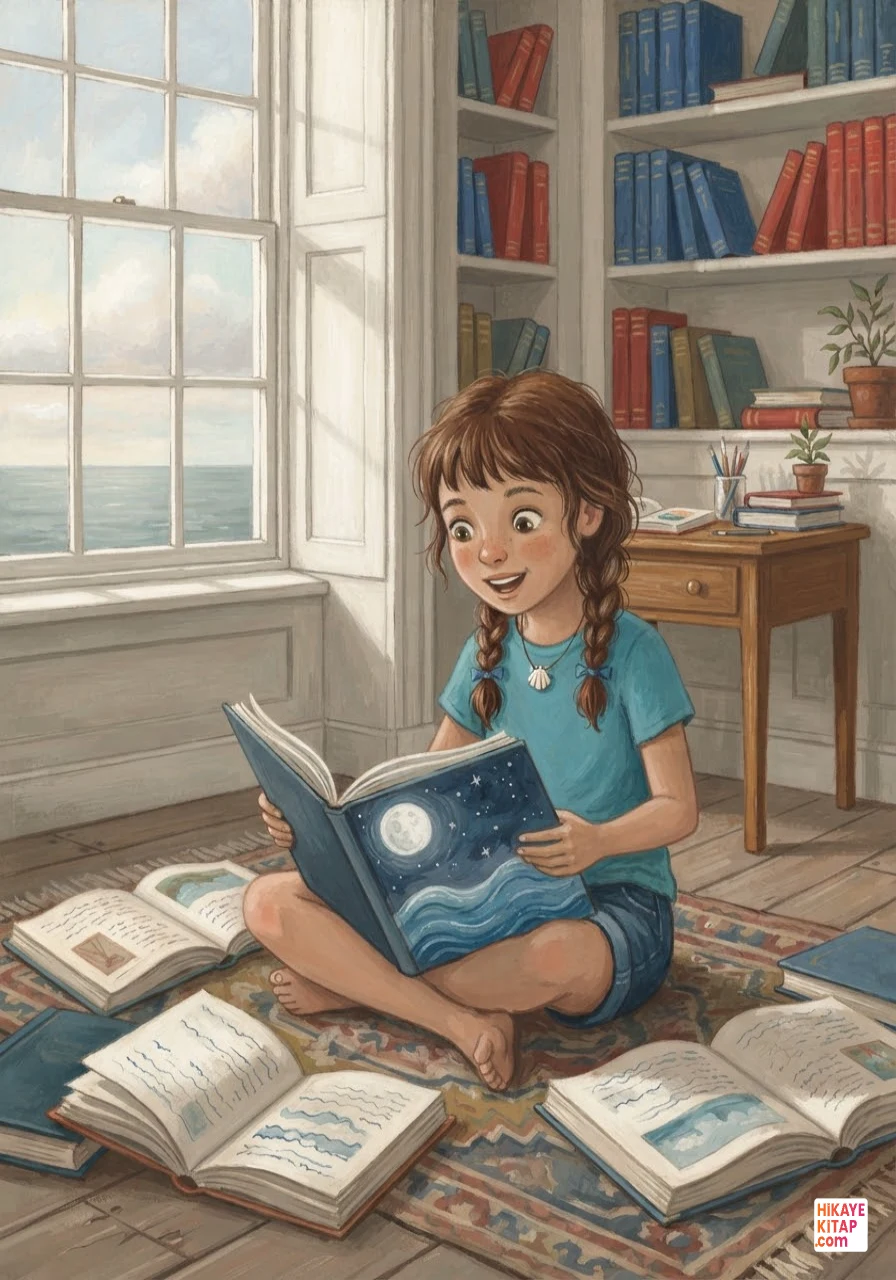
Driven by curiosity, Maya rushed home and pulled her books from the shelves. Her eyes widened as she read about the Moon’s mysterious gravity causing the tides, and how distant winds pushed the water to create massive waves. Nature worked like a giant, beautiful machine.

When she returned to the beach the next day, she bumped into her friend Leo. Maya excitedly shared everything she had learned. Leo was fascinated by the mystery too. “Let's investigate together!” Leo suggested. “We can learn the language of the sea by watching it closely.”

The two friends settled on the shore, each holding a notebook. For days, they watched the sea without tiring. They noted how high the water rose and how far it pulled back. They waited patiently under the bright sun and sometimes under heavy, grey clouds.
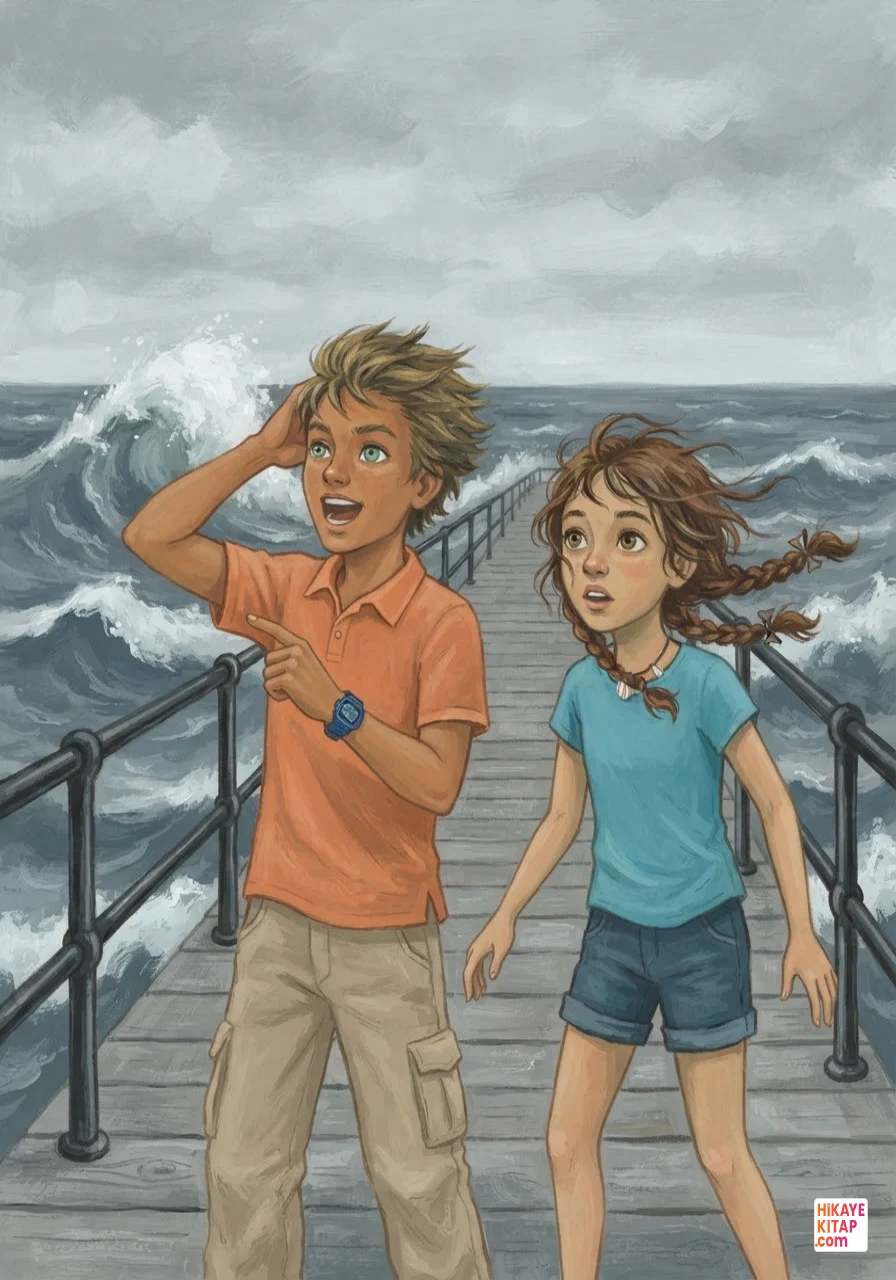
One afternoon, the air suddenly turned chilly. Leo felt the wind pick up and shouted, “Look, Maya! As the wind gets stronger, the waves are getting taller!” It was true; the harder the wind blew, the more the sea danced and surged against the shore.

Back at home, they spread their notes across a large table. They created a colorful chart showing the days, the wind speed, and the height of the waves. All those confusing whispers were finally turning into clear patterns on their paper.
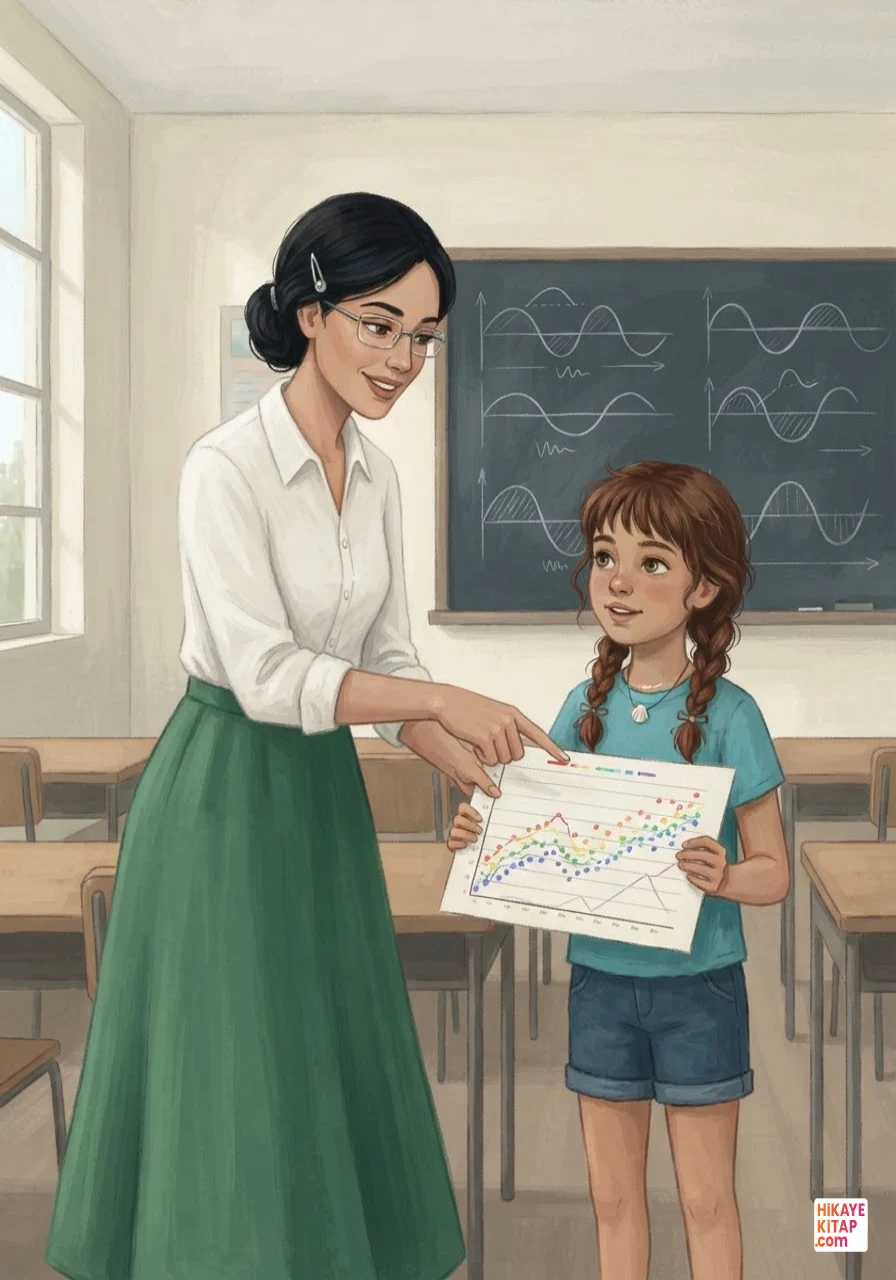
The next day at school, they showed their chart to their teacher, Ms. Hestia. She looked at their work and smiled warmly. “This is a wonderful start,” Ms. Hestia said. “But for scientific measurements to be truly accurate, you must observe at the exact same times every day.”
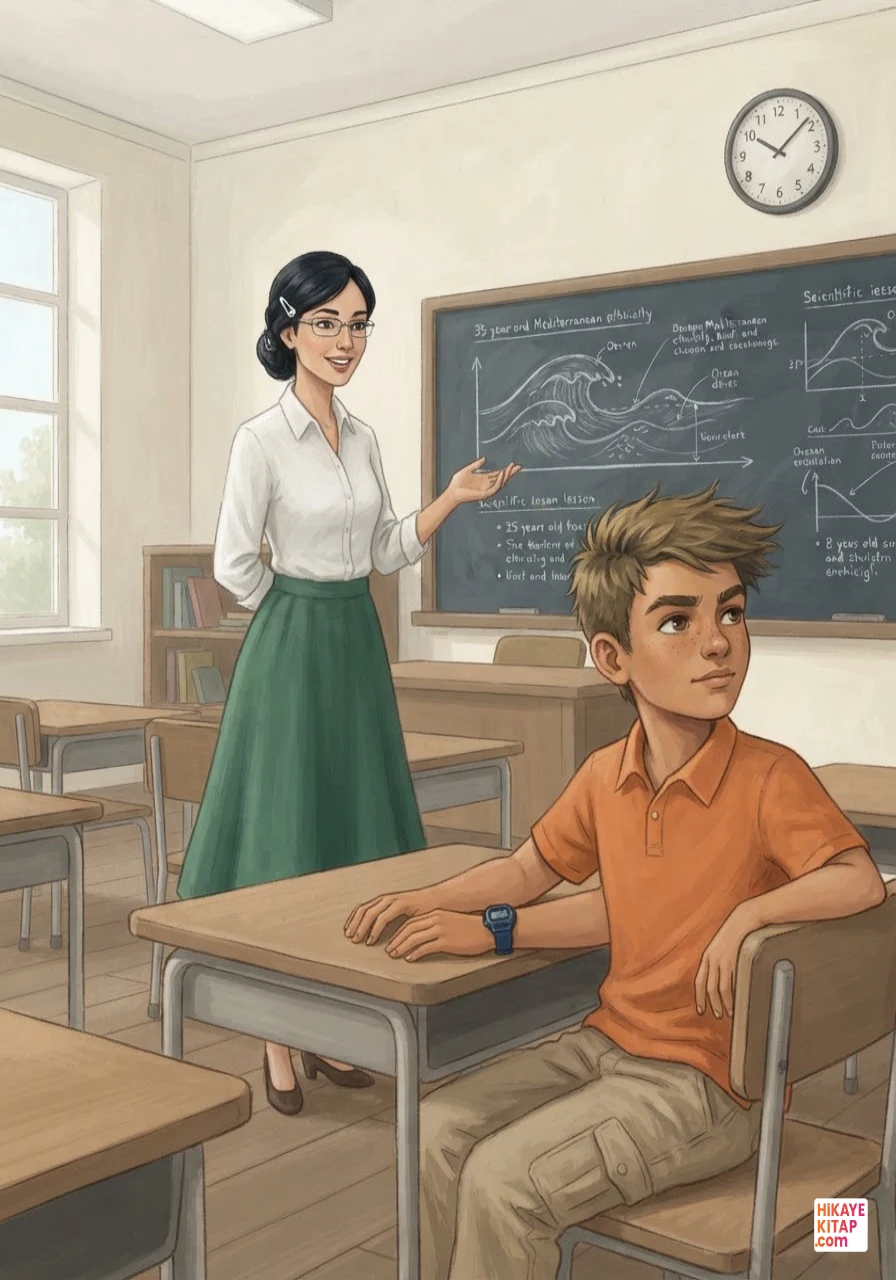
Ms. Hestia explained that consistency was the key to unlocking nature's secrets. Leo nodded, realizing they had been a bit random with their timing. “If we check at 8:00 AM and 6:00 PM every day, our data will be perfect,” Leo noted, thinking about the new plan.
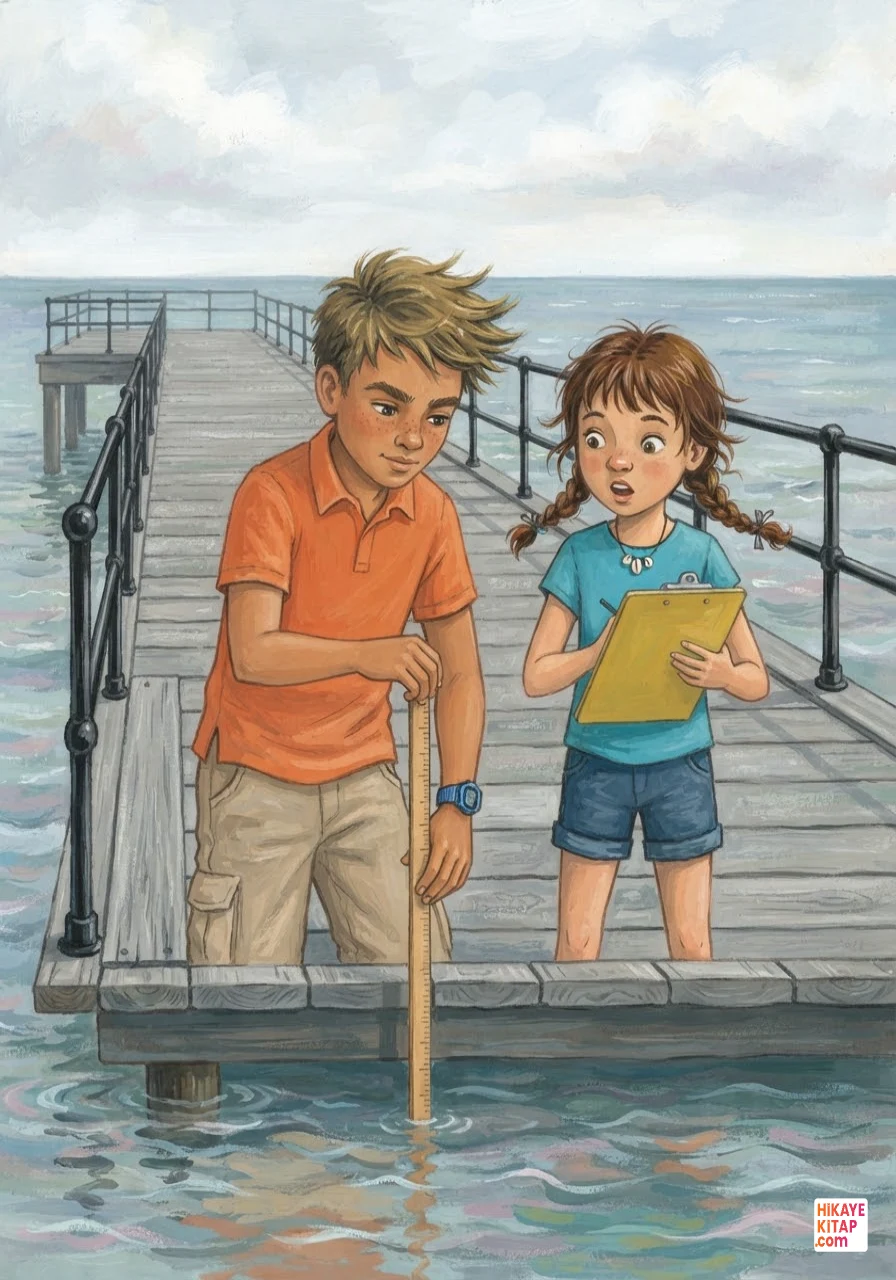
Following their teacher’s advice, Maya and Leo made a new plan. They met at the pier every morning before school and every evening as the sun began to set. Timing became their greatest tool on their journey into science.
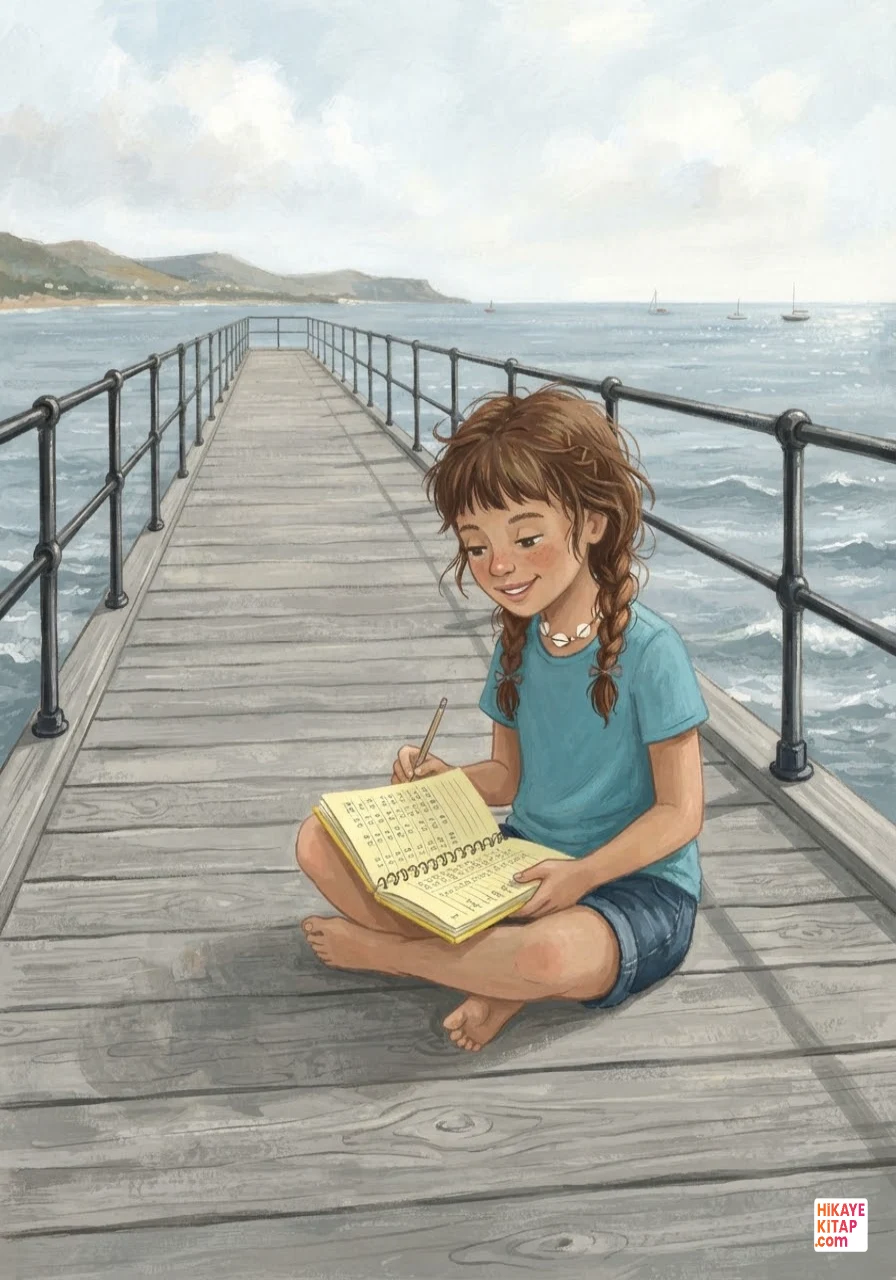
As the days passed, their data became much more organized and precise. By keeping a strict schedule, they could finally predict exactly when the tide would come in. Maya realized that being a good scientist required more than just curiosity; it required patience and order.

The sea continued to hit the shore and whisper its ancient songs. Maya didn't just hear the noise anymore; she understood what the wind and water were saying. Nature was always ready to tell its stories to those who listened with a careful and steady heart.
Every evening, Emma loved to watch the sky from her window. The stars seemed to wink at her, and the Moon told a diff...
The school hallways had fallen silent after the final bell. Leo was walking toward the music room to pick up his flut...
Lily's pockets were always full of interesting things. But she loved the little treasures found in the hearts of frui...
Use the link and iframe code below to embed the book on your site.