The best short fairy tales for kids run two to four minutes, center on one bit of magic, and end with a clear message. The eight tales below are illustrated, narrated retellings of well-known classics, from Puss in Boots to the Bremen Town Musicians, and every one is free to read, listen to, or download as a PDF.
Why short fairy tales work so well
A fairy tale is often a child’s first big story: kindness against greed, bravery against fear, generosity against selfishness. A short tale packs those big ideas into a small package. Your child hears the whole thing in one sitting, remembers how it ends, and asks for it again the next night. The tale they keep requesting is usually the one teaching them the most.
Most of these books come from the classics-inspired stories shelf. That gives parents a nice opening: if you know the original, read the retelling first, then say, “Did you know there’s another version of this story?” and compare the two together.
8 short fairy tales to read tonight
| Book | Age | Level | Pages | Time | Why this one |
|---|---|---|---|---|---|
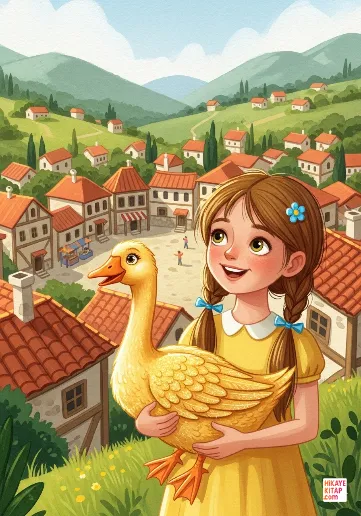
| The Shining Goose’s Giggle | 4-6 | A2.1 | 12 | 1 min 58 sec | A golden goose and a giggling chain |
| Tekir’s Big Game | 4-6 | A2.1 | 12 | 2 min 28 sec | A Puss in Boots retelling, clever and kind |
| The Shining Fish and the Kind Fisherman | 4-6 | A2.1 | 12 | 2 min 13 sec | Three wishes, a fisherman who stays humble |
| The Merry Quartet’s Music Journey | 4-6 | A2.1 | 12 | 3 min 30 sec | Bremen Town Musicians as four friends |
| Deniz and Defne’s Sweet Adventure | 4-6 | A2.1 | 12 | 3 min 18 sec | Rhyming siblings find a candy house |
| Elif and Her Lovely Friends | 4-6 | A2.1 | 12 | 3 min 13 sec | Snow White retold: kindness beats jealousy |
| Winter Night and Warm Light | 7-9 | A2.2 | 12 | 3 min 24 sec | A Little Match Girl with a hopeful ending |
| Red Cloak Ela and the Cunning Wolf | 10-12 | B1 | 11 | 4 min 12 sec | Red Riding Hood for older readers |
Browse the full fairy tales shelf for more, or see our guide to preschool fairy tales and educational stories.
The building blocks of a fairy tale
Reading short tales is a perfect time to point out how fairy tales are built. Spotting these patterns is an early step in reading comprehension.
The opening formula. “Once upon a time” leaves the time and place vague. Tekir’s Big Game, a Puss in Boots retelling, and Red Cloak Ela and the Cunning Wolf both open this way.
Something impossible. A talking cat, a golden goose that makes people stick together, a fish that grants wishes. In The Shining Goose’s Giggle, villagers who touch the goose get stuck in a long, laughing chain until the magic fades at evening.
Things happen in threes. In The Shining Fish and the Kind Fisherman, Arthur releases a tiny golden fish and is offered three wishes. Instead of asking for riches, he ends up learning that the real treasure is being thankful and sharing kindness.
A journey and a test. The hero leaves home and faces a challenge. In Deniz and Defne’s Sweet Adventure, told in rhyme, a brother and sister follow a rainbow-winged bird and lose their way in the woods.
An ending with a lesson. In Elif and Her Lovely Friends, a Snow White retelling, the jealous Queen finally understands that kindness and friendship are the greatest beauty of all.
Which tale for which age?
Ages 4-6: The Shining Goose’s Giggle (the shortest, about two minutes), The Merry Quartet’s Music Journey and Tekir’s Big Game have no scary villains and cheerful endings, which makes them easy bedtime picks.
Ages 6-8: Deniz and Defne’s Sweet Adventure and Elif and Her Lovely Friends include a little suspense but end happily. Winter Night and Warm Light touches heavier feelings like loneliness and cold, so choose an evening when you have time for questions.
Ages 9 and up: Red Cloak Ela and the Cunning Wolf is B1 level and gives its “be careful with smooth-talking strangers” message in more mature language.
How to read a fairy tale aloud
Doing voices helps, but you don’t need to be a performer. Playing the narration and listening together has much the same effect. Try a three-night routine:
- Night one: listen to the tale with narration.
- Night two: you read it, pausing at repeated lines so your child can fill them in.
- Night three: print the PDF and let your child tell you the tale using only the pictures.
If your child wants to change part of the story (“Make the wolf nice!”), go with it. Rewriting a tale is a sign of imagination and growing storytelling skills.
Talking about villains and tricks
Fairy tales don’t always model good behavior. Tekir tells the King that Can’s clothes floated away in the river; the Queen sends Elif out of the palace out of jealousy; the wolf sweet-talks Ela. These moments are great conversation starters if you ask with curiosity rather than lecture. “Was Tekir telling the truth? Why did he do it? Could he have found another way?” helps kids separate a character’s intentions from their actions.
When younger kids ask if the magic is real, a simple answer works: “It happens in fairy tales, not in real life, but the kindness in the story works in real life too.” And if a scene feels too scary, skip ahead to the happy ending or listen in daylight first. A few weeks later, many kids ask for that exact scene.
A 7-night fairy tale plan
- Night 1: The Shining Goose’s Giggle
- Night 2: The Merry Quartet’s Music Journey
- Night 3: Tekir’s Big Game
- Night 4: The Shining Fish and the Kind Fisherman
- Night 5: Deniz and Defne’s Sweet Adventure
- Night 6: Elif and Her Lovely Friends
- Night 7: The week’s favorite, told by your child
For an older child, swap in Winter Night and Warm Light and Red Cloak Ela on nights five and six.
Questions to ask after the tale
- Why did the villagers laugh instead of getting angry when they got stuck to the goose?
- What did Arthur learn was the greatest treasure? What would you have wished for?
- Why did Barnaby the donkey and his friends travel together? What did each one add to the music?
- What clever plans did Tekir make to help Can? Were all of them honest?
- What did Elif see each time she lit a match on that winter night?
For a follow-up activity, kids can draw their favorite scene with the free coloring books.