How to Choose a Children's Story Book by Age

Published on:
How to Choose a Children's Story Book by Age

A good children’s story book is not only entertaining. It should also match a child’s age, attention span, and emotional stage.

Age Fit Comes First

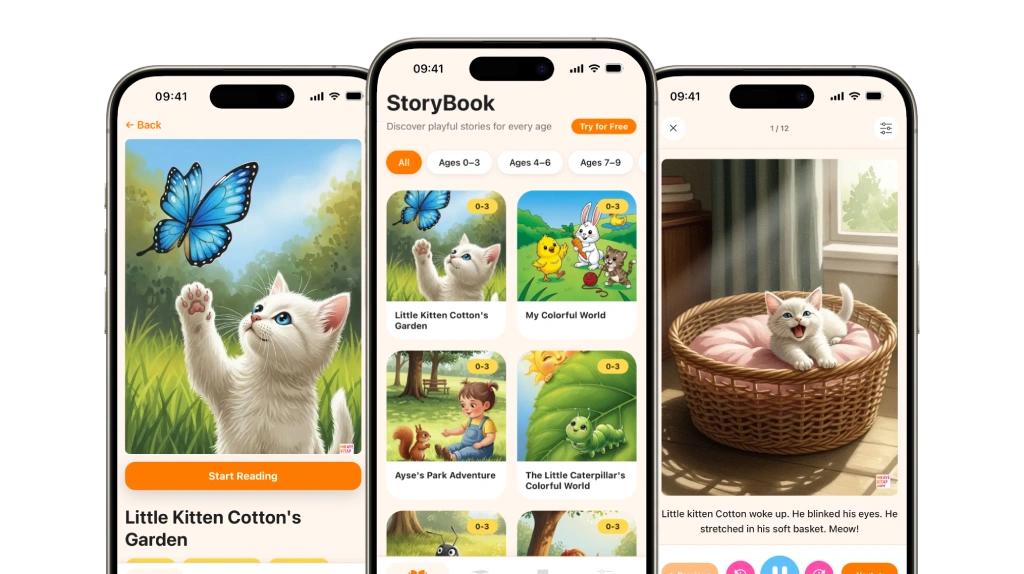
  • Ages 0-3 usually need repetition and visual clarity.
  • Ages 4-6 respond well to short and rhythmic stories.
  • Ages 7-9 need flow and a clear event structure.
  • Ages 10-12 often want stronger plot and more curiosity.

Topic and Interest Matter Too

Some children love animals, some respond more to mystery, and others prefer adventure or friendship themes.

What Should Families Look For?

  • Is the language clear?
  • Does the story flow?
  • Does the child stop halfway?
  • Do they want to return to the book?

Story book suggestions for different ages

Strong starting points across different ages and interests.

How Is the Best Fit Found?

The best children’s story book is usually the one that matches the child’s level and creates a desire to keep reading. This page also connects naturally with broader guides about free children’s books and digital reading.


Frequently Asked Questions
What is the first rule when choosing children’s story books?
Start with age fit, language simplicity, and child interest.
Why does image-text balance matter in book choice?
Balanced design improves both comprehension and reading motivation.
How should themes be selected for children?
Prefer relatable themes that still leave room for curiosity and growth.
Is choosing books above level a good strategy?
Overly difficult books can reduce motivation; gradual progression works better.
What should be checked in digital book selection?
Readability, ad intensity, and age-appropriate content quality.
Should children participate in book selection?
Yes, shared choice increases ownership and consistency.
Does correct book selection change reading outcomes?
Absolutely. Better matching improves confidence and long-term reading habits.