Empathy is the ability to understand another person’s feelings and put oneself in their shoes. In order for children to mix into society as healthy individuals, they need to wear empathy glasses at an early age. Well, how can we teach this abstract concept to a child? With well-chosen storybooks, of course!
If you want to make this idea more concrete for children, you can also go directly to The Empathy Glasses.
Stepping Into Someone Else’s Shoes
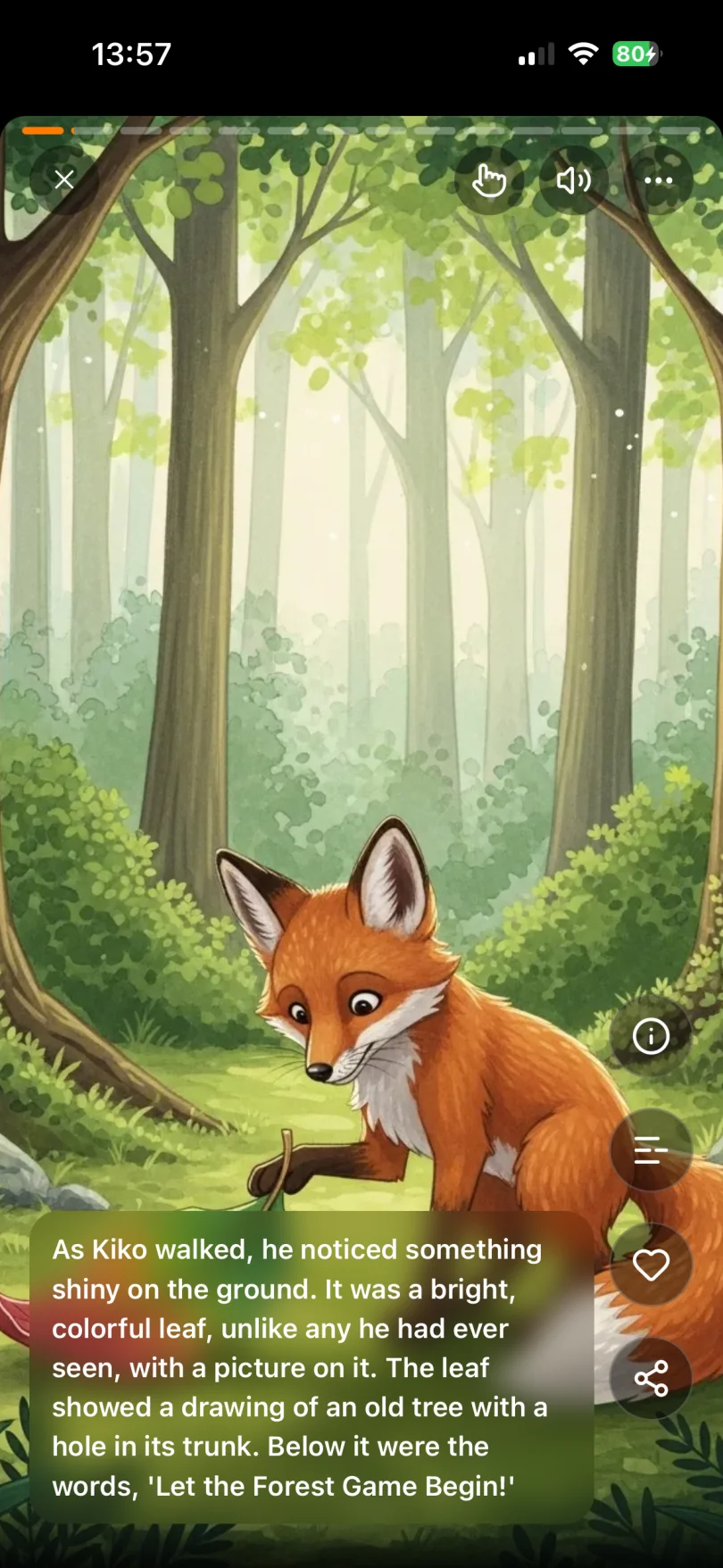
When a child reads a story, they do not just watch an event from the outside; they take the hero’s place. When the character in the book faces a difficult situation, is sad or happy, the child internalizes similar feelings. They begin to see the world from someone else’s window, as if wearing empathy glasses. As a parent, asking questions during reading like “What do you think they feel right now?”, “What would you do if you were in their shoes?” reinforces this process.
Storybooks offer themes such as disability, different cultures, experiencing loss, or being excluded, which they have not yet encountered in real life, to children in a safe environment. Conversations after reading will ensure the establishment of a lasting sense of empathy.