Walking into a bookstore or browsing an online digital library can be an overwhelming experience for parents and caregivers. With thousands of vibrant titles, diverse genres, and conflicting recommendations, knowing how to choose a children’s story book is an essential parenting skill. A poorly chosen book—one that is too dense, emotionally frightening, or overly simplistic—can frustrate a child and dampen their enthusiasm for reading. Conversely, the right book at the right developmental moment can ignite an intellectual spark that illuminates their entire childhood.
Selecting exceptional literature requires looking beyond glossy cover art and bestseller stickers. Parents must evaluate books through a holistic pedagogical lens, considering linguistic complexity, emotional resonance, artistic craftsmanship, and ethical substance. By understanding the evolving cognitive needs of young readers, families can curate an inspiring home library that nurtures both intellectual brilliance and compassionate character.
Developmental Framework: Matching Books to Age Milestones
A childs ability to process narrative language evolves rapidly across childhood:
1. Infancy and Toddlerhood (Ages 0 to 3)
At this tender stage, children experience books as multi-sensory bonding objects. Look for sturdy board books or clean digital stories with high-contrast illustrations, simple single-object visuals, and rhythmic, repetitive language. Stories reflecting familiar daily routines—eating, bathing, and sleeping—provide comfort and accelerate early speech development.
2. Preschool and Kindergarten (Ages 4 to 6)
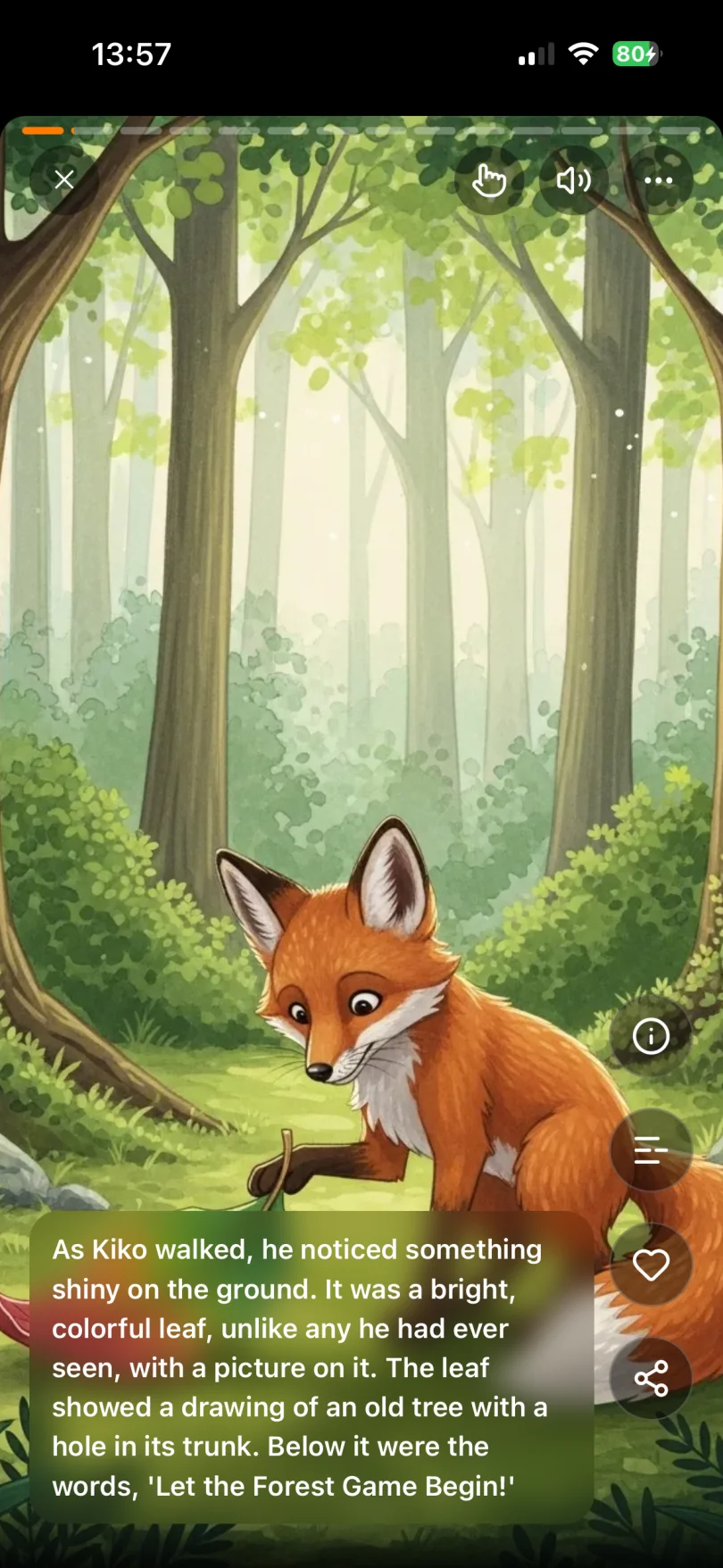
Preschoolers are developing narrative awareness, understanding that stories have beginnings, middles, and endings. Select books with engaging character conflicts, humorous wordplay, vibrant illustrations, and relatable social themes like sharing, overcoming fears, and friendship.
3. Early Elementary (Ages 7 to 9)
Children are transitioning from listening to reading independently. Choose early chapter books and rich picture books with clear typography, generous line spacing, and supportive illustrations. Fast-moving plots, mysteries, and animal adventures build decoding confidence and reading stamina.
4. Middle Grade (Ages 10 to 12)
Pre-teens seek deeper thematic exploration, moral ambiguity, and complex character development. Fantasy quests, historical adventures, realistic school dramas, and non-fiction science topics satisfy their expanding cognitive horizons and desire for personal autonomy.
Four Essential Pillars of an Outstanding Storybook
When evaluating a prospective book for your child, examine these four foundational elements:
- Quality of Language and Tone: The prose should feel natural, evocative, and melodious when read aloud. Avoid books with clunky meter, patronizing tones, or forced rhymes that disrespect a childs intelligence.
- Artistic Excellence and Visual Harmony: Illustrations should complement and expand upon the text rather than simply repeating it. Thoughtful artistic style trains young eyes to appreciate visual nuance and design.
- Authentic and Relatable Characters: Protagonists who exhibit flaws, make mistakes, and navigate real consequences teach resilience. Children reject characters that appear unrealistically perfect.
- Organic Moral Depth: The best stories demonstrate virtues—such as empathy, integrity, and courage—through character actions rather than overt preaching.
Digital Book Selection: Navigating Modern Reading Platforms
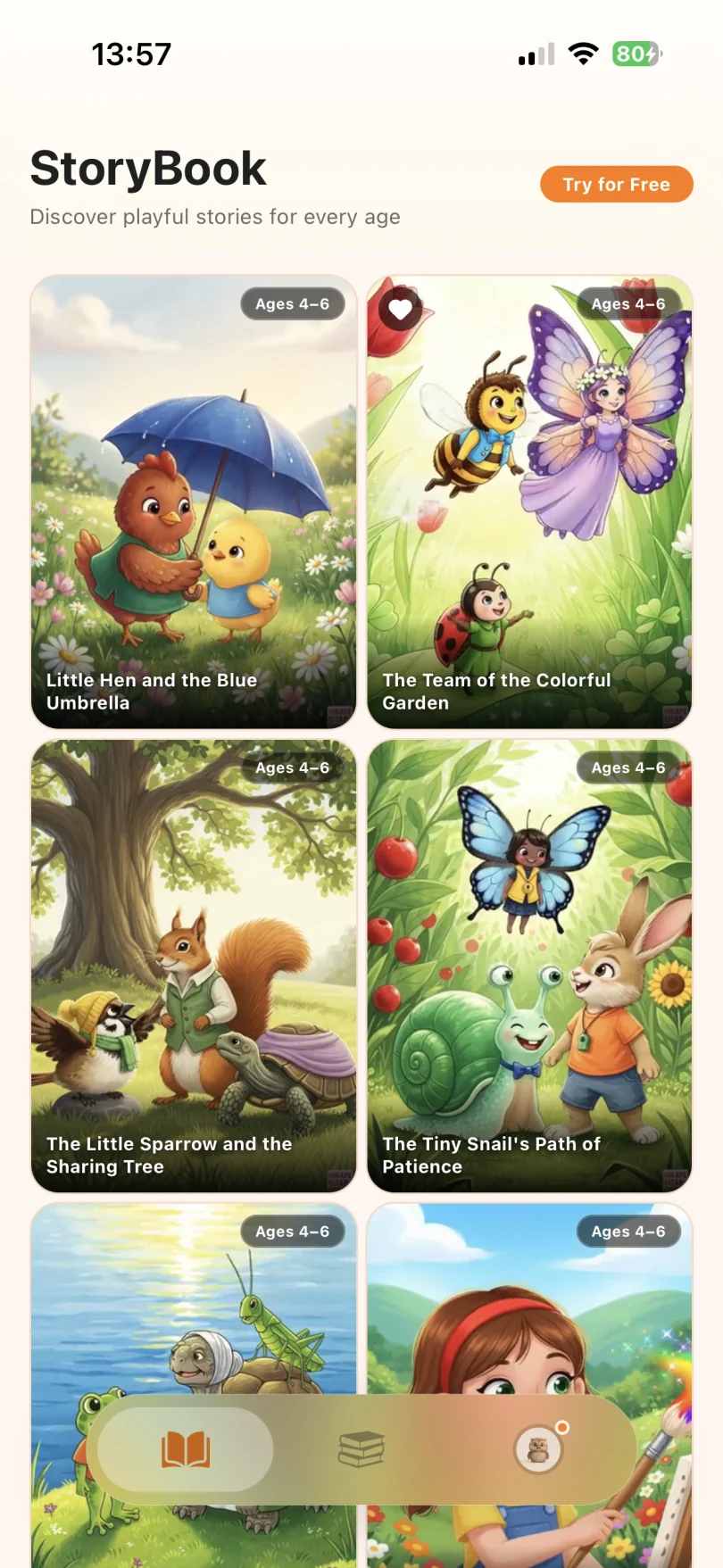
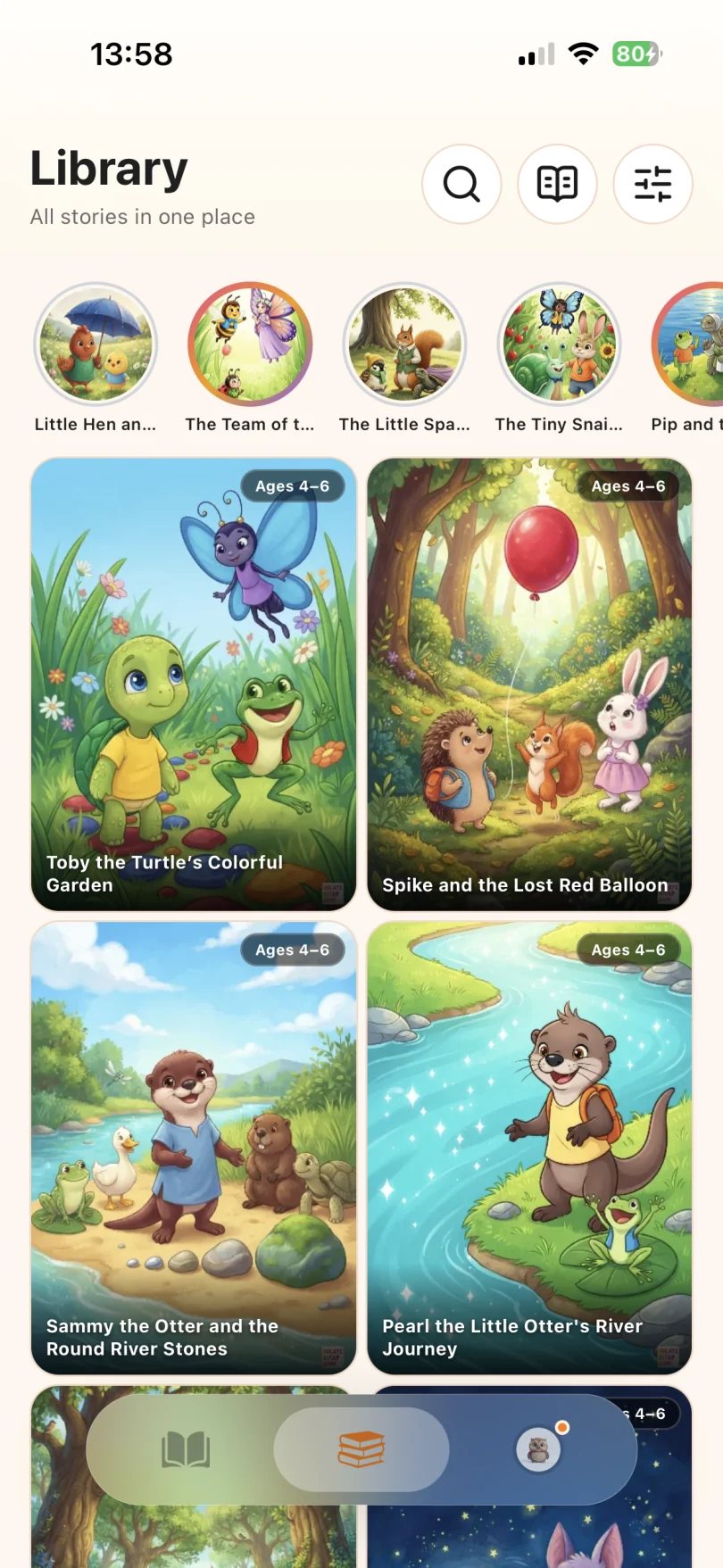
In modern households, digital reading platforms provide remarkable convenience, portability, and access. However, evaluating digital storybooks requires additional scrutiny:
Our platform provides a curated sanctuary of literature through our Free PDF Childrens Books collection. We ensure that every digital title meets rigorous pedagogical standards, offering clean, ad-free web flipbooks and downloadable PDFs that preserve the artistic integrity of traditional picture books.
When choosing digital books:
- Avoid Hyper-Gamified Apps: Steer clear of digital books with frantic pop-up animations, distracting soundboards, or gaming microtransactions that fracture narrative focus.
- Check Typographic Scaling: Ensure fonts can be resized comfortably to prevent eye strain during evening reading.
- Validate Platform Safety: Verify that the platform respects child privacy and contains zero external commercial advertisements.
Tracking Reading Milestones with a Printable 30-Day Log
Building a lifelong love of literature is forged through consistent, joyful daily practice. Reading together for just twenty to thirty minutes each day builds advanced vocabulary, reading comprehension, and emotional connection.
To help families track their book selections and celebrate reading achievements, we have designed a specialized printable tool. Download and print our Printable Reading Log and Certificate of Achievement. This printable guide allows children to record daily book titles, rate their favorites, log reading minutes, and earn a personalized certificate of accomplishment after thirty consecutive days of reading.
By selecting books with care, honoring your childs passions, and reading together daily with warmth, you open the door to a lifelong journey of literary wonder.
Frequently Asked Questions
What is the most important factor when choosing a childrens storybook?
Aligning text complexity, thematic content, and emotional depth with the childs specific developmental stage and personal interests.
How do illustrations contribute to storybook selection for young children?
Illustrations provide critical context clues, support visual literacy, stimulate imagination, and maintain engagement before full decoding fluency.
How can parents tell if a book is too difficult for their child?
Use the Five Finger Rule: if a child encounters five unfamiliar words on a single page, the book is best reserved for shared co-reading.
Should parents choose books with overt moral lessons?
Books that embed ethical dilemmas naturally within compelling narratives are far more effective than heavy-handed moralistic preaching.
How can parents balance a childs preferred books with challenging literature?
Follow the 80/20 principle: allow 80% free-choice leisure reading while gently introducing 20% stretch books during shared reading sessions.
Are digital storybooks subject to the same selection criteria as print books?
Yes, with added scrutiny regarding typography legibility, navigation ease, absence of disruptive ads, and child privacy protection.
How often should a childs home library be refreshed?
Rotating books every few weeks maintains novelty and sparks renewed curiosity without requiring continuous purchasing.